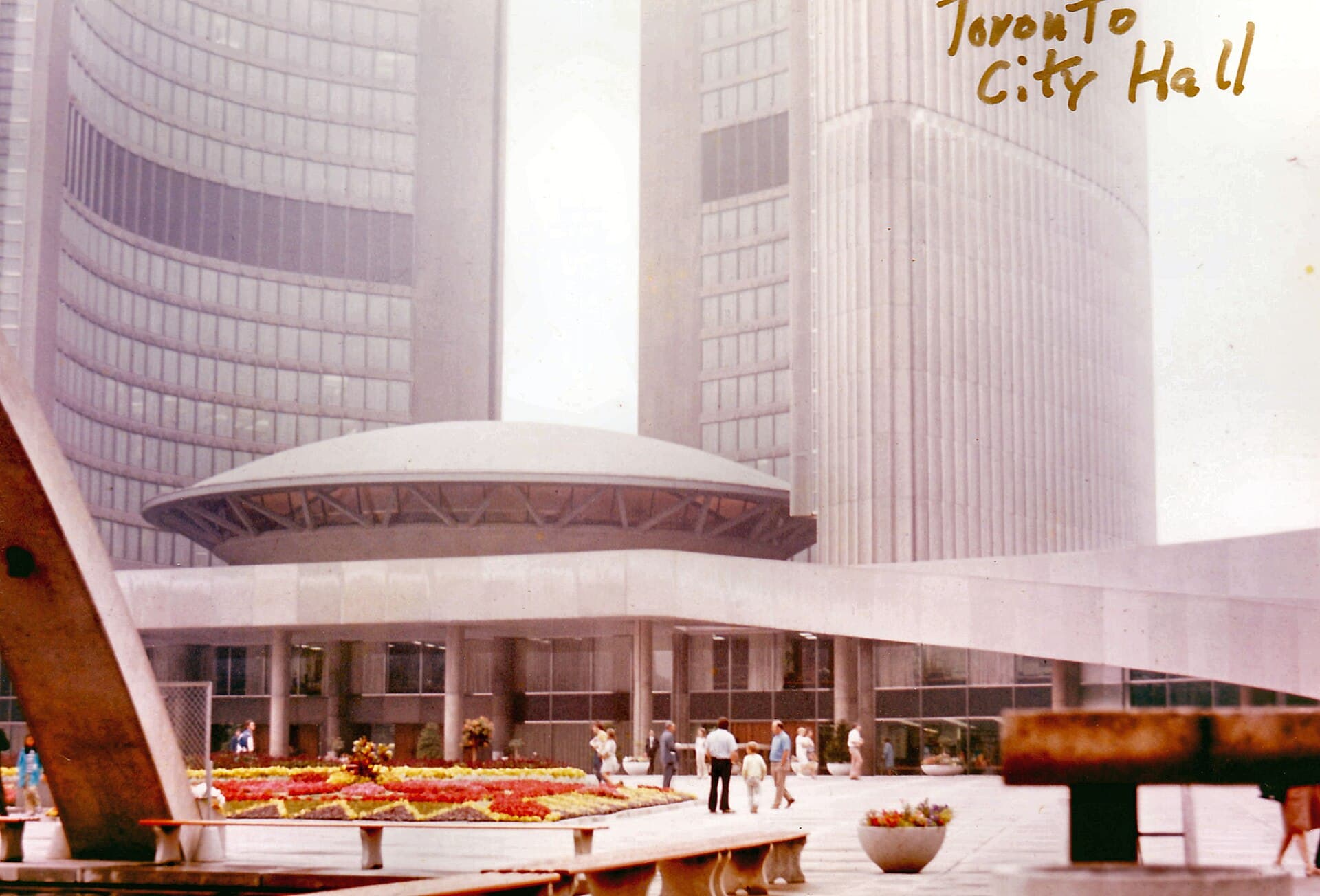
In 1972, eight people living in Toronto, Canada, began an experiment. The goal was simple, but the idea behind it was quietly unsettling: they set out to create a ghost that had never existed, entirely by their own hands. They chose the ghost's name, decided the year he was born and the manner of his death, and even gave him a love he could never have, building up the plausible life of a single man. His name was Philip Aylesford. From beginning to end, he was a complete invention. And yet, after months of gathering around a table to talk about this imaginary figure, one day that table began to knock. Ask a question, and an answer came back in raps. The table shook on its own; the lights in the room flickered. A ghost who did not exist was answering, precisely, questions about a life that had never happened. This is the Philip Experiment — one of the strangest episodes in the history of psychical research.
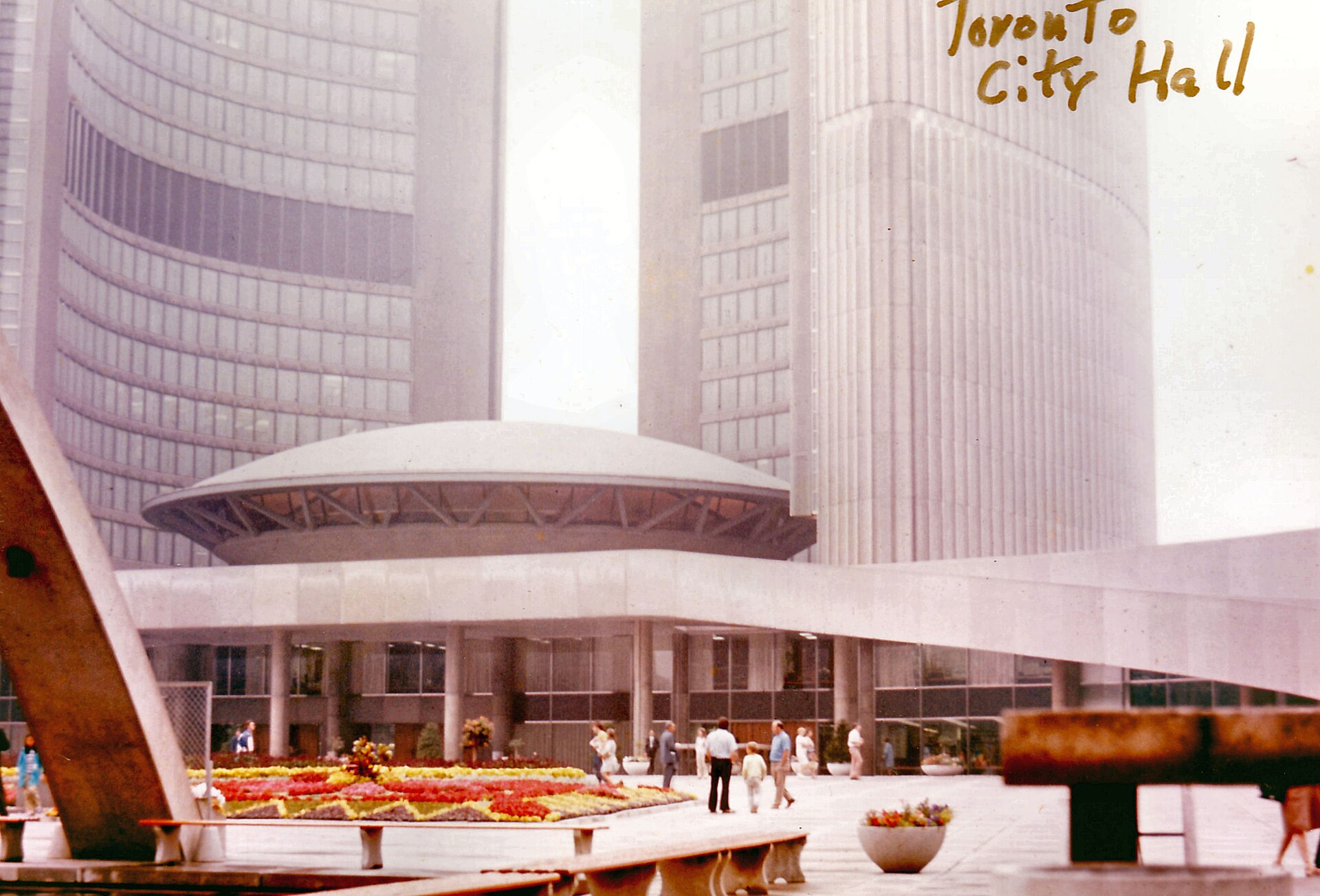
Photo: Wikimedia Commons, CC BY-SA 3.0
The People Who Set Out to Make a Ghost
The story begins with the Toronto Society for Psychical Research. The group was led by Iris Owen and her husband, guided by the British-born psychologist Dr. A. R. G. Owen, which is why the experiment is often called the "Owen group." The eight people who took part were not mediums or clairvoyants of any kind. They were entirely ordinary — an accountant, a housewife, an industrial designer — and some among them were openly skeptical.
The question they were asking was this: is a ghost really the soul of the dead, or is it something produced by the minds of the living? And if it was the latter, might real phenomena actually occur when several people sincerely believed in and focused on a ghost that had never existed in the first place? The idea drew on the work of the British psychical researcher Kenneth Batcheldor. So the Owen group decided to make a ghost that everyone in the room agreed, from the outset, was entirely fake — and then watch what happened. It was an experiment not to summon the dead, but to invent someone who had never lived at all.
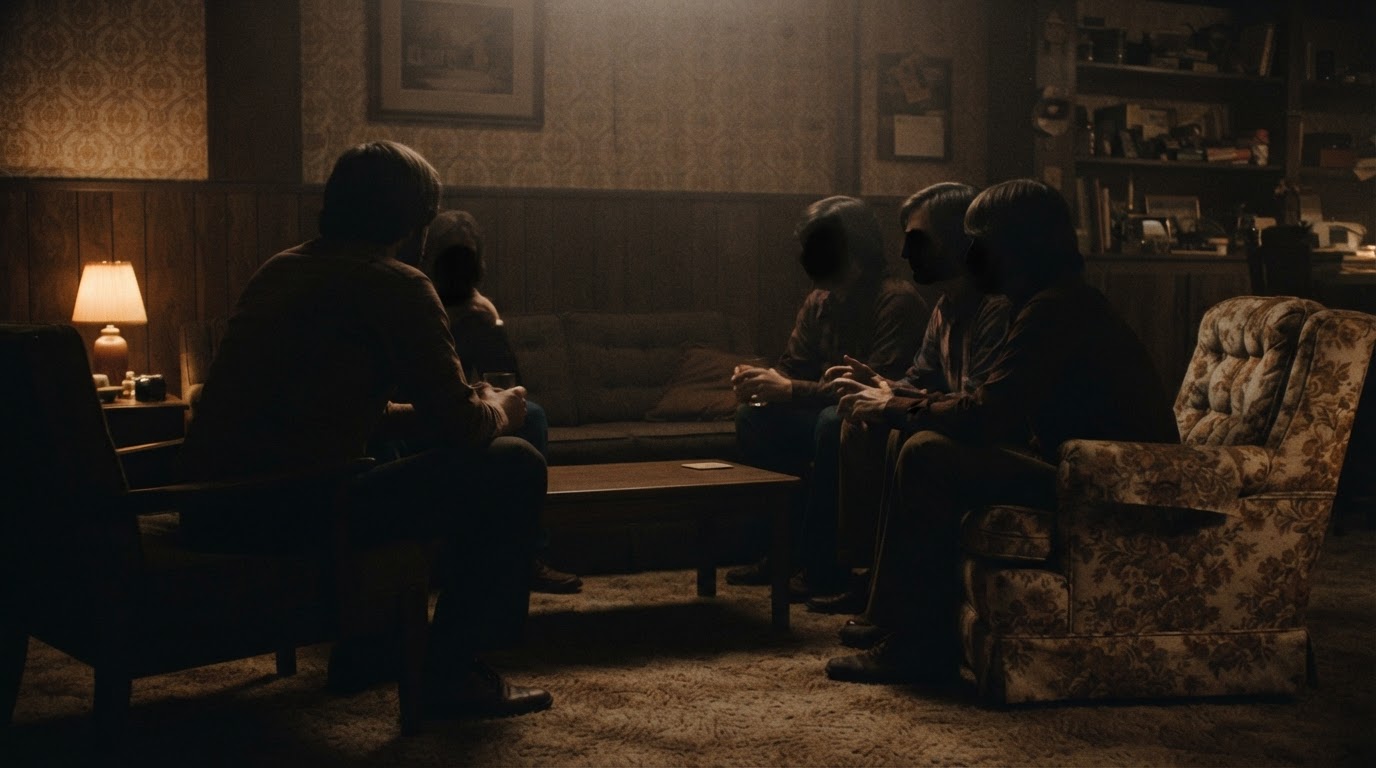
The detail that decided me to keep a file on the Owen group was the occupations. An accountant, a housewife, an industrial designer. When I sort psychical material, the ordinary professions are usually the first thing to go missing — witnesses arrive already described as sensitives, as gifted, as having always known. Here the list survives intact, and it reads like the membership of a bowling league. I have gone back to that roster several times, and each time it makes the knocking harder rather than easier to set aside.
The Fictional Life of Philip Aylesford
The first thing they needed was a "life" for their ghost. The group put their heads together and worked out a man's biography in detail. His name was Philip Aylesford, a seventeenth-century English aristocrat who lived during the years of the English Civil War. He married the beautiful Dorothea but did not love her, and one day fell in love with a gypsy woman named Margo. When his wife discovered the affair, she accused Margo of witchcraft and had her burned at the stake. Tormented by grief and by the guilt of having failed to save the woman he loved, Philip finally threw himself from the battlements of his estate and took his own life. He was thirty years old.
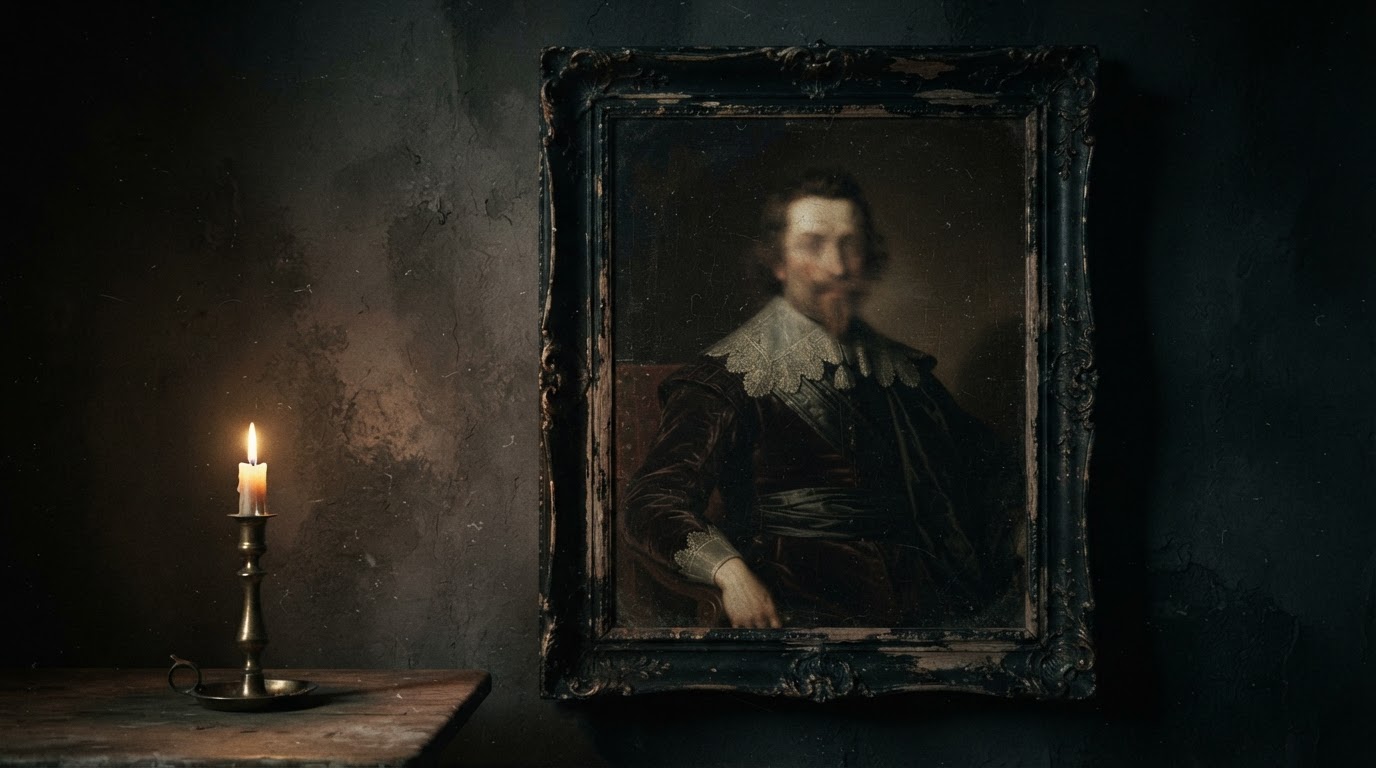
Every part of this story was pure invention. Diddington Manor, the estate where Philip supposedly lived, was a real building in England — but Philip himself, and his tragic love, were entirely made up by the group. Some of the details were even deliberately inconsistent with real history. This was by design. If Philip really did begin to answer, his answers would carry those invented "errors" intact — errors that could never come from a person who had actually lived. In other words, it could prove that Philip was not the soul of a real dead man, but a being created by the group's own minds. They even painted a portrait of Philip and hung it up.
The Months When Nothing Happened
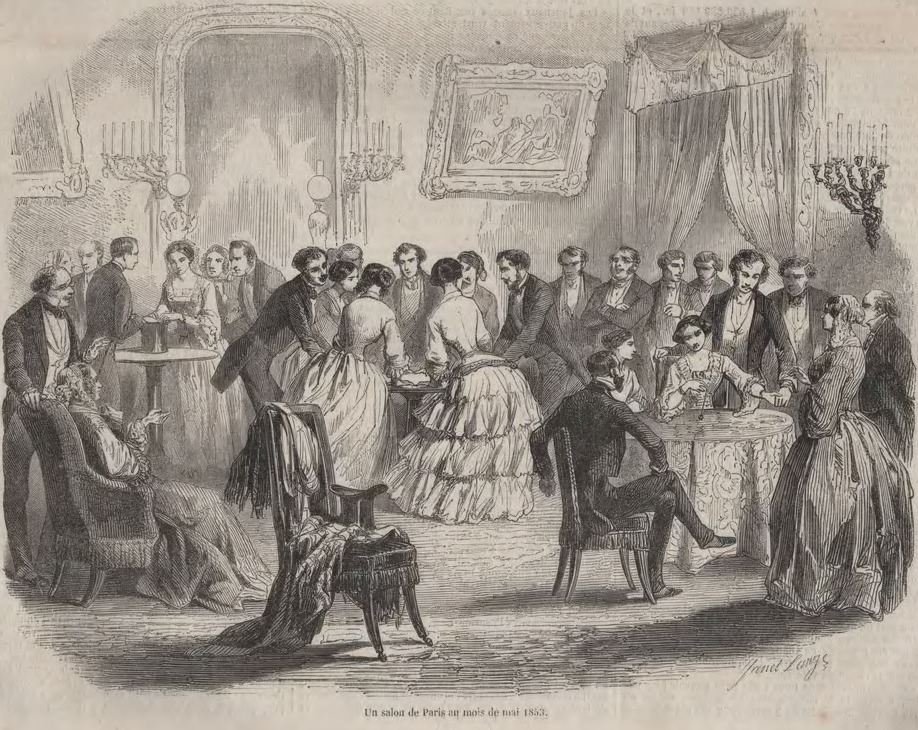
With the ghost's backstory complete, the group began to meet regularly. They imagined Philip sitting with them, talked about his life, sympathized with his sorrow, and treated him as though he were truly there in the room. But at first, nothing happened at all. Weeks and then months went by, and the table remained just a table; Philip stayed quietly inside his portrait. Their approach was close to a form of quiet, meditative concentration, and for a long time it produced no reaction at all.
The turning point came when they changed their method. Instead of solemn, heavy meditation, the group decided to make the mood far lighter and more cheerful. They lit candles, sang songs about Philip, traded jokes, and turned the sessions into something like the boisterous séance of a group of old friends. A dark room, a round table, hands laid upon it — and laughter and singing. This relaxed, buoyant atmosphere proved decisive. Once they let go of their tension and, enjoying themselves, began to treat Philip as though he were "real," the table at last began to answer.
The Table Began to Answer
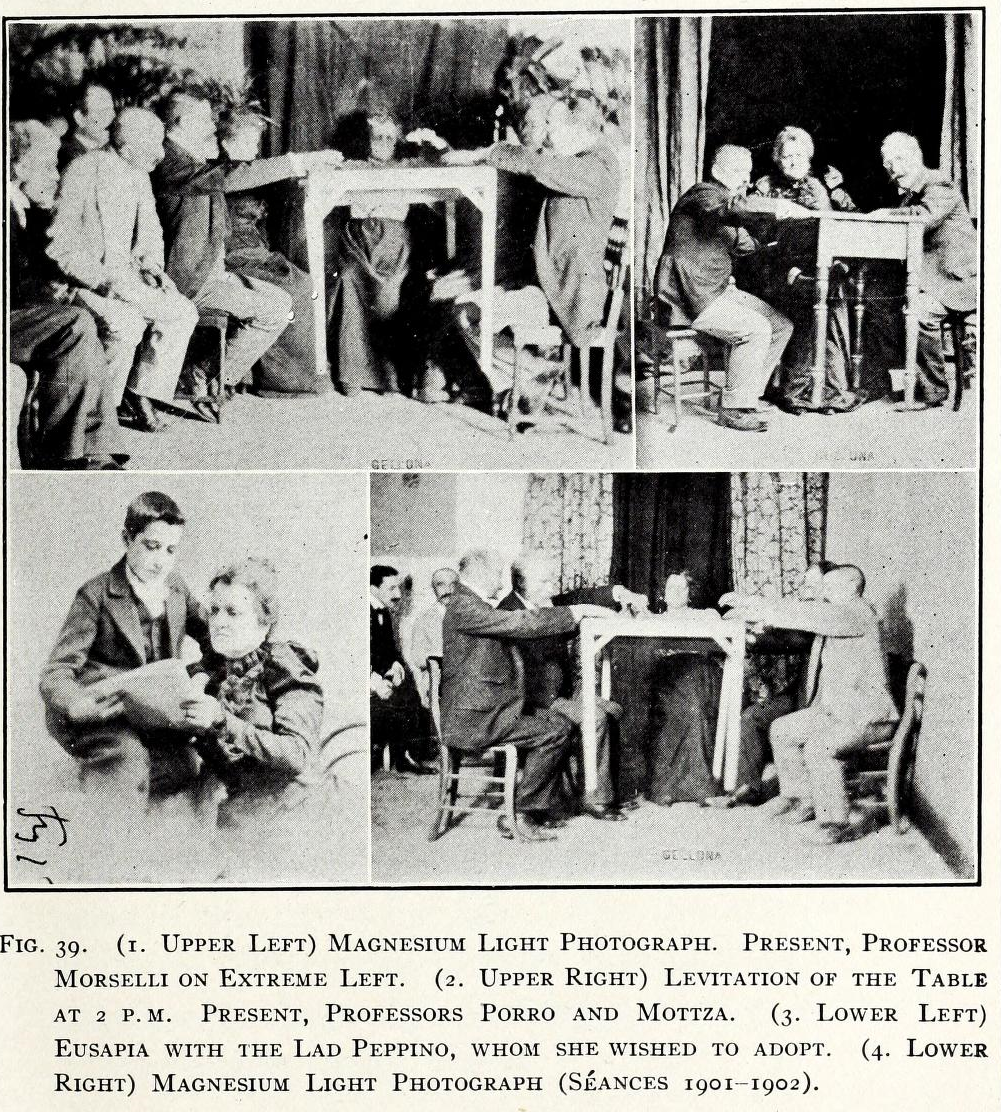
One day, a clear knocking sound came from the table. Half in disbelief, the group set a rule: one knock for "yes," two knocks for "no." Then they began to ask questions about Philip's life. "Are you Philip?" One knock. "Yes." Astonishingly, the table kept answering in ways consistent with Philip's invented story. To questions about the life they had drawn for him, the woman he had loved, the estate where he had lived, Philip responded with precise knocks.
The phenomena did not stop at knocking. According to the participants' testimony, the heavy table slid across the floor as though of its own accord, and tilted by lifting one leg. The lights in the room flickered in time with the questions, and some felt a cool breeze brushing past the table. The group filmed and documented the whole process, and on one television program the table was said to have appeared to climb a set of stairs as an audience watched. A ghost that had never existed was now leaving physical traces in the room.
Philip Did Not Know He Was Fake
Here lies the eeriest point of the whole experiment. Philip answered even the errors the group had invented. Asked about details the group had imagined into being — settings that could not have existed in real history — Philip answered faithfully to his own "fiction." Conversely, when the group asked about some part of Philip's life they had never decided in advance — something no one had imagined — Philip could not answer, or grew vague and evasive. Philip knew exactly as much as the group knew, and no more.
This was powerful evidence that Philip was not truly the soul of a dead human being. Had he really been the spirit of a seventeenth-century man, he ought to have been able to correct the errors the group had invented, or to speak truths about his own life that the group did not know. But Philip's knowledge was sealed precisely within the reach of the group's imagination. Philip was, in effect, a mirror of the collective imagination that eight people shared. And yet it was exactly that mirror which knocked and shook the table, revealing itself physically — and at this point the Philip Experiment becomes something more than an ordinary séance.
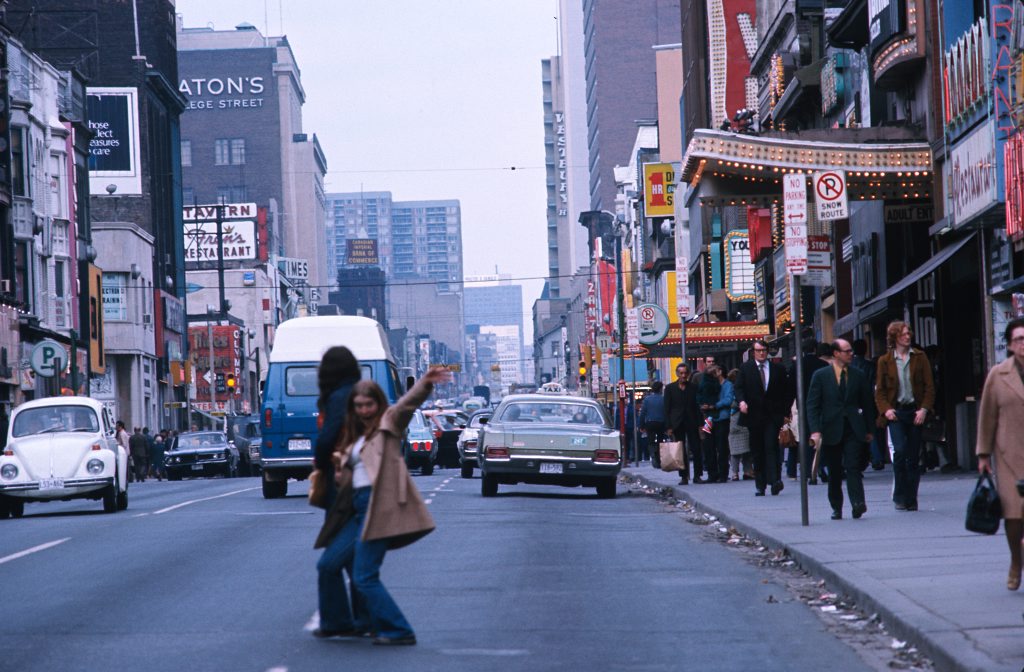
Photo: Wikimedia Commons, CC BY 2.0
So What Did They Actually Create?
There are two broad ways to explain the Philip Experiment. The first is the psychological reading. On this view, Philip was not a ghost but a product of the ideomotor effect. When several people rest their hands on a table, tiny muscular movements that none of them consciously notice can combine, and the table really can move and produce knocking sounds. It is the same principle behind the way a Ouija board's planchette seems to move on its own. On this reading, Philip was a shared illusion produced by the unconscious minds of eight people — a single "personality" collectively conjured by the human mind.
But this explanation alone leaves parts that are hard to account for. Testimony that the lights flickered, or that a heavy table slid by itself, is not fully explained by mere muscular tremor. And here the second reading enters. It holds that the focused human mind — especially when the belief and expectation of many people are gathered into one — can exert a force that genuinely affects the physical world, something close to psychokinesis. From this angle, the question the Philip Experiment poses grows deeper and more uncomfortable. Might some of what we call ghosts, in fact, be created not by the dead but by the minds of the living? When enough belief gathers, might a being that never existed become real?
Working through the transcripts, the thing that unsettles me is not the answers Philip gave. It is the questions he could not. The group would stray onto some corner of his life they had never bothered to invent, and the table would go vague, evasive, or silent — a ghost hitting the edge of his own paperwork. I have handled a great many accounts of spirits who claimed to know too much. This is the only file I keep of one who knew exactly, and only, what he had been given, and I still cannot decide whether that makes him less real or more.
What we can say for certain today is only this. In 1972, in Toronto, eight ordinary people invented a ghost named Philip Aylesford who had never existed, and a few months later that ghost began to knock the table and answer questions about his own invented story. Philip never knew he was fake, and he knew exactly as much as the people who made him. Did they create a ghost — or did they accidentally glimpse how far the human mind can reach? Half a century on, the knocking of that table has offered no clear answer, and goes on quietly rapping at a dark corner of our own minds.
---
This article combines authentic archival and location photographs with AI-generated images produced to convey the mood of the story.


Comments
No comments yet — leave the first one.