
There was one empty bottle of makgeolli. And for sixteen years, no one could say for certain, ever again, who had filled it.
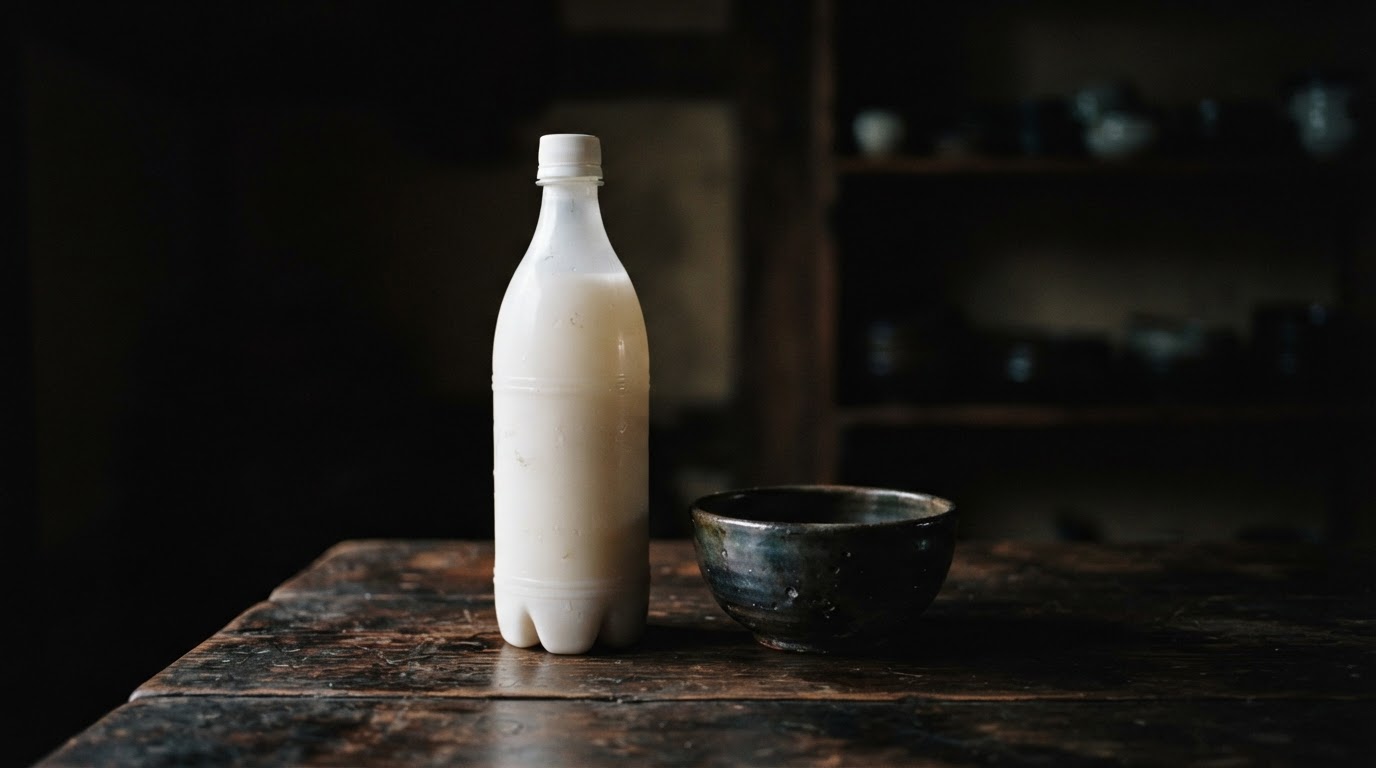
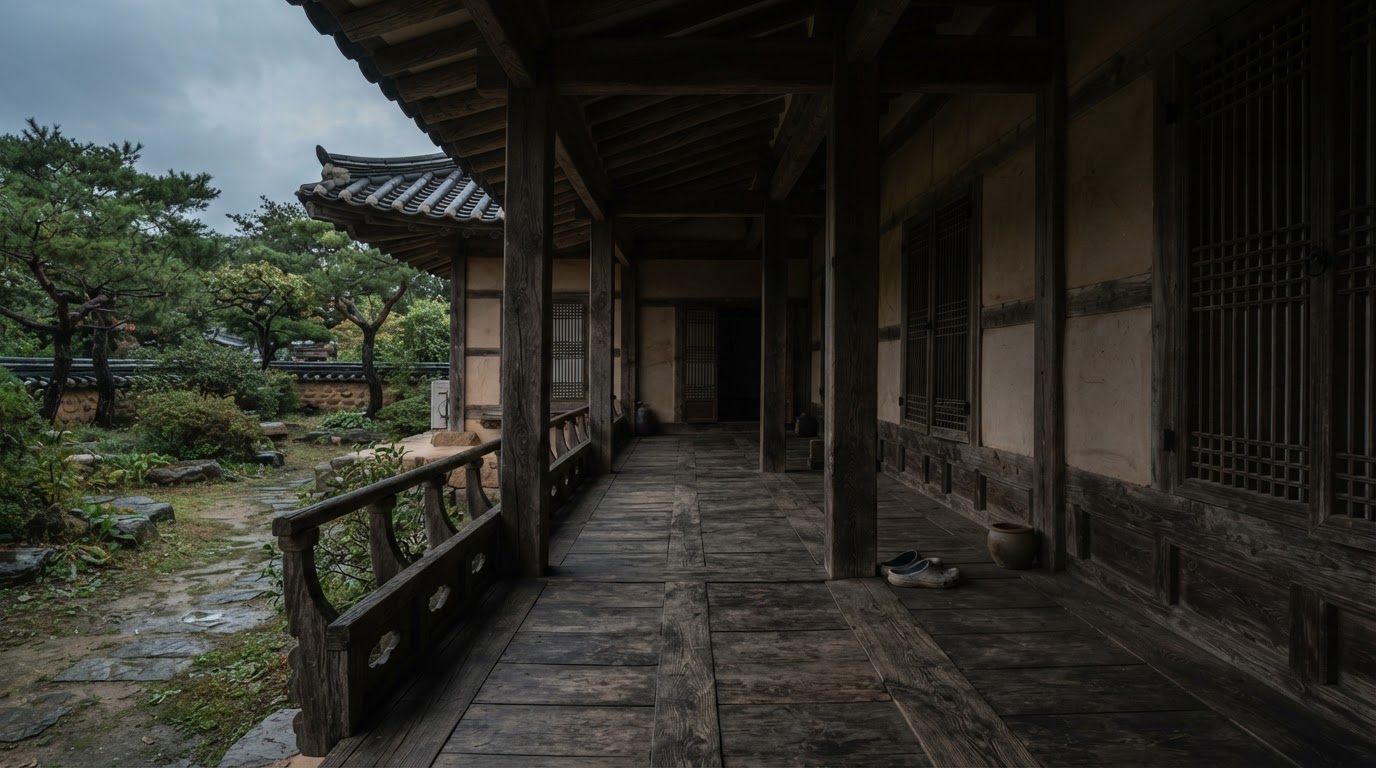
On a summer morning in 2009, in a village in Suncheon, in the south of Korea, neighbors on their way out to work in the fields sat together and poured from a single bottle of makgeolli — the cloudy, milky rice wine of the Korean countryside. In a farming village, a morning cup before heading into the fields was nothing unusual. And so the day began, like any other summer morning. But inside that bottle was something that should never have been there.
I am K. Woo, and the files behind these articles are mine to keep in order. This one I have had to reorganise twice, because in October 2025 the entire shape of it inverted. For years the folder was catalogued under a solved crime. Now the names in it are the names of people the state was wrong about, and the section that should hold a perpetrator holds nothing at all. Very few of my files have ever had to be rewritten backwards like that.
July 2009, a Summer Morning in Suncheon
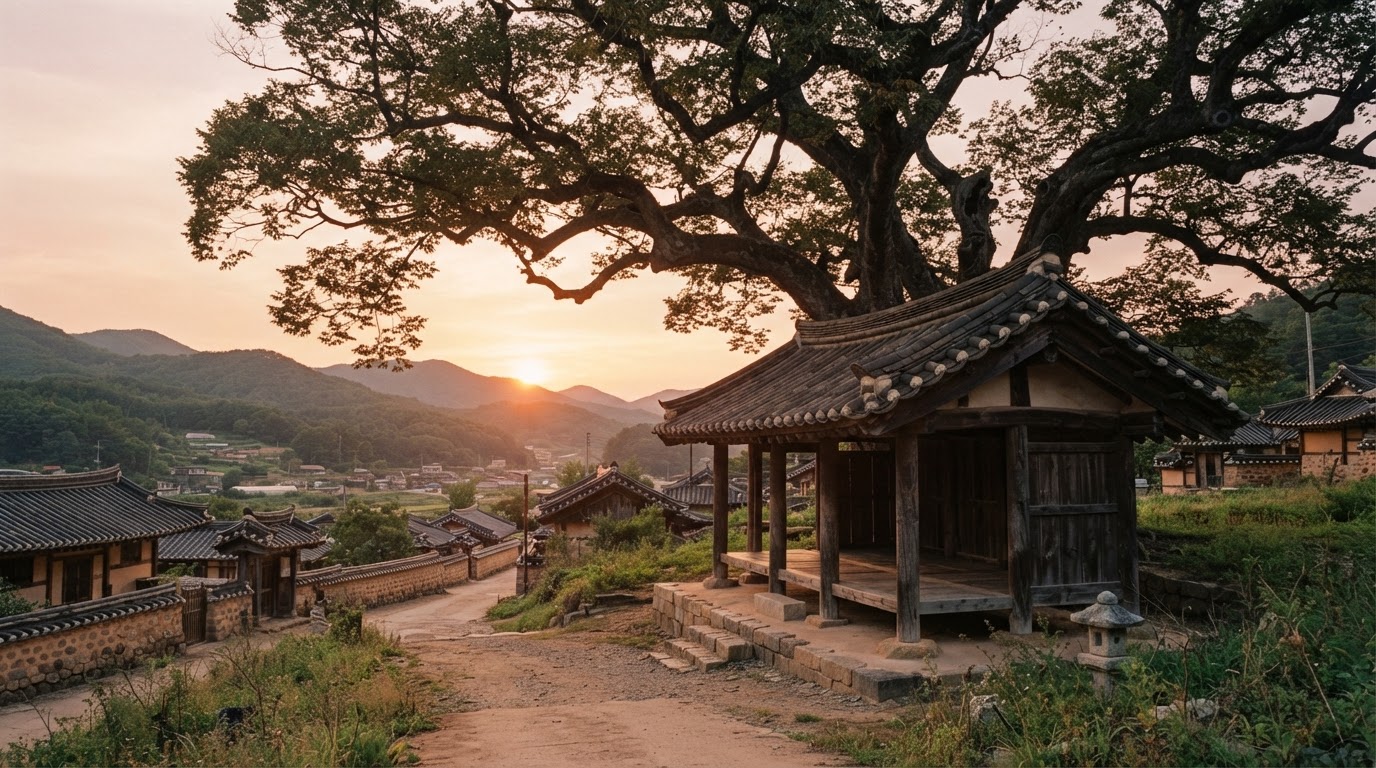
On July 6, 2009, in a village in Hwangjeon-myeon, Suncheon, South Jeolla Province, cyanide was found in makgeolli that neighbors had shared and drunk together.
Cyanide is a poison that can kill in the smallest amount. How it came to be inside that bottle is the first question of this case — and, sixteen years later, still the last. Of those who drank from it, two people died and two were left in critical condition. Among the dead was the wife of a man who would soon, in this story, be named a suspect.
It was a small village. The kind of place where everyone knew everyone else's name and face, where people had lived their whole lives with only a low wall between one house and the next. In such a place, two neighbors drank poison and died. The whole village was shaken, and pressure poured down on the police to find the culprit fast. And that pressure turned toward the household closest to the dead.
The Investigation Turns Toward One House
The investigation soon focused on two people from that house: a father and his daughter.
A man who had lost his wife, and his daughter. In naming them as suspects, investigators pointed to family circumstances that could be framed as a "motive." We will not dig into those private matters here. What the court would later make clear is precisely this: that the "motive" was not supported by objective evidence. Vague conjecture, circumstance, and a presumption — "these people must have done it" — and the investigation set out from that presumption, moving in the direction of confirming it.
This shape is not unfamiliar to us. In cases short on physical evidence, when an investigation first fixes on the easiest target and then begins to fit the case around that person, the search for truth is pushed aside. And the "easiest target" is, more often than not, the person least able to defend themselves.
In this case, the person placed in that position was a daughter with borderline intellectual functioning.
Evidence by the Name of Confession
The daughter had borderline intellectual functioning, with an IQ measured at 74. And her statement became the central piece of evidence that sent the father and daughter to prison.
A confession is powerful. There seems to be no evidence more certain than a person saying, in their own words, "I did it." But it is precisely that power that makes a confession dangerous. When a single confession begins to stand in for missing physical evidence, extracting that confession becomes the goal of the investigation itself. What gets fitted together is no longer the truth, but the person's words bent to match a conclusion already decided.
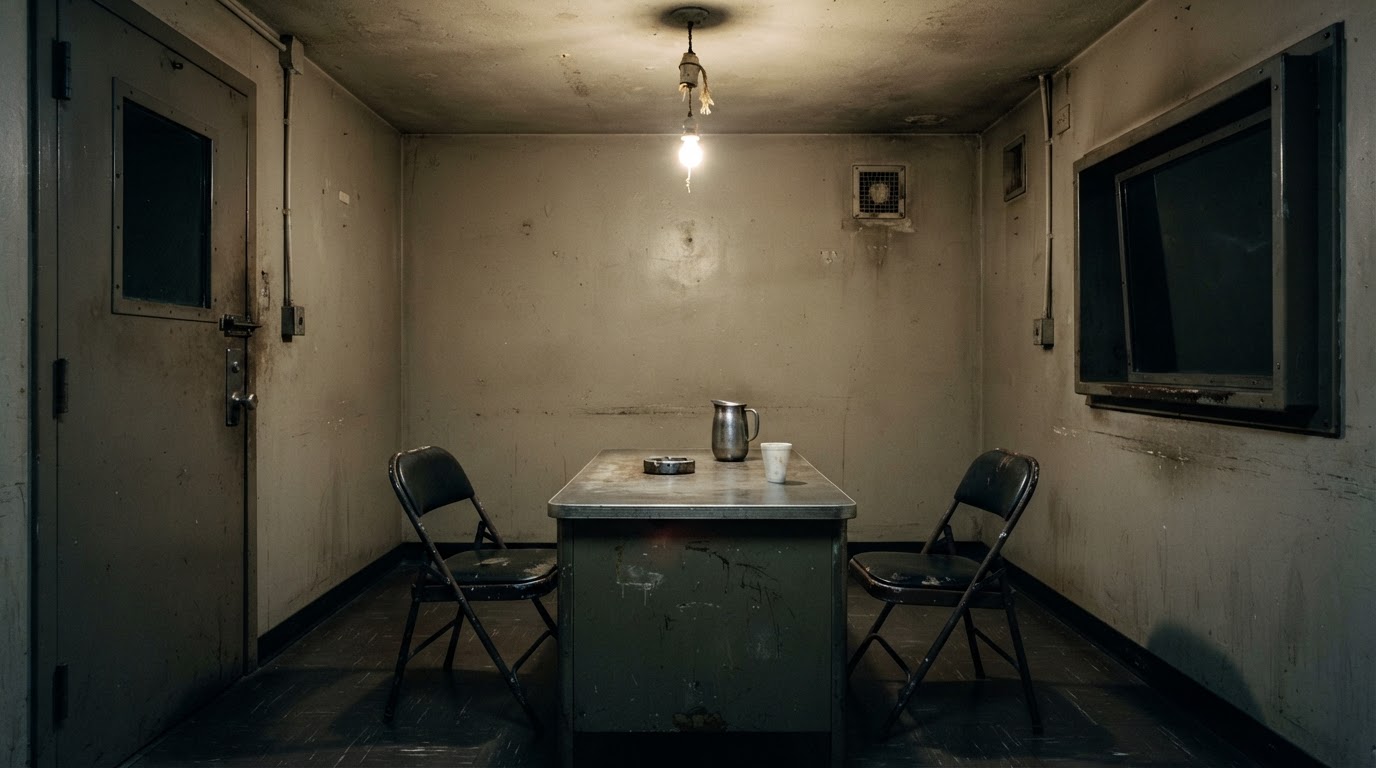
For a person with borderline intellectual functioning, this danger grows beyond comparison. It is harder to fully grasp the intent behind a question, easier to answer in whatever direction the questioning leads, and far harder to resist the categorical statements of uniformed adults. Unable to fully weigh what legal weight her own words would carry, or toward what cliff those words might carry her — the daughter was questioned.
This is exactly the point the court would later single out. The bench found that prosecutors, in questioning the daughter, had failed to properly inform her of her right to remain silent, had questioned and examined her repeatedly while holding a presumption of guilt without objective evidence, and had asked about her supposed motive on the basis of vague conjecture. Proper procedure, in short, was not observed.
The investigation of the father was no different. The court found that his confession had been obtained through leading questions, and that he had been examined for long hours without his right to review the records being guaranteed — without the statements being read to him or confirmed. In time, even the Supreme Prosecutors' Office would acknowledge, of this case, "failure to observe due process, failure to inform of the right to silence, and improper questioning under physical restraint."
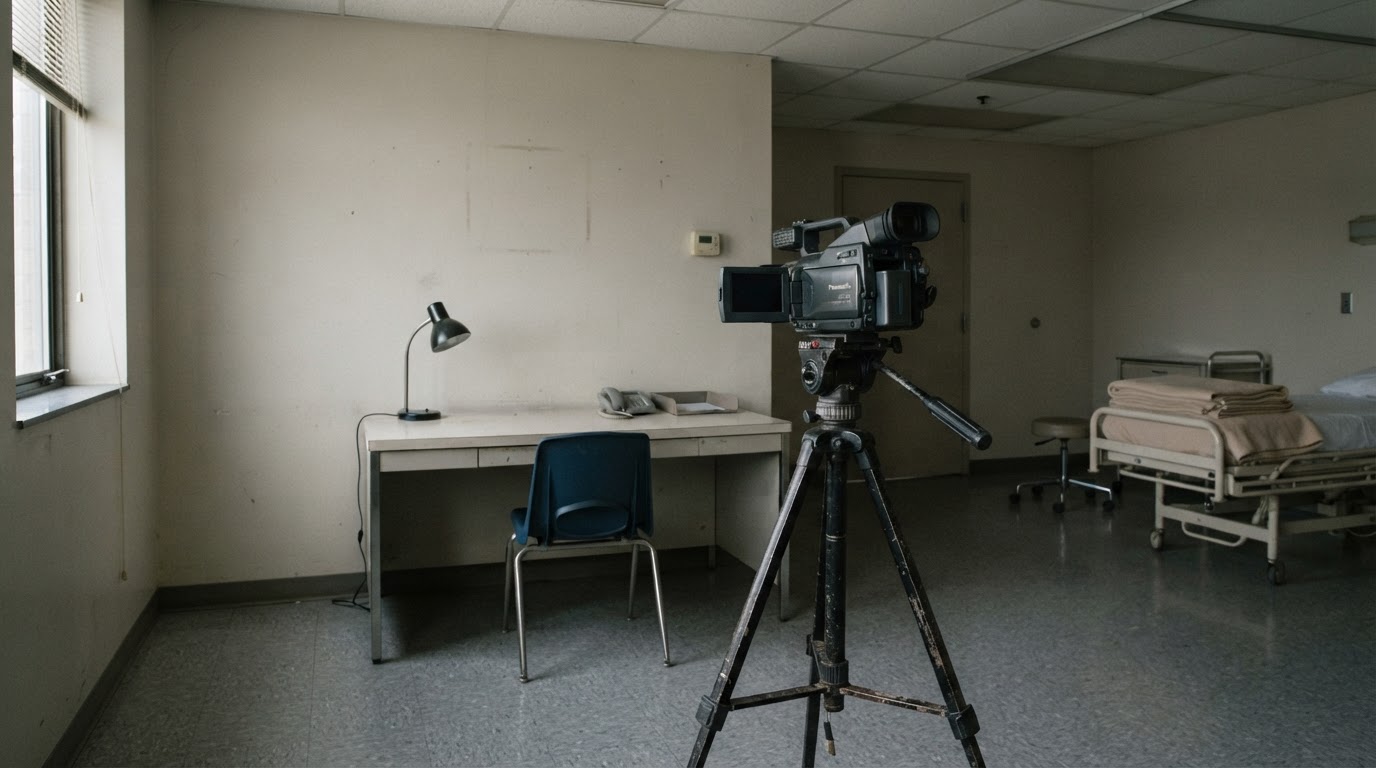
But in Suncheon, in 2009, that confession took the seat of the truth. There was no video recording, no trusted companion sitting in, none of the safeguards that should protect the most vulnerable of suspects, anywhere in that interrogation room.
From Acquittal to Guilt — The Zigzag of the Trials
The trials did not run in one direction. That is the most chilling part of this case.
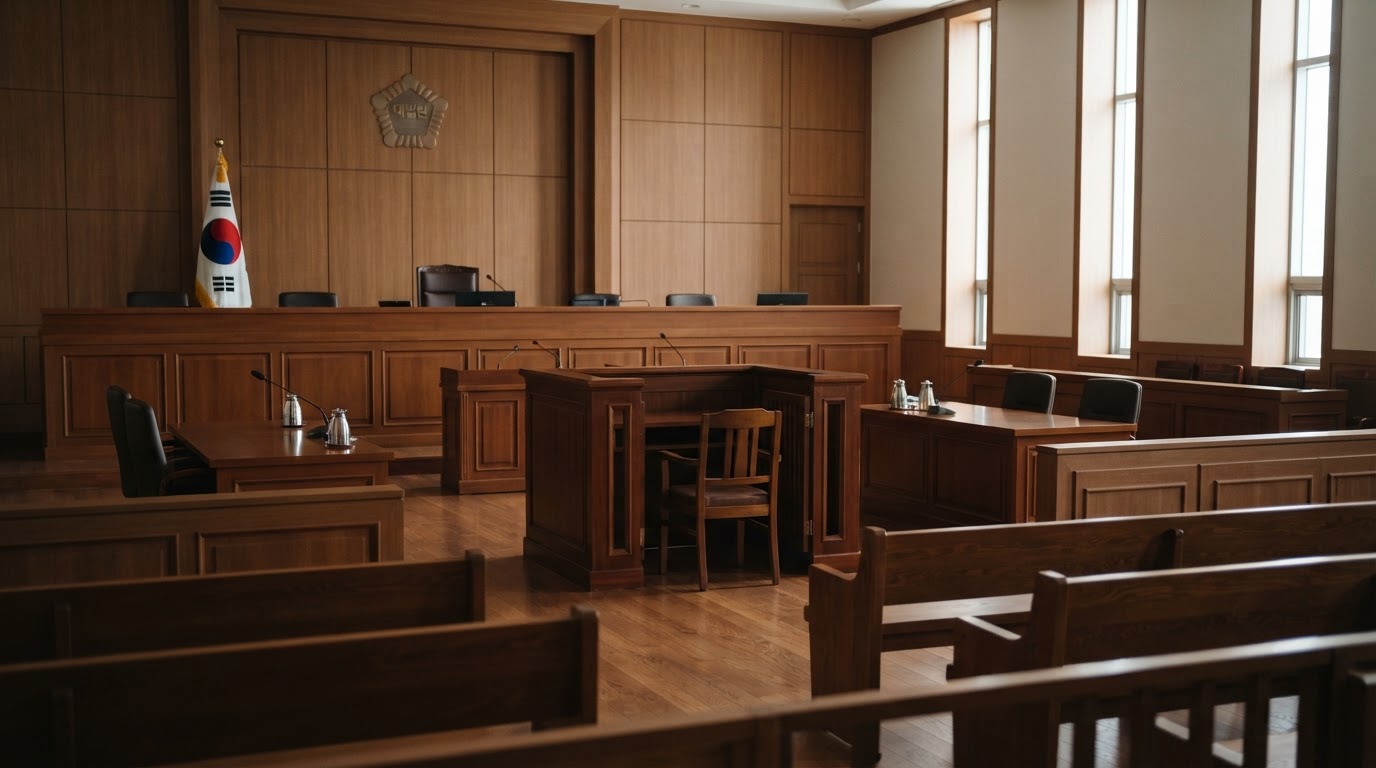
In February 2010, the court of first instance found the father and daughter not guilty. Pointing to problems including the reliability of the statements, it held that guilt could not be established. This was a case that rested not on physical evidence but on confession, and that confession had been cracked from the start. The first court saw the crack.
But the following year, in November 2011, the appellate court overturned that judgment. On appeal, the father and daughter were handed severe sentences — life imprisonment and twenty years, respectively. From acquittal to life imprisonment: opposite conclusions drawn from the same evidence. And in March 2012, the Supreme Court finalized the sentences.
Here we must pause and ask. What was the basis for the guilty verdict, and why was that basis weak? This case had no decisive physical evidence. There was no clear proof that the father and daughter had obtained the cyanide, no direct evidence that they had put the poison in the bottle. What remained was a confession, circumstance, and the conjecture called a "motive." Where the first court had wavered, the appellate court was certain of guilt, and the Supreme Court hardened that certainty into finality. And so, the father and daughter became the killers.
The Years of Confinement
Once the sentences were finalized, the father and daughter went to prison.
The father became a man serving life. The daughter faced twenty years behind bars. A man who had lost his wife was locked away as the culprit of that very death. A daughter with borderline intellectual functioning was locked away, unable even to fully explain why she had to be there.
Time passed. Outside, the seasons turned sixteen times. The father, around sixty when he was first arrested, became a man well past seventy; the daughter passed into middle age. What remained to them was the brand of "murderer" and years that could never be returned.
To swallow injustice and endure it is heavier still for someone who has no language to defend themselves. The world believed the verdict, the verdict believed the confession, and that confession had come from an interrogation whose rules were never kept. Sixteen years built on a first button done up wrong.
The Door of Retrial — The Examination Room Reopened
Reopening a finalized verdict is extraordinarily hard. A retrial is a system that opens its door only when it becomes clear that a concluded trial contained a grave error. New evidence must exist, and the error in the previous judgment must be plain. This is why people say that opening a retrial at all is harder than winning an acquittal within one.
What this case's retrial petition dug into was not the "truth" of the crime, but the way the case had been "made." The door opened not because a new source for the cyanide had been found, but because the very investigation that had cast the father and daughter as culprits had been unlawful from the beginning. Questioning without notice of the right to silence, repeated interrogation under a presumption of guilt, a confession drawn out by leading questions, long hours of examination without the right to review the records guaranteed — the lawfulness of the investigative process itself could not be recognized.
And in the end, that door opened.
Not Guilty, Sixteen Years On
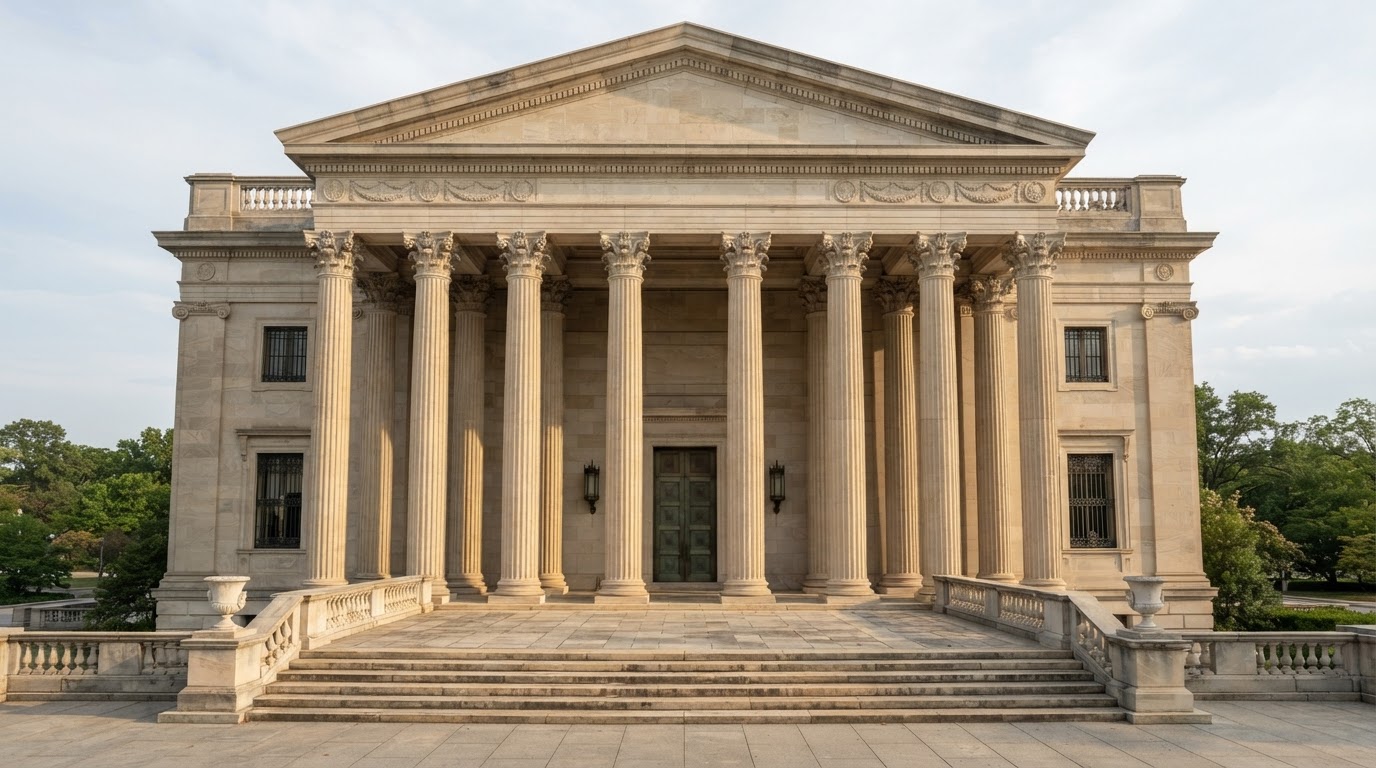
On October 28, 2025, the Second Criminal Division of the Gwangju High Court found the father and daughter not guilty in the retrial.
The bench held that there had been a false confession obtained through coercive investigation by prosecutors. The daughter, with borderline intellectual functioning, had been subjected to repeated questioning based on a presumption of guilt, without even being informed of her right to remain silent; the father had been examined for long hours without his right to review the records being guaranteed; and neither had had their right to a defense properly protected. Above all, there was insufficient objective evidence to establish the charges, including any motive for conspiracy and the timing of the crime. The pillars that had held up the guilty verdict came down, one by one.
On November 4 of that year, the Supreme Prosecutors' Office accepted the court's judgment and chose not to appeal. Prosecutors themselves acknowledged "failure to observe due process, failure to inform of the right to silence, and improper questioning under physical restraint," and expressed remorse, saying they had "failed to protect the fundamental rights of the people." And so, the acquittal of the father and daughter became final.
Sixteen years from 2009, when the crime took place. The father and daughter, once sentenced to life imprisonment and twenty years, held in their hands the two words "not guilty" only after losing irretrievable years of their lives. Justice had come late. But it had not failed to come.
Then, Who?
Here, this case parts from other wrongful-conviction cases. A retrial acquittal says only "it was not them." Beyond that — the question of "then who?" — nothing is set down at all.
In the Samrye Nara Supermarket case, men later suspected of being the true perpetrators eventually came forward and wept. In the Yakchon intersection case, too, the real culprit was revealed, belatedly. But in this Suncheon case, there is no such scene. If the father and daughter are not the killers, then someone else put the cyanide in that bottle of makgeolli — and who that person is, and where the cyanide came from, was never identified.
A small village. Neighbors who knew everything about one another. People with only a low wall between them, who shared a bottle of makgeolli in the mornings. Somewhere within that closed space, someone put poison in that bottle. The retrial lifted the suspicion from the hands of the father and daughter, but it did not create a new place for that suspicion to go. The truth still lies on the porch of that summer morning, beside the empty bottle.
We will name no one anew here. To guess at a culprit would be to build another false accusation right beside people who have only just been cleared of one. The certain facts this case leaves behind are just two. That the father and daughter were not the killers. And that the real killer, sixteen years on, has never been found.
The Culprit the Investigation Made — A Repeating Pattern
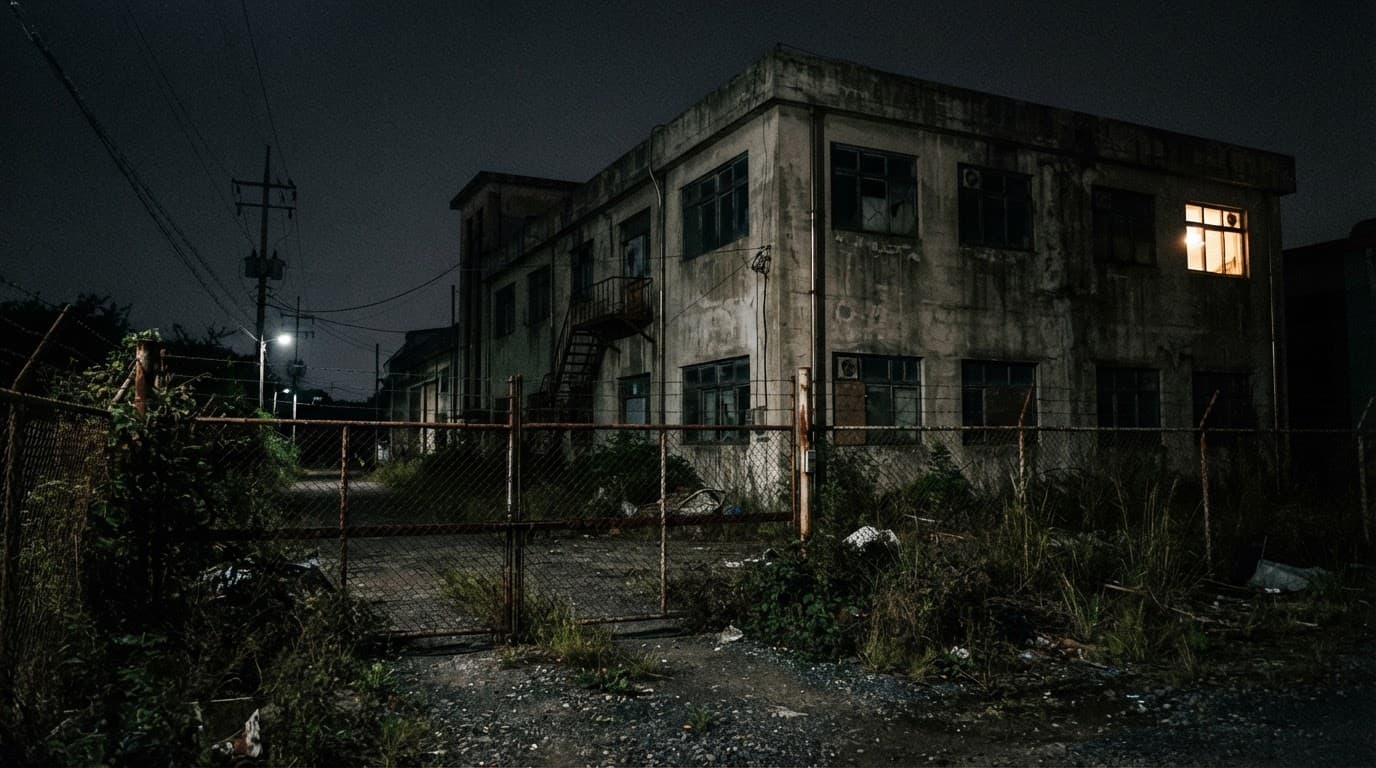
This Suncheon case stands in line with Korea's lineage of retrial acquittals. The Samrye Nara Supermarket case, the Yakchon intersection case, and the Nakdong River murder case — different names, but the pattern that repeats within them is chillingly alike.
The weakest person becomes the easiest culprit. Someone with no language to defend themselves, someone vulnerable to leading questions, someone who shrinks before a uniform. In place of physical evidence, a confession becomes the pillar of the case, and that confession comes from an interrogation whose rules were not kept. A conclusion, once set, defends itself rather than admit error, and the price is paid by an innocent person in prison. And then, years later, only through the narrow door of a retrial, the truth arrives late.
This is the repeating pattern of "the culprit the investigation made." The father and daughter of Suncheon are the most recent name in that lineage. Just as it was young men with intellectual disabilities in Samrye, in Suncheon it was the statement of a daughter with borderline intellectual functioning that became the first button done up wrong. The place where justice fails first has always been before the person with the least power.
What Criminal Justice Learned
The lessons these cases left, at such great cost, did at least lead to changes in the system.
Today, investigative agencies are building out procedures to video-record the questioning of suspects in serious cases, so that what passed between people in an interrogation room can later be verified. Had there been a camcorder switched on in that Suncheon examination room, the repetition of leading questions and presumption might have come to light far sooner.
Protections have also been strengthened requiring a trusted companion to sit in when questioning a person with a disability or difficulty communicating, and requiring special care as to whether a statement was truly voluntary. These cases proved, again and again, how dangerous it is for a person who cannot fully grasp the intent of a question, and who is vulnerable to being led, to face an interrogation alone.
Of course, a changed system does not bring back the sixteen years already lost. But if those years are not to be entirely in vain, the same thing must not happen to the next person. That is the only value a belated acquittal can leave to a society.

The Empty Bottle Remained
The makgeolli bottle was empty. Sixteen years passed. And the place of the person who poured the poison into it has still gone unfilled.
The court said the father and daughter were not the killers. The prosecution acknowledged its fault and bowed its head. Justice arrived, late, and the word "murderer" was erased from their names. But the sixteen summers they let slip away in prison cannot be returned by any verdict. The deaths of the two neighbors who passed away, too, remain without their true cause ever known.
A closed village, a summer morning, one bottle shared among many. What went into it, and why, and by whose hand — we now know only this much: that it was not the father and daughter. The sentence that follows is blank. The retrial emptied out a place that had been wrongly filled, but the work of filling that place again with the truth remains the task this case has left to us.
There is one line of the record I have re-read more than any other, and it is not from the judgment. It is from the first investigation: the observation that the village was small enough that everyone knew everyone's face. Sixteen years ago that sentence was written down to explain why the culprit must have been close to the household. It still explains that. Nothing about the retrial changed the geography of that morning — only who we are permitted to place inside it. Whoever poured that bottle knew which neighbours would drink from it before the fields.
The empty bottle sits on the porch, just as it was. And the one who will sit beside it and pour the next bowl — is not here yet.
---
The images and video in this article are AI-generated works produced to convey the mood of the story, and are not photographs of any actual person or event.
Comments
No comments yet — leave the first one.