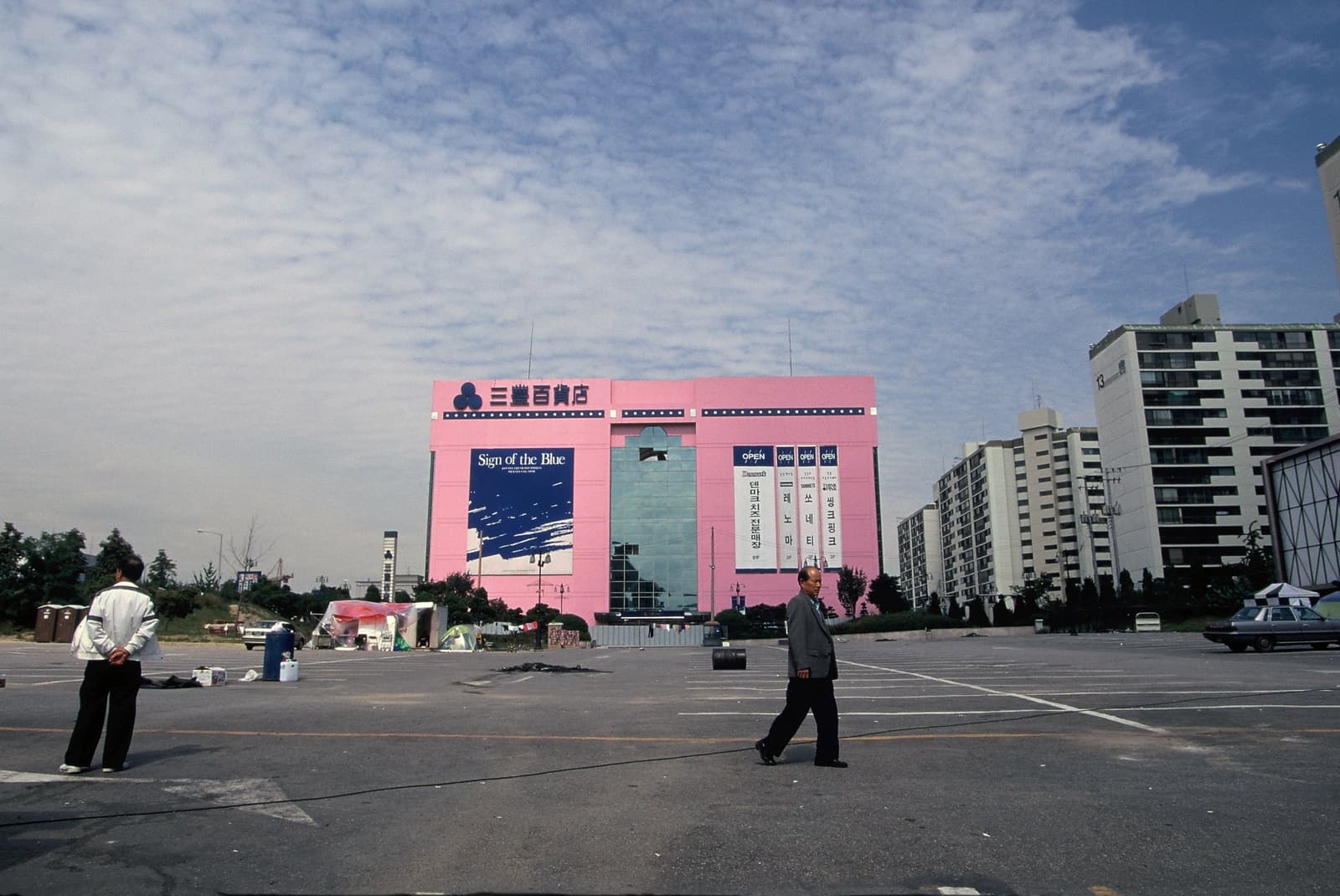
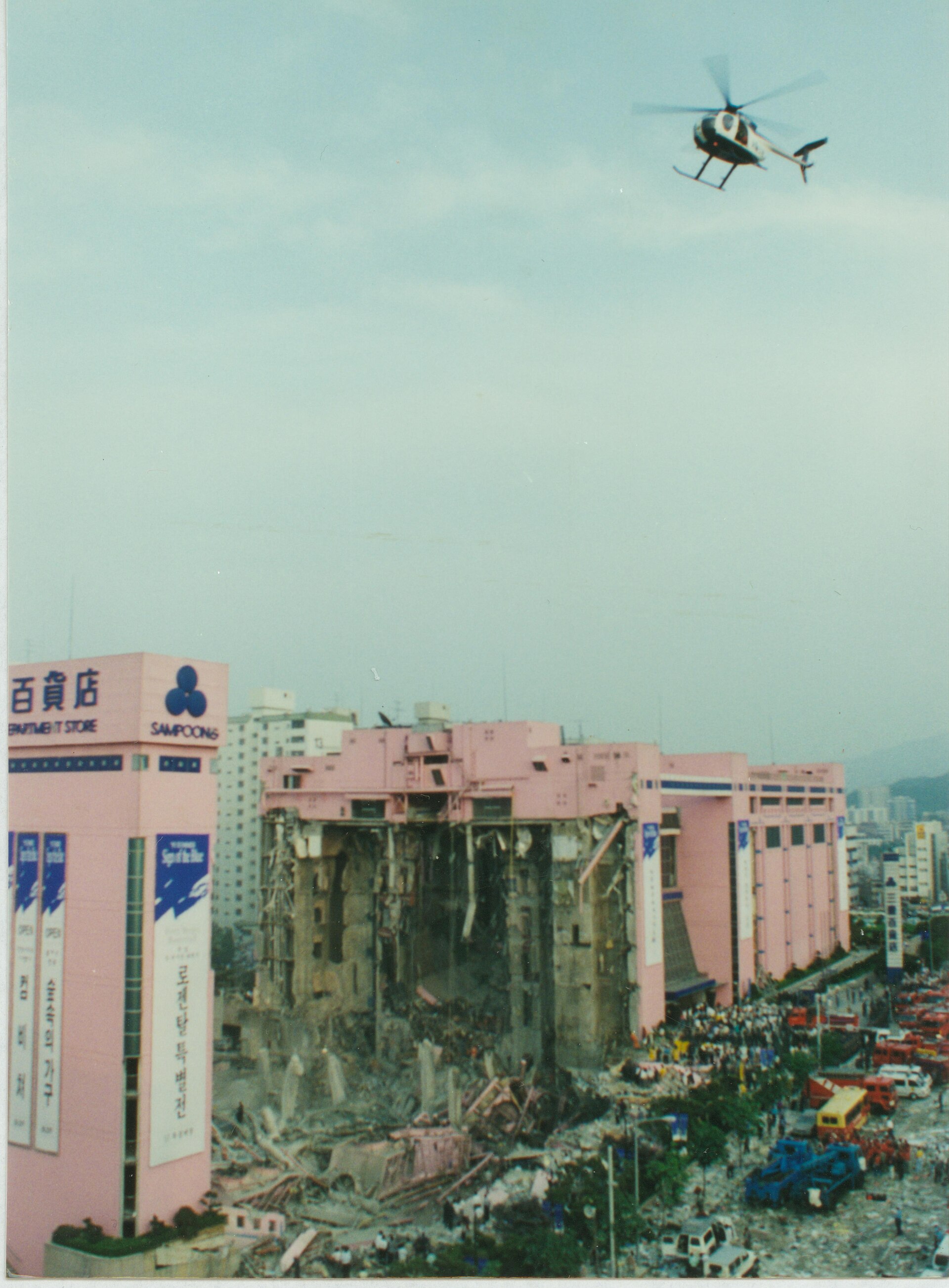
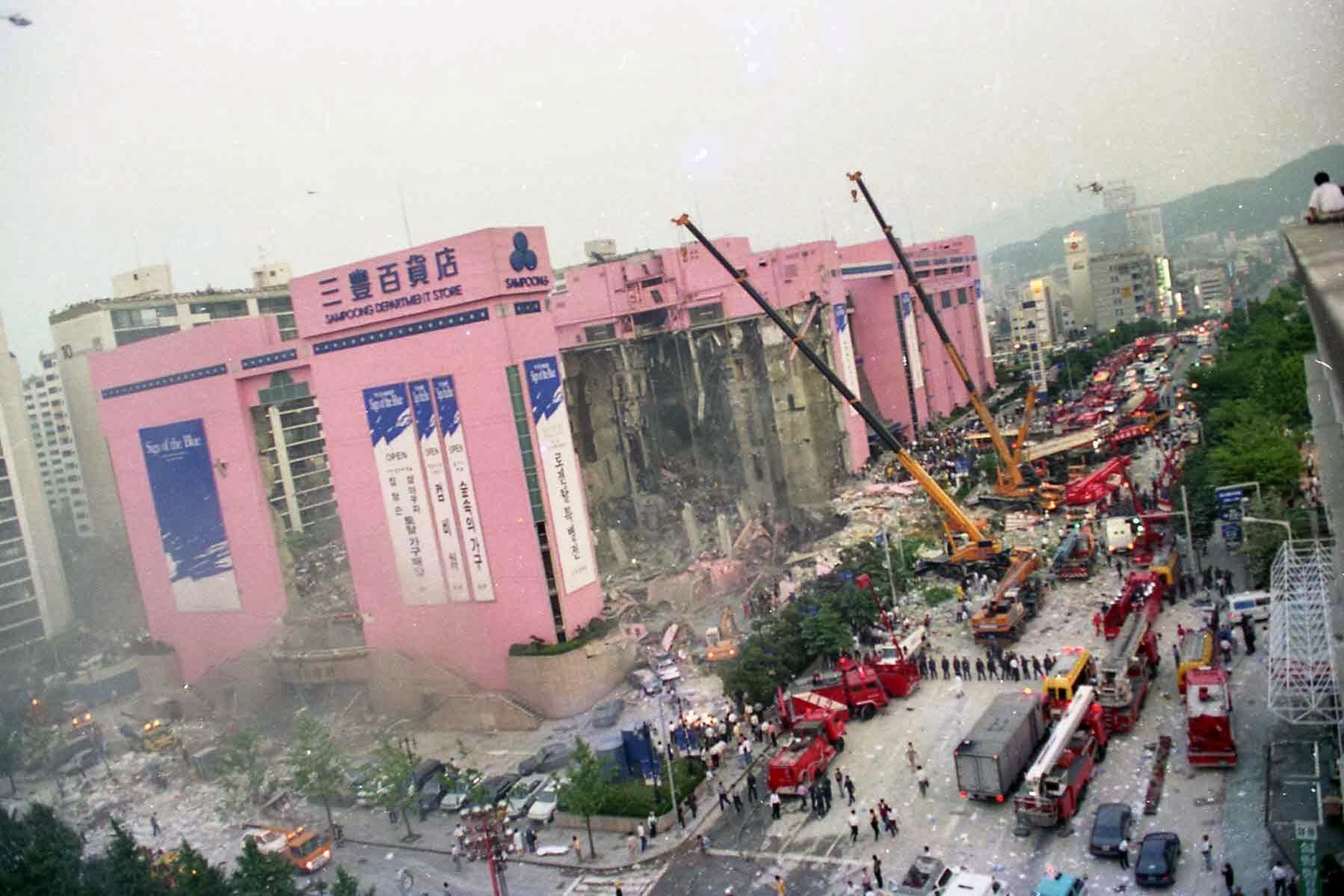
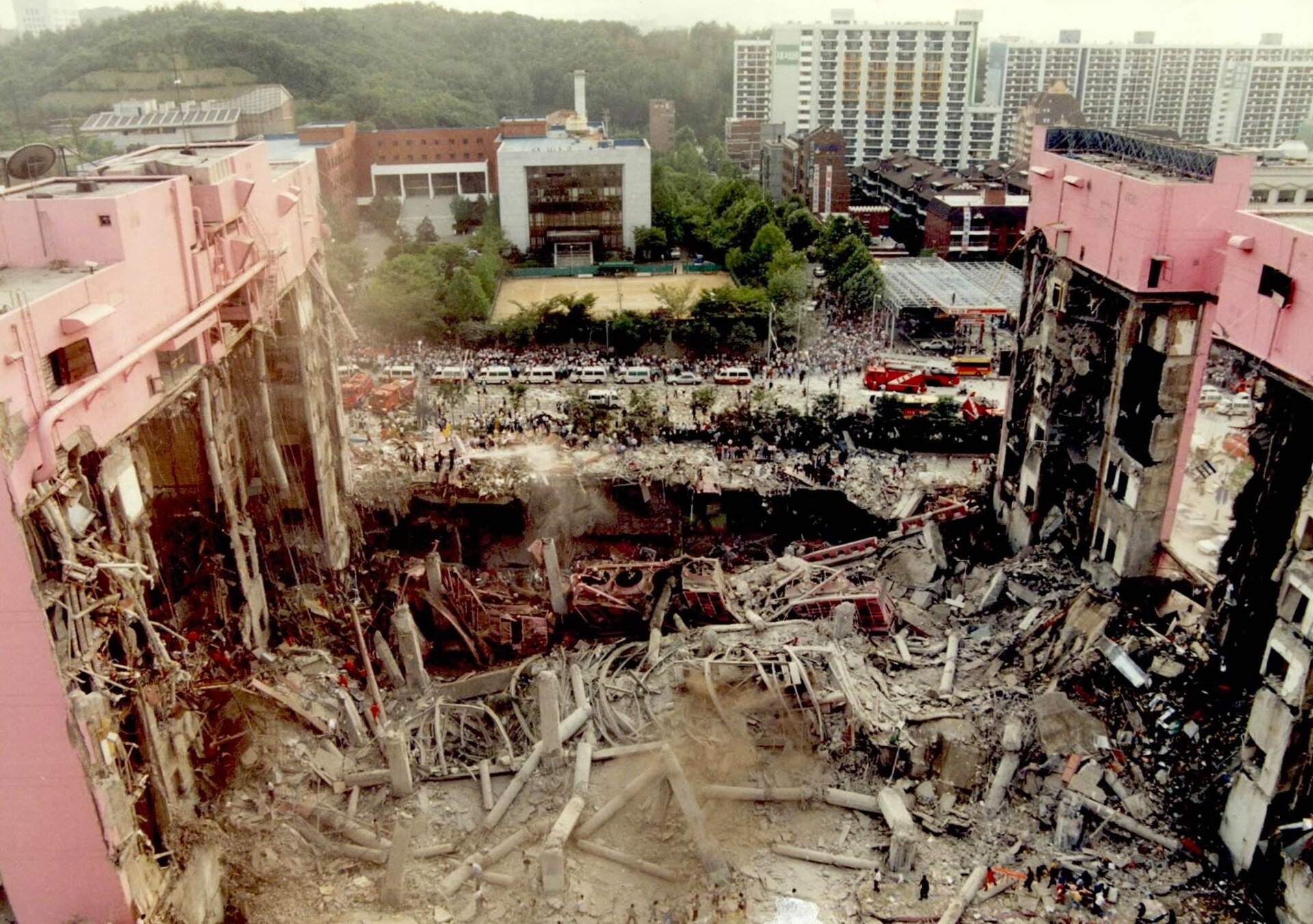
At 5:57 p.m. on June 29, 1995, in the Seocho district of Seoul, a large department store — five floors above ground, four below — came down with a roar. The building took less than twenty seconds to collapse completely. Inside were people who had stopped to shop on their way home from work, employees at their posts, and customers browsing the basement food hall. The final toll was 502 dead and 937 injured; counting the missing, more than 1,400 people were caught beneath the falling concrete in a single instant. It was the deadliest peacetime disaster in South Korea since the Korean War.
But the most chilling thing about this collapse is that it did not happen "all at once." The building had been sending signals for two full months. Ceilings cracked, floors sank, columns split. Engineers warned of the danger, and on the morning of the disaster, the management themselves knew the building stood on the brink of failure. And yet the store's doors never closed. This account does not dwell on the horror of the disaster itself, but traces the many warnings that preceded it — and how, one by one, each was dismissed. It asks not "why did it fall," but "why did no one stop it."
I did not file this one under disasters. In my archive it sits with the cases where somebody had already done the difficult part — the noticing — and it changed nothing. What kept me returning to the paperwork was the April detail: cracks in the ceiling of the fifth-floor restaurant arcade, patched over, and the shops moved downstairs as if the problem were the merchandise. Two months is a long time to watch a building tell you what it is going to do.
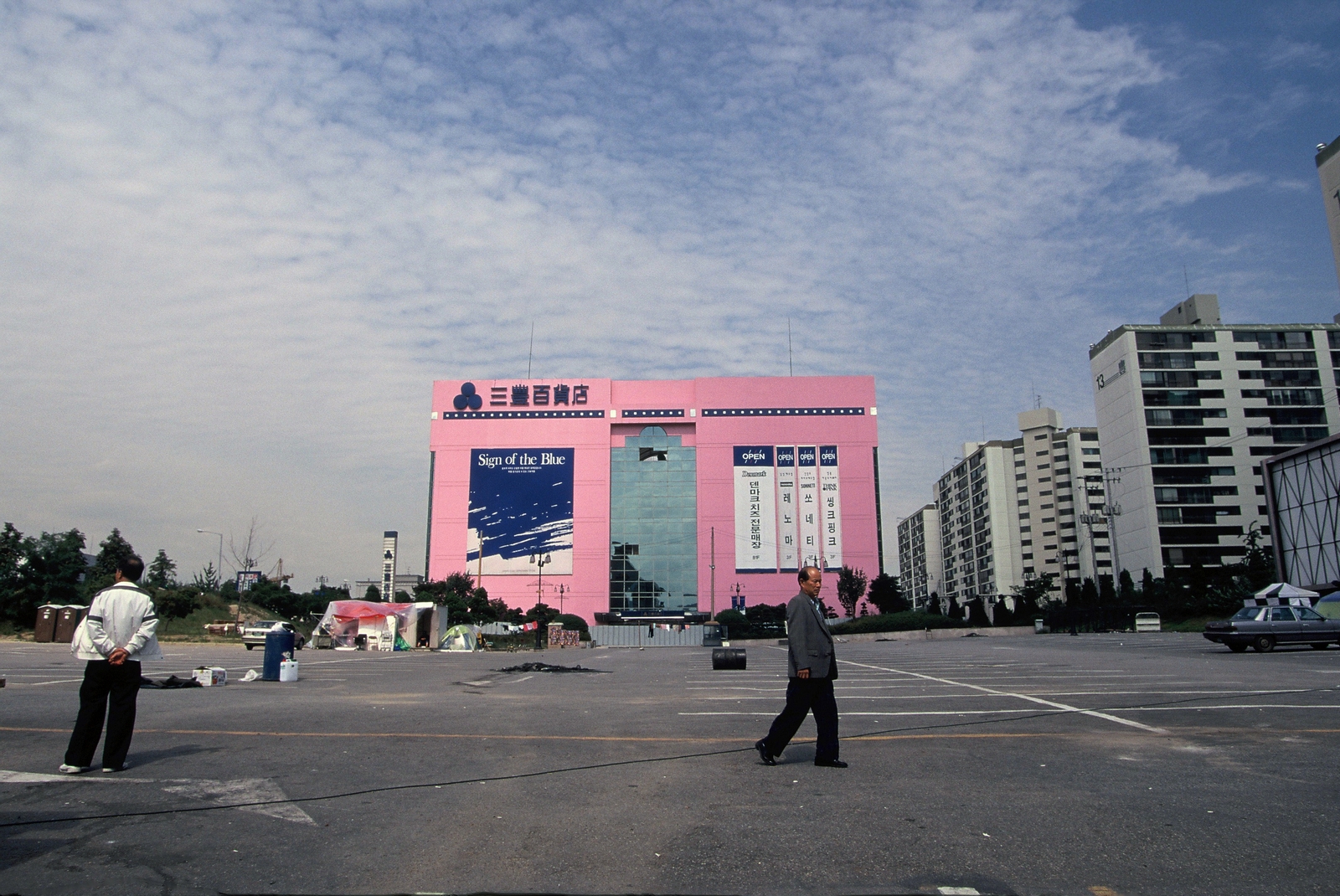
A Building That Was Never Meant to Be a Department Store
Sampoong's problems began before a single brick was laid — on the design drawings themselves. The structure was first designed not as a department store but as a large retail-and-office complex. Its columns, slabs, and load capacities were calculated on the premise of a four-story commercial building. During construction, however, the use was changed to a department store. A department store must bear wide sales floors, heavy display fixtures, and enormous crowds. The moment the plans changed, loads the retail-designed structure had never been calculated to carry began to press down on the building.
Then came another decisive alteration. The building, originally four floors, was raised to five. The added fifth floor was given over to a restaurant arcade — a space far heavier than an ordinary retail floor, because of the thick concrete underfloor heating, the water, and the kitchen equipment. The design change was made without a rigorous structural review, and it was later pointed out that in the drive to widen the sales floors, the number of support columns was reduced or their thickness thinned. With each revision to the drawings, the building took on a little more of the weight it had never been built to hold. And at the very top of that accumulating weight, one more thing was about to be placed — something no one had anticipated.
The Cooling Towers Dragged Across the Roof
No account of the collapse is complete without the air-conditioning cooling towers installed on the roof. In a large building's cooling system, these towers are heavy pieces of equipment in their own right. The problem is that they did not stay where they had first been placed. Citing noise complaints and other reasons, the heavy cooling towers were moved from their original position to another spot on the roof. And rather than being lifted by crane, they were reportedly shifted by rolling them along the surface on rollers, dragged from one place to another.
As tens of tons of equipment were hauled across the slab, the concrete floor beneath took repeated impact and load. It had never been designed to bear that kind of weight and vibration in that place. Analysts concluded that the rooftop slab likely accumulated damage in the process. A structure designed for retail, an illegally added fifth floor, a heavy restaurant arcade, and cooling towers dragged across the roof — Sampoong had been standing for several years under layer upon layer of "unplanned load." Inside the concrete of a store that looked perfectly sound from the outside, the ground was already being prepared for cracks to grow.
Two Months Before — The Ceiling Begins to Crack
The building first cried out plainly two months before the collapse, in the spring of 1995. That April, cracks appeared in the ceiling of the restaurant arcade in the fifth floor's north wing. At first they might have seemed like nothing worth worrying about. But rather than disappearing, the cracks kept multiplying. Then, as May came, the fifth floor itself began to sink. As the floor gave way, the cracks in the columns and ceiling above it widened further. It was the clearest signal a structure can send that it can no longer bear its own weight.
Had the building's condition been honestly diagnosed at this point and business halted, the disaster that followed might never have come. But the response to this signal was not a fundamental one. The cracked areas were given emergency patch repairs, and the merchandise and shops on the failing fifth floor were moved down to lower floors — little more than that. Instead of emptying the building and opening up the structure to inspect it, the choice was made to cover the visible cracks and keep trading. From this moment on, the clock ticking toward collapse was already running fast — yet every evening, the store's lights came on unchanged.
The Morning of the Collapse — They Already Knew
June 29, 1995. That morning, by anyone's reckoning, the building was not in a normal state. The cracks on the fifth floor had grown noticeably overnight, and the sinking of the floor had worsened. As the situation turned serious, management closed off part of the fifth floor where the trouble was concentrated, and shut down the air conditioning that had been causing vibration. In other words, by that morning the management plainly knew the fifth floor was dangerous. They knew, better than anyone, that this was a building no customer should be allowed to enter.
And yet the store opened its doors. Instead of the decision to halt business and evacuate every floor, they sealed off only the dangerous part of the fifth floor and took in customers as usual on the rest. It was a busy day, and closing meant lost revenue. Knowing the danger and closing the doors in the face of that danger are two entirely different things. Management did the former but not the latter. And in the meantime, customers who knew nothing were walking into the store just as on any other day.
The 4 p.m. Meeting — The Final Warning, Dismissed
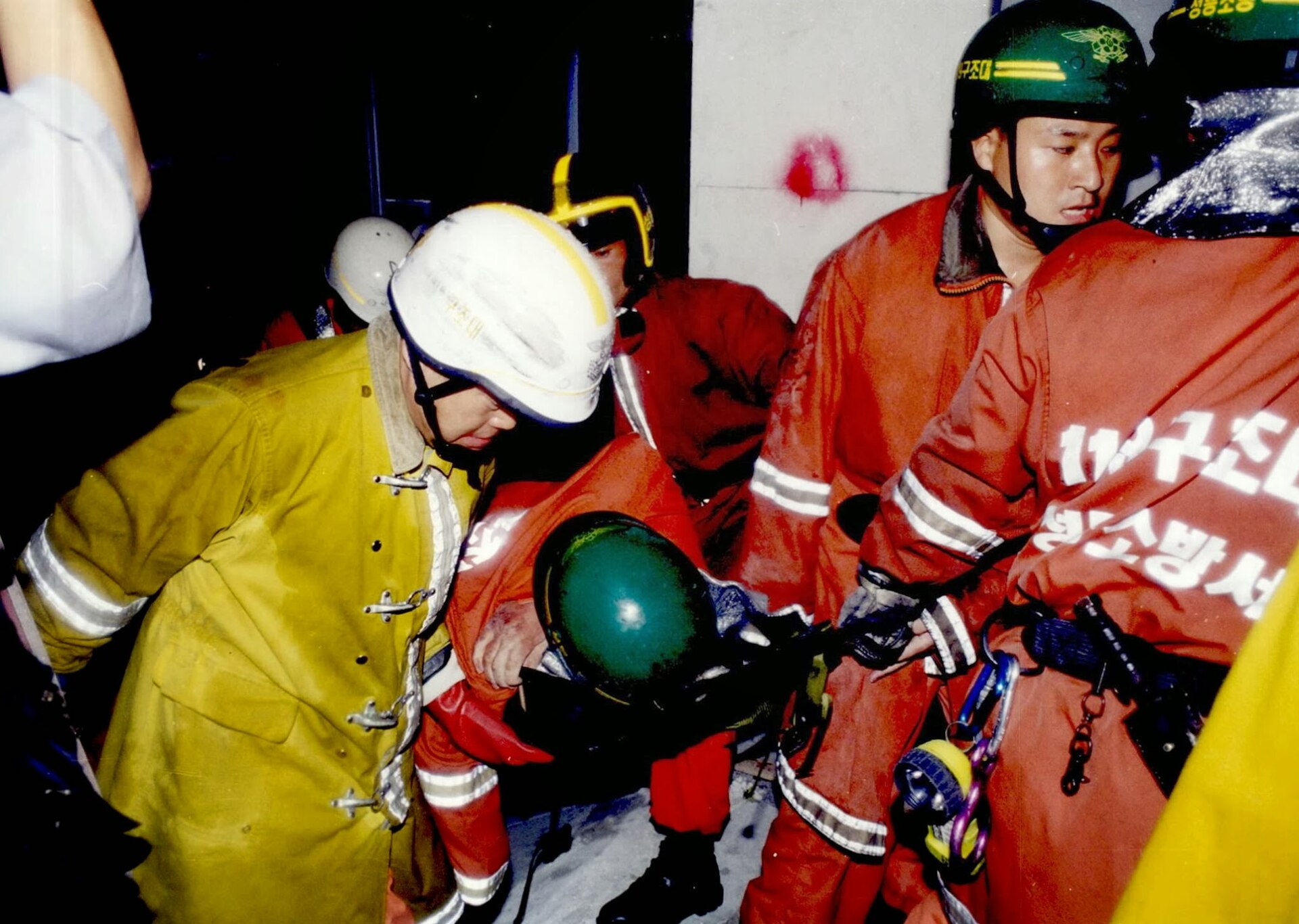
Two hours before the collapse came the decisive moment. Around 4 p.m., an emergency meeting was held with the store's management and its engineering staff. There, the engineers who had inspected the building delivered an extremely dire assessment: the building was on the very verge of collapse, and business had to be stopped and people evacuated immediately. This was the last and clearest of the warnings that two months of cracks and subsidence had built toward.
But the warning was not accepted. The decision was made to keep trading, and the store remained open. By accounts of the case, some of the executives who had been briefed on the danger chose to leave the building themselves — while issuing no evacuation order to the customers and employees still inside. Those who knew the danger got out; those who did not know it stayed. Less than two hours after the meeting ended, at 5:57 p.m., the roof gave way first and the building came crashing down. Twenty seconds. The price of ignoring every warning stacked up over two months was repaid in a twenty-second collapse.
More Than a Building Came Down
The investigation that followed revealed that this disaster was not the mistake of any single person, nor a matter of chance, but the result of failures tightly interwoven from beginning to end. The change of use from retail complex to department store, the illegally added fifth floor, the design change made without rigorous review, the shoddy construction of columns and reinforcing steel, the reckless relocation of the rooftop cooling towers and their excessive load — none of the factors named as causes of the collapse was accidental. And running through all of them was one final failure: the administrative failure that let a dangerous building open its doors as if it were sound.
In the course of the investigation, it emerged that district officials had taken money in connection with the building's design changes and use approvals. Behind a building constructed in a form it never should have taken, and opened in a state it never should have opened in, there were hands that had looked the other way. In court, the store's chief executive was punished on charges including professional negligence resulting in death, and the officials involved on bribery charges. It was only belatedly revealed that not only the concrete had collapsed, but so had every principle that should have been upheld at each stage of building, inspecting, and operating the store.
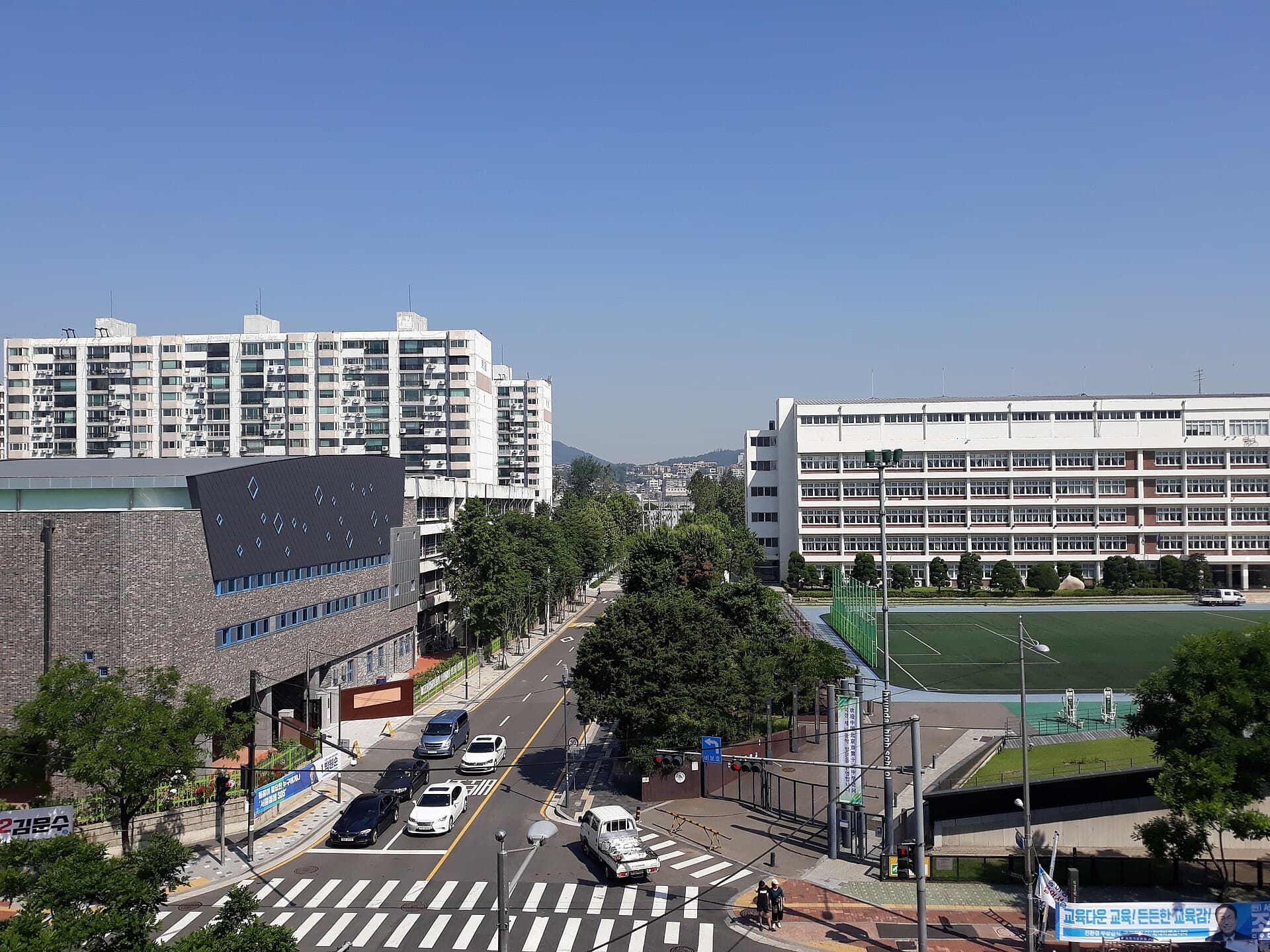
The Sampoong collapse left a deep wound on Korean society and became the catalyst for fundamentally rewriting the country's laws and systems on construction and safety. But the question we can never quite erase from this case is not a technical one. The cracks had been visible for two months; the floor had sunk; the engineers had warned; and even on the morning of the collapse, management knew the danger. The moment to stop came not once but many times over. So why did no one close the doors? Before that question, the emptied ground where Sampoong once stood remains heavy to this day. Because this was not a disaster that arrived without warning — it was a disaster foretold again and again, and never stopped.
Every time I go back through these records I stop at the same two hours. The engineers gave their assessment around four; the roof came down at 5:57. Somewhere in that gap a small number of people walked out of a building they had been told was about to fall, and said nothing to anyone on the floors below. I have cross-referenced the accounts more times than I can justify, looking for a sentence where somebody gives the order. It is not there. What I keep noticing instead is how ordinary the rest of that afternoon looks in the record — tills open, lights on, the escalators running right up to the end.
---
This article uses both real archival and on-site photographs and AI-generated images and video produced to convey the mood of the story.
Comments
No comments yet — leave the first one.