The weakest people became the easiest suspects.
Three young men with intellectual disabilities confessed to a robbery-killing they never committed. And the real perpetrators, even after confessing, walked free. It took seventeen years for the three to be found innocent — but who gives back the time and the dignity they lost? This is the story of how a nation's police and courts can collapse in front of the most powerless people among us.
There is one line in the early reporting that I have never been able to read past cleanly. The surviving family described the intruders as outsiders, men who sounded like they came from the southeast — and the three arrested nine days later had spoken Jeolla dialect their whole lives, in a town small enough that everyone knew whose sons they were. I went looking for the moment somebody weighed that against the confession. In the material I have gathered, no one appears to have weighed it at all.
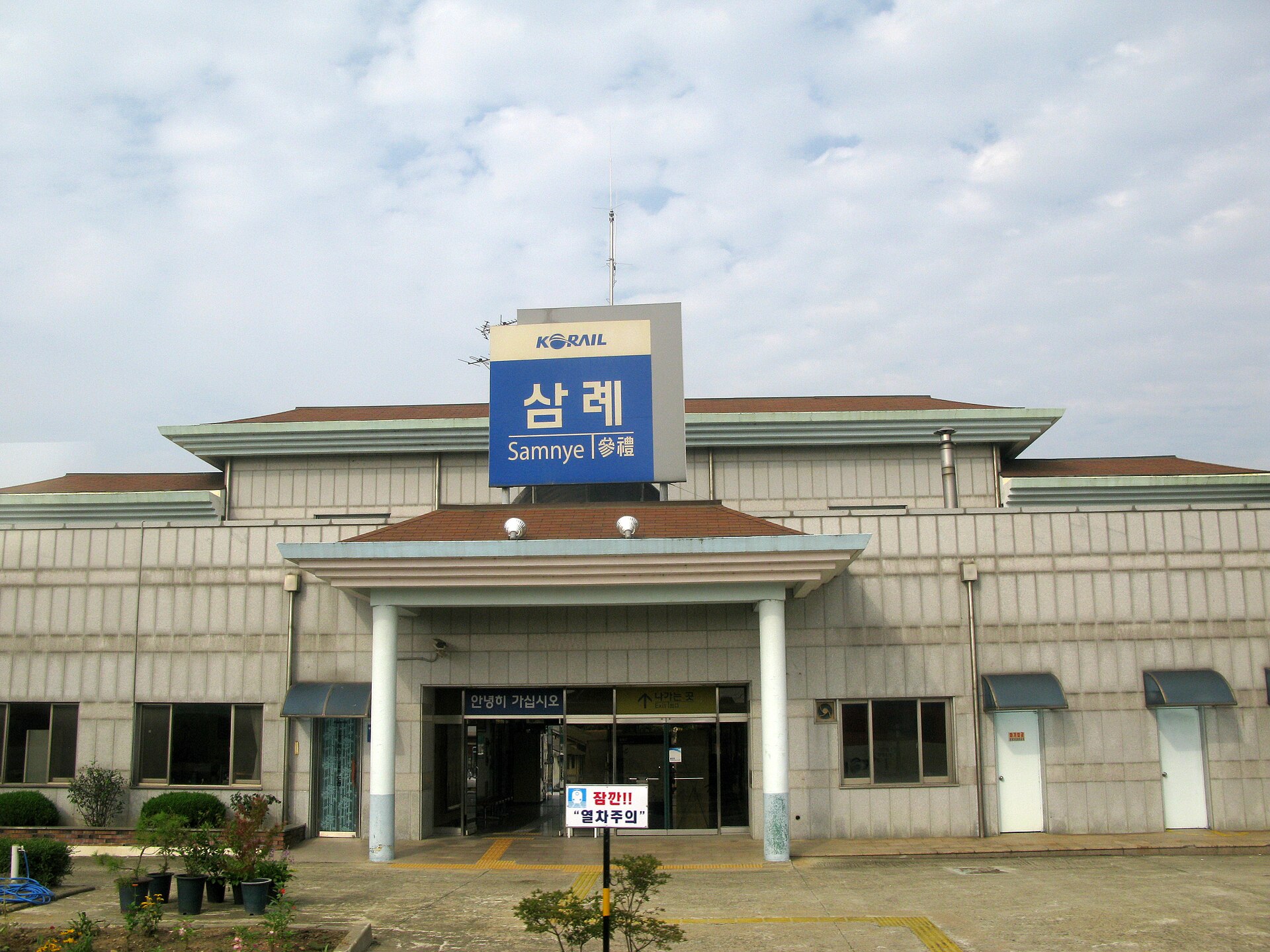
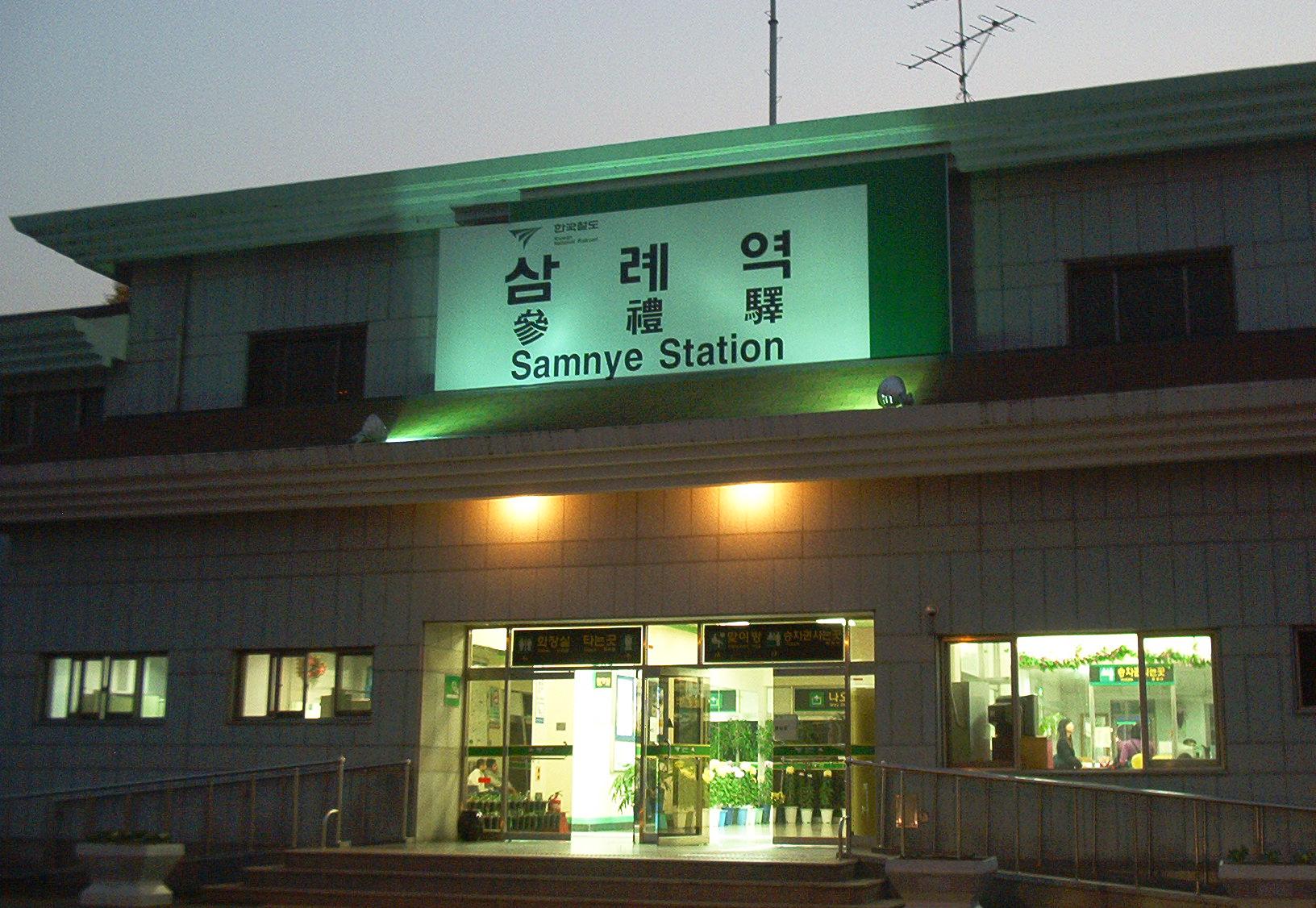
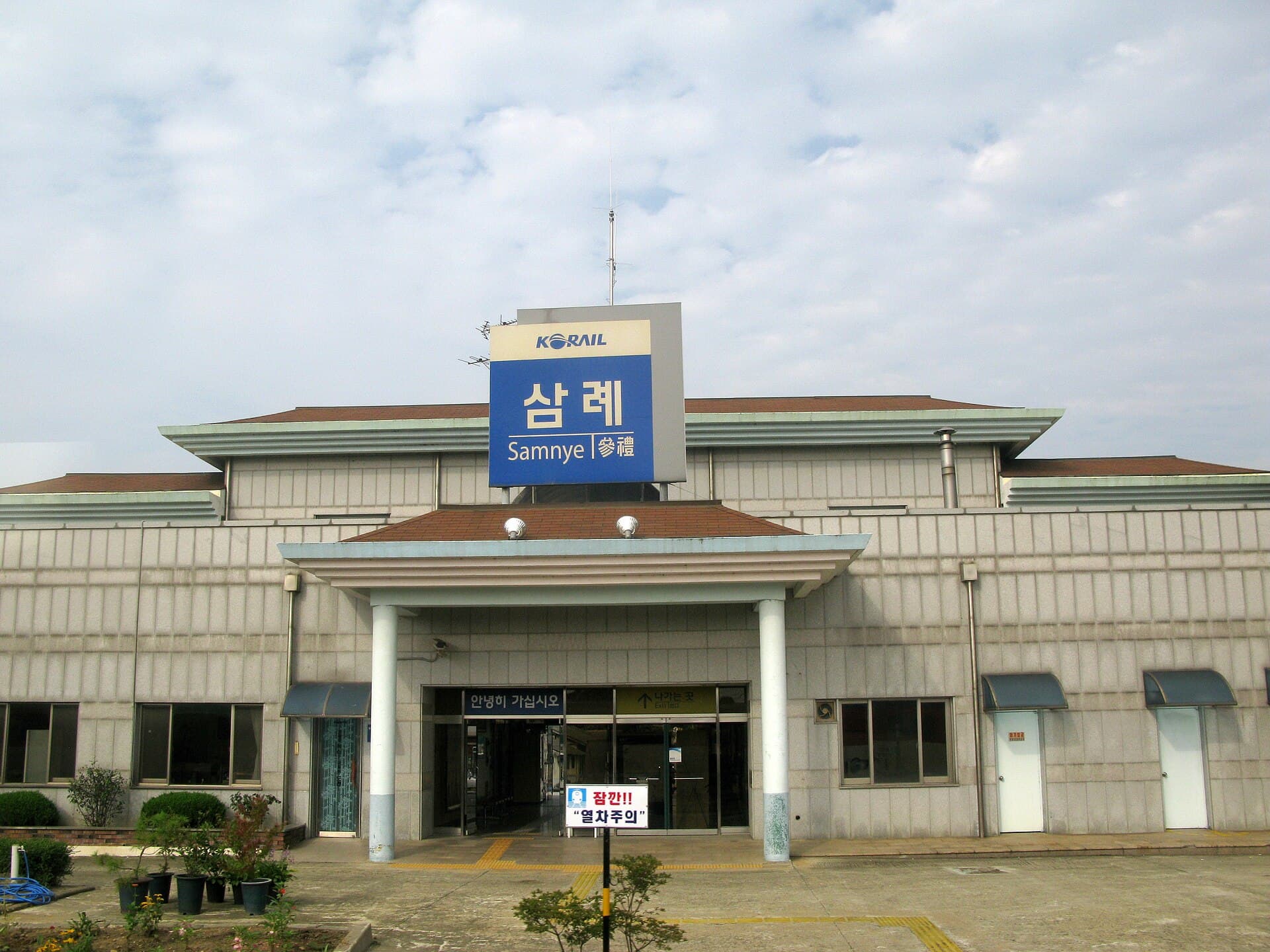
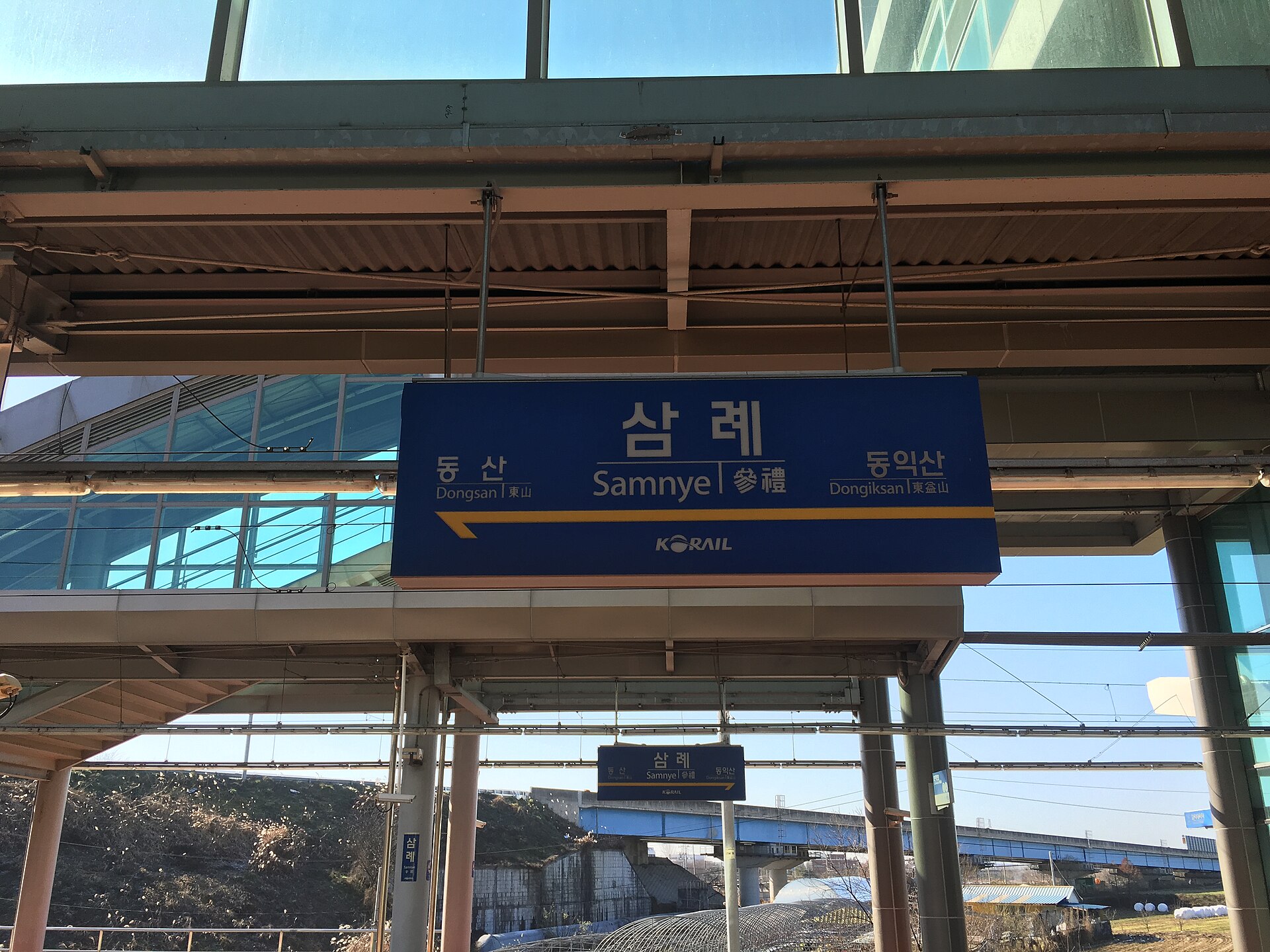
February 1999, dawn in Samrye
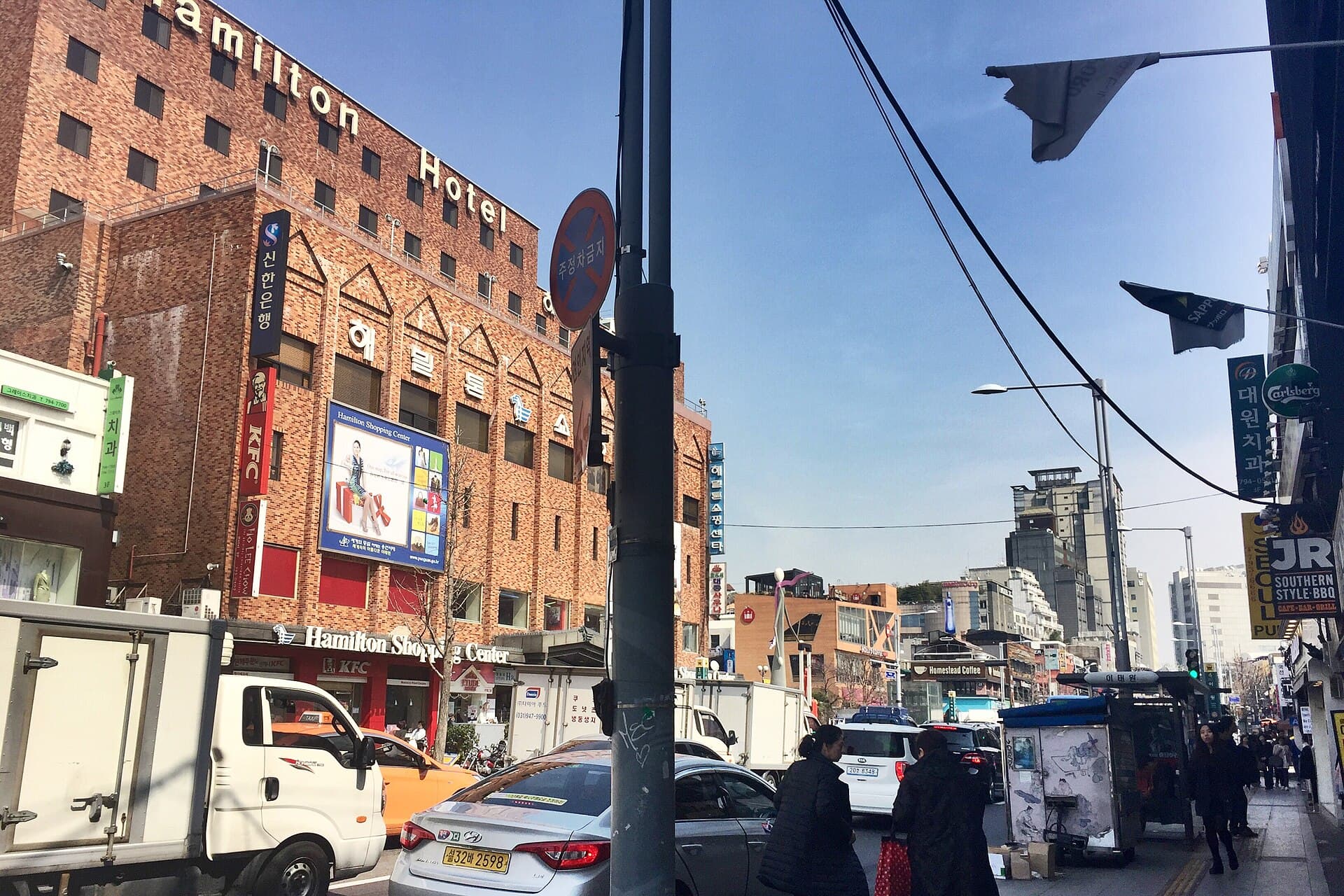
Before dawn on February 6, 1999, three robbers broke into a small neighborhood shop called Nara Supermarket in Samrye, Wanju County, North Jeolla Province.
Samrye was a quiet town near Jeonju. Nara Supermarket was the kind of tiny corner store Koreans call a "hole-in-the-wall" shop, and a married couple lived there together with the wife's elderly mother. That night the robbers overpowered the sleeping family, bound their hands and feet with tape, took cash and valuables, and fled.
In the course of it, the grandmother — a woman in her seventies — died. She is understood to have suffocated when her mouth and nose were obstructed. It was, plainly, a robbery that ended in a death.
A killing in a small town brought intense pressure on the police to find the culprits fast. And that pressure ran off in the wrong direction.
Suspects arrested in nine days
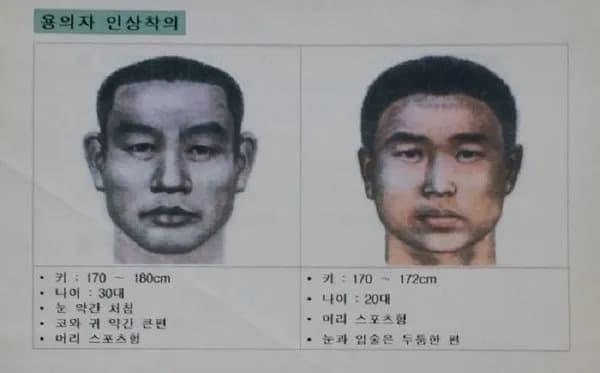
Nine days after the crime, police announced they had caught the culprits.
Those arrested were three local young men, around twenty years old, who lived near Nara Supermarket. They were born and raised in Samrye. At least one of them had an intellectual disability, and all three came from poor families with little schooling.
From the start, something did not add up. The victims described the robbers as outsiders who seemed to speak with a Gyeongsang (southeastern) dialect. But the three young men who were arrested had lived their whole lives in the region and spoke the local Jeolla dialect. Even this decisive mismatch did not turn the investigation around.
The easiest possible targets were being made into culprits — people who were powerless, inarticulate, and unsure how to defend themselves. They were the ones taken in.

The evidence called "confession"
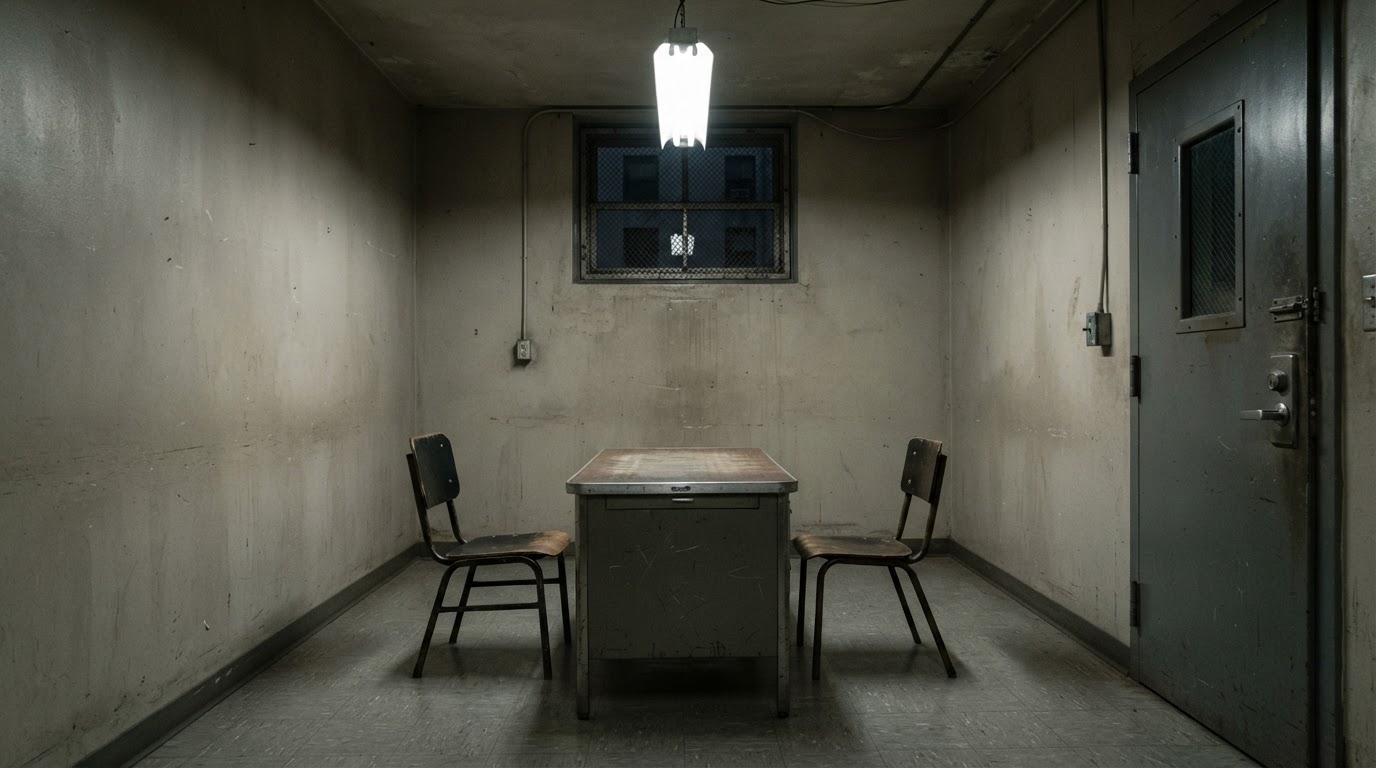
The three young men confessed. And that confession became the single most powerful piece of evidence that sent them to prison.
A confession is powerful. Nothing seems more certain than a person saying, "I did it." But that very power is what makes confessions dangerous. When an investigation with little physical evidence leans entirely on a confession, extracting the confession itself becomes the goal. Instead of finding the truth, investigators bend a person to fit a conclusion already decided.
So why would these men confess to a robbery-killing they had not committed?
According to what later came to light, the interrogation involved beatings, verbal abuse, and coercive questioning. Sessions ran through the night, and the three eventually said "I did it" simply to escape the ordeal. This is precisely the pattern that wrongful-conviction research around the world keeps identifying: under repeated pressure in an isolated room, even an innocent person will confess falsely just to make the immediate suffering stop.
For a person with an intellectual disability, this danger is incomparably greater. Such a person may struggle to fully grasp the intent behind a question, is more easily led into answering the way an interrogator wants, and finds it far harder to resist the categorical assertions of uniformed adults. Barely able to understand what was happening to them or where their statements would lead, the three signed their names to documents that made them murderers.
That people with intellectual disabilities are especially vulnerable during questioning is confirmed again and again in research across many countries today. They tend to defer to authority, are easily swayed by leading questions, and cannot fully weigh the legal consequences of what they are saying. This is why investigators are supposed to follow special safeguards — such as having a trusted companion present during questioning. But in Samrye in 1999, no such protection stood beside them.
If an investigation, instead of seeking the truth, singles out those least able to resist and wrings a confession out of them, that is not investigation — it is violence. And that violence operates most easily against people who lack the language to defend themselves.
Prison terms, and years served
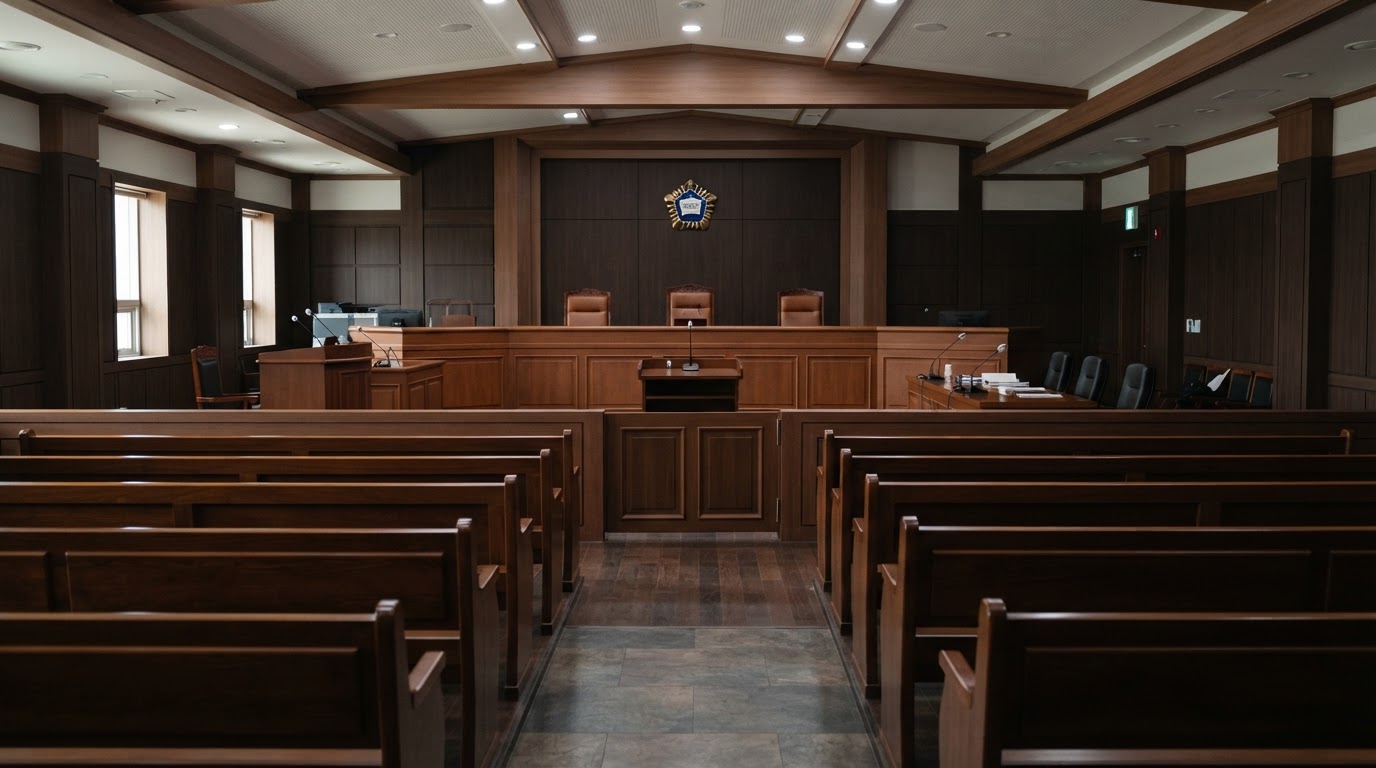
The trial began. The case went all the way to the Supreme Court, but the guilty verdicts were upheld.
The three were sentenced to prison terms ranging from three to six years for the robbery that caused a death, and they served them. Young men barely out of their teens spent the most important years of their lives behind bars as the price of a crime they did not commit.
The number of days each spent in detention, later revealed in criminal-compensation proceedings, shows exactly how much time the three lost. One of them was confined for more than 2,000 days. The others also lost years to prison. What remained to them was a criminal record for a robbery-killing and a youth that could never be returned.
Having no family behind them, being unworldly, lacking the words to defend themselves — all that weakness kept them locked away longer.

The real perpetrators confessed — and walked free
What lifts this case beyond a simple error into something truly harrowing lies elsewhere: there were real perpetrators. And they surfaced that very same year.
In November 1999, while the three young men were being punished, another group of three, under investigation in the Busan area, was identified as the true perpetrators of this robbery-killing. Prosecutors in Busan regarded them as the real culprits in the Samrye case and transferred the matter toward Jeonju. People who may have been the real perpetrators were themselves describing their involvement.
Yet at this decisive juncture, the prosecutor handling the case dismissed the charges against them, citing "low credibility of their statements."
By then the three young men had already been convicted and imprisoned as the culprits. To acknowledge the existence of other, real perpetrators would have meant the investigators and prosecutors admitting that they had locked away innocent people. Critics later argued fiercely that the weight of that admission is what blocked the truth.
I will not pronounce any specific individual guilty here. Stating only what emerged through legal proceedings and press reporting: there were people suspected of being the real perpetrators; the door of investigation toward them was closed once; and the price of that closure was paid, over and over, by three innocent young men in prison.
The retrial — knocking again on a closed door
Years passed. The three finished their sentences and returned to the world, but the brand of "robber-killer" stayed with them. They could not simply swallow the lost years and move on.
A lawyer well known for taking on retrial cases reached out. He was a figure who had cleared the names of the wrongly convicted in a number of retrials. In 2015, a retrial was petitioned for the three men.
A retrial is a system for hearing a case again when a finalized judgment is found to contain a grave error. Because it overturns a verdict already settled, the threshold is extraordinarily high. There must be new evidence, and the error in the original judgment must be clear. People say it is harder to get a retrial opened than to win an acquittal.
The signs of coercive interrogation, the confession that did not add up, the contradiction of the dialect and much else — the crack in a truth that had been sealed shut slowly began to widen again.


The night before the retrial, the real perpetrator came forward
As the retrial approached, something unexpected happened.
One of those who had once been identified as a real perpetrator and then released for lack of charges came forward on his own. He acknowledged that he had been involved in the case and admitted he had been tormented by guilt for years. Telling the truth, even late, was — he said — the only way to honor the three innocent young men who had been imprisoned in his place, and the grandmother who had died.
A man who may have been an actual perpetrator wept before the fact that innocent people had done his prison time for him. No scene lays bare the machinery of a wrongful conviction more painfully than this.
But too much time had already passed. Because of various legal circumstances tied to how long ago the crime occurred, the path to putting the real perpetrator back before a court was far from smooth. The truth had finally shown its face, but that truth did not immediately translate into punishment.
Acquittal, 17 years later
On October 28, 2016, the court acquitted all three men at their retrial. On November 4 that year, prosecutors dropped their appeal, and the acquittals became final.
Seventeen years after the crime of 1999. Young men who had been around twenty were, by then, entering middle age when they finally held the two words: "not guilty." The court found their confessions lacked credibility and that there was no evidence to convict them.
It was justice that came late. But it was not justice that never came.

The state's compensation, and a belated apology
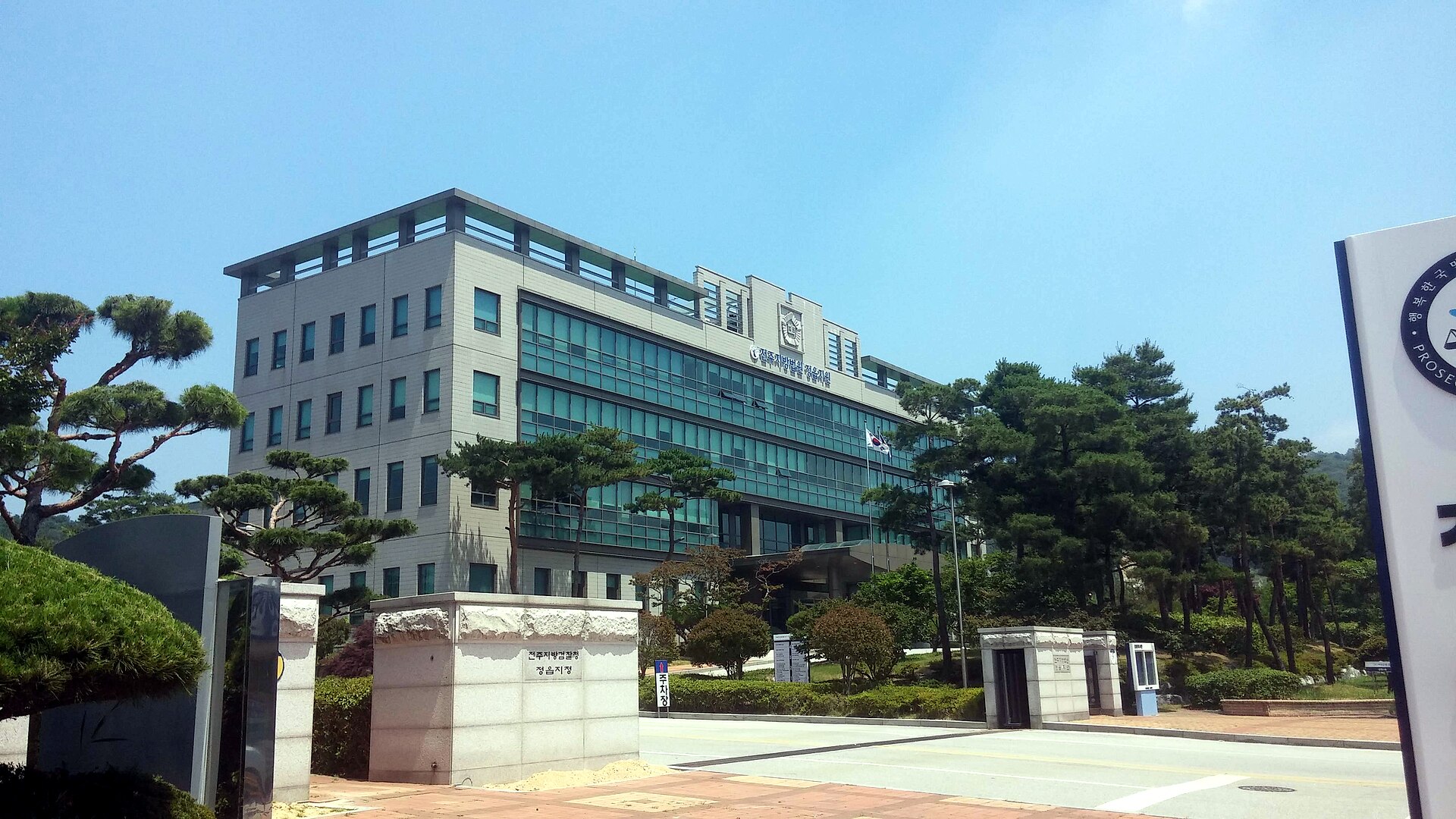
After the acquittals became final, the three men and their families filed lawsuits for damages against the state and the prosecutor who had handled the case, arguing they had suffered irreparable harm from an unlawful investigation and a wrongful conviction.
The courts recognized the state's liability. Both the first-instance and appellate courts sided with the victims, and the state was ordered to pay them some 1.5 billion won in damages. The bench, it was reported, expressed the hope that the case would become "an occasion to reflect once more on what the proper role of a prosecutor is."
And in 2022, twenty-three years after the crime, the man who had been the lead prosecutor on the case finally stood before the three men and the victims' family. He admitted his fault and apologized, saying he seemed to have "prejudged the case based on their past records and their confession." The three men and their family are said to have forgiven him.
But no amount of compensation, no apology, can give back the young years these men lost in prison. A sum of money is only a token that the state has acknowledged its wrong. Lost time can never be assigned a price in the first place.

Why we must remember this case
The Samrye Nara Supermarket case is recorded, alongside the Iksan Yakchon Intersection case, as one of South Korea's defining wrongful-conviction and retrial cases. The two are eerily alike: a powerless person driven into an easy suspect, sent to prison on the strength of a confession, and the refusal to admit error even when a real perpetrator was out there.
But the Samrye case carries a heavier question. The three who were arrested were among the most vulnerable people in society — men with intellectual disabilities.
When investigators, instead of seeking the truth, target those least able to resist, the justice system collapses first in front of the weakest. People with no language to defend themselves, people vulnerable to leading questions, people who shrink before a uniform — they became the easiest suspects.
One thing remains at the end of this story. The three were, in the end, found innocent, and the state admitted its wrong and bowed its head. The truth came seventeen years late, but it did come. Yet the time and the dignity they lost, no one could ever return. The reason we must remember this case lies precisely in that irreversibility.
When I closed this file the last time, the number I could not put down was 1999 — the same year. November of the same year, while three young men were serving sentences, other men were describing this robbery to prosecutors in Busan and being sent away as insufficiently credible. Seventeen years of paperwork sits between that dismissal and the acquittal, and I have read most of it now. None of it explains why the door was easier to close than to open. I keep the file where I can reach it, though I am no longer sure what I expect to find on the next pass.

---
This article uses both real archival and on-site photographs and AI-generated images and video produced to convey the mood of the story.


Comments
No comments yet — leave the first one.