On the morning of June 12, 2014, a call came in from a plum orchard in Hakgu-ri, Seomyeon, in the city of Suncheon, in South Korea's South Jeolla Province. The owner of the orchard had found the body of a man, so badly decomposed that his features could scarcely be made out. On the threshold of summer, in a field turning deep green, what had been found was a corpse whose head had already skeletonized. At first the body was processed as nothing more than an unidentified corpse. Then, forty days later, the National Forensic Service announced that this body belonged to a man the entire country had spent the spring hunting — Yoo Byung-eun, named as the de facto owner of the company that owned the ferry, and a fugitive from investigators. The announcement did not close the case so much as open a new set of questions. How had the body skeletonized so fast, before summer had even arrived? Why had confirming the fingerprints and DNA taken so long? This is the story of the questions forensic science could not answer around a single body.
I keep this one filed under forensics rather than under the man, and I would ask that it be read that way. What drew me in was a calendar exercise: laying the discovery date of June 12 beside the announcement in late July and marking what happens in between. For nearly six weeks, the most searched-for body in the country is in official custody, correctly logged, correctly examined, and simply labelled unidentified. Every individual step in that sequence is defensible. I have rebuilt the timeline several times hoping it would look less strange, and it does not.
The Body Found in the Orchard
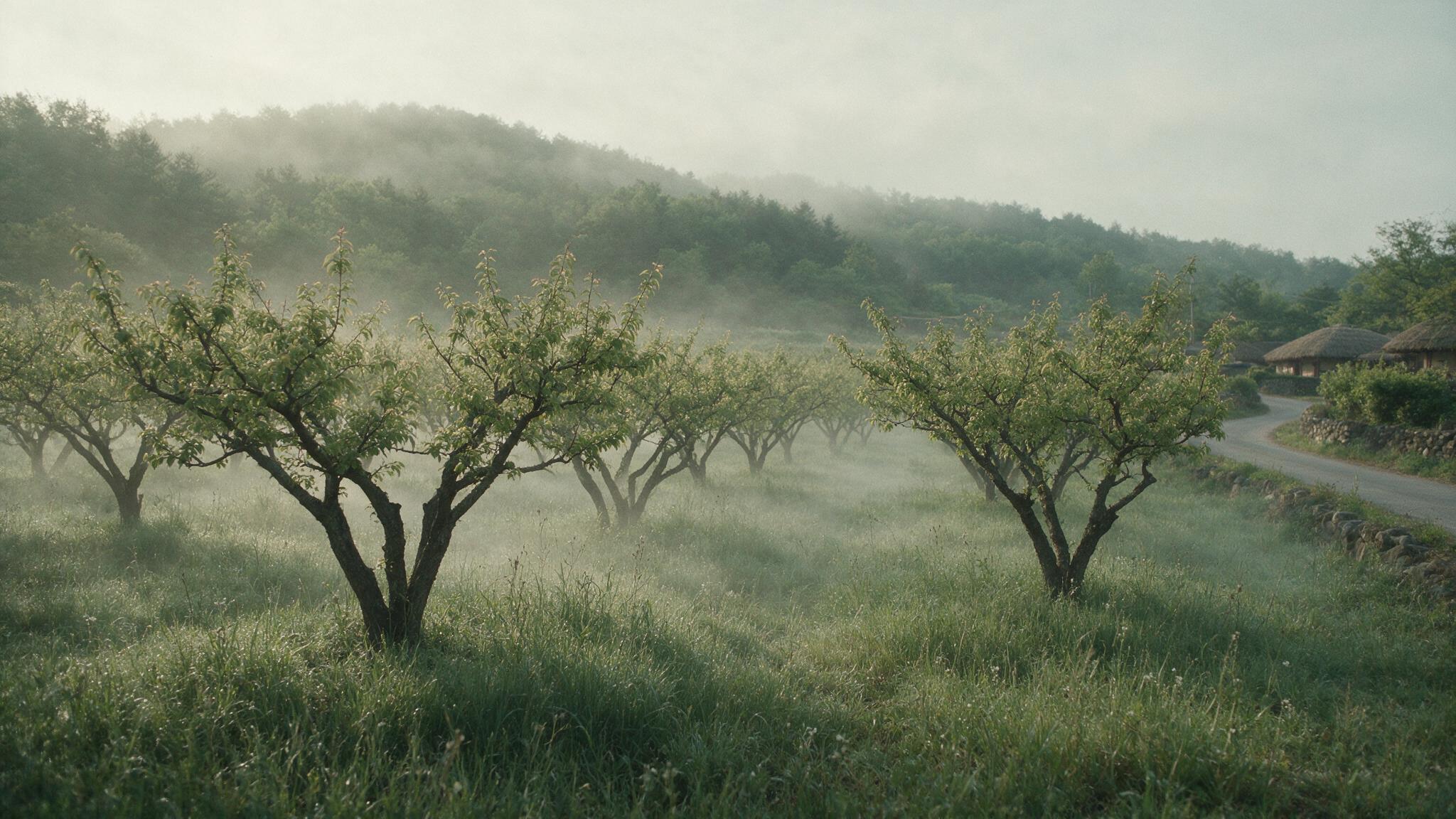
The place of discovery was a quiet stretch of hillside away from the town of Suncheon. It was a plum orchard about 2.5 kilometers from the nearby Songchijae rest area, a spot where few people passed through. The owner, tending his trees, saw the shape of a person in the grass between the branches and called the police. It was a little after nine in the morning.
What the officers found when they arrived was the body of a man already well into decomposition. From the outside, it was impossible to determine not only his identity but even his age or appearance. In the damp air of early summer, the body bore clear signs of having lain there a long time, and the surrounding grass and soil carried the weight of that passage. At this stage the body was connected to no particular person. Following standard procedure, the police logged it as an unidentified corpse and requested forensic examination to establish who it was. That this ordinary case of an unexplained death would, two months later, be tied to a name that shook the whole country was something no one could have known then.
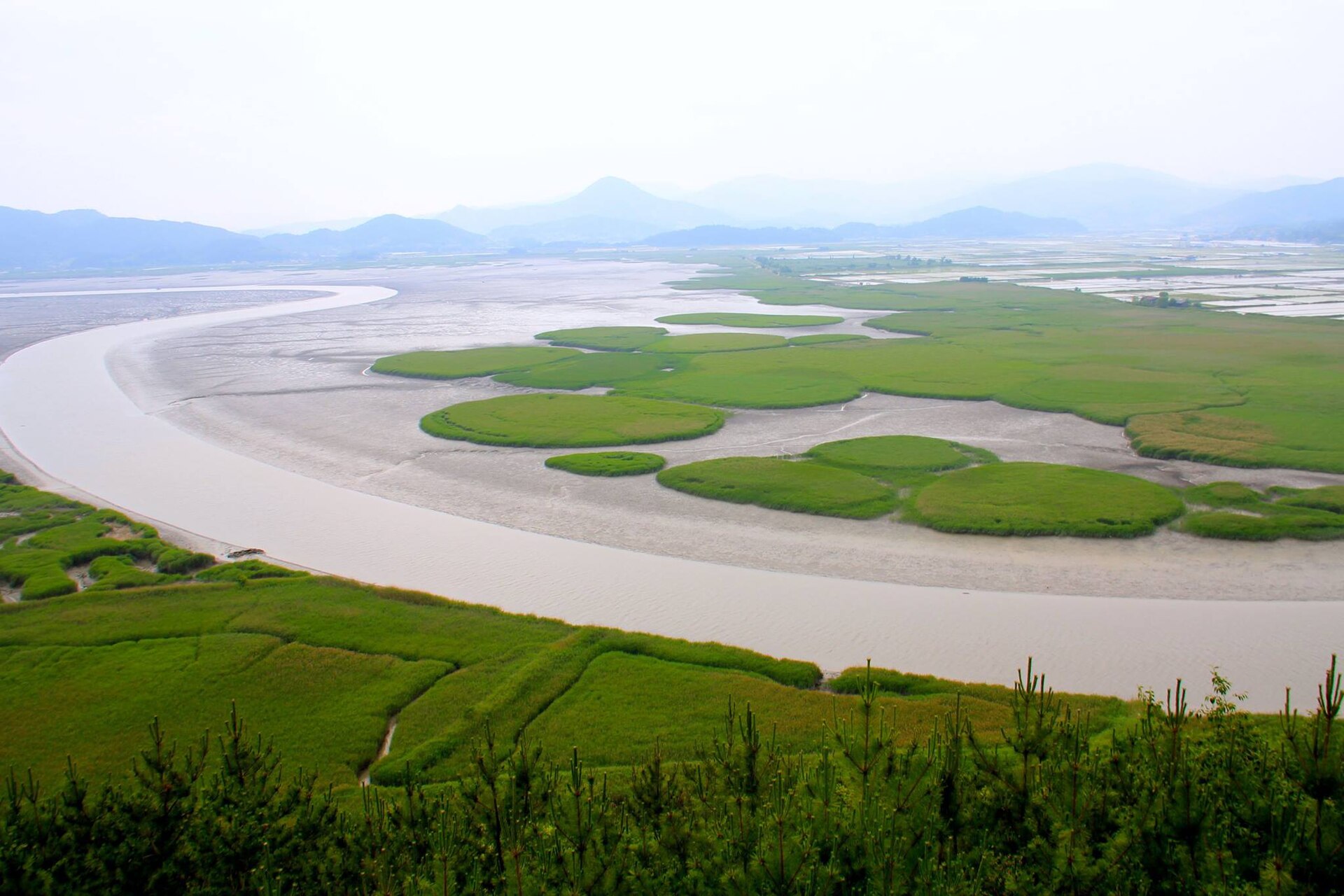
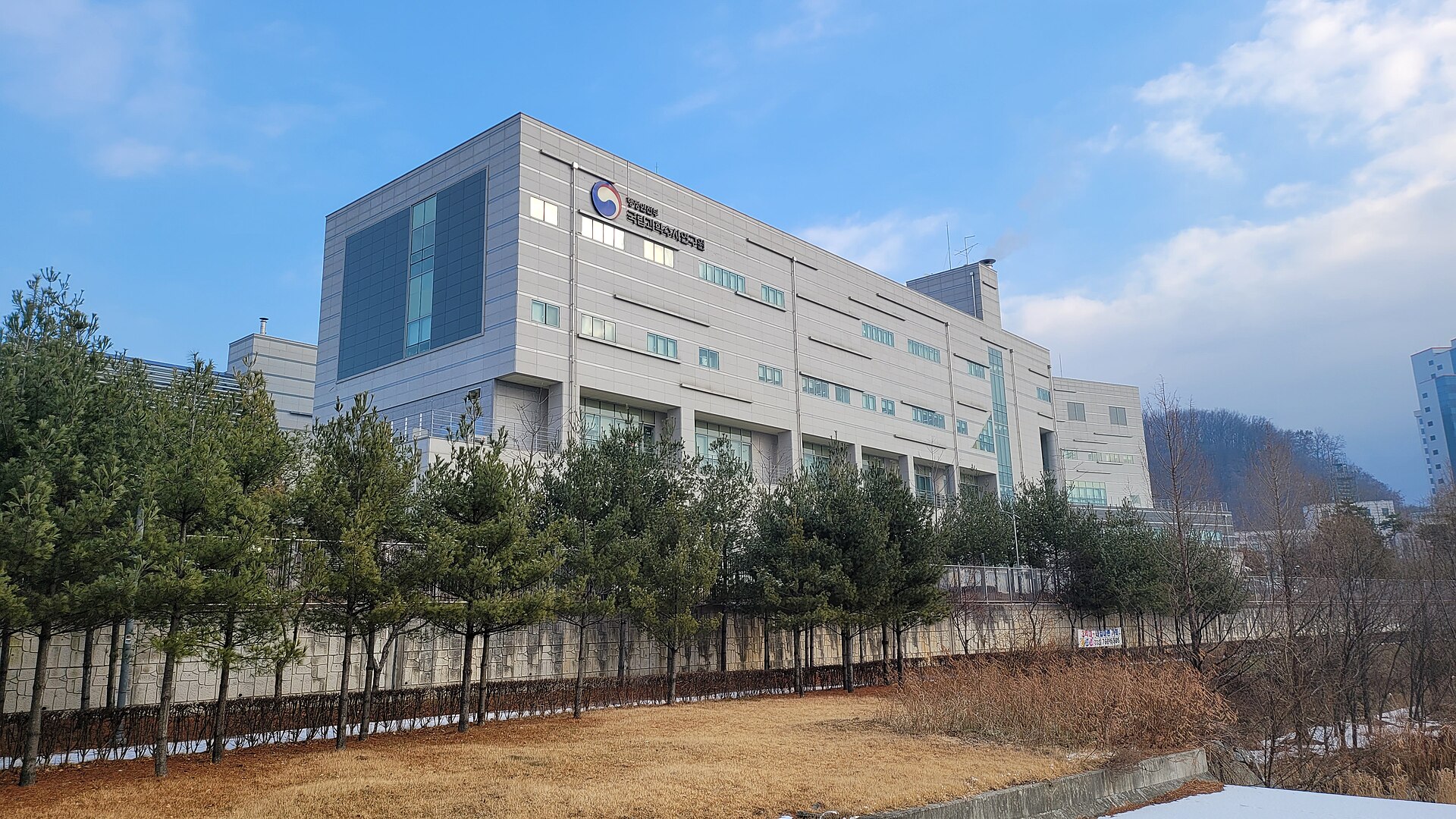
Photo: Wikimedia Commons, CC BY-SA 3.0
The Background — A Man the Whole Country Was Looking For
Here it is worth pausing to set out the context in which this body lay. That April, South Korea had suffered a great tragedy in the sinking of a passenger ferry. Many lives were lost, and the whole of society was plunged into a long grief. The man named as the de facto owner of the company that owned that ship was Yoo Byung-eun, and prosecutors launched a sweeping investigation against him. But he did not answer their summons and vanished, and a manhunt followed. A large reward was offered, thousands of personnel were mobilized, and the search had been dragging on for months.
This article is not an attempt to argue over the cause of that tragedy or where responsibility lay. Mourning for the victims belongs in the place of mourning, and there it should stay. The single reason for noting this background is this: at the very moment the entire nation's attention was fixed on the whereabouts of one man, an unidentified body was lying, quietly discovered, in a plum orchard in Suncheon — and the fact that the two only came together fully forty days later is where this story begins.
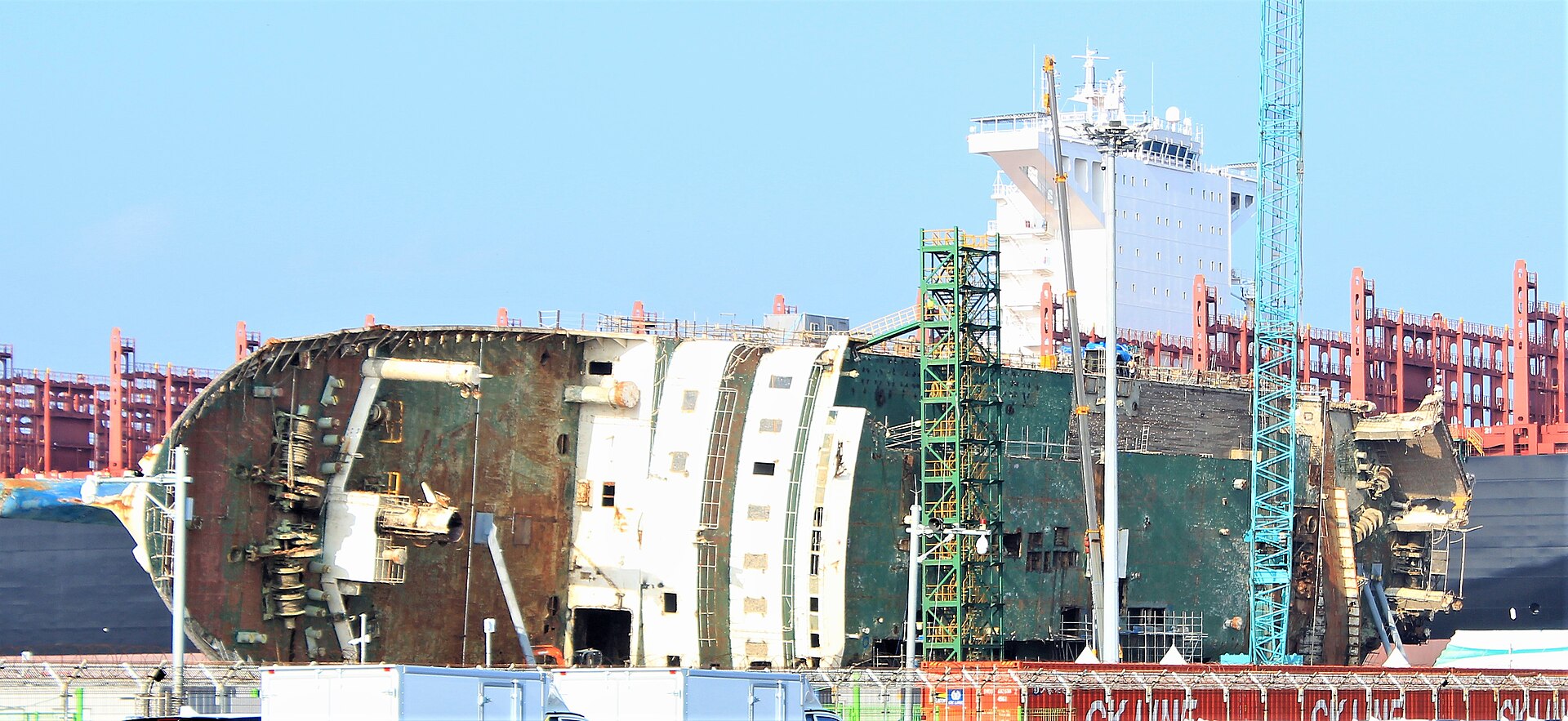
Photo: Wikimedia Commons, CC BY-SA 4.0
The Forty-Day Gap — Why the Fingerprints Went Unconfirmed
The first question raised was one of time. The body was found on June 12, yet the conclusion that it was Yoo Byung-eun did not come until late July. In between lay a gap of nearly forty days. The entire country was searching for one man, the body that would be identified as that man had already been found and laid out, and yet the two facts remained unconnected for a long stretch.
By the police account, an attempt to identify the body through fingerprints was made soon after its discovery. When a first examination of the left-hand fingers failed, another was carried out a few days later, and it too failed. The decomposition was so severe that a clean fingerprint could not be lifted. In the end, what settled the identity was not the fingerprints but the DNA. The National Forensic Service compared the body's DNA against Yoo Byung-eun's own DNA, secured earlier in the investigation, and against his brother's DNA, and found a match. A single fingerprint later taken from the right hand also matched Yoo's. But what people asked was not about the result — it was about the speed. Why forty days? At a time when the full weight of the state was pursuing one man, why should it have taken so long to confirm a single fingerprint from a fingertip? That question was never cleanly resolved.
The Speed of Skeletonization — Why So Fast Before Summer
The second question, and the most widely discussed, concerned the speed of decomposition. Piecing together the accounts from the National Forensic Service and others, the time of death was estimated at roughly the end of May. The discovery came on June 12. That put the period the body had lain in the orchard at, generously, somewhere around three weeks. And yet, at the time of discovery, the decomposition had advanced far enough that the head and neck had skeletonized. Before the peak of summer, in a season still only edging into early summer, could a body decompose beyond recognition in under three weeks? That was the question many people put forward.
The forensic answer leaned toward "yes, it is possible." The rate at which a body decomposes varies enormously with temperature, humidity, and above all the environment in which it lies. Unlike a buried body, one left exposed in the open air decomposes far faster. Insect activity, in particular, accelerates the process dramatically. In fact, the National Forensic Service explained that on this body only the head and neck had skeletonized, while the rest still retained a good deal of tissue and skin, and that most of the internal organs had been lost to the activity of maggots. Experts held that when the conditions of a humid early-summer outdoors and insect activity combine, an unusually fast decomposition can indeed be explained. Even so, the explanation did not lay every question to rest. The gap between "this can be explained" and "this is certainly what happened" only widened as the cause of death went unestablished.
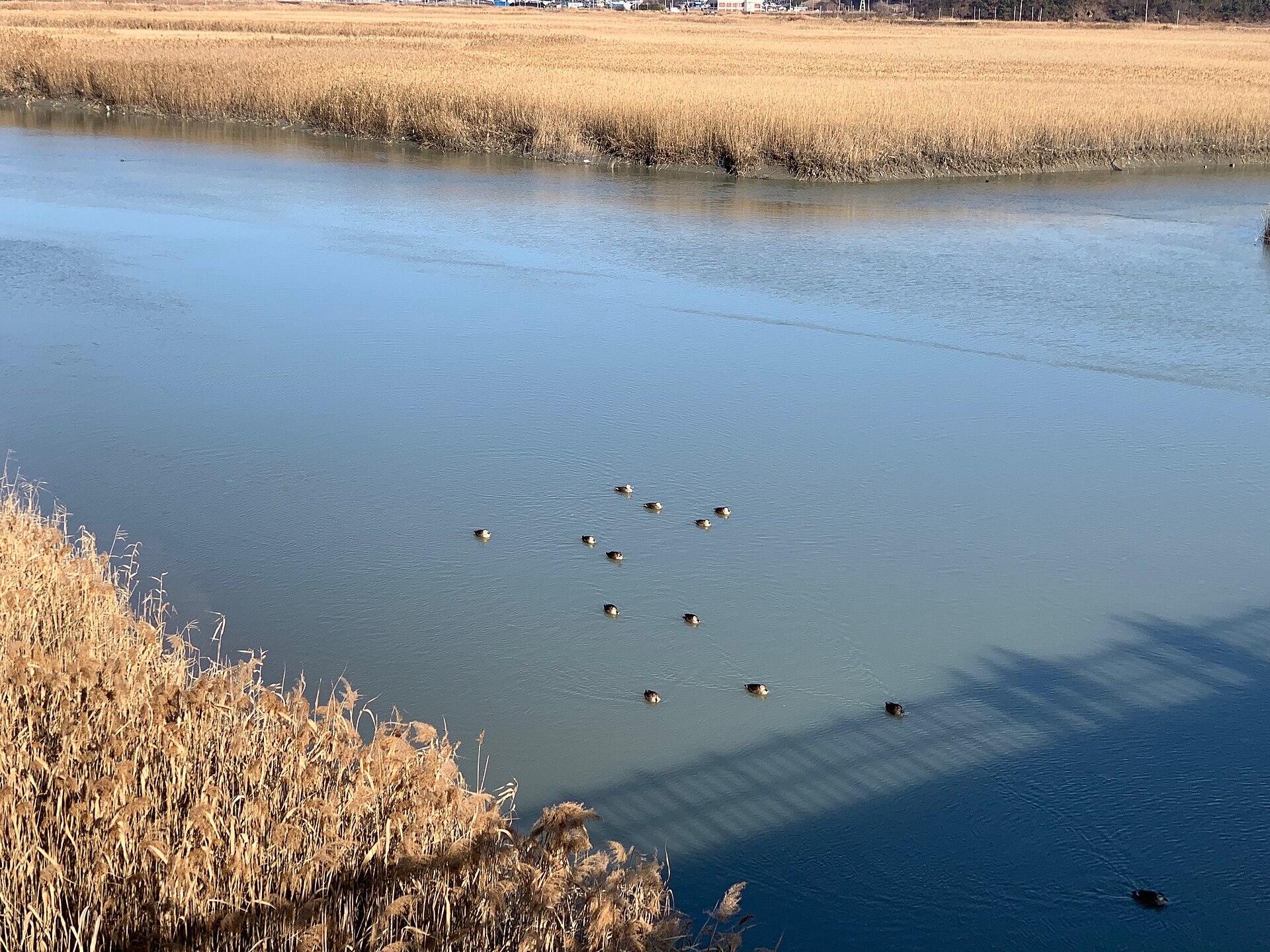
Photo: Wikimedia Commons, CC BY-SA 4.0
The Undetermined Cause of Death, and the Questions That Remain
The identity of the body was established, but the most important question of all — how this man had died — was never answered. The National Forensic Service examined the possibilities of poison, asphyxiation, underlying illness, and death by external force, but announced that the severity of decomposition made it impossible to specify a cause of death. Homicide, natural death from illness, or some other course of events — none of it could be fixed. A bottle of medication he was known to take regularly was found beside the body, but that alone was not enough to reconstruct the circumstances of his death.
With the cause of death left as an empty space, that emptiness filled with all manner of questions and rumor. Claims spread that the body was not Yoo Byung-eun's, that he had died elsewhere and been moved, that the timing or circumstances of the discovery had been manipulated. But one thing should be stated plainly here. There was an official announcement that two independent examinations — fingerprints and DNA — both pointed to the same individual, and no firm evidence has been presented to overturn it. What lives on here is not a conclusion but a question. The single fact that what brought him to his death was never established was, on its own, enough to keep people asking for a very long time.
To this a bitter footnote was added. The owner of the plum orchard, who first found and reported the body, received no reward, on the grounds that at the time of the report the body had been an "unidentified corpse." He was, in effect, the first person to find the man the whole country was hunting — but at the moment of discovery there was no way to know who he was, ran the logic. Controversy followed, and it eventually reached the courts, but in the end the ruling went in the state's favor. This case surrounding one man's death was tied off in just that way, leaving behind the greatest empty space of all: the cause of death.
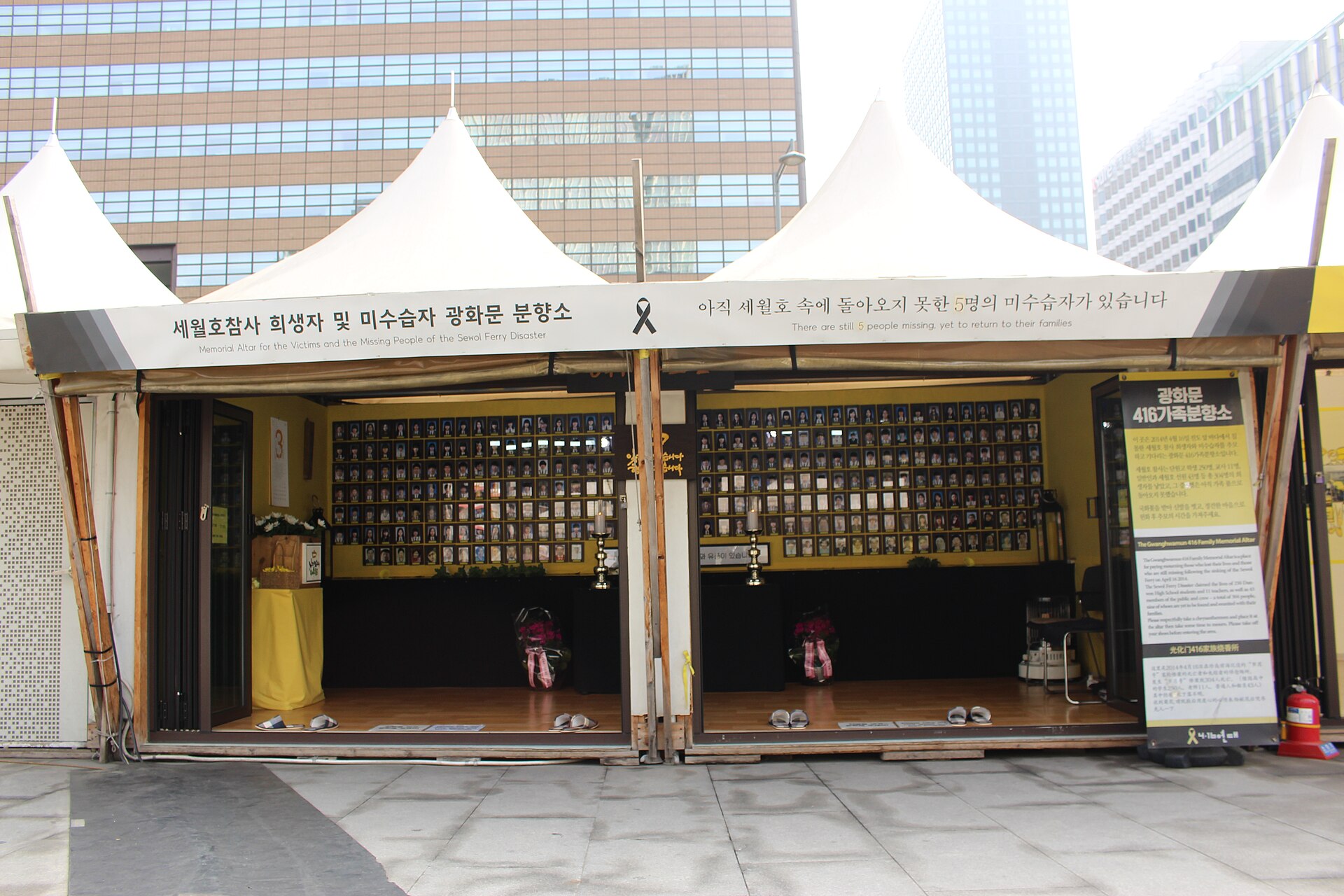
Photo: Wikimedia Commons, Attribution
What Remains
What can be said with certainty today is this. On June 12, 2014, a badly decomposed male body was found in a plum orchard in Suncheon. Forty days later, on the basis of fingerprint and DNA examination, that body was officially announced to be Yoo Byung-eun, a fugitive. But how, and precisely when, he came to his death — the cause was never specified, defeated by decomposition.
The detail I return to is not the forty days or the skeletonized head. It is the bottle of medication found lying beside him. It is the one object in this file that belongs unambiguously to a living person — something carried, something used regularly, something that implies an intention to keep taking it. Everything else in the record was recovered, measured, or inferred. That bottle was simply set down. I have read the examination summaries enough times to accept that decomposition genuinely defeated the cause of death, and it does not make the reading easier: what the orchard kept was not evidence of anything, only the last few minutes of an ordinary routine, interrupted.
Several conditions overlapped to leave one man's death trailing so many questions. That he was a figure on whom the whole country's attention was fixed. That a forty-day gap stood between discovery and identification. The unusually fast decomposition on the edge of summer. And the cause of death that was never established. Each of these conditions had room to be explained on its own, but laid one on top of another, they left a question mark in people's minds that has not easily been erased. The last place he stopped walking was a quiet plum orchard where few people passed, and that silent field has, to this day, withheld one of the most important answers. How did he meet his end there? The question remains open still.
---
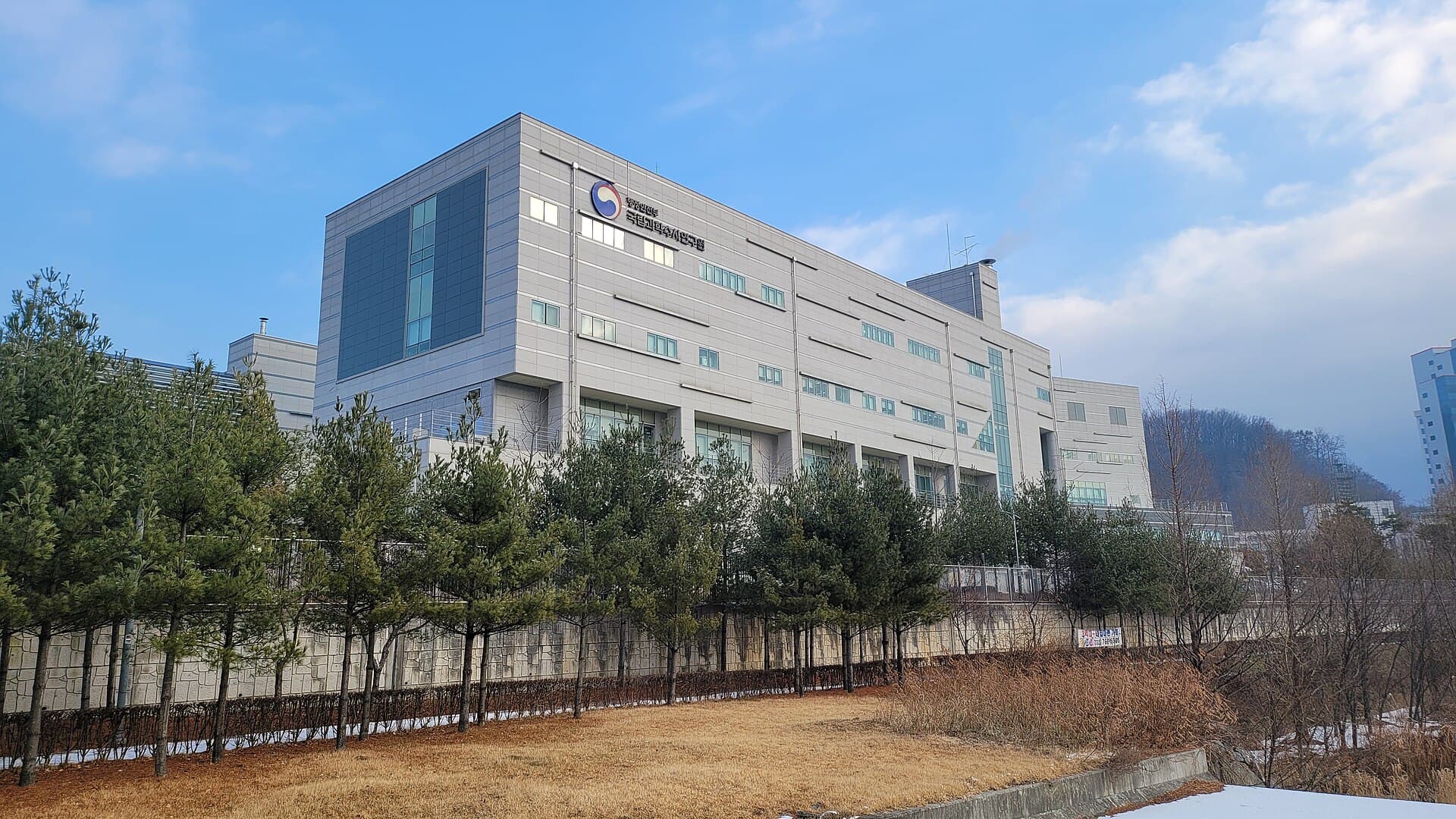
This article uses both actual documentary and on-location photographs and AI-generated images and video produced to convey the mood of the story.
Comments
No comments yet — leave the first one.