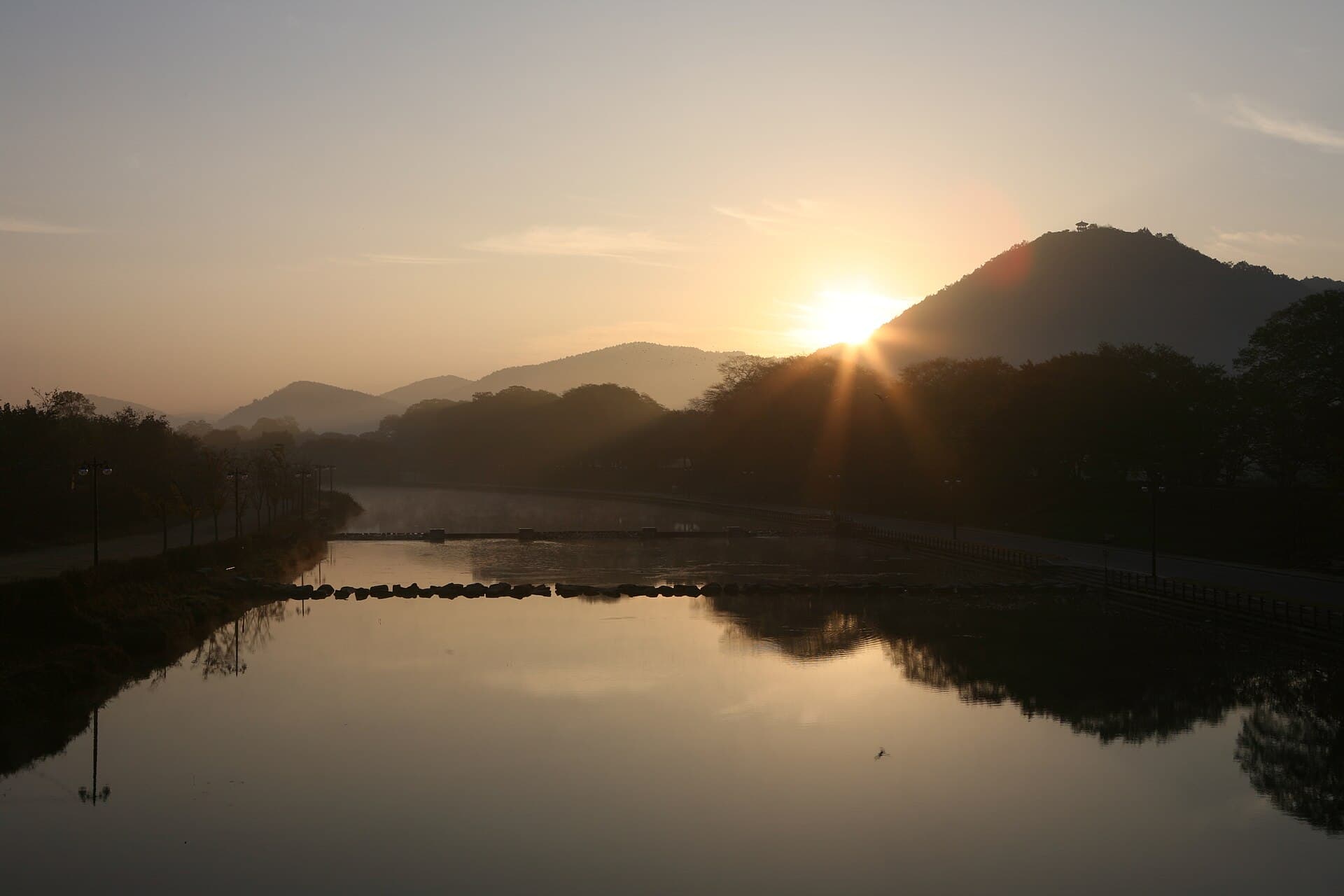
On the afternoon of February 4, 2001, a girl was found at the edge of the Deuldeul River, which winds through Nampyeong in Naju, South Jeolla Province. She was seventeen, barely across the threshold of high school. She was already gone, left in the cold winter water at the river's edge. The evening before, she had failed to return home, and a missing-person report had been filed. In the space of a single anxious night, while her family searched for her, the girl lost her life by the river. Who took her there that winter night, and why, and how — the river that day said nothing at all. This is the story of a truth thought to have been swallowed by the water, carried back after fifteen years on a single trace too faint to see.
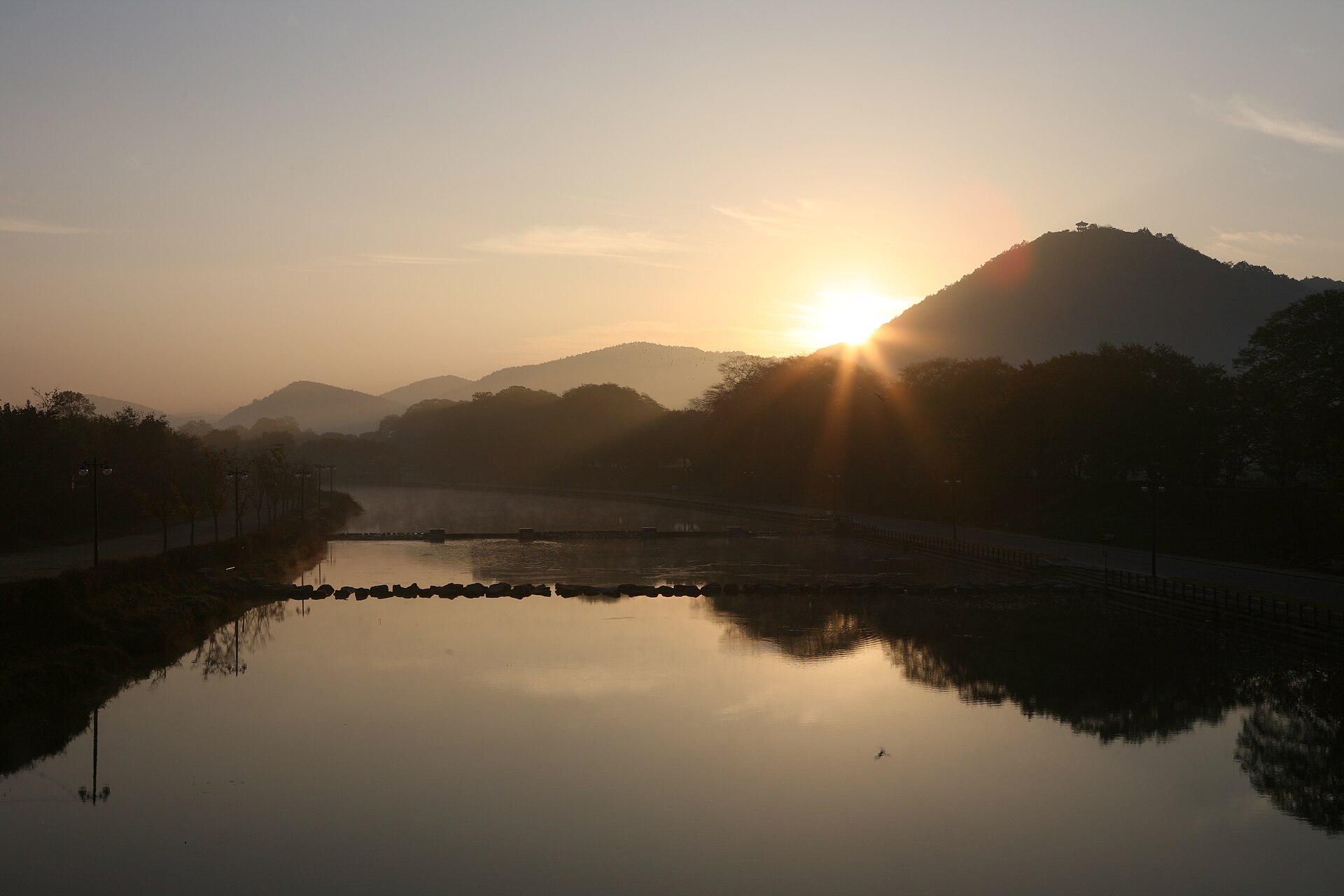
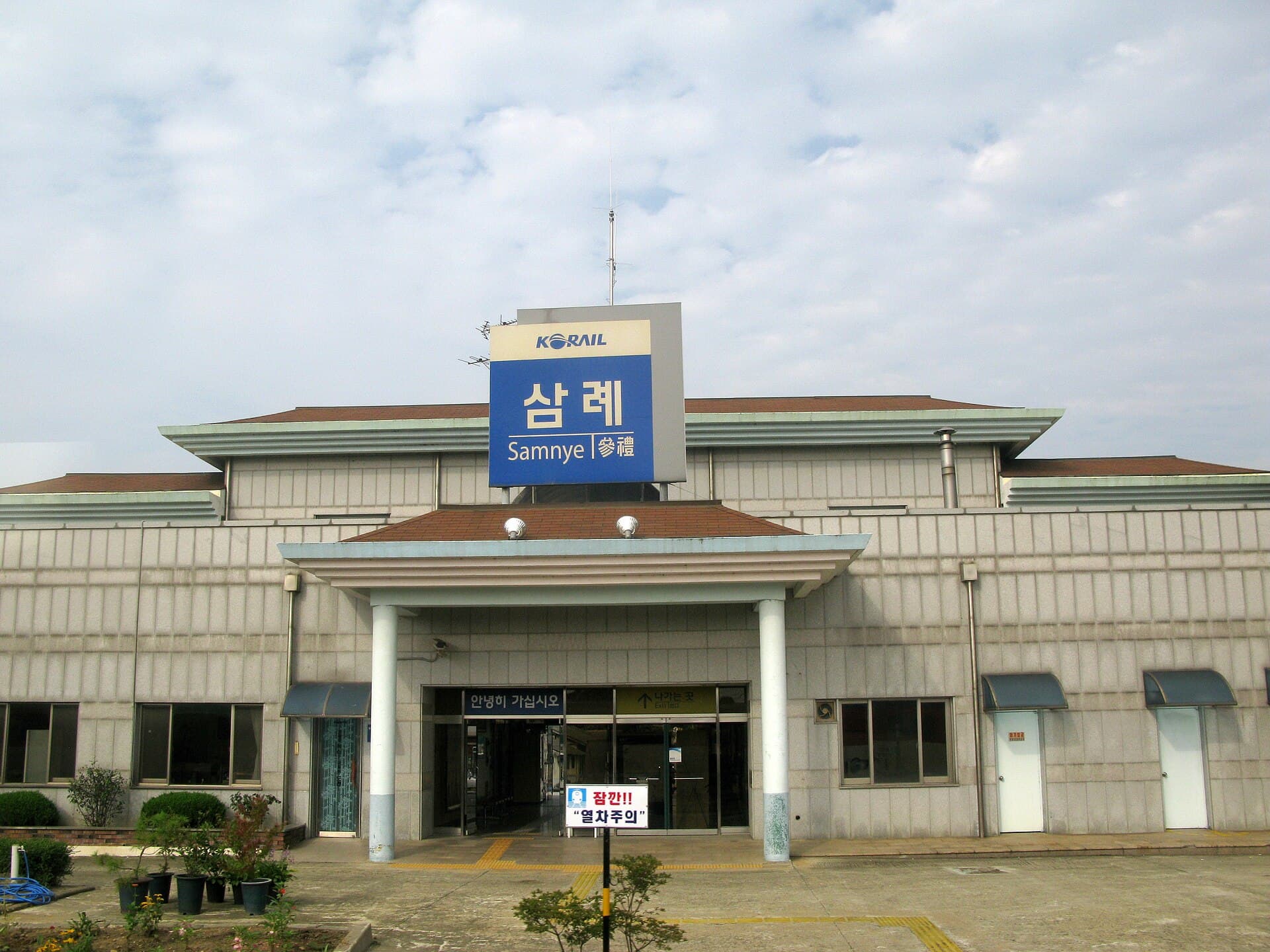
Photo: Wikimedia Commons, CC BY 2.0
A Girl Found at the Winter River
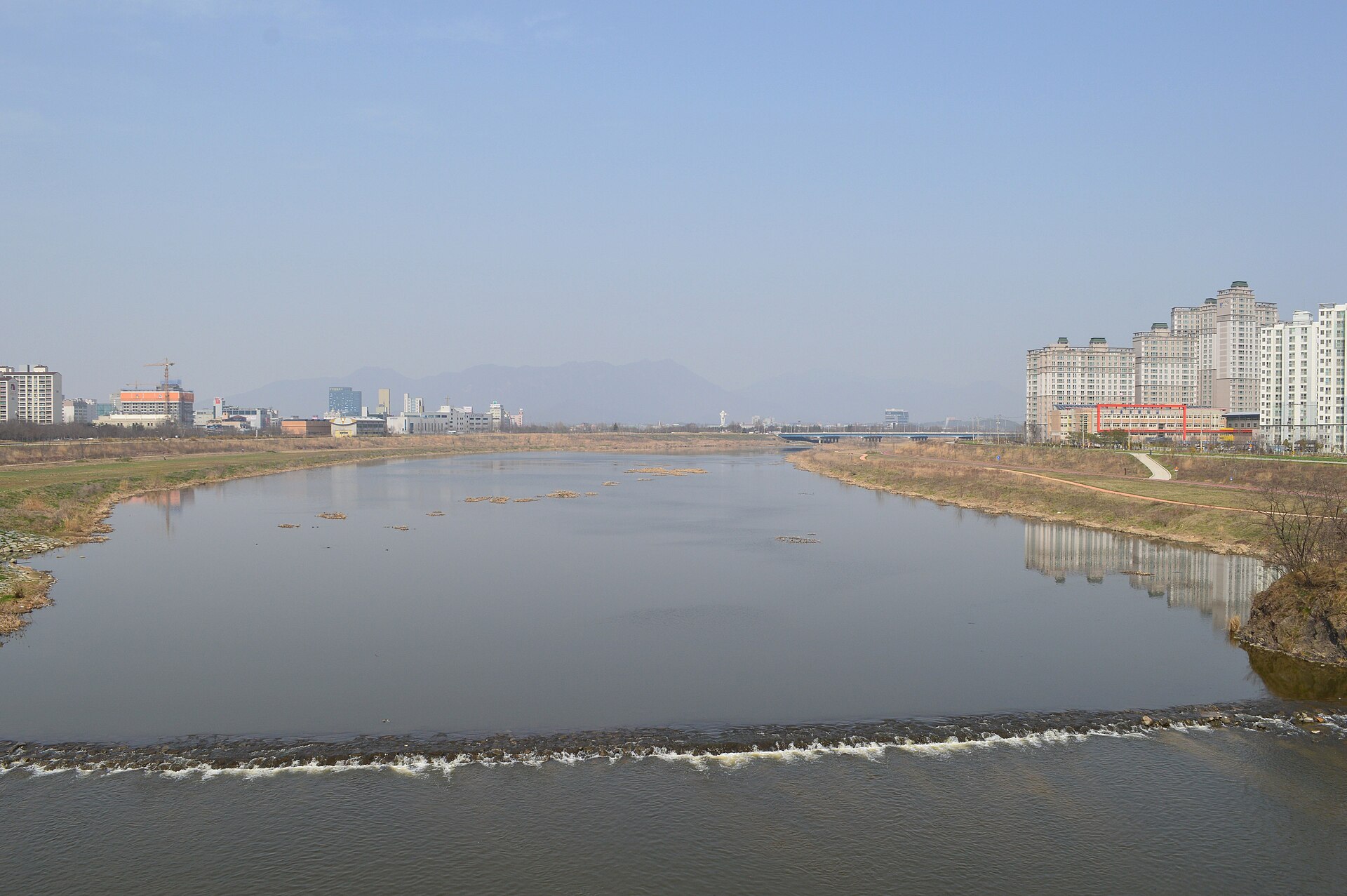
The Deuldeul River is a modest stream cutting across the fields of Nampyeong in Naju. In summer it fills with people who come to play in the water, but in February the riverbank was a desolate place, only dry reeds swaying in the wind. On February 4, 2001, the body of a girl was found at that water's edge. She lay submerged, and the cold water of the winter river had already taken much away.
The girl had left home the previous evening and never come back. Her family reported her missing that night, and before a single day had passed, the worst possible news returned to them. An examination determined that she had been sexually assaulted and then killed — that one line is all that needs to be said of how brutal this crime was, and out of respect for the victim's dignity we will write no more of it. What matters is this: that this girl, who had done nothing wrong, had her life taken from her at a winter riverbank, and that the one who took it disappeared into the dark.
Cases that begin with a missing-person report filed the night before are the ones I have learned to read twice. In the Nampyeong file the interval is roughly a single night: she does not come home, the report goes in, and by the afternoon of February 4 she is found at the water. I have compared that timeline against the later trial summaries several times, and the hours between never quite fill in. They remain the part of this record that is simply blank.
The River That Erased the Traces — and the One It Missed
Few places make an investigation harder than a riverbank. Running water erases footprints, washes away whatever evidence might have been left behind, and blurs even the sequence of time. The Deuldeul River case was no different. The scene yielded no witnesses who could identify the culprit and little in the way of firm physical evidence. It was not even clear what connection, if any, existed between the girl and her killer. There was no grudge from an acquaintance, no visible sign of a struggle. It was as if a stranger had abruptly stepped into the girl's life and slipped out again without leaving a mark.
But there was one thing the river had failed to wash away. On the girl's body remained a biological trace belonging to someone other than herself. Investigators recovered DNA from that faint trace. In 2001, this was not yet a key that could seize the killer at once. To use it, there had to be someone to match it against — and no one in the database matched. Knowing neither the killer's name nor his face, the investigation held only a fragment of genetic information: something that would, someday, have to find its owner. And so the case was classified as a long-term cold case and filed away in a cabinet.

The Years Spent Buried as a Cold Case
The terror of a cold case lies in how it fades from people's memory as time passes. Witnesses' recollections grow hazy, the scene changes, those involved scatter. So too did the girl of the Deuldeul River slowly drift from the world's attention. But to her family it was a case never forgotten for a single day, and to the investigators who inherited the file it remained like a debt weighing on the heart.
In those years, a great change came to criminal investigation in Korea. A system for systematically collecting and managing DNA information began to take hold. Once the DNA of a person convicted of certain crimes was registered in a database, it could be checked against genetic material recovered from unsolved scenes of the past. In other words, the faint trace secured long ago at the riverbank now had a chance to meet its "owner" at last. The DNA left on the body of the Deuldeul River girl waited quietly in its cabinet for that day to come.

2012: The Name the DNA Pointed To
The waiting ended in 2012. As the National Forensic Service cross-checked its database, a person matching the DNA from the Deuldeul River scene was finally flagged. He was a man already serving a life sentence in prison for an entirely separate robbery-murder. The genetic material of the one who had left his trace at the winter riverbank eleven years earlier, and that of the man later locked away for another violent crime, were one and the same. To investigators, there could hardly be a stronger lead.
But here the case took a sharp turn. The mere fact of a DNA match did not translate at once into a conviction. So many years had passed that much of the scene evidence was already gone, and other proof to support the circumstances of the crime was lacking. In the end, at the early stage of the reopened inquiry, prosecutors judged that the evidence was not sufficient, and the man was not indicted in connection with this case. Even with the decisive thread of DNA in hand, the killer slipped through the net of justice once more. It was a bitter moment — the truth flickering right before their eyes, and still beyond their grasp.
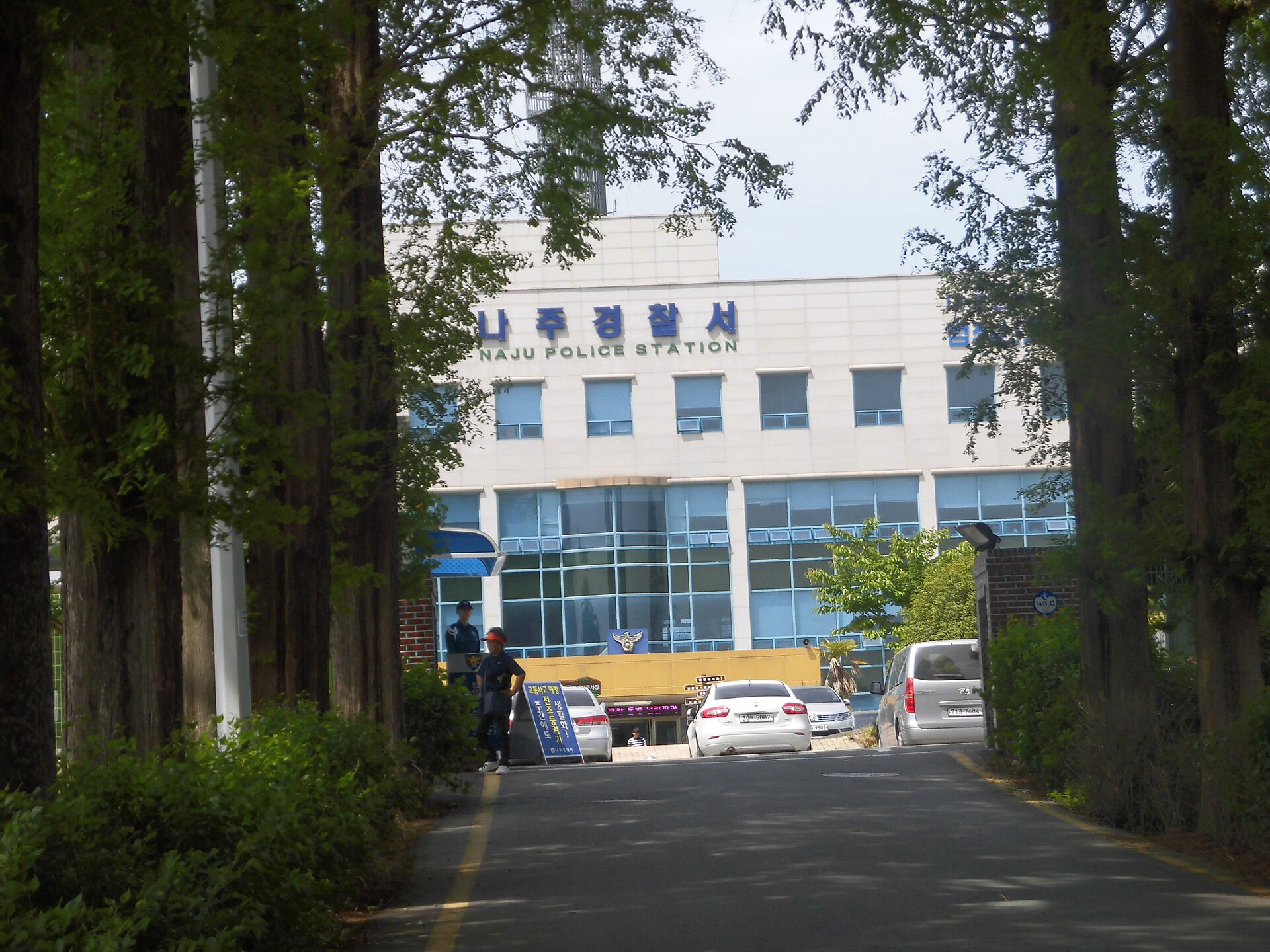
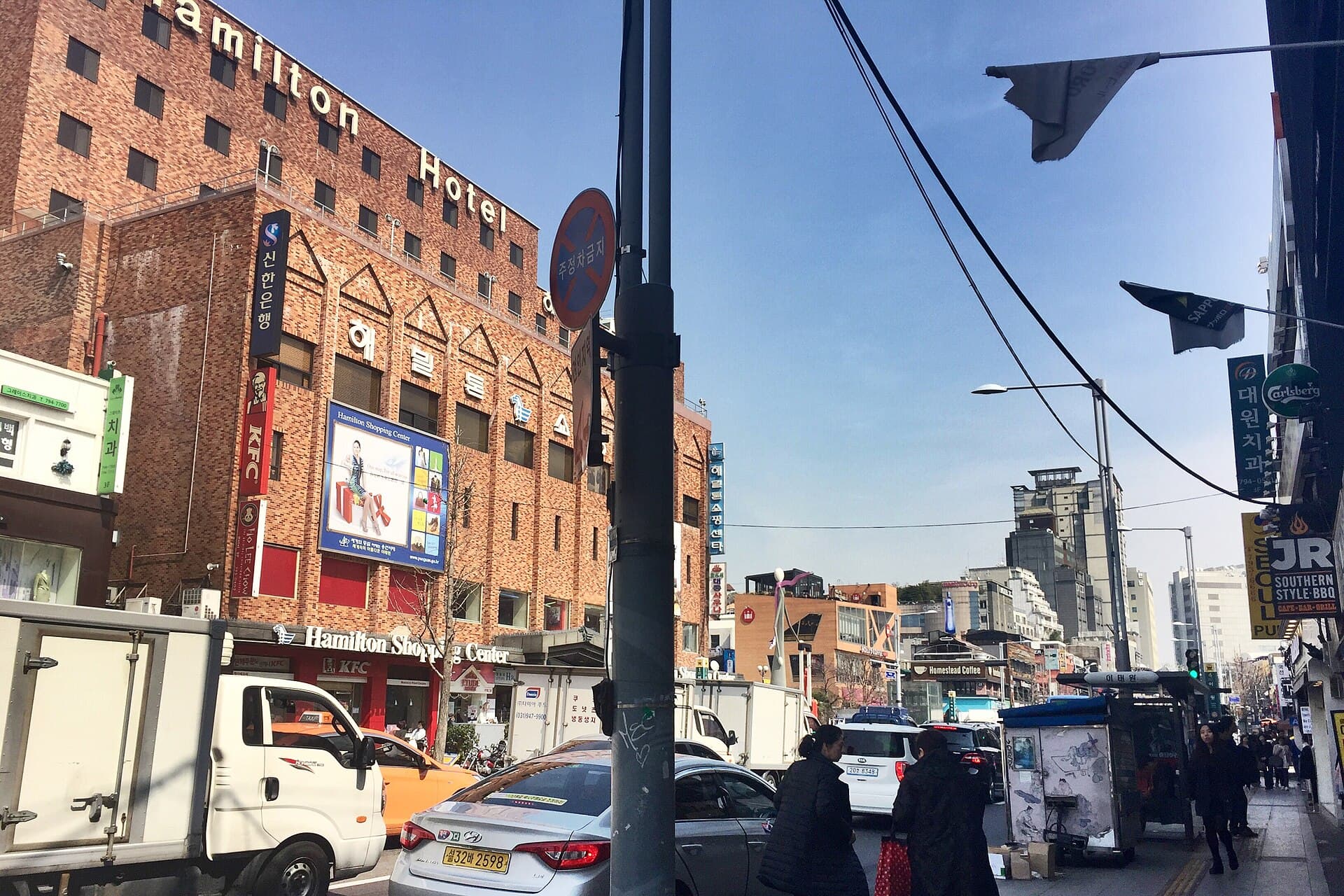
Photo: Wikimedia Commons, CC BY-SA 4.0
The Reopened Investigation and the Final Verdict
What pulled the nearly buried case back to the surface was the news that this non-indictment had become public. In 2015, it came to light through media reports that the case had been quietly closed despite the powerful DNA evidence, and as current-affairs programs took up the story one after another, public anger surged: why had the culprit been let go? Under that pressure, police and prosecutors launched a fresh investigation. This time they did not lean on the DNA alone. Investigators pieced together, thread by thread, the man's past movements, the circumstances before and after the crime, and how he had come to commit it. Scattered pieces of circumstantial evidence each found their place, and the picture of that winter night fifteen years earlier began to take shape once more.
On the strength of this reinforced investigation, prosecutors in 2016 brought the man to trial on charges of rape and murder. And the court accepted the evidence they presented. The trial court sentenced him to life imprisonment, recognizing even that he had meticulously fabricated an account of his own movements after the crime. The appellate court reached the same conclusion. Finally, on December 22, 2017, the Supreme Court dismissed his appeal and confirmed the life sentence. Roughly sixteen years after the crime, and five years after the DNA first pointed to him, the man — identified in the verdict only by his surname, Kim — stood before the law's final judgment. Along with the life sentence, he was ordered to wear an electronic tracking device for the period after his release.

What the River Could Not Erase
The Deuldeul River case is a story with two faces. One shows how the advance of forensic science can reach back across time to recover the truth. The investigators of 2001 could hardly have imagined that the faint trace they had secured would, fifteen years later, place a man before a court. A single fragment of evidence that not even running water could wash away met the net of a database and, at last, drew up a name. It was the moment a long-buried cold case collapsed before DNA.
The other face is heavier. In 2012, when the decisive clue lay in hand — what if the case had been pressed to the end then? Think of the three-year gap opened by that single miss, made in the judgment that the evidence was too thin, and this case becomes at once a triumph of science and a painful lesson. And yet, in the end, the truth found its place because of the people who refused to forget: the family who remembered the girl, the investigators who dug in again, and the voice of a society that demanded to know why she had been let go. Together they set the stopped clock moving once more.
What I cannot put down, closing the folder, is the three years. Between the 2012 match and the 2015 reporting, the name sat in a file, matched, on paper, known — and the only reason it moved again was that someone outside the system happened to read about it. That is the part I keep turning over. Not how the science found him. How close the finding came to being just another line in a cabinet, and how many cabinets I have not opened.
What we can now say for certain is this. In the winter of 2001, a seventeen-year-old girl had her life taken from her at the Deuldeul River. Her killer must have believed he left no trace. But there was one thing even the water could not erase, and it crossed fifteen years of silence to point, at last, at him. The Deuldeul River kept its silence for a long time — but in the end, it testified to the truth in the girl's place.
---
This article combines real photographs taken in the area of the case with AI-generated images and video produced to convey the mood of the story.
Comments
No comments yet — leave the first one.