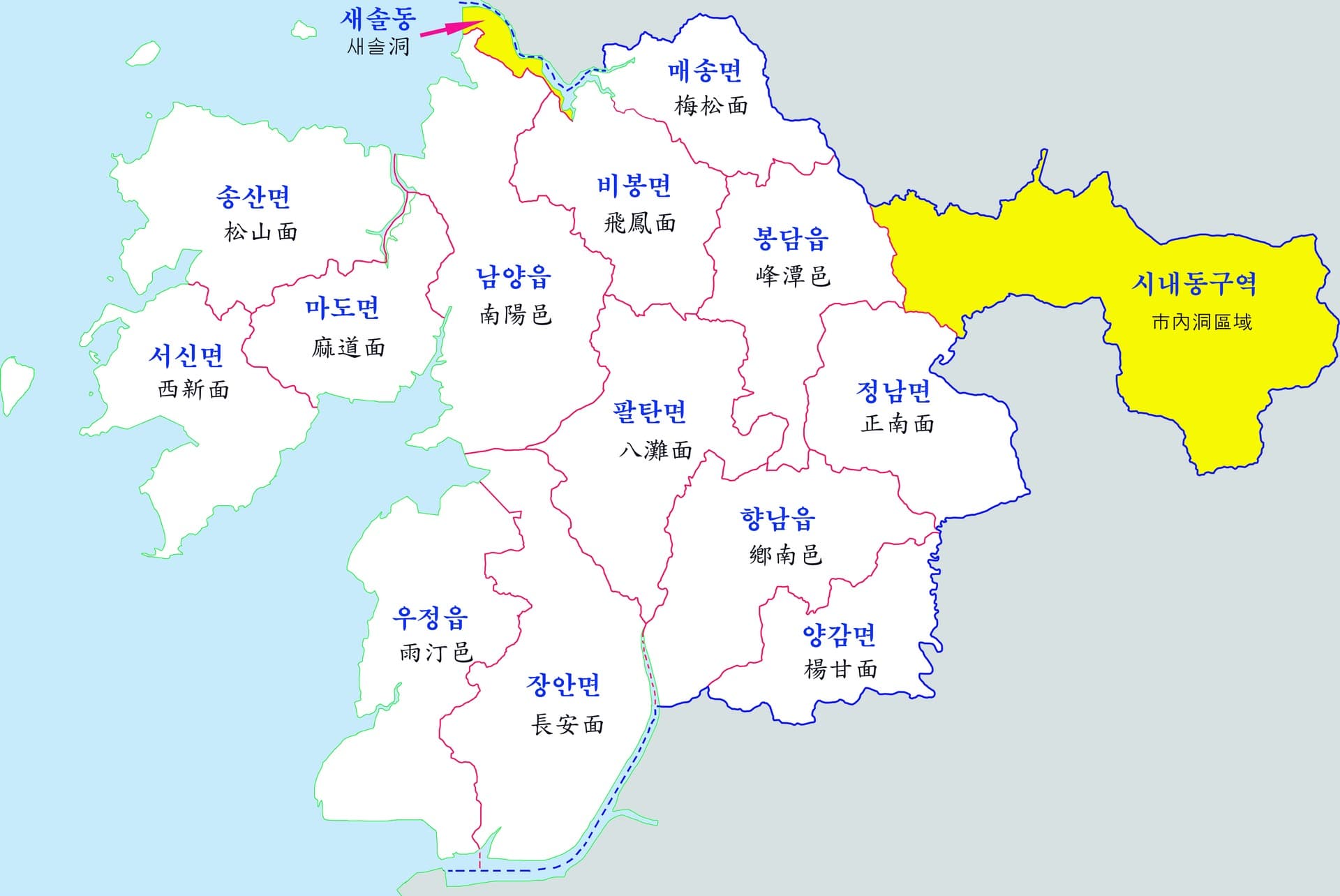
From a day in September 1986 to the spring of 1991, ten women were killed one after another in the rice paddies and along the country roads around Taean Township in Hwaseong County, Gyeonggi Province, South Korea. For nearly five years the same kind of murder was repeated within a fairly small area, yet the killer left almost no trail. Police mobilized a cumulative 2.05 million personnel and placed more than twenty thousand people under suspicion — a scale of investigation without precedent in Korean history for a single case. Even so, the killer was never caught, and the case remained the country's most infamous cold case for more than thirty years. Meanwhile, one man sat in prison for nearly twenty years for a crime he had not committed. Then, in 2019, a single sliver of DNA extracted from decades-old evidence overturned everything. This is the story of the Hwaseong serial murders — the case that inspired director Bong Joon-ho's film "Memories of Murder."
The 1980s: Fear Descends on the Rice Fields of Hwaseong
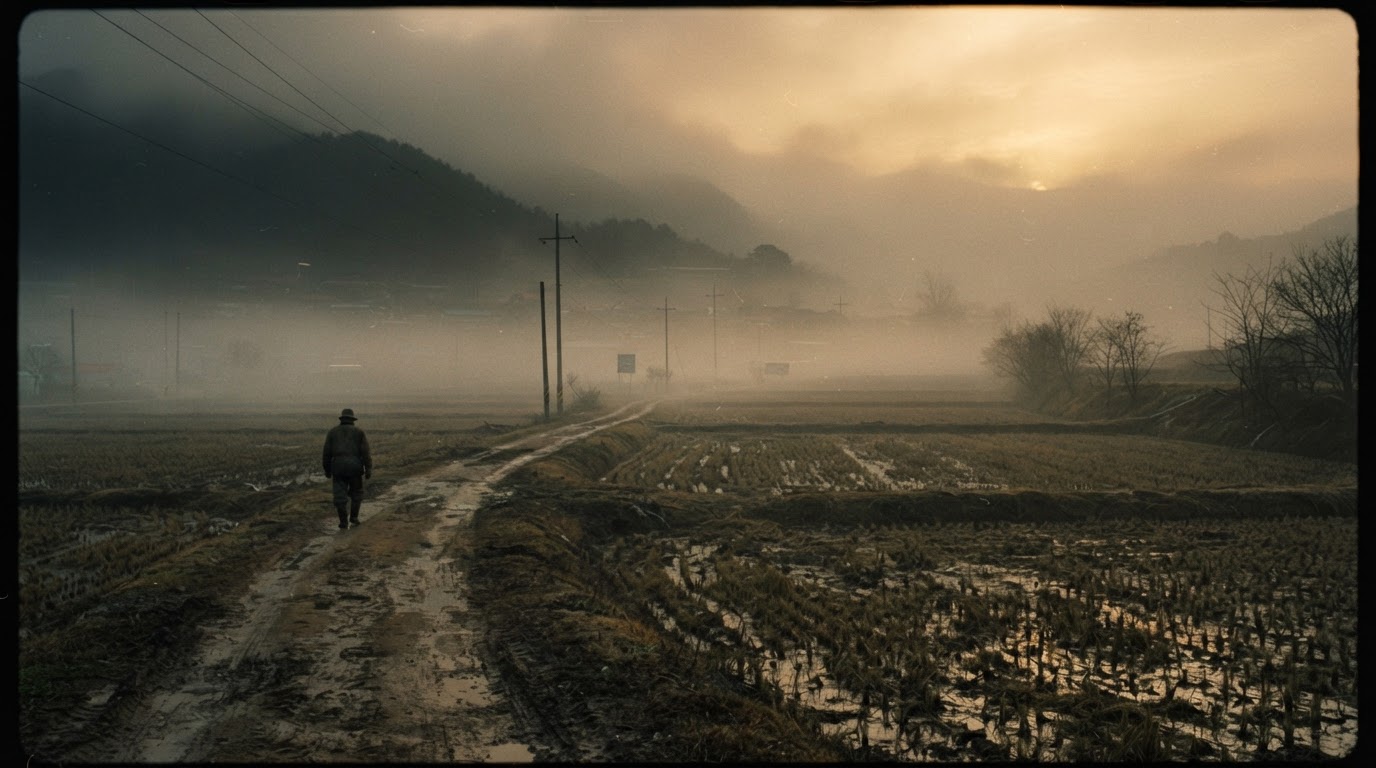
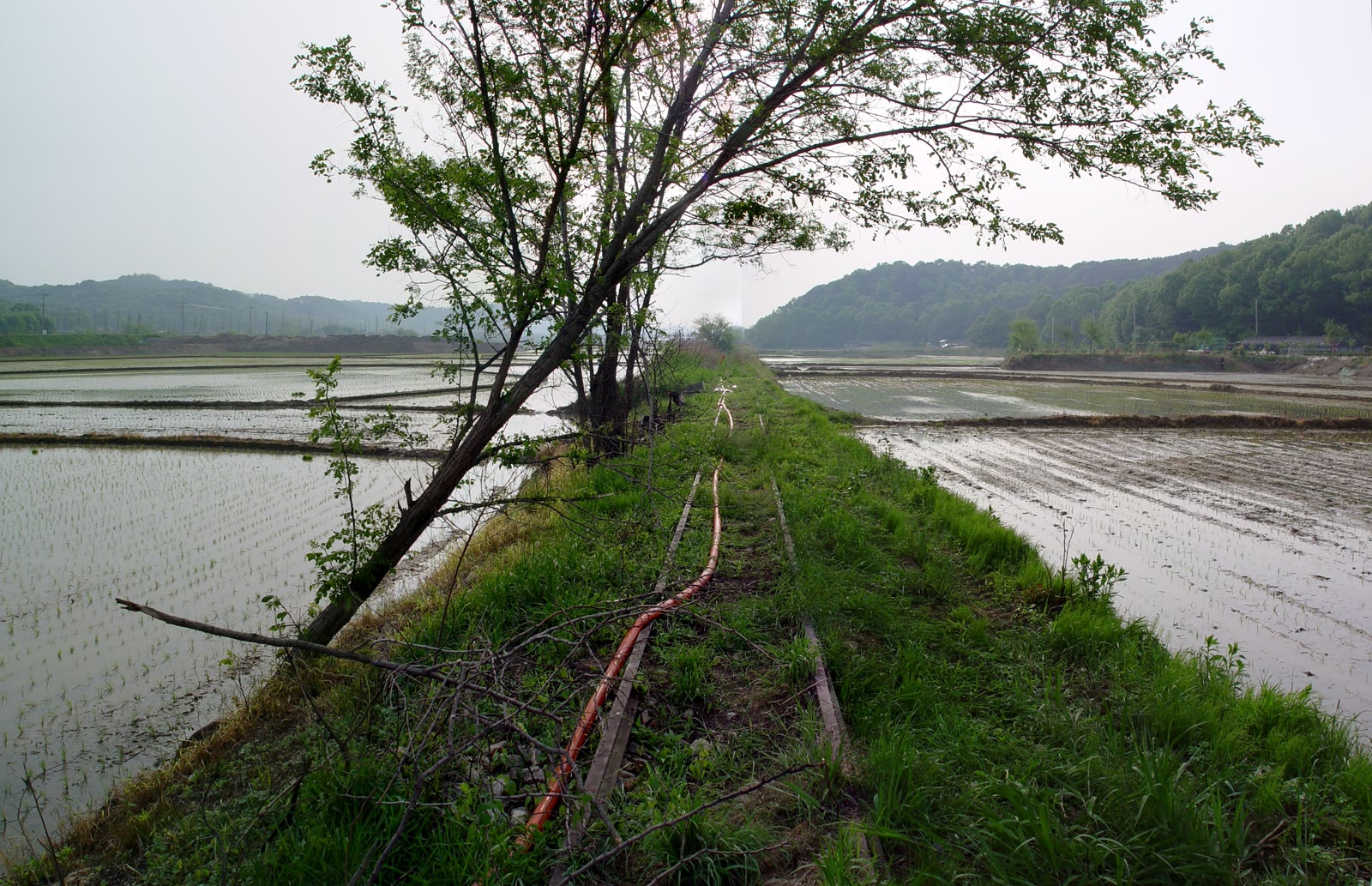
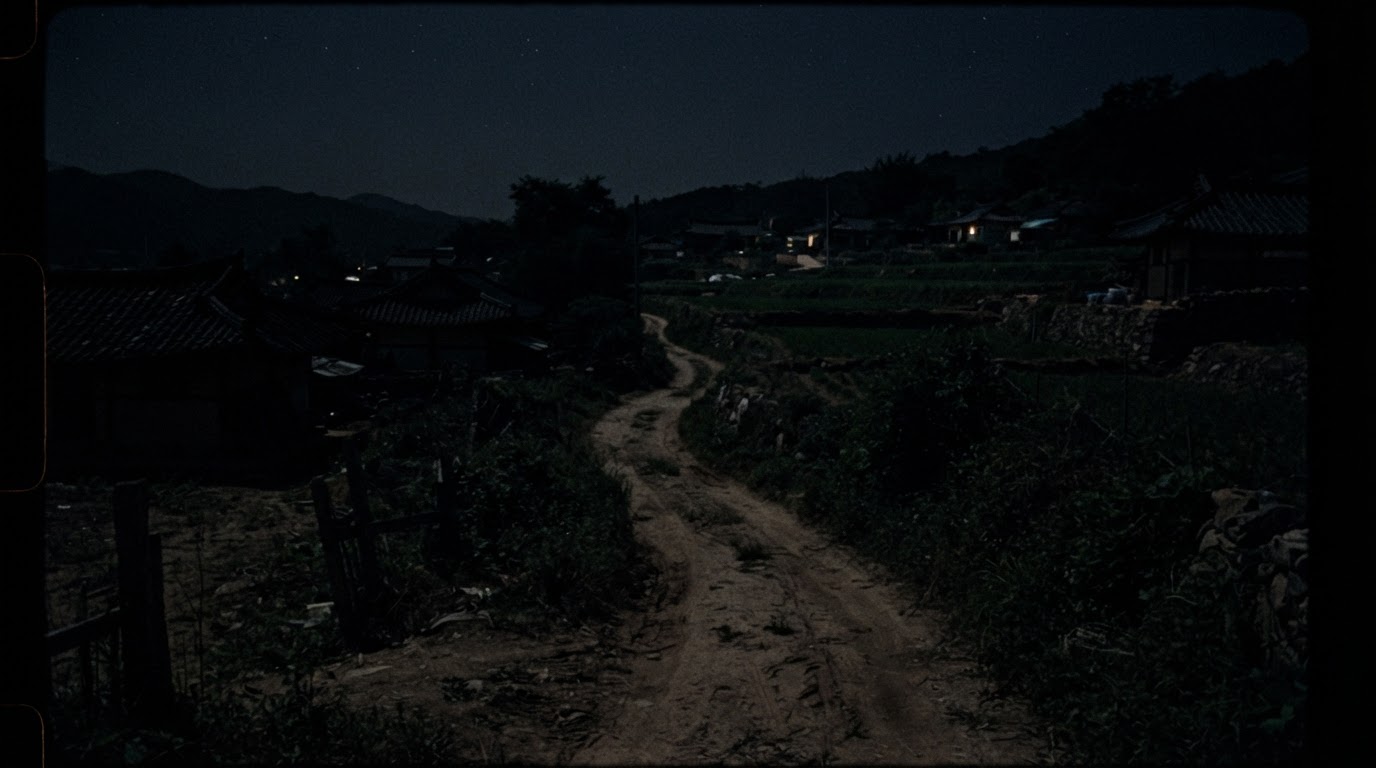
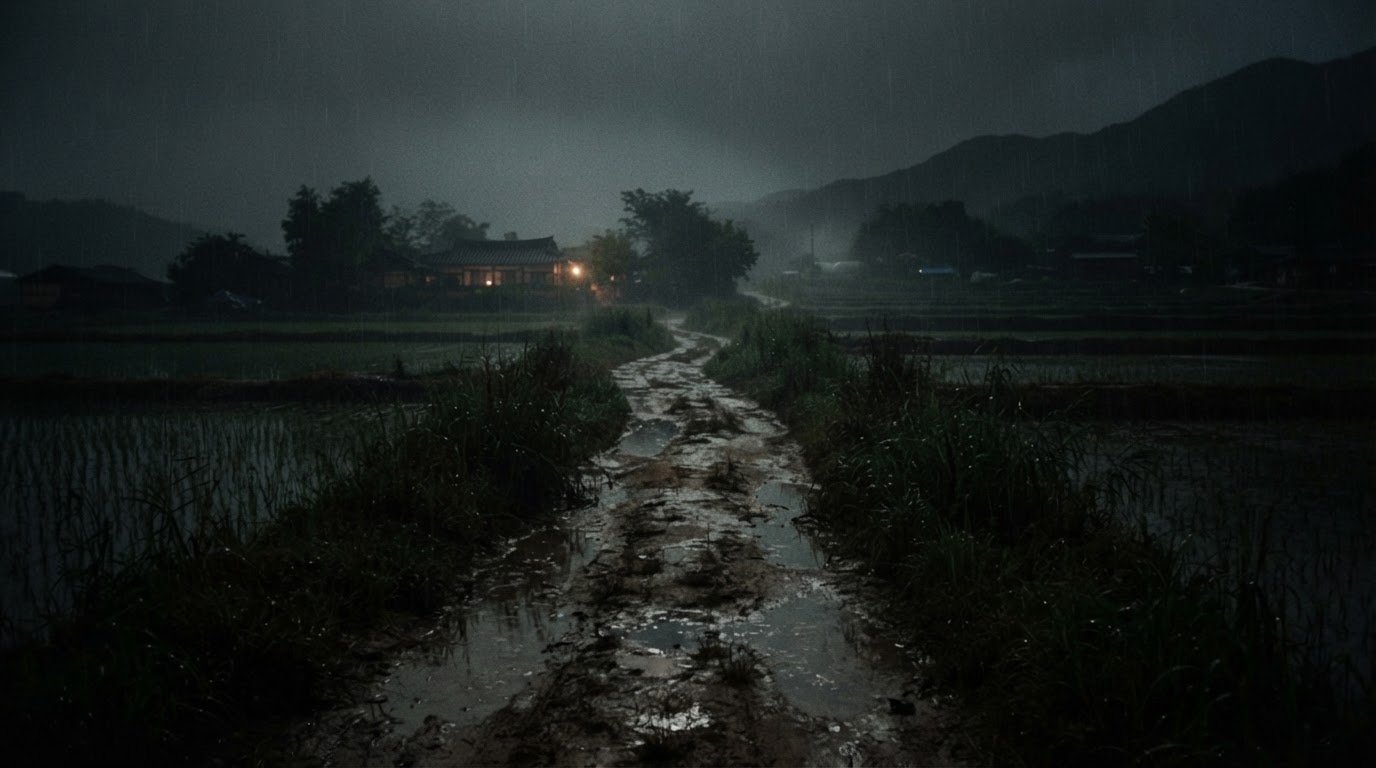
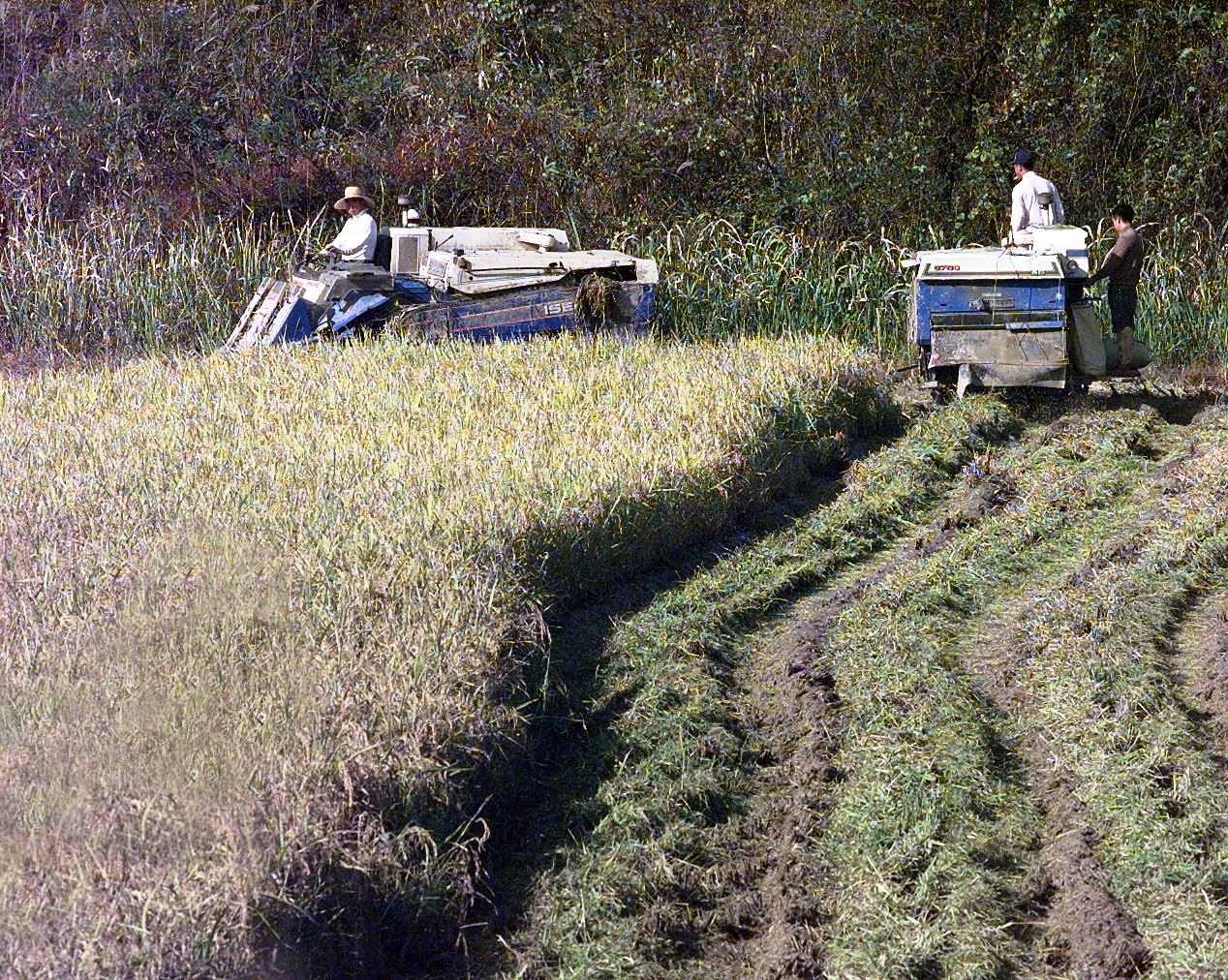
South Korea in the late 1980s was a very different country from today. In Seoul, the 1988 Olympics showcased the nation's rapid development to the world — but Hwaseong, just over an hour south of the capital, was still classic farmland, wide open rice paddies stretching to the horizon. Villages were connected by dirt roads without a single streetlamp, and when night fell the countryside turned pitch black. Neighbors knew one another's faces, and it was common to live without locking one's doors. It was into exactly this kind of quiet farming community that an inexplicable terror began to seep.
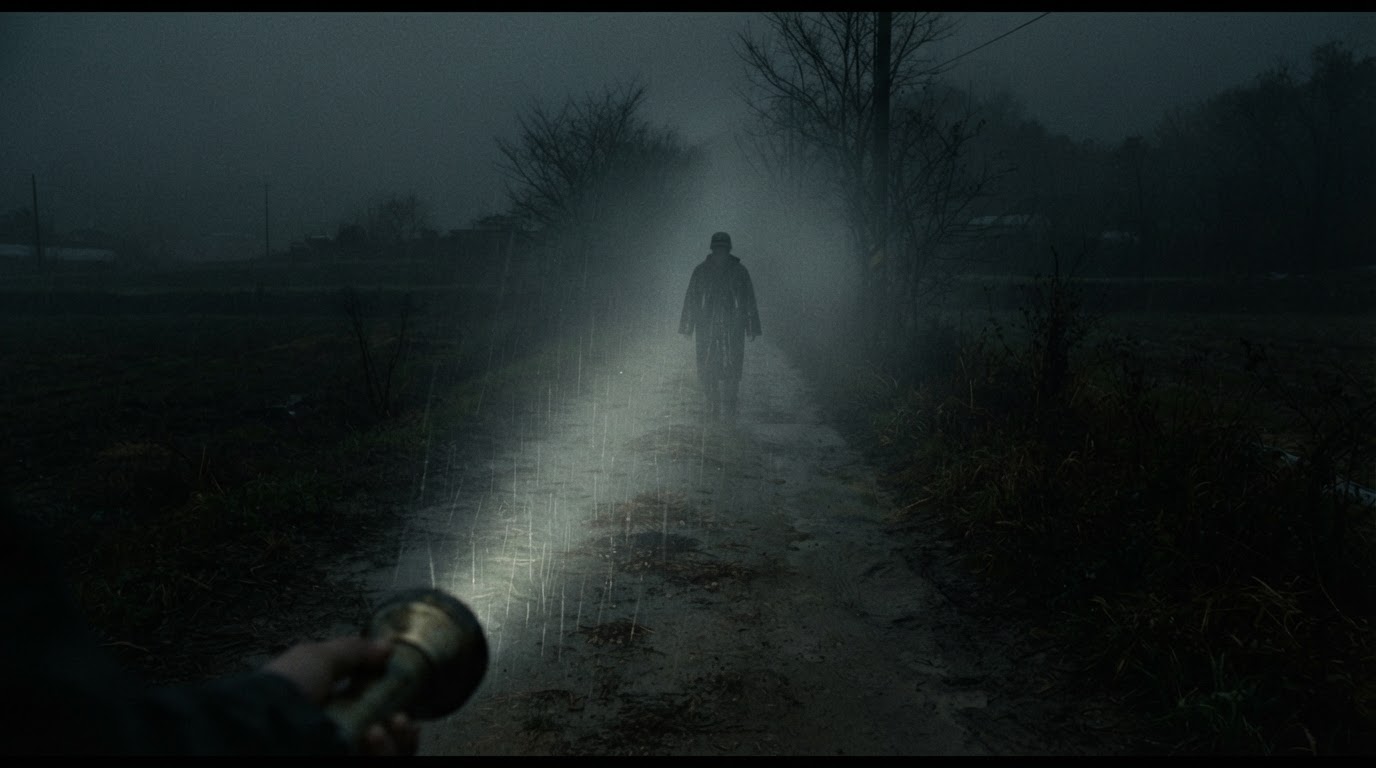
The first killing took place on September 15, 1986. Over the following four years and seven months, until April 3, 1991, ten murders occurred in the same district. The victims were women of widely varying ages and backgrounds, from a girl of thirteen to a woman of seventy-one. What they had in common was that most were attacked while walking alone, often on rainy nights or after dark. As the killings repeated, all of Hwaseong fell under a shadow of fear. Women avoided going out after sundown; a rumor spread that women in red were being targeted, and red clothing all but vanished from the village. Schools sent girls home early, and families walked out to meet loved ones on dark roads. In just a few years, a peaceful farming town had become a land of dread.
The figure that stalled me, when I first started assembling this file, was 2.05 million. I checked it against three separate summaries because it reads like a typo. It is not — it is a running total, the same officers counted again on each of two thousand mornings, walking the same paddy paths. What that number actually records is not manpower. It is repetition: an entire decade of men returning to ground that had already been searched, and searching it again.
The Largest Investigation Ever — and Repeated Failure
As the killings continued, police launched an investigation on an unprecedented scale. Over the roughly six years of the inquiry, a cumulative 2.05 million personnel were mobilized — the sum of hundreds to thousands of officers and support staff deployed day after day over many years. More than twenty thousand people were placed under suspicion, and over forty thousand fingerprints along with hundreds of DNA and hair samples were collected. Young men from the villages were summoned to the police station again and again for questioning, and a large share of the local population was reviewed as possible suspects at one time or another. Never before or since had so much national effort been poured into a single case.
Yet the investigation kept hitting a wall. In the late 1980s, Korea's forensic science was still in its infancy. There was essentially no domestic capability to analyze the microscopic traces recovered from the scenes, and some samples were even sent to Japan or overseas for testing. The decisive evidence may have been right in front of investigators, but the technology of the era simply could not read it. Compounding this were problems with the interrogation practices of the time. Under pressure to produce results, some investigations relied on coercion to extract confessions — a failing that would later lead to an irreversible tragedy. In the end, nine of the ten cases went unsolved, with no perpetrator identified. And so the Hwaseong murders became a byword for the unsolvable crime in South Korea.
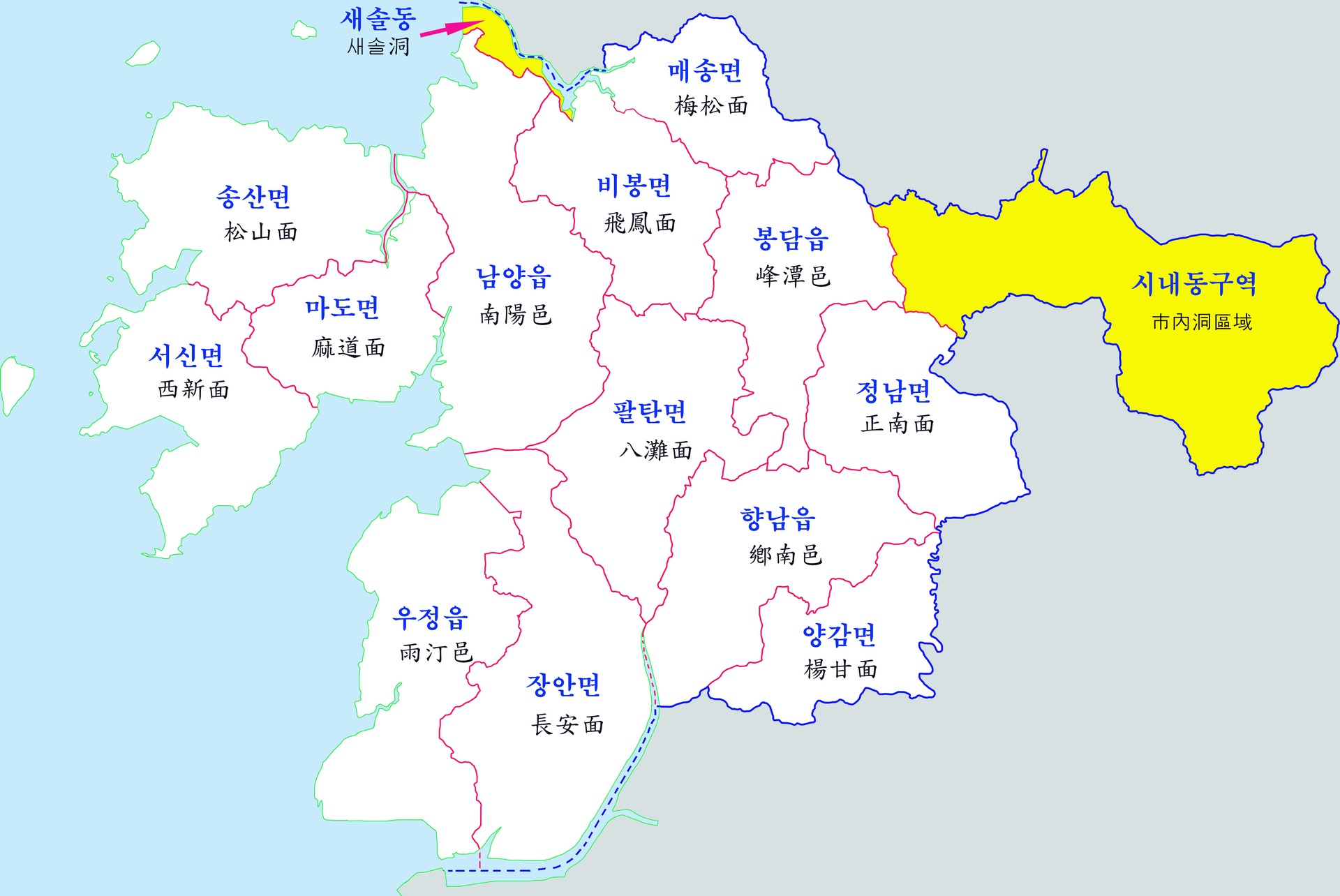
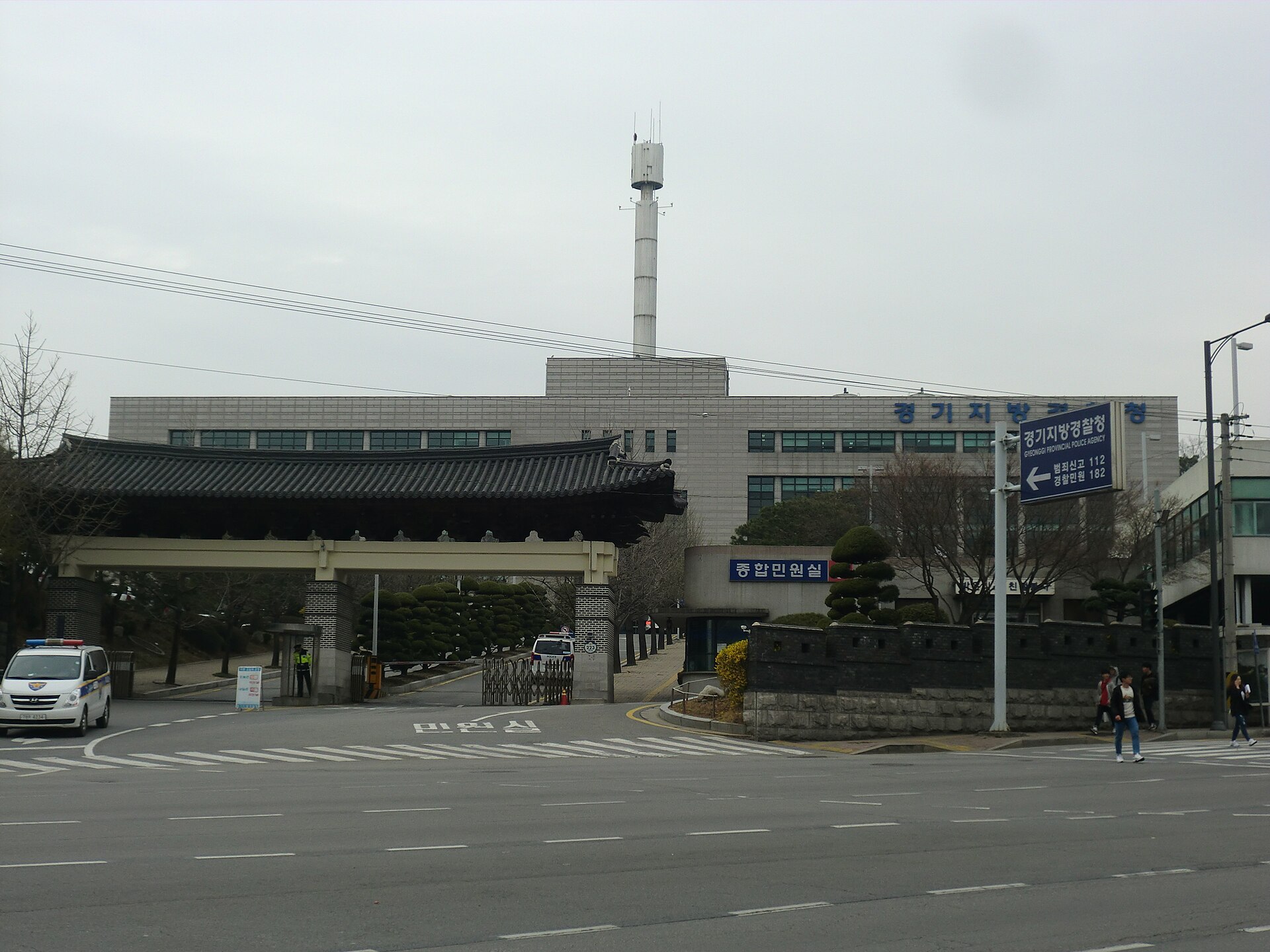
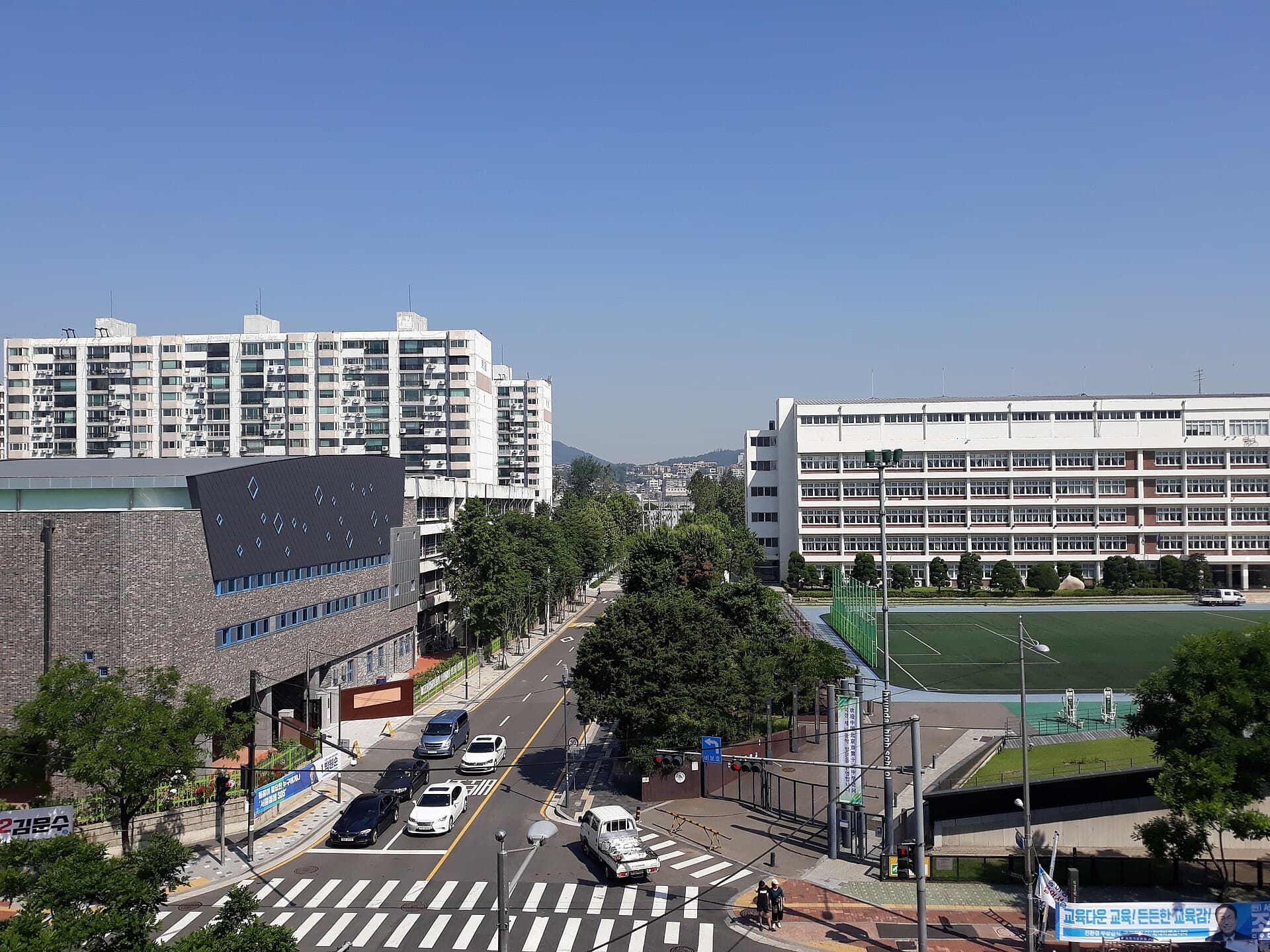
Photo: Wikimedia Commons, CC BY-SA 3.0
When the Unsolved Case Became a Film — "Memories of Murder"
As the years passed, the case seemed to slowly fade from public memory. Then, in 2003, director Bong Joon-ho released "Memories of Murder," a film inspired by the case, and the Hwaseong murders once again became a national talking point. The film does not reproduce the actual events exactly, but it vividly portrays a series of murders in a rural town, the helplessness of the detectives chasing them, and the suffocating frustration of never catching the killer. Above all, the fact that the case was still unsolved even as the film was being made and released left audiences with a chilling aftertaste.
The film's final scene became especially famous. Years later, a former detective returns to a crime scene, hears a child say she once saw the killer's face, and stares directly into the camera. It felt like a question thrown at the real perpetrator, who might be watching the film somewhere out there. In fact, after the true culprit was finally identified, whether he had ever seen the film became a topic of discussion in itself. It was a rare case of an unsolved crime becoming a cultural symbol, and of that symbol later meeting the truth of reality. It should be remembered, though, that the film is an adapted work of fiction and must be kept distinct from the factual record of the case.

Three Decades Cold, and the Evidence That Was Never Forgotten
The years passed indifferently. The detectives who had chased the case retired one by one, and the victims' families grew old without ever learning the truth. Because the very name "Hwaseong" evoked the killings, the region — which later grew into a larger city and gained prominence — at times found the association burdensome. In people's memories, the Hwaseong murders hardened into "a mystery that would never be solved."
But one thing had not been forgotten: the evidence recovered from the scenes at the time and preserved ever since. Microscopic traces that could not be analyzed in the late 1980s had lain dormant for decades in a corner of the police evidence room. In the meantime, the world's science had advanced dramatically. DNA analysis, which did not even exist in the 1980s, had by the 2010s become precise enough to identify an individual from the tiniest sample. And so in 2019, the Gyeonggi Nambu Provincial Police Agency, re-examining old cold cases, decided to re-analyze that aging evidence with the latest technology. It was the moment when evidence that had slept for more than thirty years would finally speak.
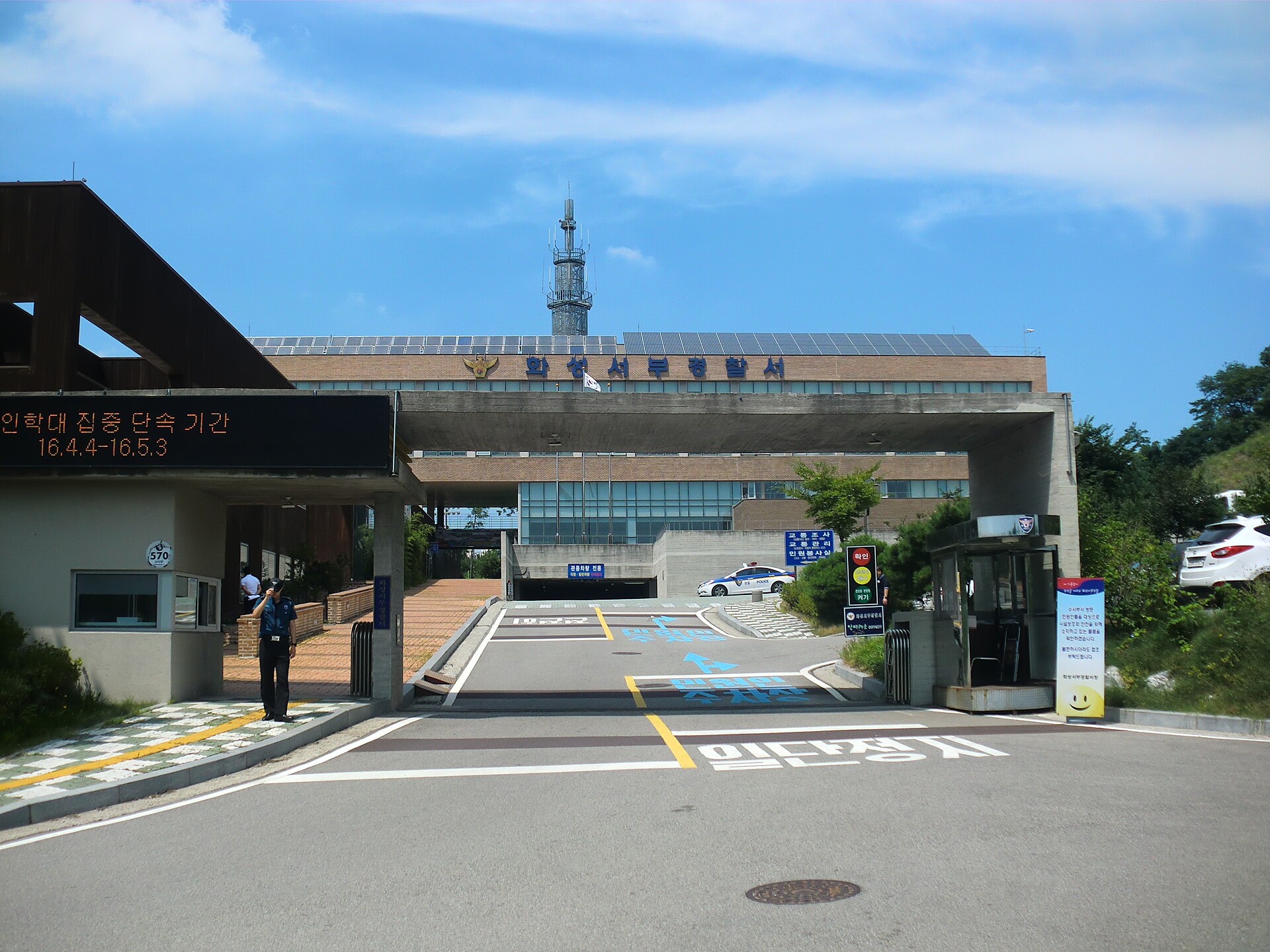
Photo: Wikimedia Commons, CC BY-SA 4.0
2019: The Twist DNA Revealed
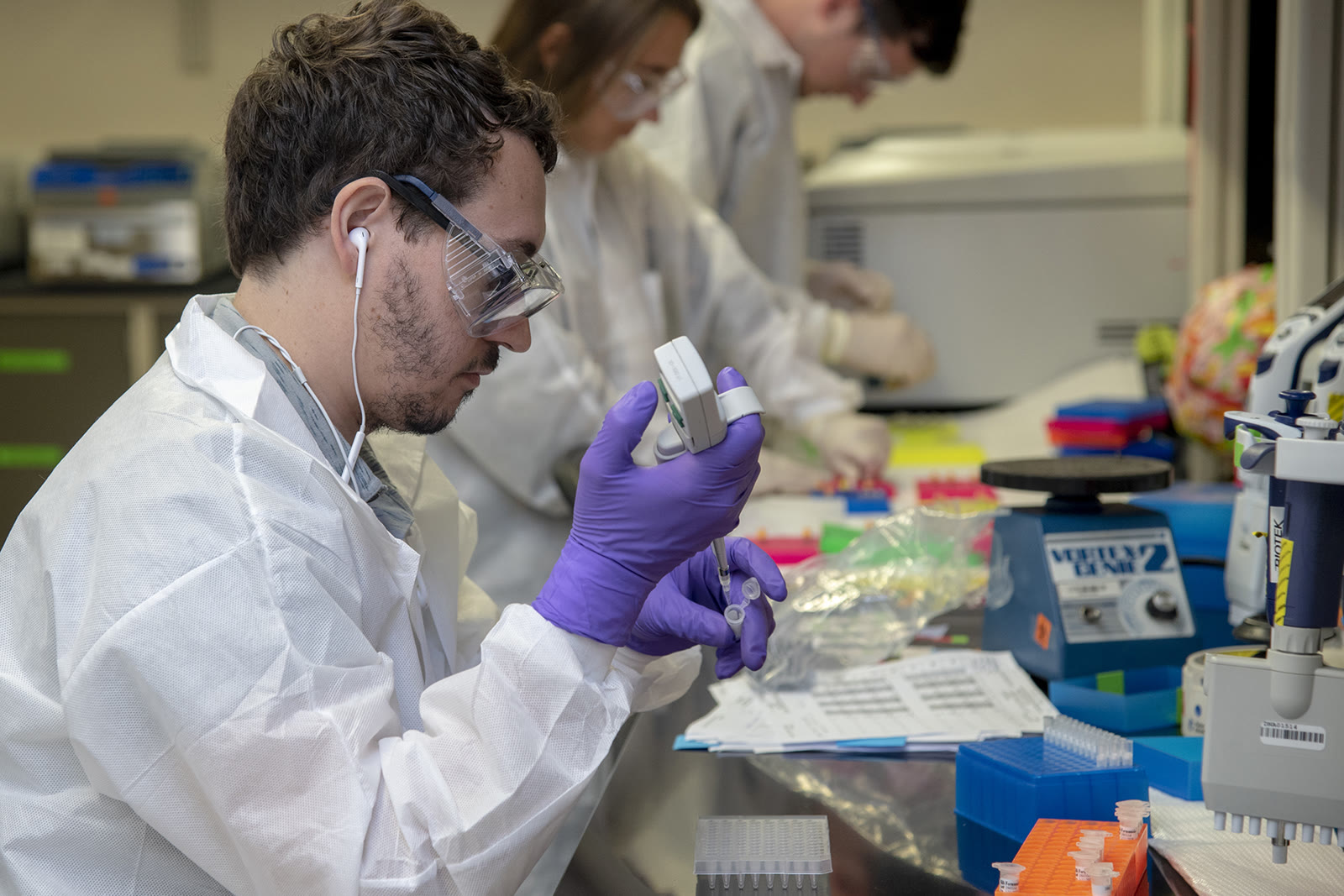
In September 2019, police made an announcement that stunned the entire country. DNA extracted from evidence in the Hwaseong serial murders matched the genetic profile of a man already imprisoned for a different crime. His name was Lee Chun-jae. Remarkably, he had not slipped past the investigative net entirely; on the contrary, as a resident of the Hwaseong area, he had at one point been among those questioned in the early inquiry, only to be released for lack of decisive evidence. A man who had been inside the net, but was missed because of the limits of the technology, had been caught again by the science of three decades later.
Even more shocking was the fact that he had long been serving a life sentence for another murder. In 1994 he had been arrested and convicted for the murder of his sister-in-law, with a life sentence finalized. In other words, the true killer of Hwaseong had not been hiding somewhere in the world — he had already been locked away for decades for another crime. After the DNA match was confirmed, Lee reversed his initial denials during police questioning and confessed to most of the Hwaseong murders. What he disclosed went beyond Hwaseong: including previously unknown cases, he stated that he had committed fourteen murders in total. The identity of a presence that had long remained a "faceless killer" was finally revealed by a single sliver of DNA drawn from old evidence.


The 8th Case: Another Tragedy — The Man Robbed of 20 Years
Lee's confession solved a long-standing mystery, but it also brought a buried tragedy into the open. It concerned the eighth case. Alone among the Hwaseong murders, the 8th case had appeared to be closed long ago, with a perpetrator arrested and punished. In 1989, a man named Yoon Seong-yeo, then twenty-two years old, had been named as the culprit of the 8th case, arrested, and given a life sentence — spending nearly twenty years in prison. But when Lee confessed that the 8th case, too, had been his doing, it became clear that Yoon had lost his entire youth in prison for a crime he never committed.
Yoon's story became a defining example of the tragedy that coerced interrogation can produce. He had insisted for years that he was not the killer, but for a long time that voice reached no one. After the true perpetrator was identified, he petitioned for a retrial, and on December 17, 2020, the court finally declared him not guilty — more than thirty years after the crime. In the retrial courtroom, the bench apologized for the flawed investigation and verdict of the past. The failure to catch the real killer had not ended merely as an unsolved case; it had extended into another kind of tragedy, one that stripped an innocent man of his entire life. It is a stark reminder that the wounds left by the Hwaseong case were not confined to its ten victims.
The Statute of Limitations, and What Remains
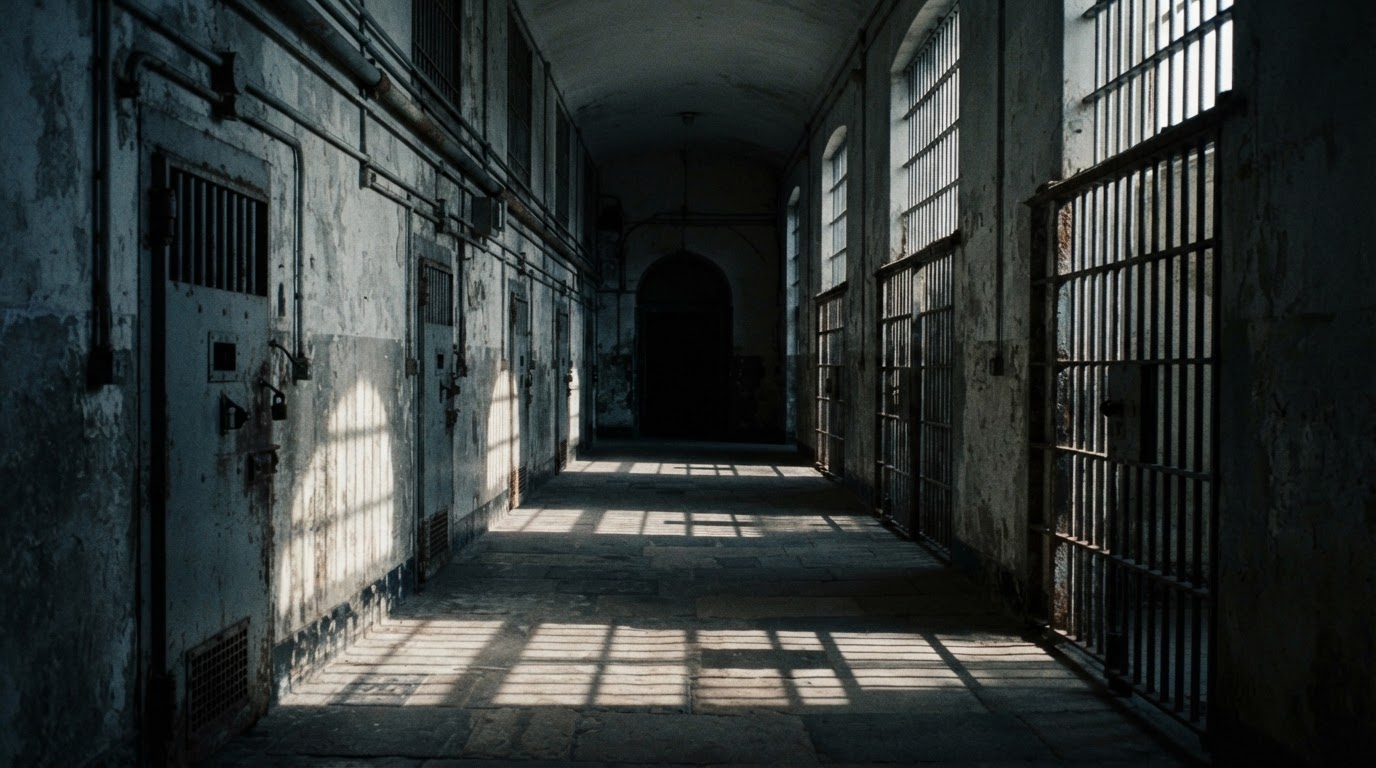
The true killer had been identified and had even confessed, yet the law could not hold Lee Chun-jae accountable for the Hwaseong murders. At the time of the crimes, the statute of limitations for murder in Korea was fifteen years, and for most of the Hwaseong cases that period had already expired in the early-to-mid 2000s. No matter that the real perpetrator had been confirmed and had confessed — legally, he could no longer be tried or punished for those crimes. Lee remains in prison because he was already serving a life sentence for his sister-in-law's murder, but justice for those who lost their lives in Hwaseong was never delivered.
It was partly out of the awareness raised by cases like these that South Korea, in 2015, abolished the statute of limitations for murder through what is known as the "Tae-wan Law." However, that law did not apply retroactively to cases whose limitation periods had already lapsed, so it could not reach the Hwaseong murders. It was a half-resolution: the truth was revealed, but justice was left incomplete. Even so, the case left the country with a great deal. It showed that no matter how many years pass, preserving evidence and waiting for science to advance can bring us closer to the truth — and it delivered a painful lesson about how hasty, coercive investigation can destroy the life of an innocent person.

What Lingers
The Hwaseong serial murders hold many layers of story. From 1986 to 1991, ten women lost their lives in a single farming region, and despite the largest investigation ever, the killer was not caught. The case stayed unsolved for more than thirty years and inspired a film, and during that time an innocent man spent twenty years in prison. Then, in 2019, a single sliver of DNA drawn from old evidence brought the name Lee Chun-jae into the light and put a period on the long mystery. But that period marked not the completion of justice; it was a half-ending, halted before an expired statute of limitations.
There is one line in my notes I have never been able to move past, and it is not about the killer. In 1994, Lee Chun-jae was arrested, tried and given life for his sister-in-law's murder — and from that year onward, while the country was still mobilizing thousands of men to look for him, he was already indexed, already fingerprinted, already sitting still. For twenty-five years the answer was inside the system, filed under a different crime. I have gone through the sequence repeatedly and the arithmetic does not soften. Yoon Seong-yeo was in a cell for those years too.
What we can say with certainty about this case today is that the truth did, in the end, come out. The identity of the faceless killer was revealed, and the man who had been wrongly imprisoned was, however belatedly, cleared of the false charge. Science reached beyond the limits of its era to shine a light on a long-ago darkness. Yet the lost years and lost lives can never be brought back by anything. The old fear that once lay over the rice fields of Hwaseong has lifted — but the weight of the wounds that fear left behind still remains with us.
---
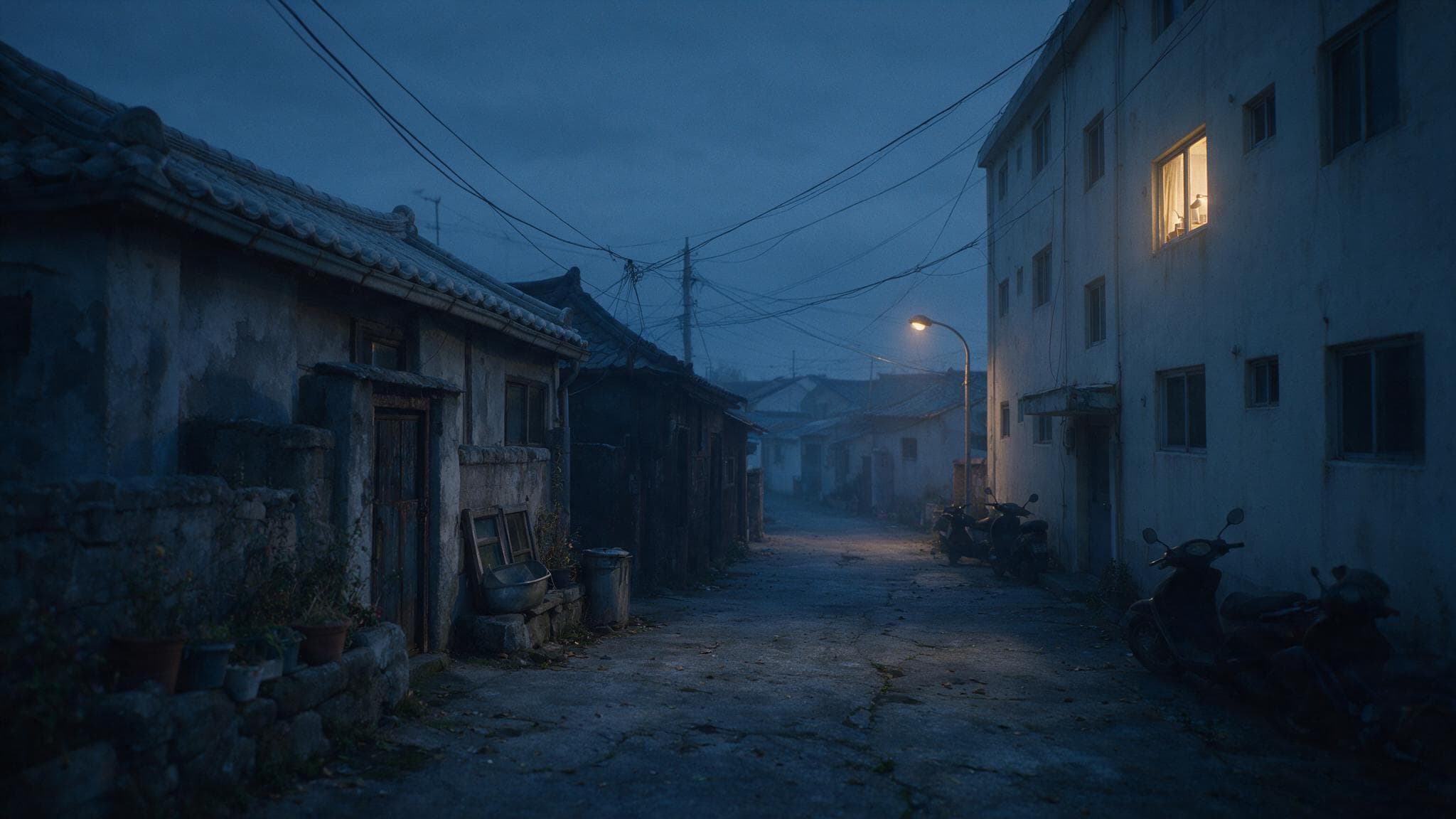
This article combines real photographs and maps of the area and the investigating agencies with AI-generated images produced to convey the mood of the story.
Comments
No comments yet — leave the first one.