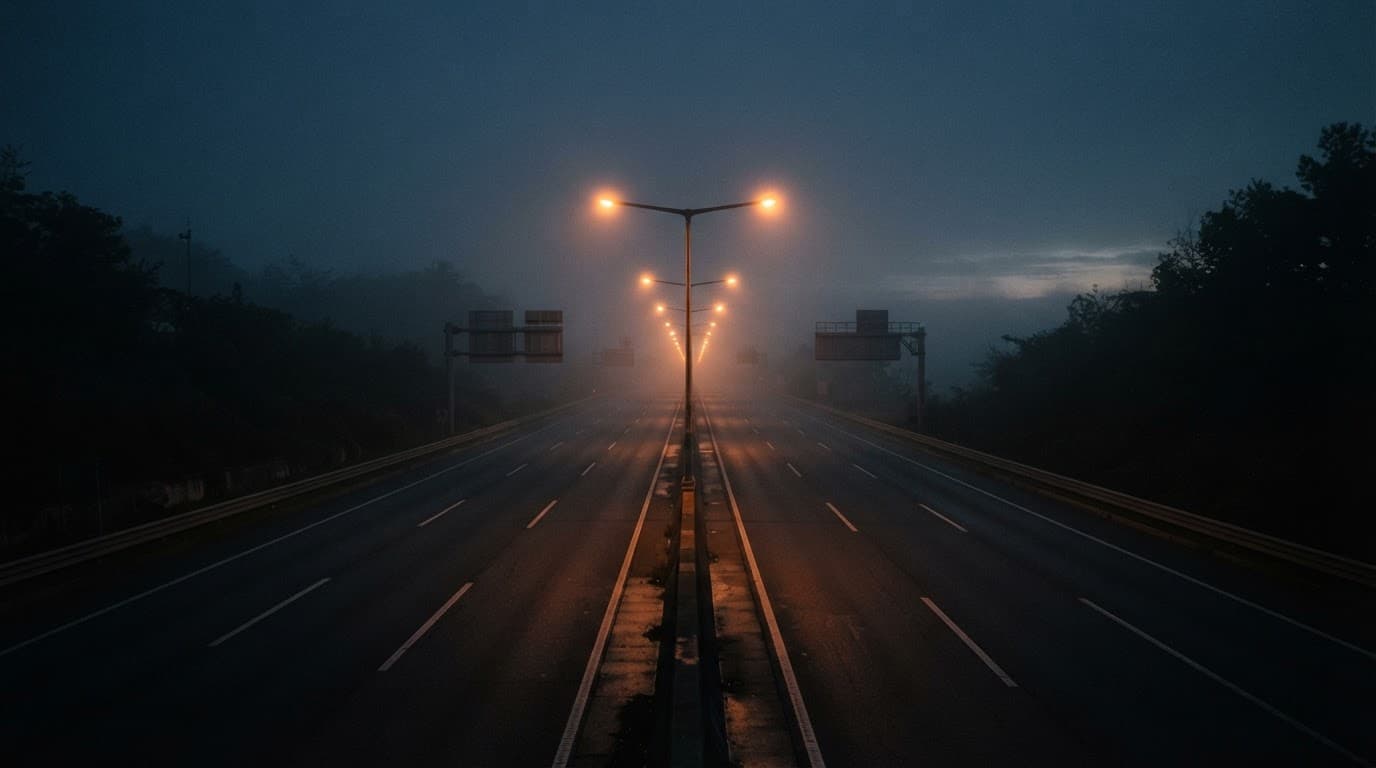
Two in the morning. The fog has swallowed the road.
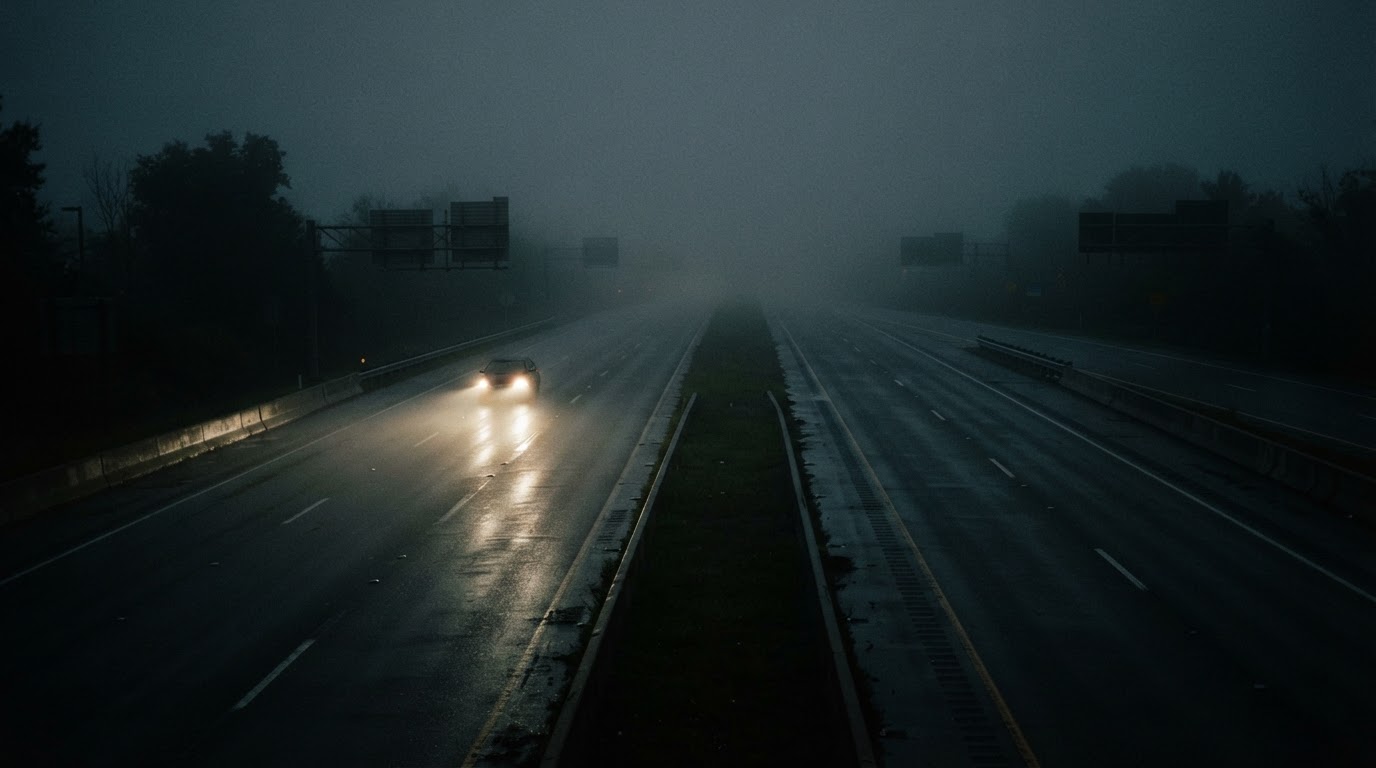
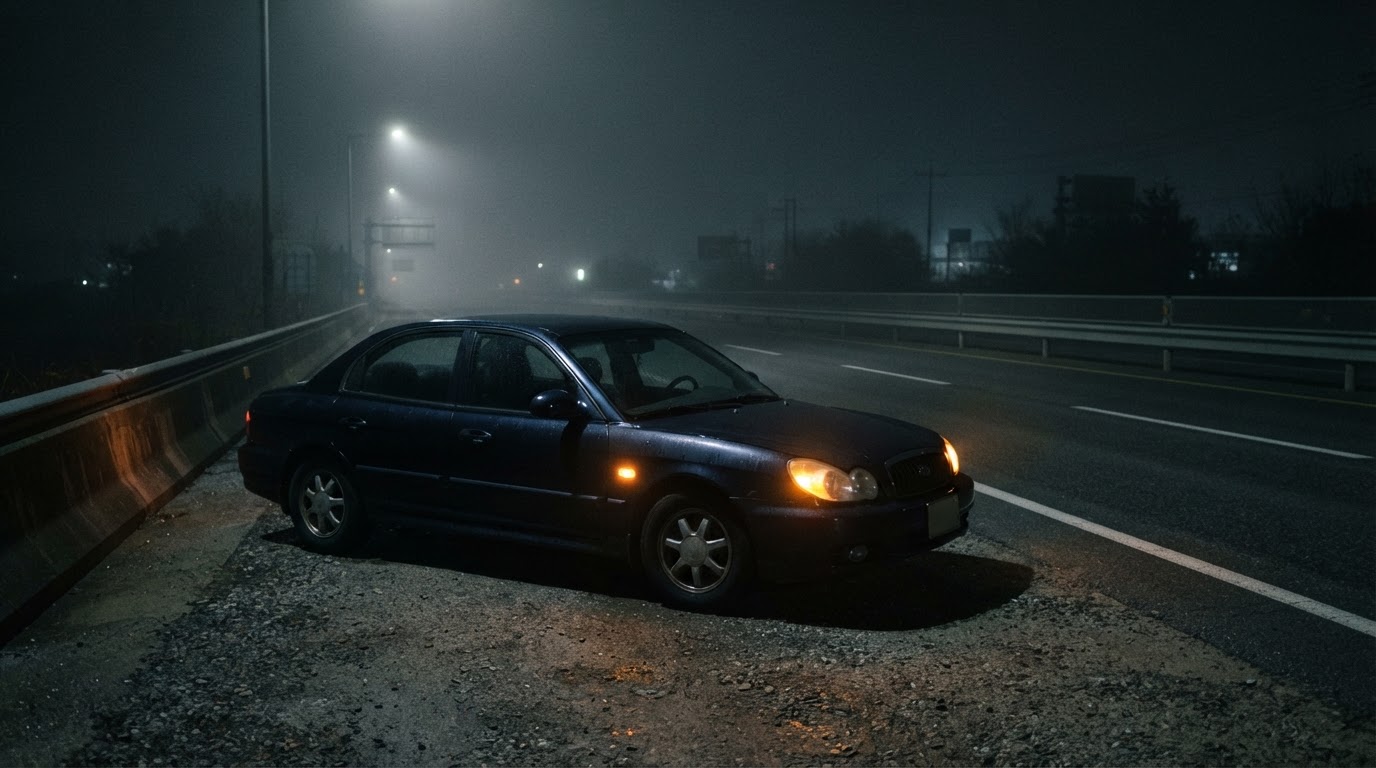
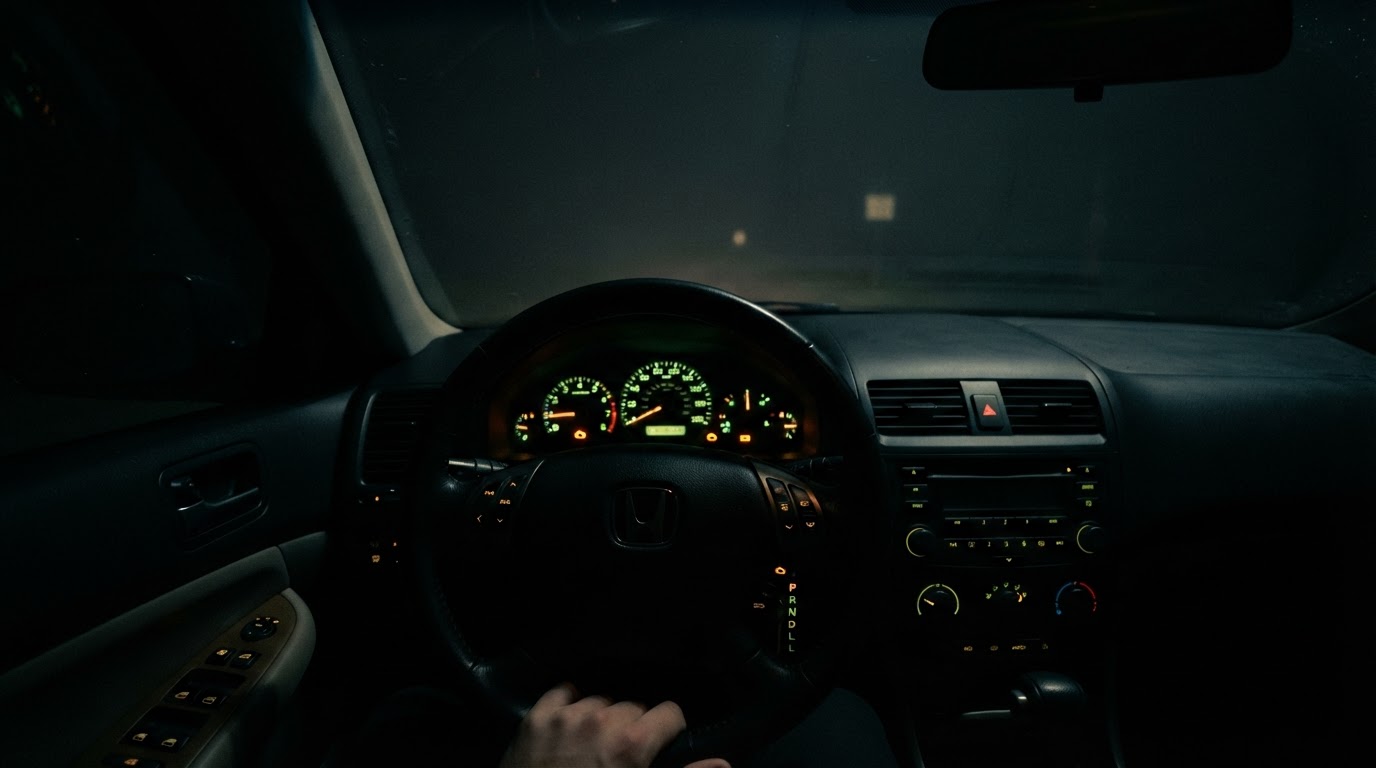
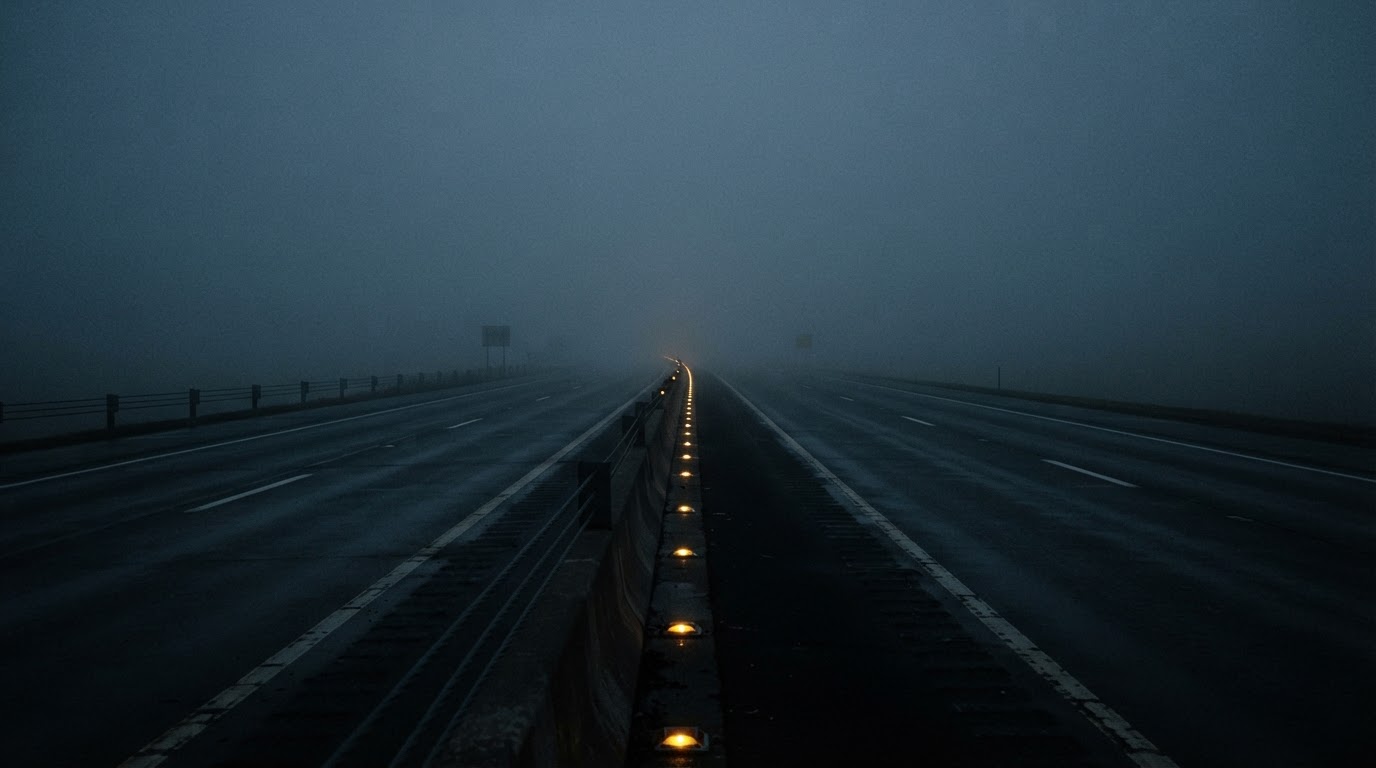
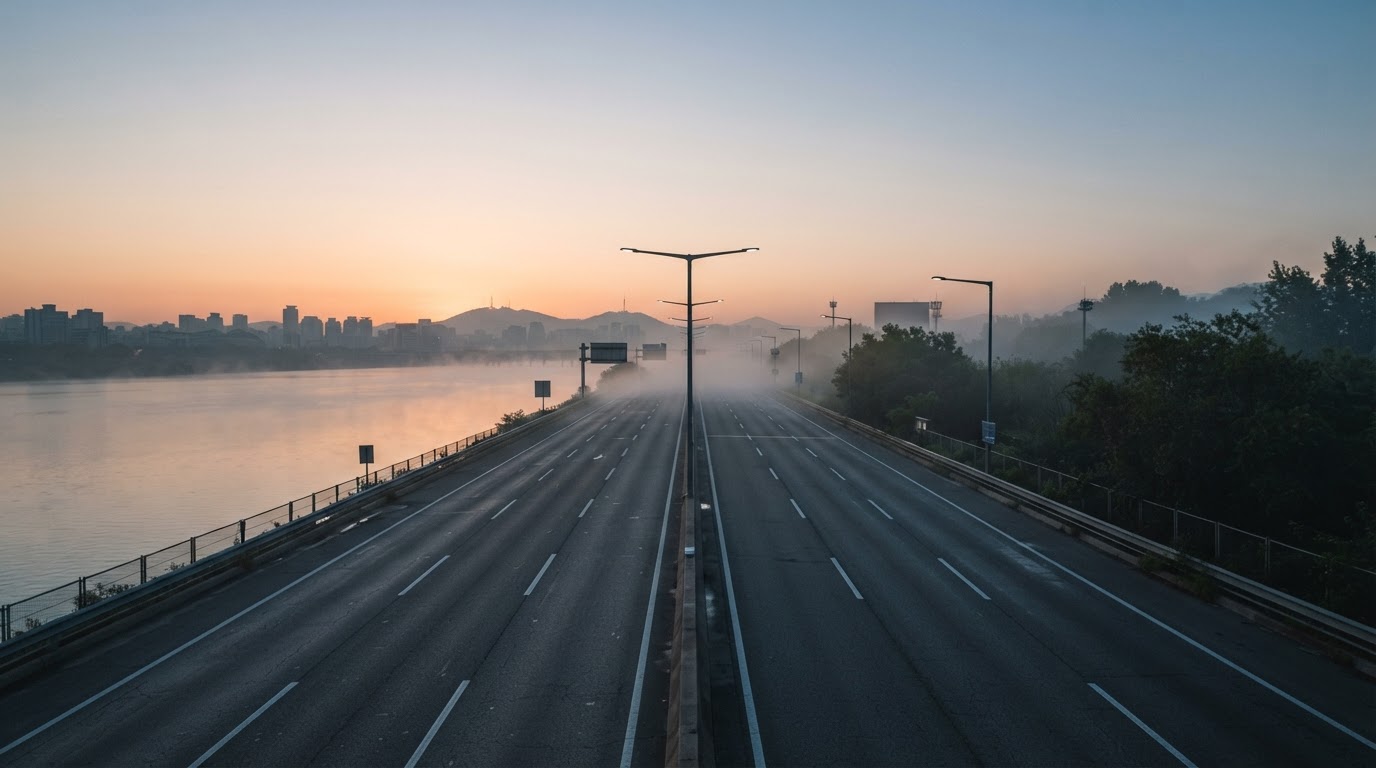
The Jayu Motorway, heading toward Gimpo — eight lanes, all of them empty. Your headlights push into the dark, but the beams shatter against the fog five meters out and scatter into nothing. Only the orange sodium lamps survive, drifting past in even intervals — one, then another, then another. On this dead-straight stretch that runs along the mouth of the Han River, a hundred kilometers an hour feels like standing still. The radio hisses static, and the green glow of your instrument cluster is the only living color left. And there, up ahead, near the shoulder — something white is standing.
It is a person. A woman. She is wearing white — sobok, the funeral clothing Koreans wear to mourn the dead — and she is standing alone on the shoulder of a motorway, at this hour, in this fog, her face turned toward you. Your heart skips a beat. Your foot finds the brake, but you have already passed her. And you look in the mirror.
The story goes like this. In the mirror, there is no one.
The Stage Called Jayuro
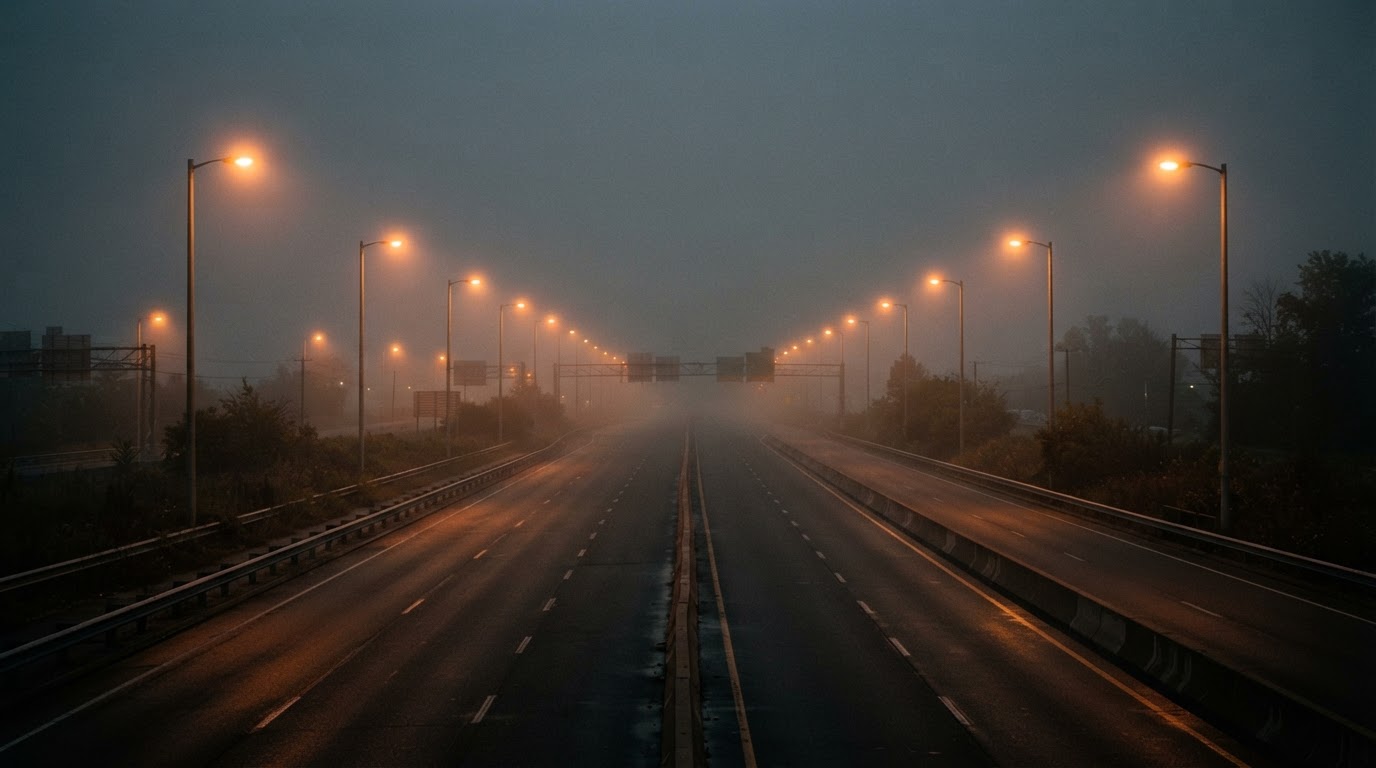
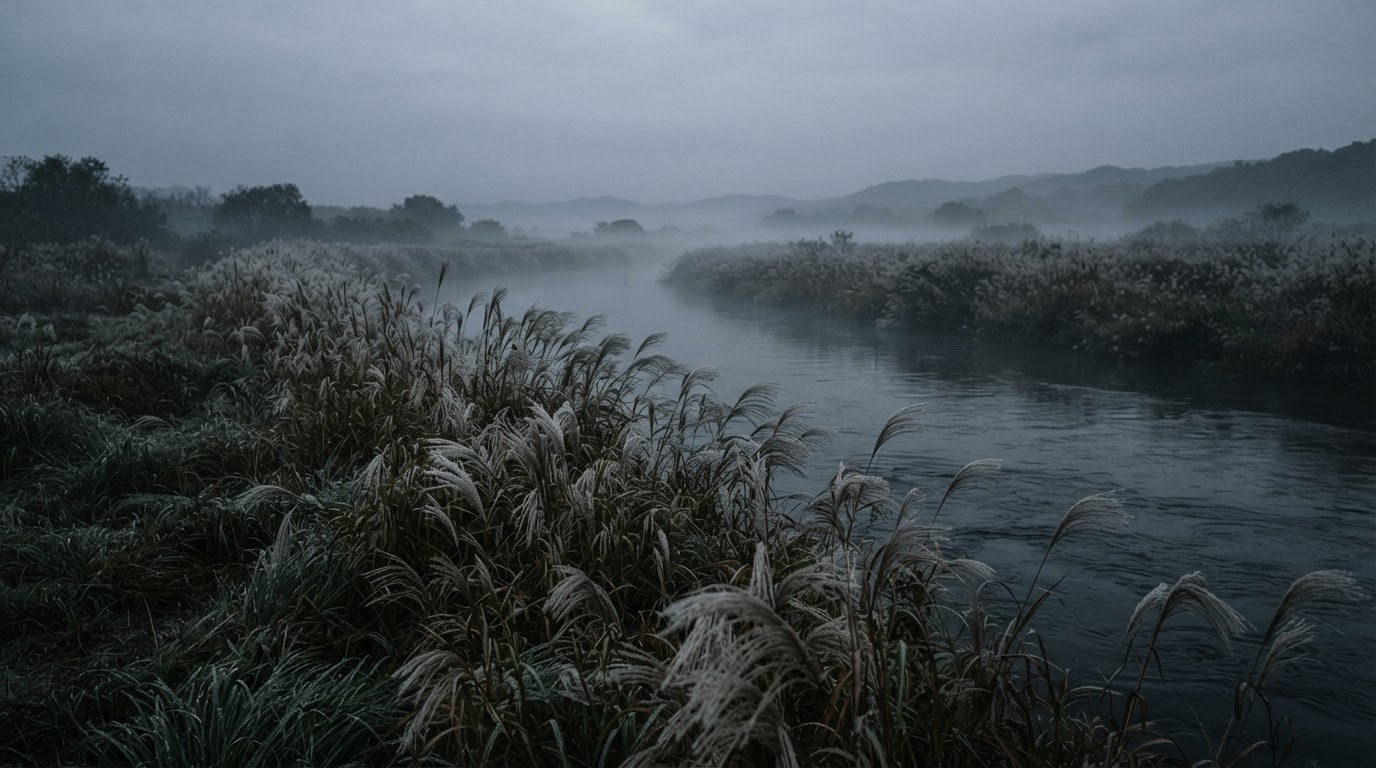
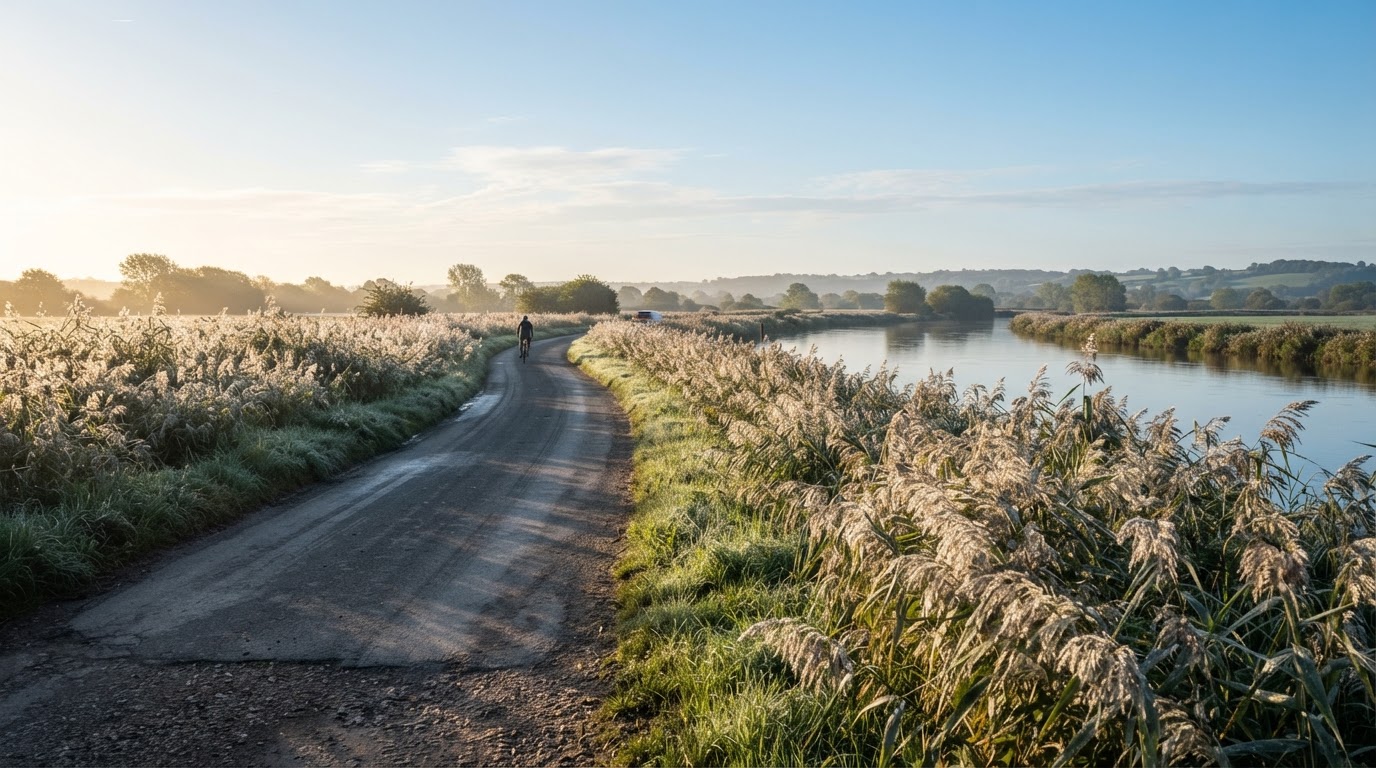
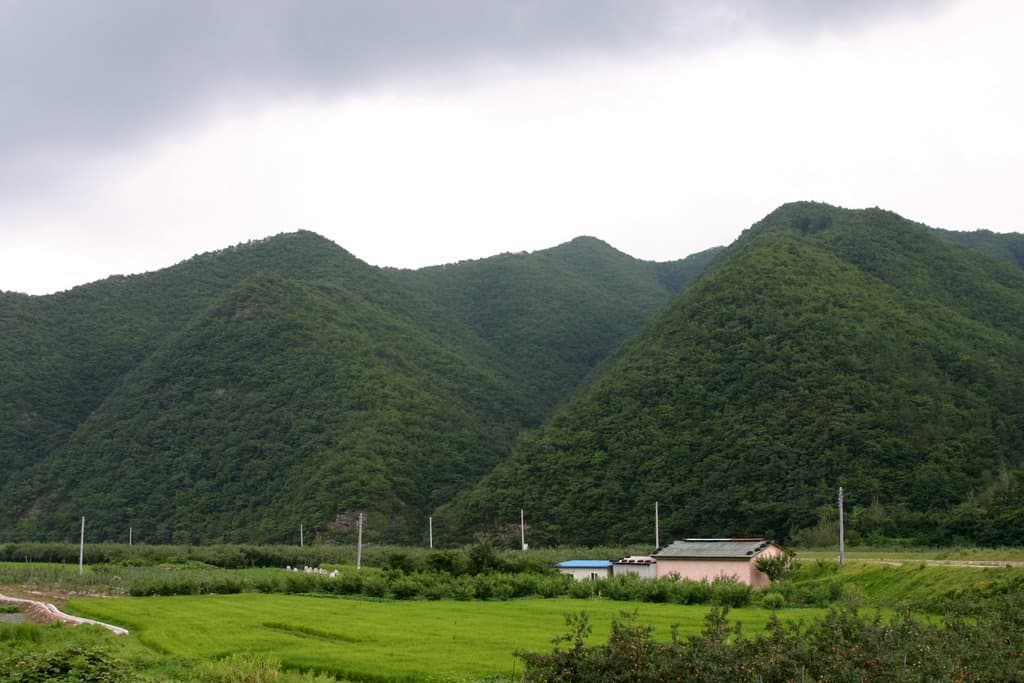
Korea has no shortage of road legends, but among them the Jayuro Ghost holds an unusually specific set of coordinates. The Jayu Motorway — Jayuro — runs roughly forty-seven kilometers from Seoul's Gangseo district, along the mouth of the Han River, all the way to Imjingak in Paju, near the border. The name means, quite literally, "the road toward freedom" — a symbolic artery in a divided country, pointed at reunification and peace. By day it is an ordinary, even beautiful, riverside highway. Silver reed fields ripple along its edge, the far bank of the river carries you within sight of the North, and on weekends it fills with cyclists and families out for the day.
But at night — and especially between one and four in the morning — the story goes that Jayuro wears a different face.
This is an article about that other face. What the Jayuro Ghost is said to be, why this road in particular, what patterns the sightings share, and — even if you don't believe a word of it — why no one who has driven the Jayuro alone before dawn ever quite forgets its silence.
I started this file expecting the usual mess of a road legend and instead found something closer to a dataset. The accounts name interchanges — Isanpo, Jangwol — with a precision that ghost stories almost never bother with. Whoever was telling these knew the road well enough to place the woman at a specific exit rather than simply "on the motorway." I have sorted them by location more than once, and the clustering does not scatter the way invention usually does.
The Catalogue of Sightings: What People Say They See
The Jayuro Ghost is not fixed into a single shape. There are several versions, and those versions overlap and diverge until they form a whole family of legends. Community forum posts, late-night radio call-ins, the stories that circulate quietly among taxi drivers — gather the fragments and roughly this catalogue emerges.
The Woman in White on the Shoulder
This is the most famous and the most archetypal version. Near the Isanpo interchange or the Jangwol interchange, on the shoulder, a woman stands alone in white funeral robes. Usually her long hair hangs loose, her face is lost in the fog, and she is turned toward the passing cars. When the startled driver checks the rearview or side mirror, the spot where she so clearly stood a moment ago is empty. In some versions, the very next instant her face is pressed against the passenger window. That part is where every teller adds a little flesh of their own.
The Vanishing Hitchhiker
The second version connects precisely to the universal template of road legends worldwide. Before dawn, you stop for a woman with her hand raised on the shoulder. She sits quietly in the passenger seat and gives a destination — usually the riverside, or a certain cemetery, or a specific apartment complex. She does not answer when you speak to her. Some time later, near the destination, you glance to your right without thinking — and the passenger seat is empty. The seatbelt still fastened across nothing. The door was never opened.
The Figure That Appears in Front of You
The third is the most dangerous version. The woman appears not on the shoulder but in the middle of the lane — directly in your headlights, out of nowhere. The driver wrenches the wheel by reflex. There is no impact, no sound. When you look up again, the road is empty. The story goes — and here people lower their voices — that no one likes to say too much about where the swerving cars ended up.
The Stories the Night Taxi Drivers Tell
The Jayuro Ghost has survived so stubbornly in part because it has a specific class of tellers — the people who drive this road most in the dead of night: taxi drivers.
The story that circulates among them usually runs like this. Before dawn, you pick up a passenger who raised a hand from the shoulder. The destination is strange — somewhere by the river, an empty lot, near a cemetery. You start the meter and drive a long while. The passenger sits quiet in the back seat. Then you glance in the mirror and the back seat is empty. The meter is still running, and where someone was so clearly sitting a moment ago, there is no trace at all.
This is the Korean version of the ghost-passenger tale that exists everywhere on earth. But bound to the specific stage of Jayuro, it took on its own particular texture. The things late-shift call-taxi drivers trade over the radio or at rest stops, the "it happened to me too" posts that appear in online driver communities — these lend the legend the weight of firsthand testimony from people who actually do the job. Of course, there is no way to verify any of it. But that very unverifiability is the lifeblood of a legend.
Why Jayuro? The Geography of the Road
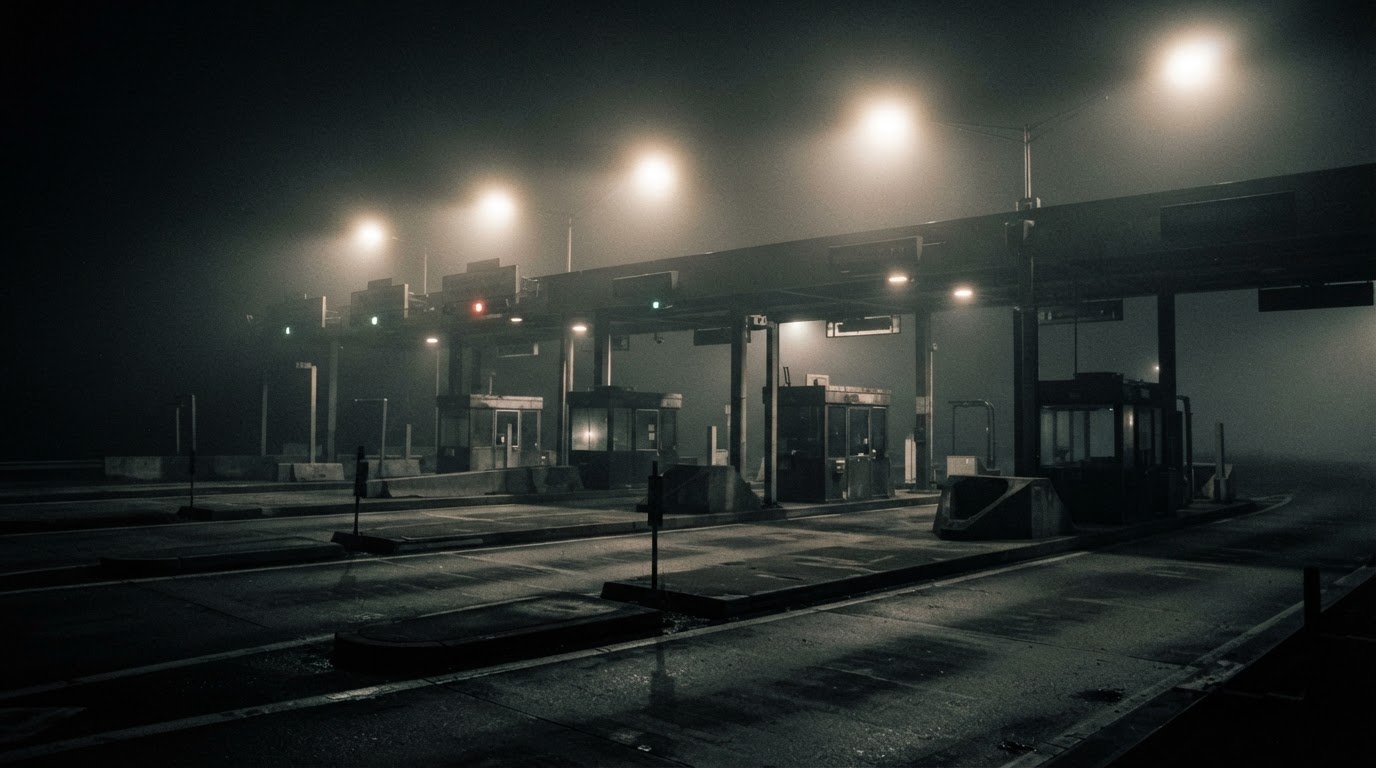
Of all the roads in Korea, why did this legend attach itself to Jayuro? It is not an accident. The physical conditions of the road itself are the perfect soil for a story like this.
The Fog Belt of the River Mouth
The first is the fog. Jayuro runs along the mouths of the Han and Imjin rivers. Broad expanses of water, wetlands, and reed fields sit right at the road's edge, and when the temperature drops between night and dawn, vapor rising off the water lays a thick fog across the road. On spring and autumn mornings especially, there are several notorious stretches where visibility collapses to a few dozen meters. Fog is itself a medium of dread. It erases forms, distorts distance, makes what is there look absent and what is absent look present. In fog, the human eye is forever trying to complete something.
Straight Lines, Darkness, Speed
The second is the road's form. Jayuro runs long and dead-straight along the river. There are few curves, no traffic signals, and before dawn the speed naturally climbs. There are sodium lamps, but the intervals are wide, so light and dark alternate in a steady rhythm. Bright — dark — bright — dark. What that repetition does to a tired pre-dawn brain we will return to shortly. The point is this: a long straightaway, wide darkness, repeating light, and a black river running alongside — this is the perfect combination of the exact conditions under which human perception is most easily fooled.
The Road of Division, Running Beside the Wire
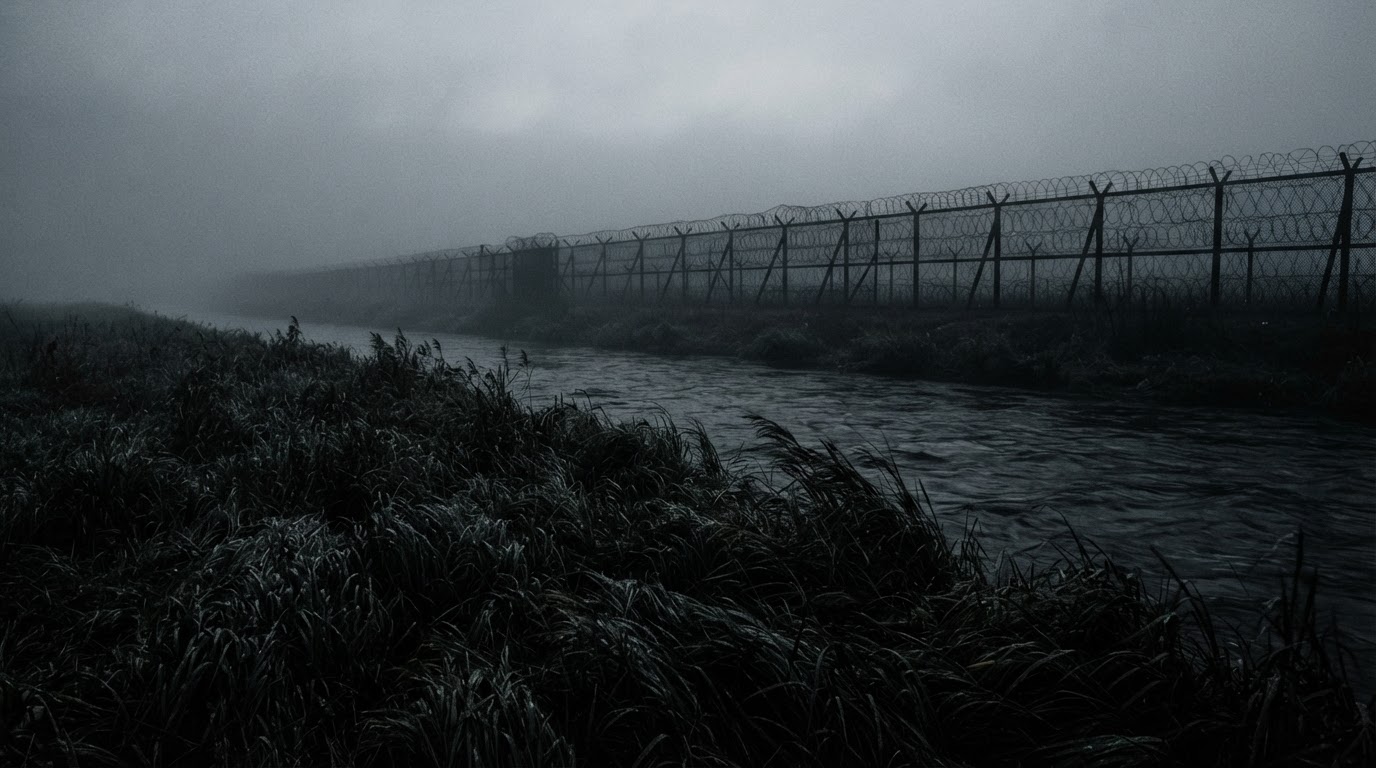
The third is emotional geography. A long portion of Jayuro runs directly beside the barbed-wire fence built along the Han and Imjin river mouths. Across the water lies land where no one lives, or the territory of the North. Even by day, guard posts stand along this stretch, and by night the darkness beyond the wire is absolute. The name "Jayuro" points toward reunification and peace, but drive it alone before dawn and the opposite feeling rises — that this is a borderland, that the far bank is unreachable, that the road leads somewhere but its end is sealed. The particular melancholy of a divided country soaks into this road at night.
The Road's Darker Layer: The Facts the Story Leans On
Legends usually take root in some grain of reality and grow from it. The Jayuro Ghost is no different. This road has "layers" the story can lean against.
Jayuro is a relatively young road, built in the 1990s as the mouth of the Han River was reclaimed and developed. It was laid across broad wetlands and riverbanks, and for a long time after it opened it carried a reputation as an accident-prone stretch. Speeding on the long straightaways, the thick pre-dawn fog, pedestrians wandering onto the shoulder — these factors combined, and it is understood as fact that accidents were frequent here. Once a road earns a reputation as "a dangerous road," that reputation naturally becomes a breeding ground for ghost stories, because people want to place a tale where accident and death have been.
Here the article deliberately slows its step. Tallying up specific accidents or deaths is not the purpose of this story. Let it be said only this way: that Jayuro was long regarded as "a road to be careful on," and that on top of that carefulness, people placed a woman in white funeral clothes. A legend does not speak in statistics. A legend speaks in a feeling — the feeling that there is something on this road, that you should not be driving it alone before dawn.
Analyzing the Pattern: Three Things Always Coincide
Lay out dozens of Jayuro Ghost accounts side by side and a startlingly consistent pattern emerges. Almost every story shares three conditions.
First, the time is always between one and four in the morning. Not just before midnight, not around first light. That exact window when the human body clock bottoms out — when core temperature is lowest, alertness is at its weakest, and drowsiness presses hardest.
Second, there is always fog. Accounts of seeing the Jayuro Ghost on a clear night are rare. The thicker the fog, the thicker the sightings.
Third, the witness is always alone. Almost no one reports seeing the Jayuro Ghost from a car with passengers. It is never a situation where someone in the next seat could confirm it together — it is always someone driving alone, seeing alone, startled alone.
That these three conditions — pre-dawn, fog, alone — always appear together is the largest clue to what the Jayuro Ghost actually is. It is less evidence that something is truly out there on the road, and more evidence of how human perception behaves under a very specific set of conditions.
The Rational Explanations: The Phantoms a Pre-Dawn Road Makes
If you would rather not make the Jayuro Ghost "real," several phenomena explain the story completely. And curiously, these rational explanations do not erase the legend — they make it more chilling, because they move the problem off the road and into the driver's own brain.
Highway Hypnosis and Microsleep
When you drive a long, monotonous straightaway, the brain slips into a kind of autopilot. This is called highway hypnosis. The road ahead stays the same, the lamps sweep past on a regular beat, the engine drones on one note. In that monotony, consciousness dims, and at worst part of the brain falls asleep for a few seconds — a microsleep. The eyes stay open but the brain briefly switches off. In that short gap, an ordinary roadside object — a sign, a tree, a standing marker, something on the shoulder — can be reinterpreted by dream logic and appear as a "person." The one-to-four-a.m. window is exactly when microsleep is most likely.
Pareidolia in the Fog
The human brain evolved to find faces and figures in ambiguous shapes. This is pareidolia, and fog pushes the habit to its limit. A sign in the fog, a lamppost, a clump of reeds, some distant object — when they all lose their outlines and blur, the brain fills the blur with the most familiar form it has. The human form. And if that blur happens to be white — a white sign, a white object, headlights reflected off the mist — it completes itself perfectly into the silhouette of a woman in white funeral robes.
The Real Pedestrian on the Shoulder
The bitterest explanation is this one. On roads like Jayuro, there really are people on the shoulder sometimes. A driver out of a broken-down car, a pedestrian about to cross where they shouldn't, someone dealing with an accident. Glimpse such a real person in the pre-dawn fog, and the startled brain warps it into memory as "there a moment ago and then gone." At a hundred kilometers an hour, of course they aren't in your mirror a second later — they are already dozens of meters back in the fog. But frightened perception seals the scene as "there, then vanished."
None of these explanations kills the Jayuro Ghost entirely. They only move it — off the road, and into the tired brain of the person who sees it.
How the Legend Spread: From the Dial-Up BBS to YouTube
The Jayuro Ghost is not a story invented by one particular person. It is a living legend that grew a little larger with each era of Korean internet culture it passed through.
The oldest seed reaches back to the days of the dial-up networks. On the ghost-story boards of early services like Hitel and Nownuri, posts of the "I saw something strange on Jayuro" variety were already circulating. The screen was nothing but black-and-white text, there was no way to know who the writer was, and that very anonymity gave the story its force. A faceless someone insisting they "really experienced it" on a pre-dawn road is far harder to shake off than a named author's fiction.
Into the 2000s, the story moved its stage to the ghost-story boards of internet communities. On sites like DCInside and others, the Jayuro Ghost became a recurring subject, and the versions multiplied and blended. The woman on the shoulder, the vanishing hitchhiker, the figure that appears ahead — these three strands tangled together in this period and hardened into a single family of legends.
And late-night broadcasting and content culture nailed the creature into the public imagination. Mystery-reenactment programs in the vein of Surprise, the listener-story segments of late-night radio, and today's YouTube ghost-story channels and podcasts — the Jayuro Ghost has ridden a new medium in every generation. With each new medium the story was rewritten a little, but the core — pre-dawn, fog, the woman in white on the shoulder — never changed.
The World's Road Ghosts: The Universality of the Vanishing Hitchhiker
Step back from the Jayuro Ghost and you realize it is not remotely a Korea-only thing. It is the Korean version of a very old story-shape that recurs wherever humans have laid a road.
Folklorists have given the shape a name: the vanishing hitchhiker. You pick up a young woman on a night road. She names a destination and sits quietly, then vanishes without a trace as you arrive. Later you learn she was someone who died on that road long ago — this skeleton is scattered all over the world. Outside Chicago there is Resurrection Mary, the ghost of a girl killed coming home from a dance. In Portugal there is Teresa Fidalgo, the woman who vanishes on a night road. Teresa Fidalgo resembles the Jayuro Ghost almost like a sibling — night, road, a vanishing woman, and even the controversy over "real footage" that supposedly captured it. Japan has countless ghost stories bound to tunnels and mountain passes. The form differs a little from country to country, but the skeleton is astonishingly the same.
Why do cultures that never met repeat the same story? Consider what a road is to a human being. A road is an "in-between space" — belonging neither here nor there, a no-man's-land between the place you left and the place you're headed. The night road is especially so. In that liminal space where the rules of the familiar world loosen, people naturally place a being caught on the threshold — a soul that has died but cannot leave. That Jayuro happens to run along the border of a divided nation, the border of a river, the border of the wire, only adds a distinctly Korean weight to this universal form.
The Lineage of the Maiden Ghost in White
That the Jayuro Ghost takes the form of a woman in white funeral robes is no accident. A very old Korean archetype runs beneath it.
Among Korea's traditional images of the dead, the most deeply rooted is the spirit of a woman in sobok — often called the "maiden ghost" (cheonyeo gwisin) or the vengeful spirit, wongwi. White funeral robes, long disheveled hair, a pale face. The core of this figure is han — an unresolved grief and grievance. She is imagined as the soul of a woman who died unjustly, or left the world with her purpose unfulfilled, or was denied what she rightly deserved, lingering in this world and wandering. She is not an aggressive monster but a sorrowful being trying to plead something, to set something right. This is why the Korean ghost is often less "frightening" than "pitiable."
And this maiden ghost traditionally appears at water and bridges. Rivers, wells, ponds, bridges — places long regarded as the boundary between life and death, where this world meets the next. Water is what you cross; a bridge is what you cross by. The image of a soul that could not finish crossing, or crossed wrongly, lingering at that boundary, runs all through Korean folklore.
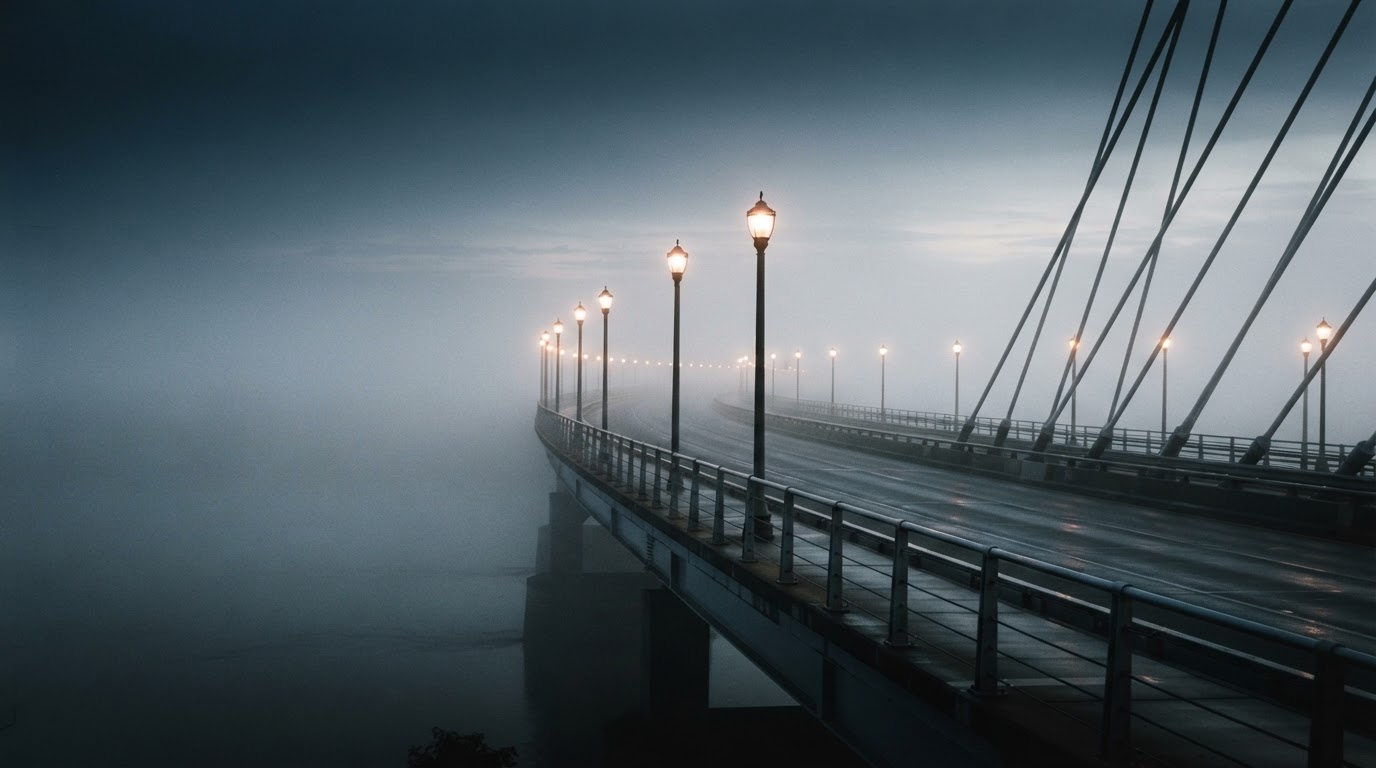
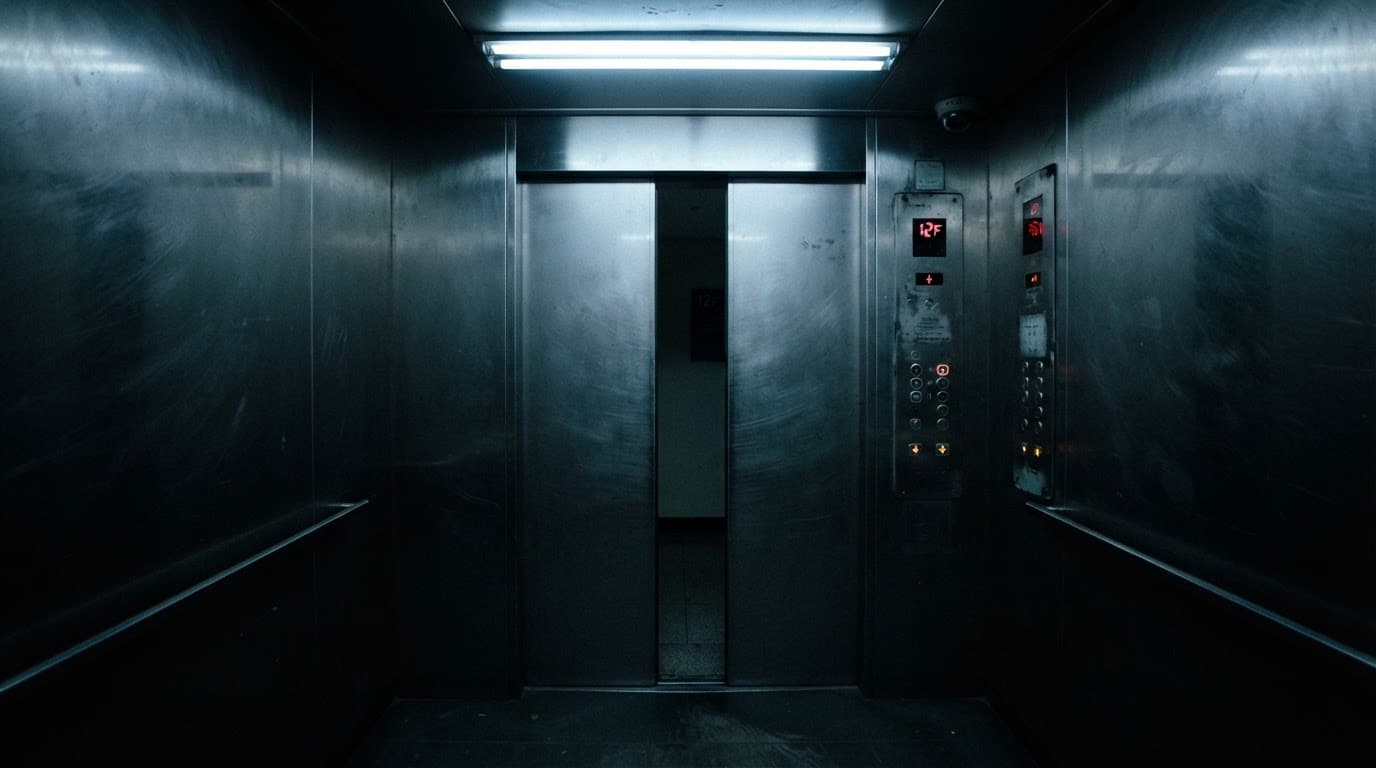
Now look at Jayuro again. A road running along the mouths of the Han and Imjin rivers. A road that crosses many bridges. A road that keeps water endlessly at its side. Could there be a more perfect stage for a maiden ghost in white to appear? The Jayuro Ghost is a new story, but the imagining it stands upon — a sorrowful woman in white at the water's edge — is very, very old. Just as Jangsanbeom, which lures people with a voice, or the Elevator Game, which carries you into another world in a midnight lift, or the Hong Kong grandmother ghost that recurs across Asia, the Jayuro Ghost is a case of an old fear reborn on a modern stage.
What Remains: When the Fastest Road Is the Loneliest
There is a reason the Jayuro Ghost lingers long after its chill has worn off. It is not the woman in white on the road. It is a certain silence.
The fastest road toward reunification. The very road whose name points at hope and freedom becomes, before dawn, the loneliest road in Korea. This paradox is the true heart of the Jayuro Ghost story. Anyone who has driven the Jayuro alone at two in the morning knows it — the fog rising off the river, the lamps drifting past at even intervals, the black river and the wire running endlessly alongside, and that absolute silence in which even the radio dies away. In that silence, even with nothing on the shoulder, it feels as though something is there. And it feels as though it would not be strange if something were.
The condition I cannot get past is the third one. Always alone. I ran back through everything I had gathered specifically looking for an account with a passenger who saw it too, and after all that reading I did not find a single one. It reads as a tidy proof that nothing is out there — and then it reads the other way, which is that whatever this is has never once allowed a second witness. The material supports both readings equally, and I have stopped expecting it to choose.
The story goes like this. But whether the story is true or not does not, in fact, matter. The Jayuro Ghost works because it puts a name to a feeling we already know — how small and lonely a human being is on a night road, how easily fog erases the world, and how desperately a tired pre-dawn mind wants to fill that empty darkness with something.
So if one day you find yourself driving the Jayuro alone before dawn, and you see something white standing on the fog-bound shoulder — before you startle and check the mirror, remember just this. It is probably a sign, or the fog, or a shape your tired eyes have made. Probably. Just slow down, crack a window to let the cold air in, and rest a while at the next stop. Not because the legend is real, but because that silence on the pre-dawn Jayuro — ghost or no ghost — is too deep to bear alone.
---
The images and video in this article are AI-generated works produced to convey the mood of the story, and are not photographs of any actual person or event.
Comments
No comments yet — leave the first one.