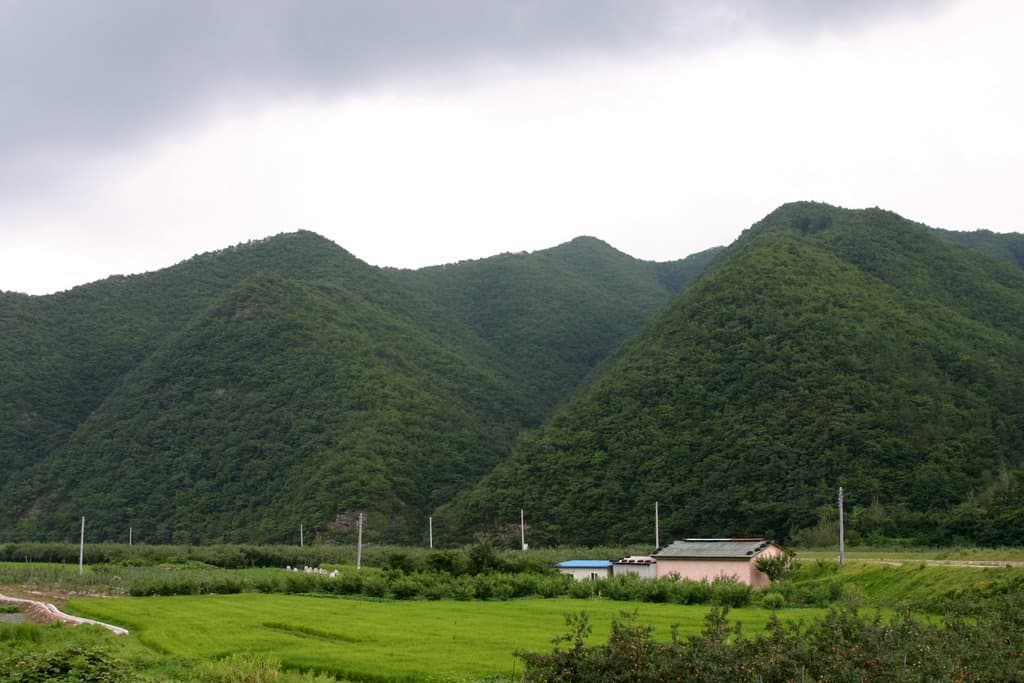
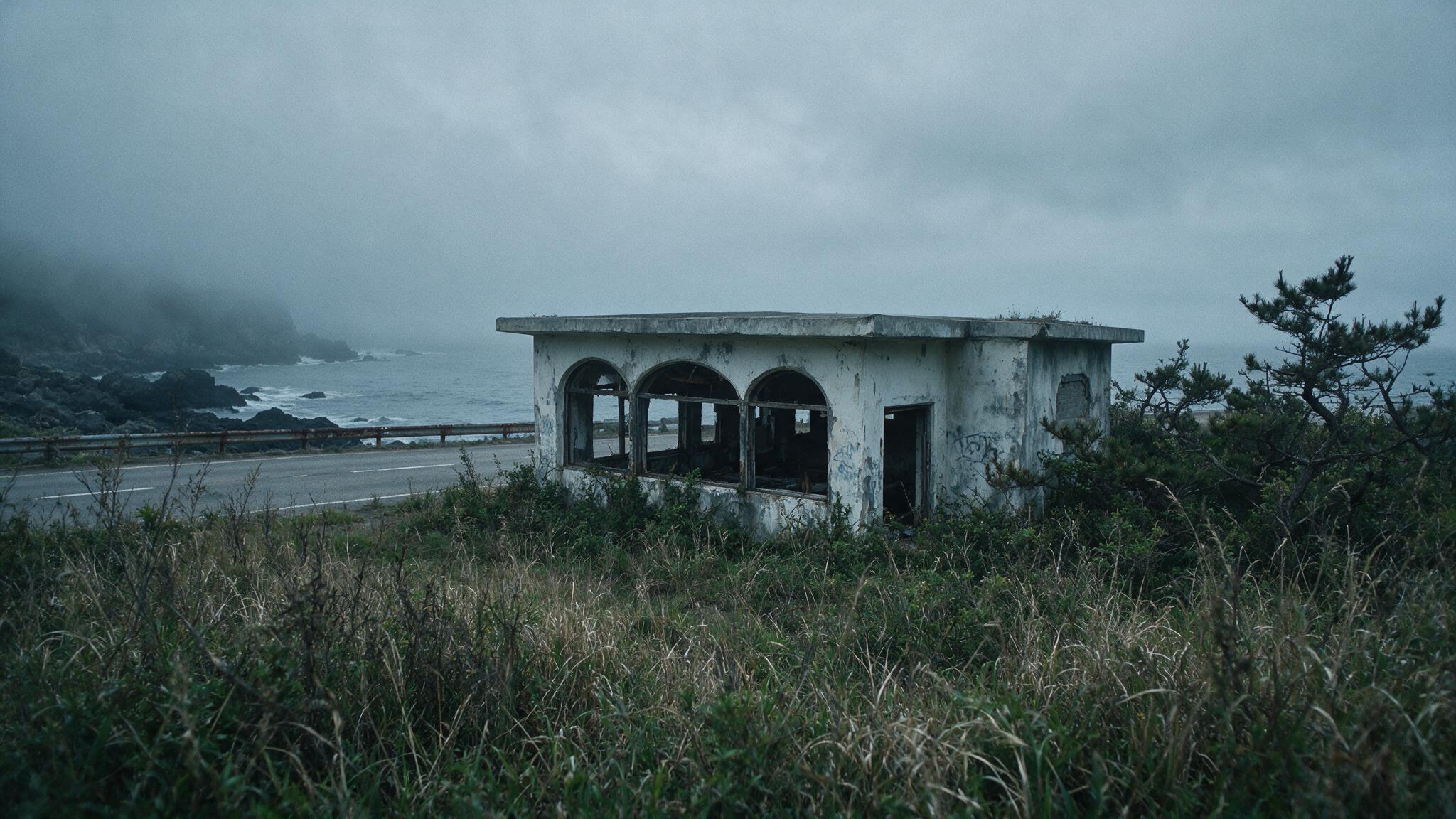
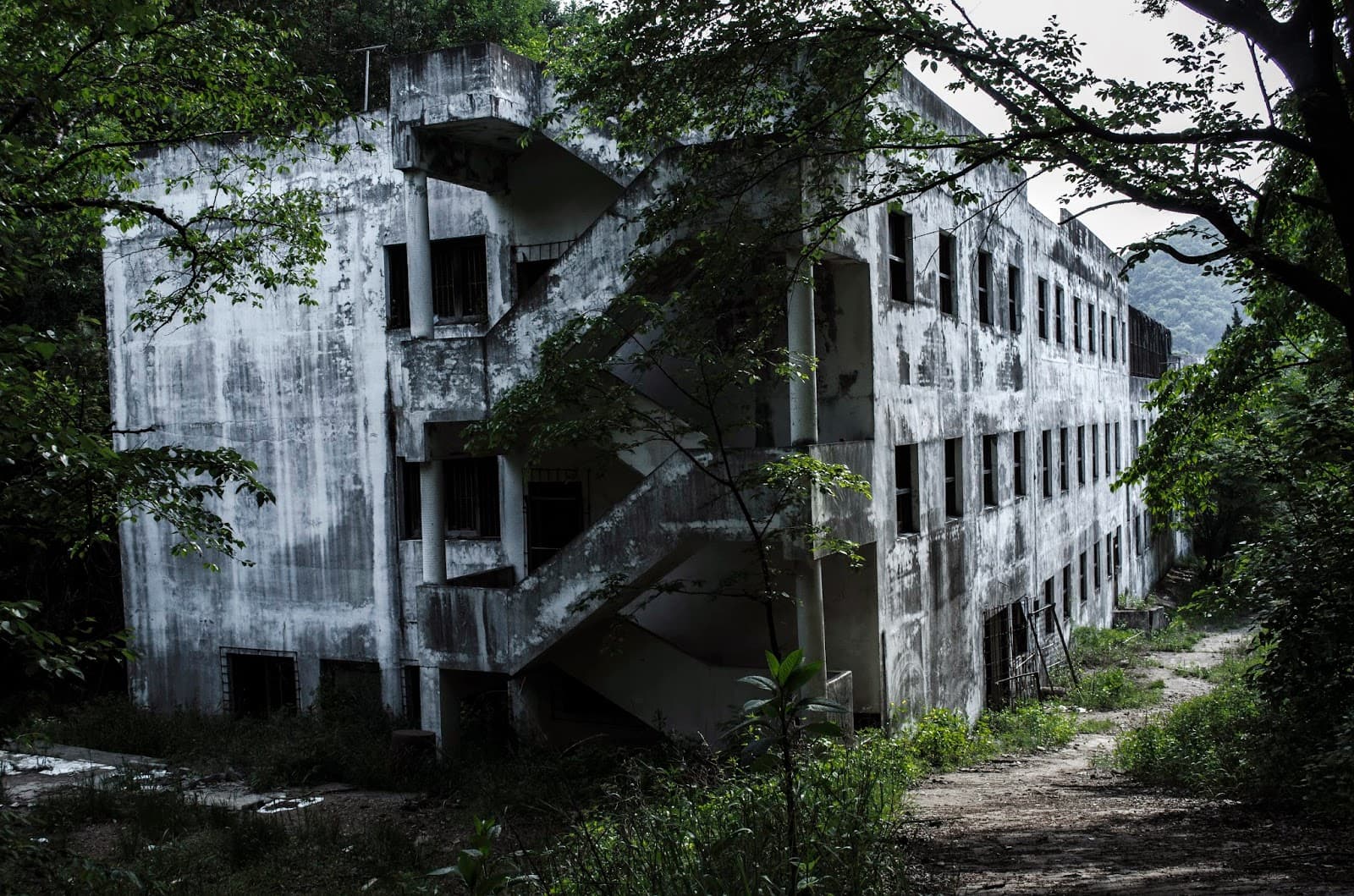
Drive down the east coast of Korea, past the fishing town of Yeongdeok where the crab boats come in, and somewhere along a quiet stretch of coastal road you would once have passed it: a low, flat-roofed concrete building slumped just back from the asphalt, its windows gone, its walls streaked black with damp and scrawled with graffiti, tall weeds swallowing the front steps. For the better part of two decades, Koreans knew this ruin by a single grim title — one of the nation's "three great haunted houses," spoken in the same breath as the abandoned Gonjiam asylum. The stories that clung to it were the darkest of the three. They said the ground beneath it was a war grave. They said the restless dead of a forgotten 1950 battle walked its rooms at night. They said a shaman had once gone inside to cleanse it and come running out screaming, never to return. And they said that anyone who spent a night there would not be the same in the morning. This is the story of the Yeongdeok haunted house — and of the far quieter truth that the fog along that coast has kept hidden for years.
This entry sat in my debunked folder for a long time before I moved it back. The work was straightforward enough — trace the "three great haunted houses" list backward through forum posts to roughly 2014, find the point where the Yeongdeok building acquires its war grave, note that it acquires it without a source. What stopped me was a smaller thing I turned up along the way: the restaurant had a name. Wuseok Garden, or something close to it, remembered by people who had eaten there. Nothing in the years of horror captions ever mentions it.
The House on the Coast Road
To understand why this particular ruin became a legend, you have to stand where it stands. The building sits on the eastern seaboard of the Korean peninsula, in Yeongdeok County in North Gyeongsang Province — a place of rocky beaches, pine-covered headlands, and the grey, restless water of the East Sea. It is not deep in some forgotten mountain valley. It is right beside a road, in plain view, the kind of place travelers pass at speed. And that, oddly, is part of what made it so unnerving. A haunted house in the middle of nowhere is easy to avoid. A haunted house you drive past on an ordinary afternoon, sea fog rolling in over the guardrail, its dark empty windows watching the traffic go by — that is something you carry home with you.
By the time the internet found it, the building had every mark of dread a ghost story could ask for. The doors were gone. The window frames had been torn out. The paint had peeled back to raw, stained concrete, and someone, at some point, had covered the interior walls with graffiti — names, dates, crude drawings, the desperate bravado of visitors daring one another to go deeper inside. Inside were bare rooms, a collapsing ceiling, and the smell of salt and rot. It looked, in every photograph that circulated online, exactly like a place where something terrible had happened. The problem, as we will see, is that looking like it and being it are two very different things.
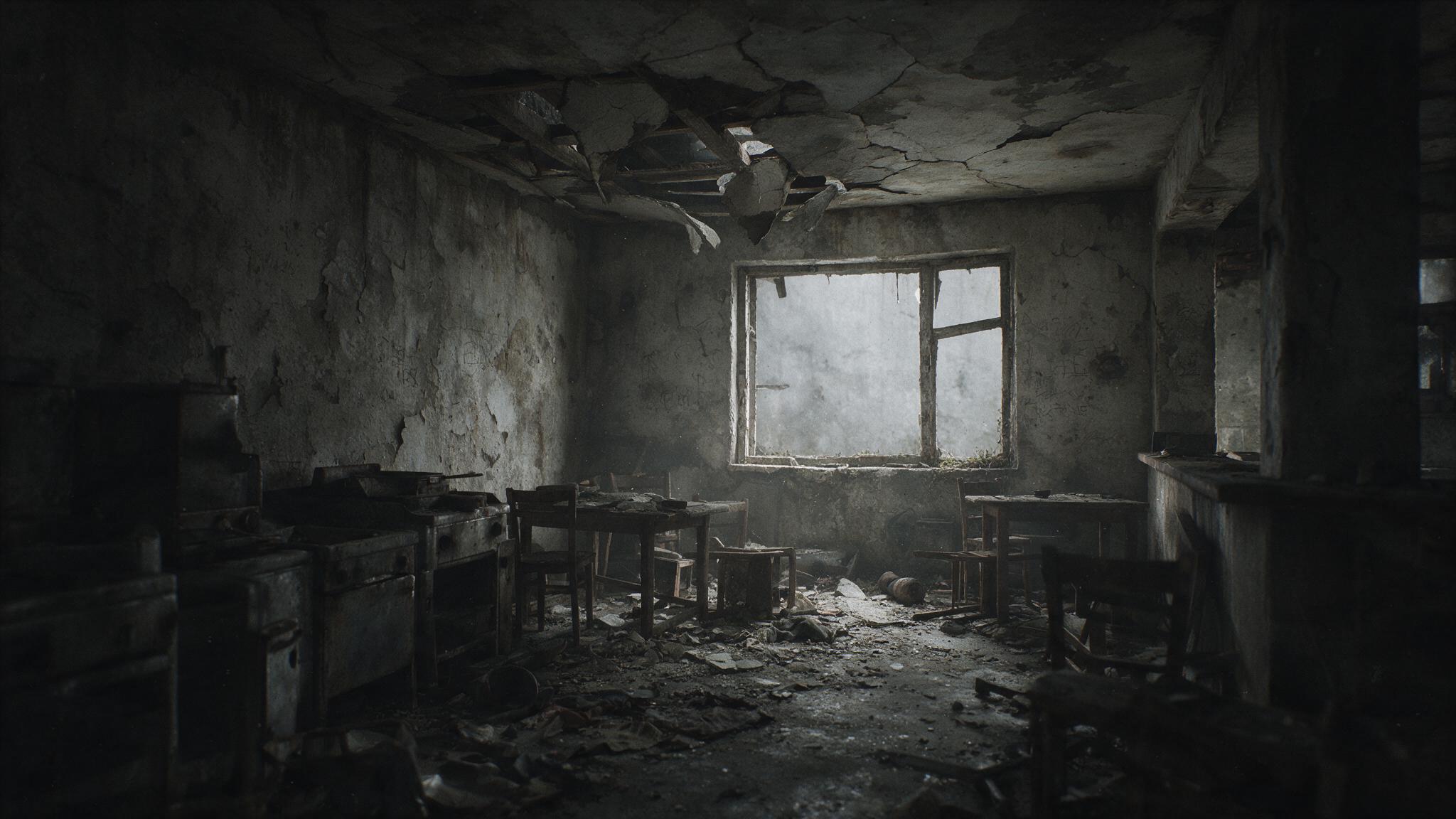
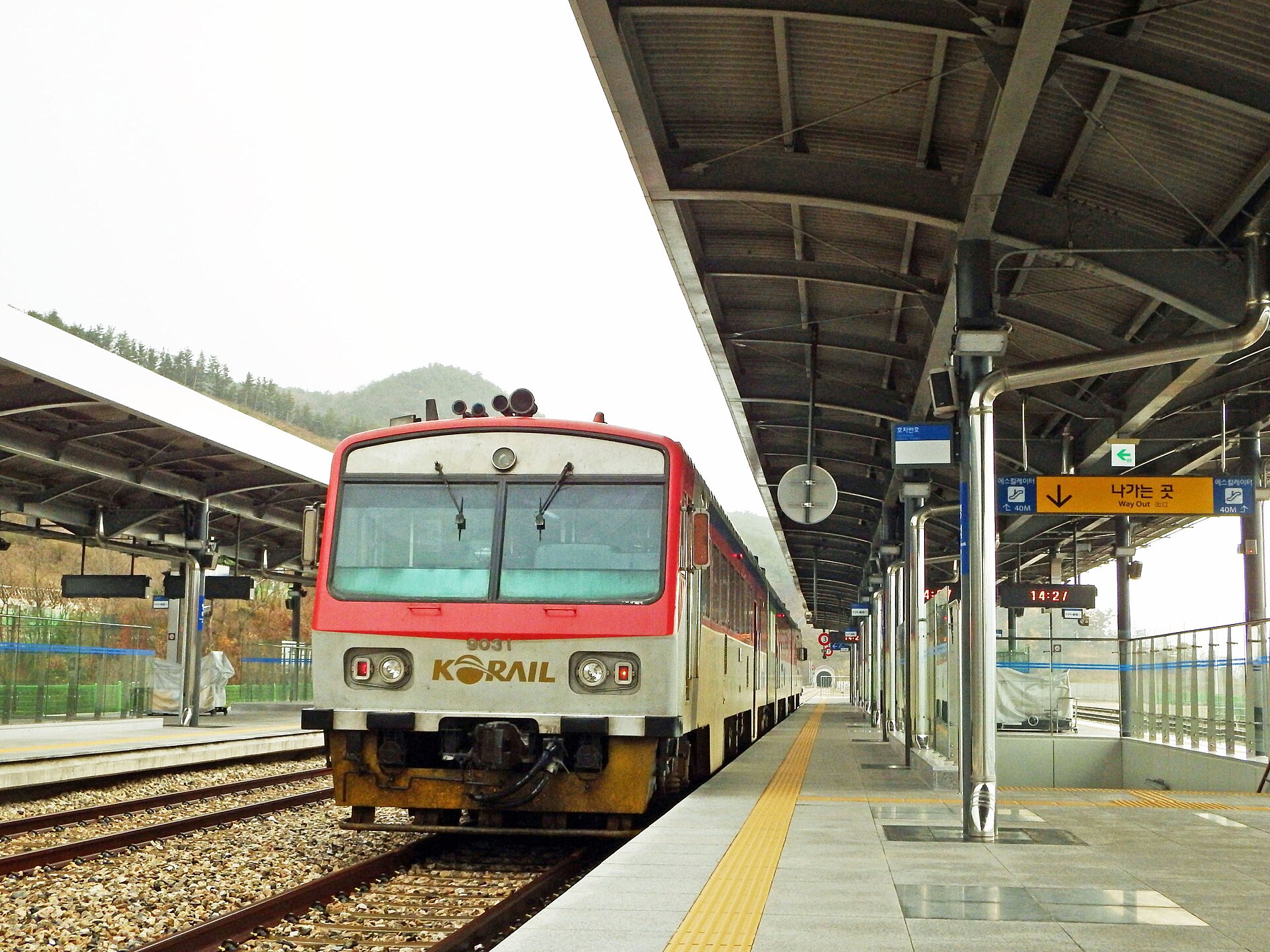
Photo: Wikimedia Commons, CC BY-SA 4.0
The Legend: Student Soldiers and a Buried Battlefield
The most powerful ghost stories borrow their weight from real history, and the Yeongdeok legend borrowed from one of the most heartbreaking chapters of the Korean War. As the tale was told and retold online, the haunted house had been built on ground soaked in the blood of student soldiers — teenage volunteers cut down in battle, their bodies never properly recovered, buried and forgotten beneath the very floor where curious visitors now stood. It was their unquiet spirits, the story said, that made the house what it was. Cold spots. Voices. Shadows moving in the empty rooms. The dead of a war that ended before their lives could begin, still waiting on that lonely coast.
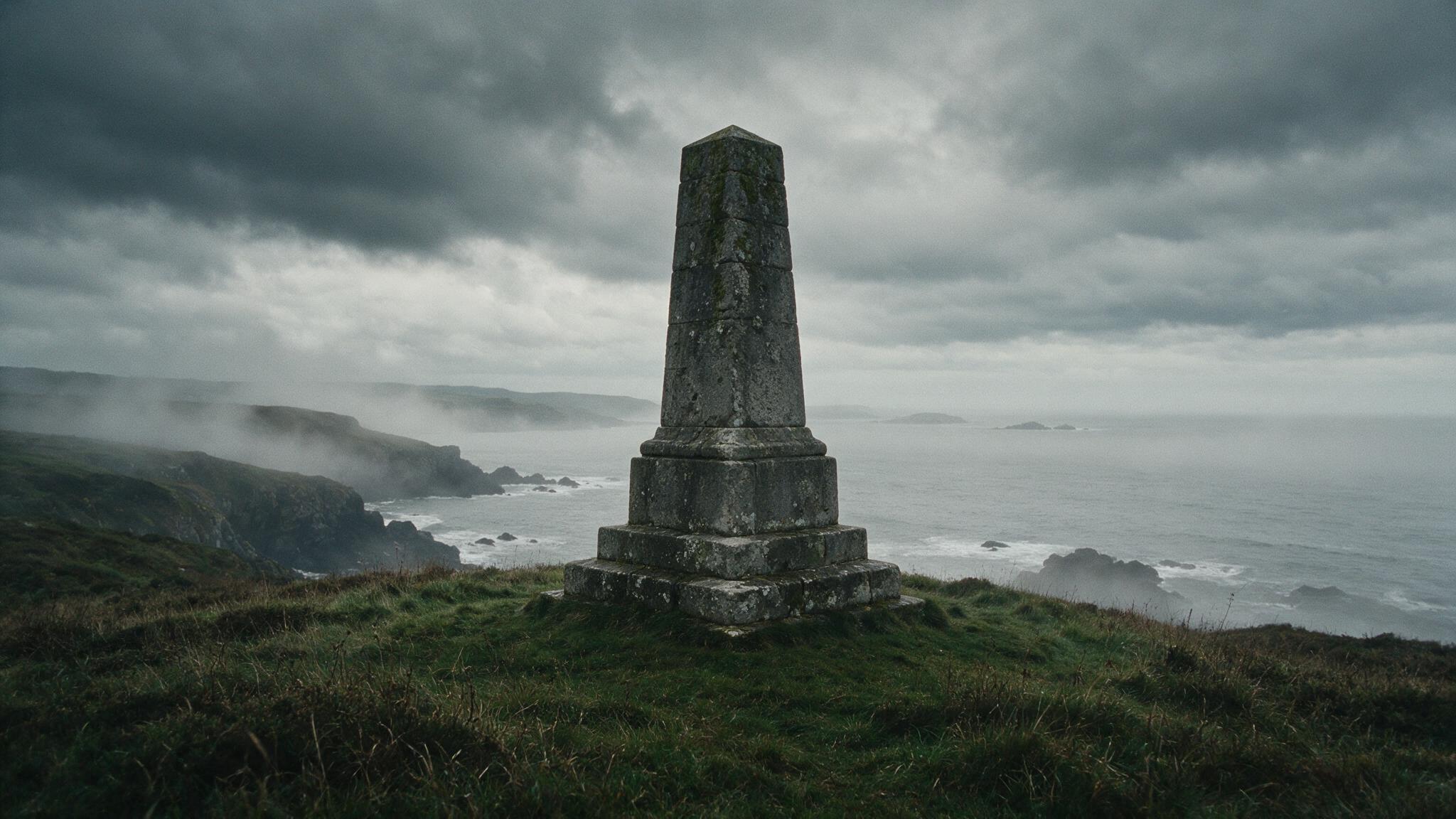
The history the legend leaned on was real, and it was genuinely tragic. In September 1950, at Jangsa Beach in Yeongdeok — the same stretch of coast — one of the most desperate operations of the Korean War took place. It has come to be known as Operation Jangsa, or the Jangsari landing. As we will see, the facts of that battle are not in dispute; what is in dispute is whether they have anything at all to do with a ruined restaurant a short drive away. But it is easy to understand how the two became fused in the popular imagination. The war was real. The dead were real. The grief was real. And a dark, empty building on the same coastline made a natural vessel into which all that inherited sorrow could be poured.
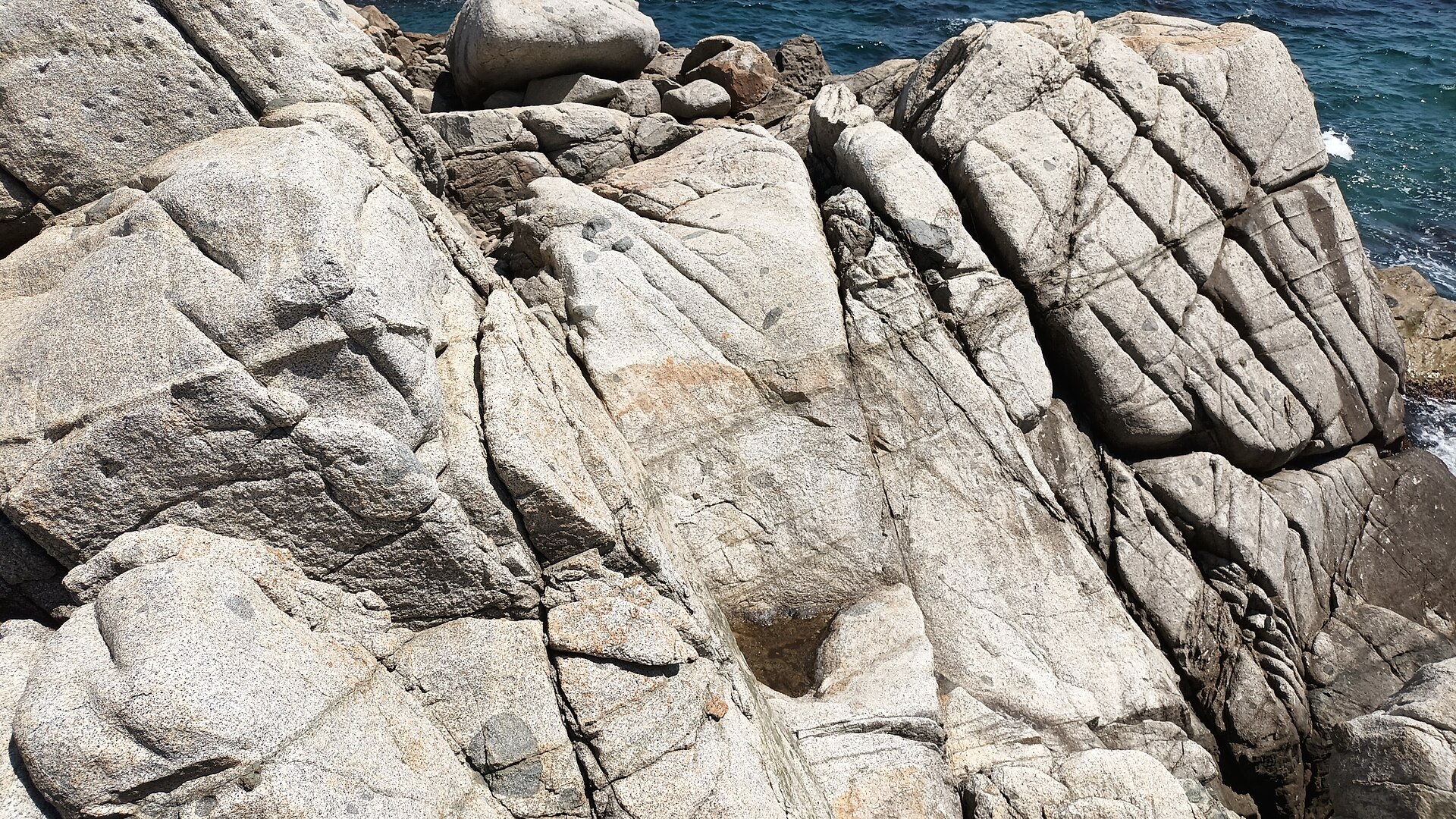
Photo: Wikimedia Commons, CC BY-SA 3.0
What Actually Happened at Jangsa Beach in 1950
Here the story is worth telling straight, because it deserves better than to be a ghost-story prop. On September 14, 1950 — one day before the far more famous Incheon landing far to the west — a landing ship called the Munsan-ho ran aground off Jangsa Beach in Yeongdeok. Aboard were 772 volunteers, the overwhelming majority of them student soldiers, many still teenagers, most with only a few days of hurried training. Their mission was a diversion: to draw North Korean forces toward the east coast and away from Incheon, where General MacArthur's main landing would strike the following morning.
The landing was a catastrophe of courage. A storm had grounded the ship on a sandbar short of the beach, and the young volunteers had to get ashore under heavy fire, some of them swimming, others hauling themselves hand over hand along ropes tied to the pine trees near the water's edge. They fought for six days against a far better-armed enemy, cut supply lines, and held. By the time it was over, 139 of them were dead, and many more were wounded or left stranded when the ships could not return for them. Their sacrifice helped make the Incheon landing possible — and for decades it was largely forgotten, a footnote overshadowed by the operation it had been designed to protect. Today a memorial hall stands near Jangsa Beach to honor them, and it is worth saying plainly: these were real young men, and they died real deaths, and they deserve to be remembered as heroes rather than as the invisible cast of an internet horror story.
The Truth Behind the Ruin
So how does a memorial to fallen student soldiers become "a house built on their unmarked graves"? The answer, according to residents of Yeongdeok and to reporters who actually went and looked, is that it does not — because the two things were never connected in the first place. The building was never a war site, never a mass grave, never anything of the kind. It was a seafood restaurant. Locals remember it as a place once called, roughly, Wuseok Garden — an ordinary roadside hoe (raw-fish) restaurant of the sort that lines the whole east coast, serving travelers plates of sliced fish and cold soju with a view of the water.
Its slide into ruin had nothing supernatural about it. The owner — a man remembered only by his surname — reportedly emigrated to the United States decades ago and simply left the building behind. No sale, no demolition, no caretaker: just an empty structure standing beside a busy road with no one left to mind it. And an abandoned building on a coast road does not stay dignified for long. Thieves stripped it, prying out the doors and window frames to sell. Salt wind and rain peeled the paint and stained the concrete. Weeds took the yard. Passing teenagers and curiosity-seekers covered the walls in graffiti. Point by point, the very details that made it look like a house of horrors — the missing doors, the black-streaked walls, the scrawled names, the desolation — turn out to have plain, human explanations. One resident, born in the area in the late 1970s, remembered the place being a derelict eyesore for as far back as his memory went. There was no massacre. There was only neglect, and time, and the sea.
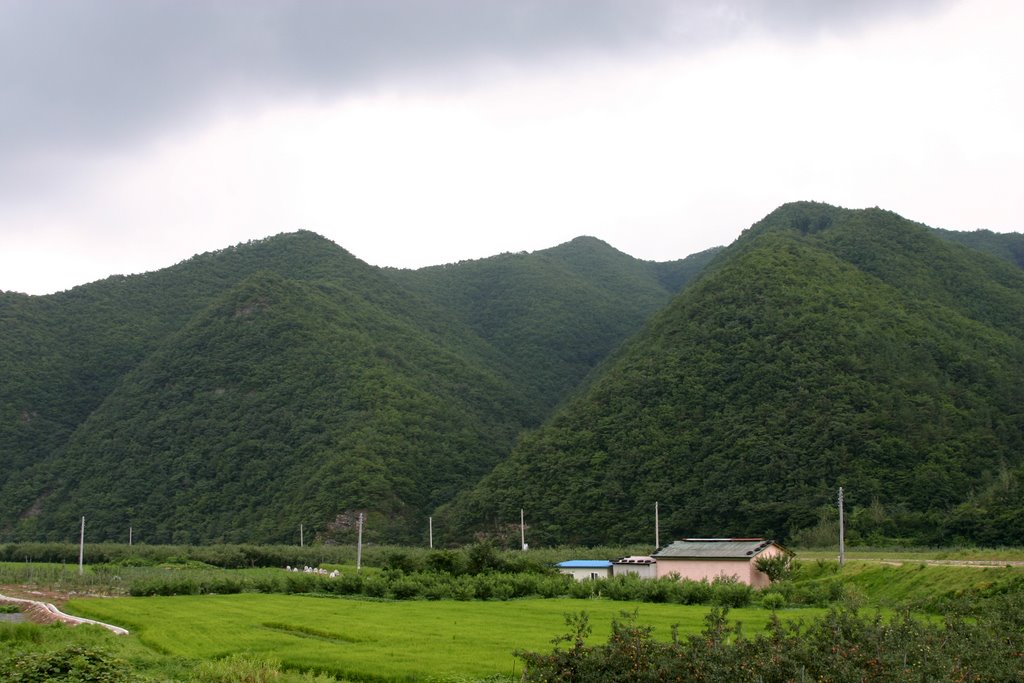
Photo: Wikimedia Commons, CC BY 3.0
The Shaman, the Broadcasts, and How the Fear Was Made
If the facts are so ordinary, where did the terror come from? The honest answer is that a great deal of it was manufactured — not by ghosts, but by media and the internet. Around 2014, the Yeongdeok ruin was folded into a wildly popular online list of "Korea's three great haunted houses," alongside the shuttered Gonjiam psychiatric hospital and an abandoned restaurant in Jecheon. The label was self-reinforcing: the more the three appeared together, the more official the whole mythology seemed, and photographs of the Yeongdeok building spread across forums with ever more lurid captions attached.
The famous set pieces — the shaman who fled the house in terror, the ghost caught on a "haunted-house broadcast," the visitor who never came back the same — belong to this era of amplification. Overnight ghost-hunting videos and late-night broadcasts thrive on exactly these ruins, and a derelict restaurant with graffiti-covered walls is perfect raw material: atmospheric, free to enter, and impossible to disprove in the moment. Korean investigative programs and reporters eventually turned the same skeptical eye on all three "great haunted houses" and reached a blunt conclusion — that the stories were, in the words of one report, essentially fabricated: urban legends inflated by internet culture and dramatized for the camera, with no verified deaths, no war graves, and no substance beneath the shudders. The Yeongdeok house, in the end, was frightening for the most mundane reason of all. It was empty, it was ugly, and enough people said it was haunted that everyone believed them.
A slow drift through the empty rooms of an abandoned coastal restaurant as sea fog presses against the broken windows — a mood recreation, not real footage of any specific place.
What Remains on the Coast
There is a strange lesson in the Yeongdeok haunted house, and it is not a comforting one about ghosts. It is about how easily grief and neglect can be dressed up as horror, and how a real tragedy can be quietly robbed to give a fake one its weight. Somewhere near that ruined restaurant, the memory of 772 young volunteers still lingers — boys who swam ashore under fire and held a beach for six days so that a landing far away might succeed, 139 of whom never went home. They were not the ghosts in the story. They were the reason the story felt true, borrowed without permission to haunt a building they had nothing to do with.
What unsettles me here is not the building, which I am satisfied was only ever a building. It is how cleanly the transfer worked. Somebody needed a reason for a ruin to feel wrong, reached for 139 dead teenagers who had nothing to do with it, and the borrowing held for two decades without anyone checking. I have watched this happen to other places in my files. The mechanism does not seem to require a liar — only an empty structure, and a real grief nearby, and enough repetition. I find I trust my own archive slightly less since working on this one.
As for the house itself, its ending is almost fittingly anticlimactic. In the summer of 2015, news reports announced that the owner intended, at last, to have it torn down — to erase the eyesore that strangers had turned into a shrine of fear. Whether the wrecking crews ever fully came is its own small mystery; for a long while, the building simply went on standing, weeds and all, as ordinary and as sad as it had ever been. Perhaps that is the truest ghost of the Yeongdeok haunted house — not a soldier, not a shaman's terror, but a plain and empty room that a whole country agreed to be afraid of, long after the only real story worth telling had already ended on the beach below.
---
This article uses both actual documentary and on-location photographs and AI-generated images and video produced to convey the mood of the story.
Comments
No comments yet — leave the first one.