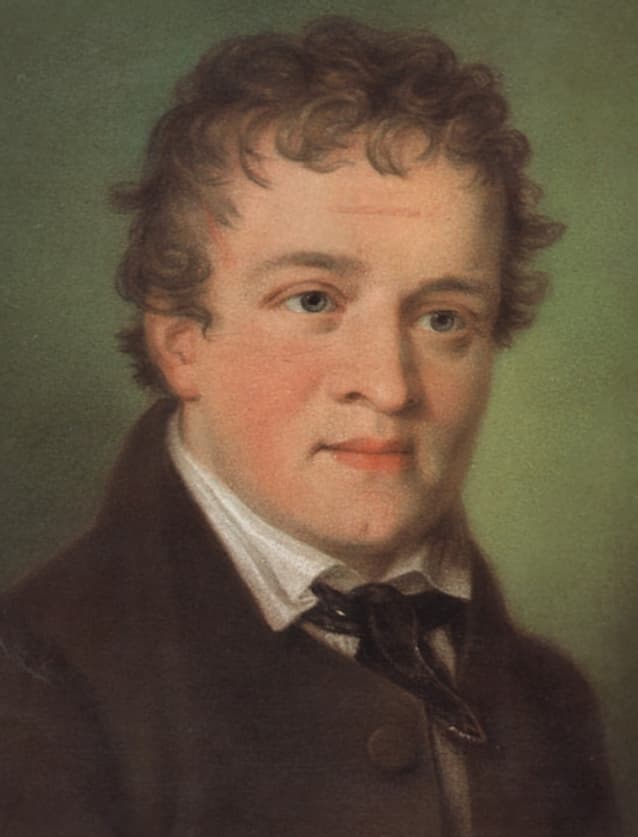
On the afternoon of May 26, 1828, the townspeople of Nuremberg saw a strange figure lurching across the Unschlittplatz, one of the city's public squares. He was a boy of perhaps sixteen, dressed in ill-fitting clothes, and he walked the way a toddler walks — legs stiff, feet dragging, as if he had only just learned that the ground was there to be stood on. When people spoke to him, he could barely answer. He repeated a few phrases over and over, seemingly without understanding them. In his hand he clutched a letter. And when someone finally coaxed a full sentence out of him, what he said would echo for the next two centuries: he had spent his whole life shut inside a small dark room, alone, never seeing the face of the man who fed him. His name, he managed to write, was Kaspar Hauser. Five years later he would be dead — stabbed in a snow-covered park by a stranger who was never caught, taking the secret of where he came from with him into the ground. This is the story of the foundling of Nuremberg, a boy who arrived from nowhere and left the same way.
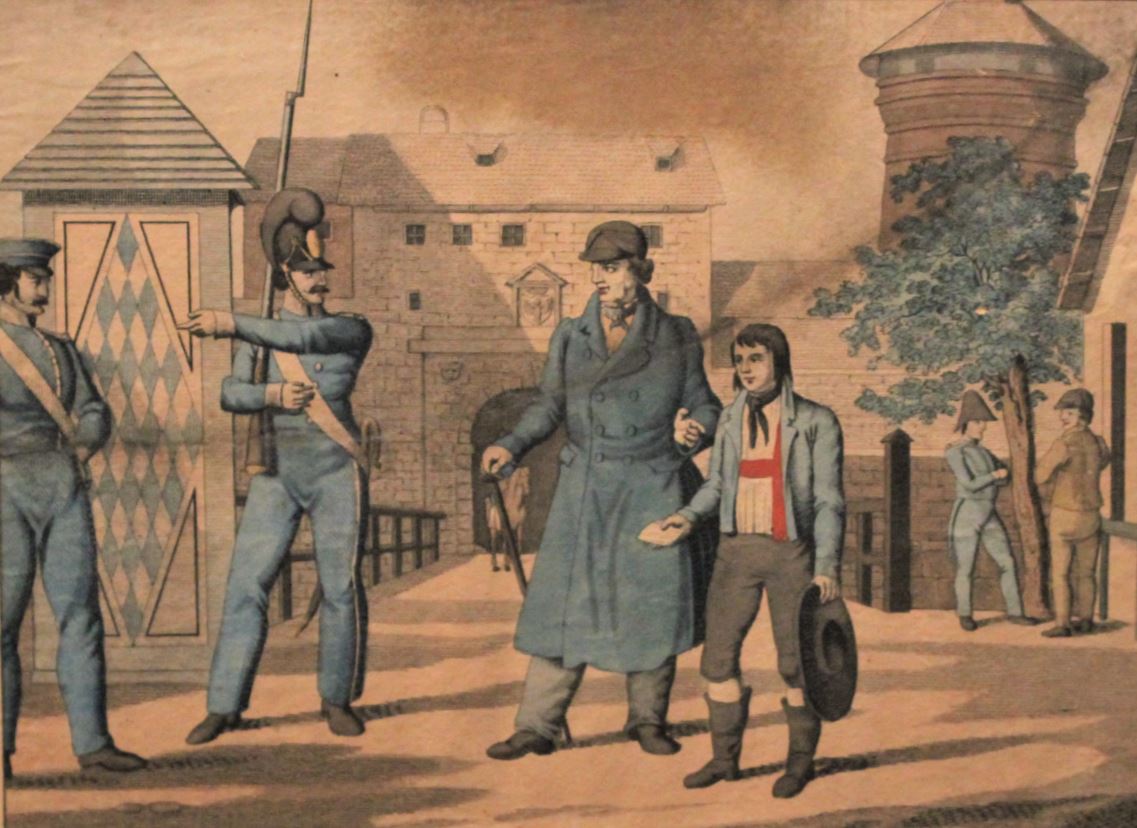
What pulled this case into my archive was not the dungeon and not the murder. It was the two letters. One supposedly from a labourer, one supposedly from a mother writing years earlier — same hand, same ink, same folds. Whoever manufactured the boy's arrival could not be bothered to age the paper or borrow a second pen. I have handled a great many forgeries in this work, and the careless ones tend to be the most disturbing, because carelessness implies confidence. Someone expected no one to look closely. For five years, nobody who mattered did.
The Boy in the Square
The people who first approached Kaspar Hauser assumed he was drunk, or perhaps a beggar, or a simpleton wandered in from the countryside. But the closer they looked, the less any of those explanations fit. He seemed physically healthy and reasonably well fed, yet he could barely walk without stumbling, and bright daylight made him wince and cover his eyes as though he had never truly seen the sun. He flinched at loud noises. He could speak only a handful of words, and wrote his name in an unsteady, childlike hand. Offered meat or beer — ordinary fare for a young man of the time — he recoiled in disgust and would touch nothing but bread and water, as if his body had never known anything else.
The letter he carried was addressed to the captain of a local cavalry regiment. It claimed, in the voice of an anonymous laborer, that the boy had been left in the writer's care as an infant in 1812 and raised in secret, never once allowed outside; now grown, he wished to be a soldier "as his father was." A second, smaller note, supposedly written by the boy's mother years earlier, gave his name as Kaspar and his birth date as April 30, 1812. Almost at once, sharp-eyed observers noticed something odd: both letters appeared to be written in the same hand, with the same ink and the same folds — as if a single person had forged the story of two. Before Kaspar had spoken more than a few sentences, the question that would haunt him was already in the air. Was this boy a genuine mystery, or the centerpiece of an elaborate deception?
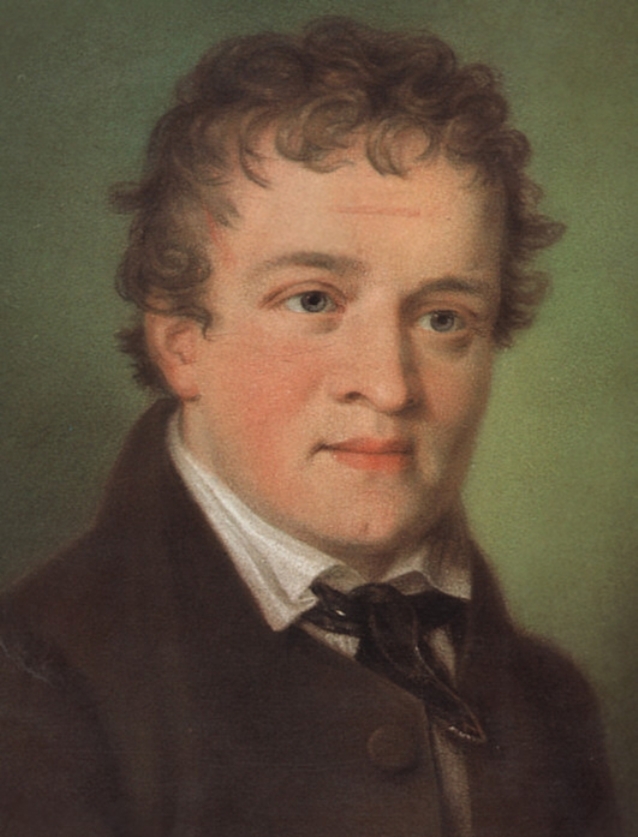
A Life Spent in the Dark
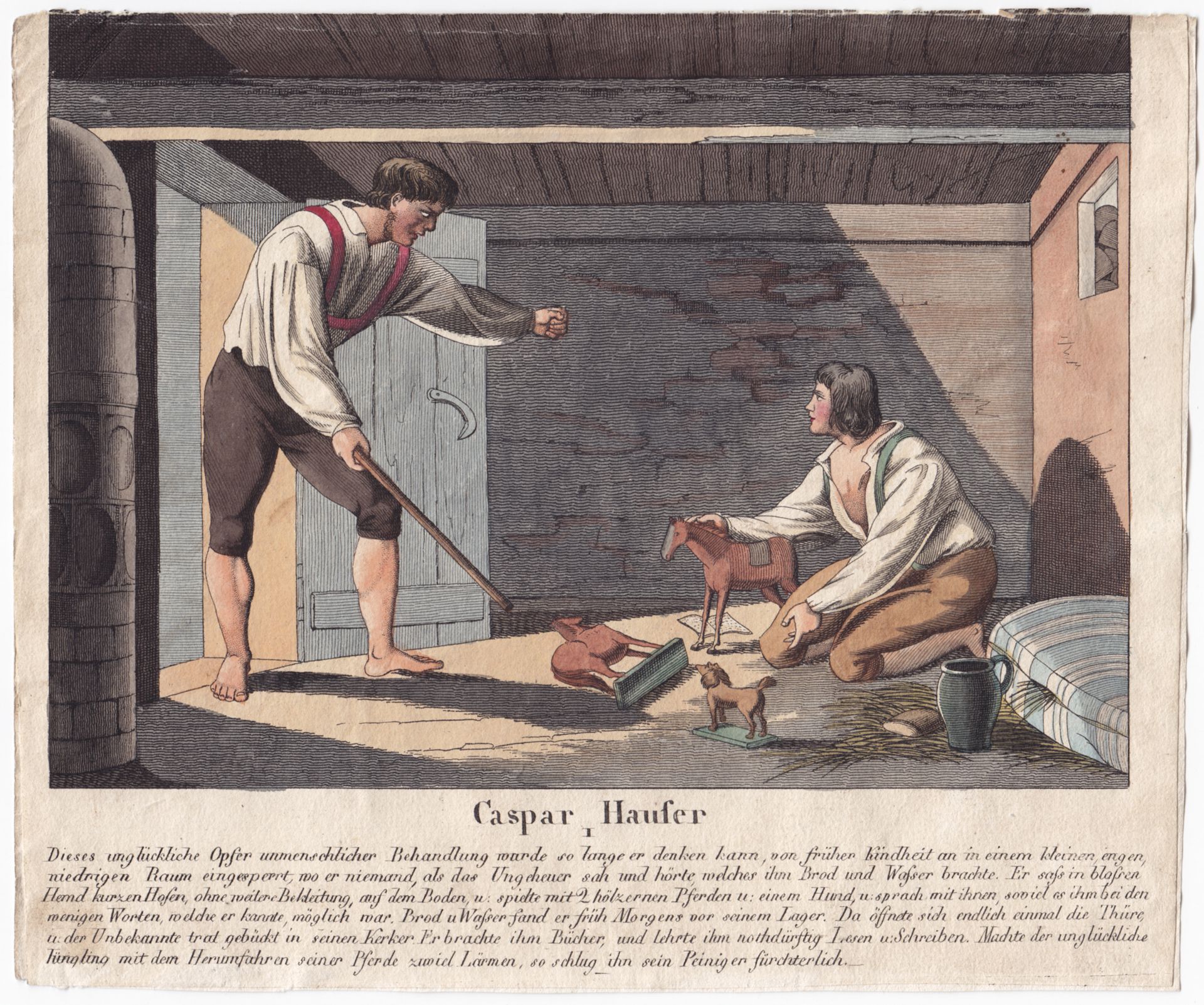
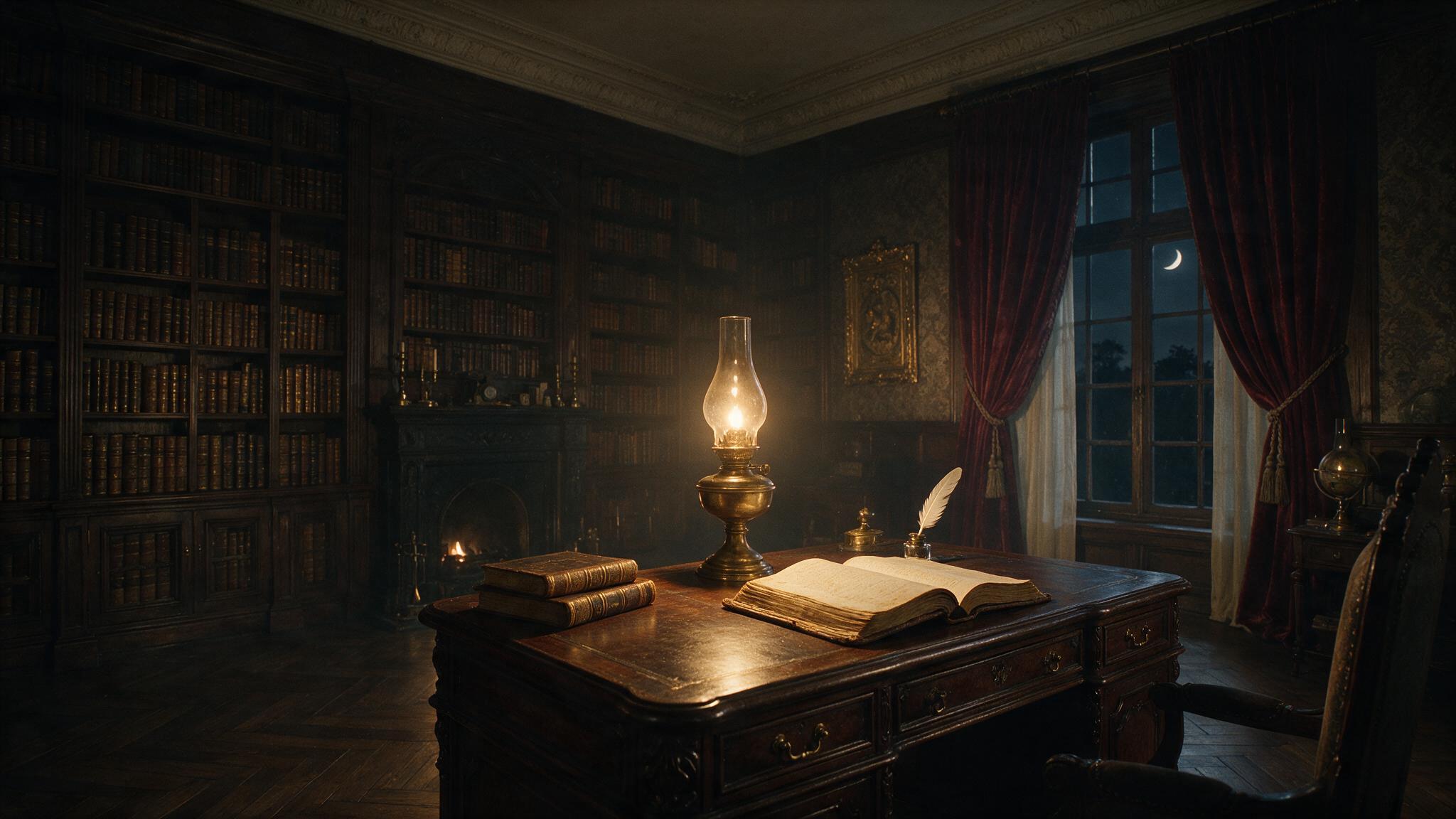
Once Kaspar learned to speak more fluently — and he learned with astonishing speed, absorbing language like a small child racing through years of development in months — he began to describe the world he said he had come from. It was, he claimed, a single small cell, so low he could not stand upright. There was no window, no light, no sound. He slept on straw. Each day, or what passed for a day in a place without daylight, he would wake to find bread and water beside him; he believed the water was sometimes drugged, because he would grow drowsy, and wake to find his straw changed and his nails and hair trimmed. He never saw the person who did this. For as long as he could remember, his only companions were two small carved wooden horses, which he pushed back and forth across the floor of his cell.
Only near the end of his captivity, he said, did a man begin to visit him — always taking care that Kaspar never saw his face. This man taught him to write the few words he knew, and to say the phrase "I want to be a cavalryman, like my father was," which Kaspar could repeat but not understand. Then one day the man led him, hooded and stumbling on legs that had never learned to walk properly, out of the darkness and across open country, and abandoned him at the edge of Nuremberg with the letter in his hand. Whether any of this was true, no one could ever confirm. But physicians who examined Kaspar noted genuine peculiarities — the underdeveloped soles of his feet, his extreme sensitivity to light and metal, his eerie ability to see in near-total darkness — that were difficult to fake and consistent, at least, with a boy who had spent his life shut away from the world.
The City's Foundling
News of the boy spread quickly, and Kaspar Hauser became a sensation. He was, for a time, the most talked-about person in Europe — "the Child of Europe," some called him. Nuremberg took him in as a kind of civic ward. He was placed first in the care of a schoolmaster and later of a succession of guardians, tutors, and patrons, each of whom hoped either to unlock his secret or to bask in the reflected fame of it. Scholars studied him. Aristocrats visited him. A prominent jurist named Anselm von Feuerbach took a deep interest in his case and became convinced that the boy was no ordinary foundling but the victim of a monstrous crime against a person of high birth.
Kaspar, for his part, changed under the attention. The wild, near-feral boy of the square grew into a polite, somewhat vain young man who enjoyed fine clothes and being the center of attention. And here the doubts began to sharpen. Some of his guardians came to believe he was a habitual liar — a clever, attention-hungry youth who embellished his story whenever interest in him waned. Others remained certain he was exactly what he claimed. Kaspar seemed to sit forever on that knife's edge: too strange to be an ordinary fraud, too theatrical to be entirely trusted. And then, before the argument could ever be settled, someone tried to kill him.
The First Attack, and the Warning of a Secret
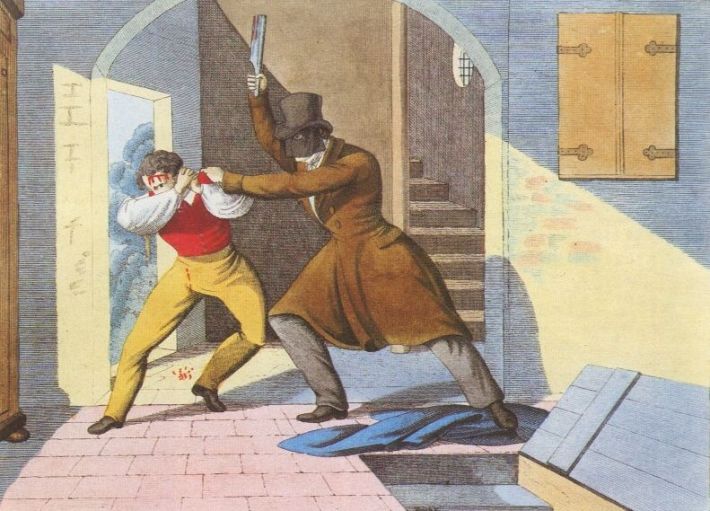
In October 1829, a little over a year after he appeared, Kaspar was found bleeding in the cellar of his guardian's house, a wound across his forehead. He said a hooded man had attacked him with a blade or a club — the same man, he believed, who had kept him captive, come now to silence him. To many, the assault seemed to confirm the darkest reading of his story: that Kaspar knew, or embodied, some secret dangerous enough to kill for. To skeptics, it looked like something else entirely — a self-inflicted wound, staged by a young man who craved attention and sensed it slipping away. The truth of that night was never established, and it set the pattern for everything that followed. Every dramatic event in Kaspar's life could be read two ways at once, and no evidence ever tipped the balance for good.
By now a theory had taken hold that would define his legend. Kaspar Hauser, some whispered, was the lost hereditary prince of the House of Baden — a grand ducal dynasty of southwestern Germany. According to the story, the true firstborn son of Grand Duke Charles and his wife Stéphanie de Beauharnais, born in 1812, had not died in infancy as the record claimed. Instead the sickly royal baby had been secretly swapped for a dying commoner's child, so that a rival branch of the family could inherit the throne; the real heir had been hidden away in a dungeon, to be disposed of later. That hidden heir, the theory held, was Kaspar. The date on his birth-note — 1812 — fit. His refined, delicate manner seemed to fit. And a motive for both his imprisonment and, eventually, his murder suddenly snapped into place. It was an irresistible story. Whether it was a true one is another matter entirely.
The Park at Ansbach
By 1833 Kaspar was living in the town of Ansbach, under the guardianship of an English nobleman, Lord Stanhope, who had once championed him and then grown cold and suspicious. Kaspar, now around twenty-one, worked as a copyist in a law office. On December 14, a stranger approached him with a tantalizing promise: the man said he had information about Kaspar's true origins — his mother, his birth, the secret of where he came from — and asked him to come to the court garden, the Hofgarten, to receive it. It was exactly the bait a boy who had spent his whole life not knowing who he was could not resist.
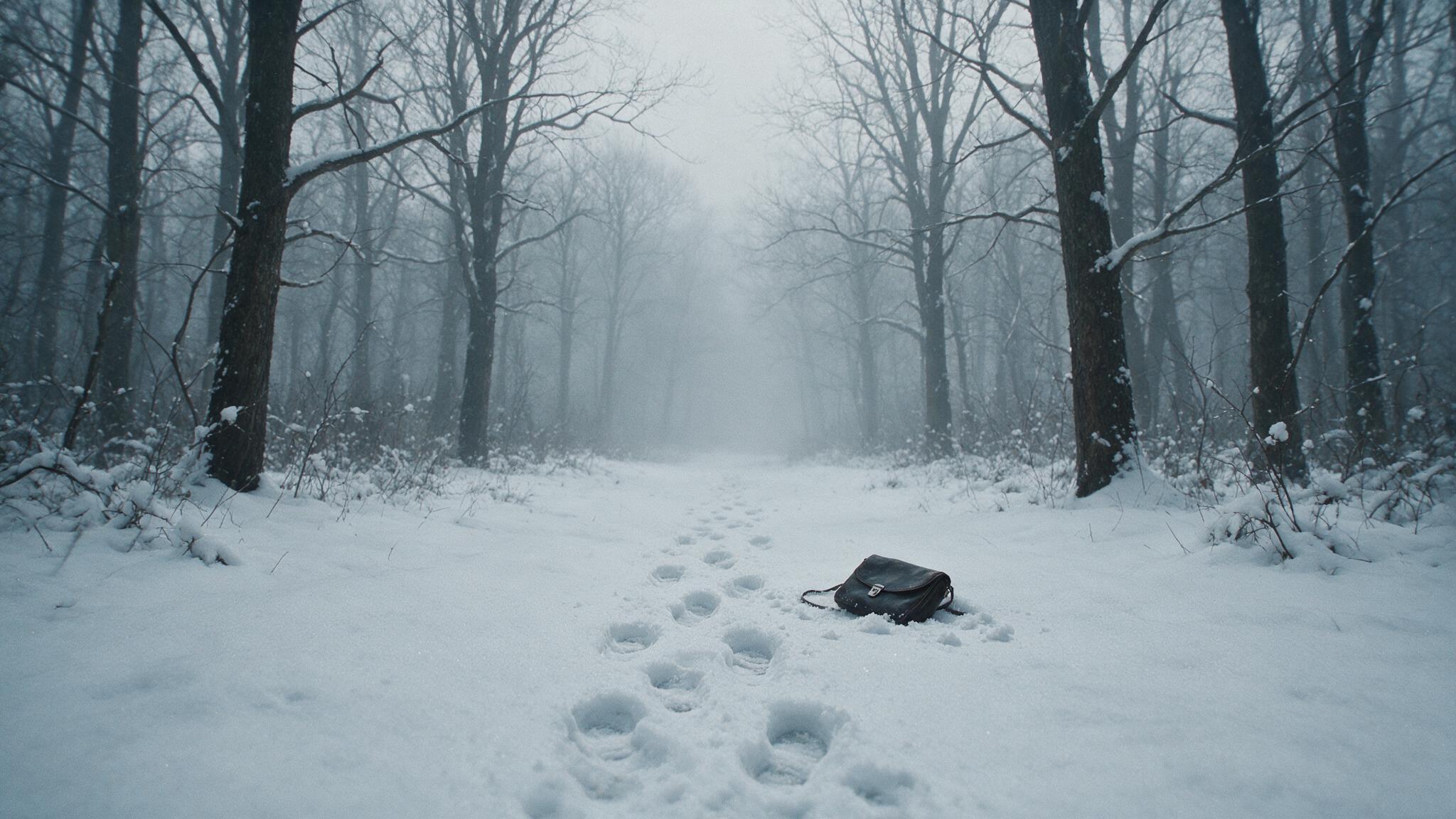
In the frozen, deserted park, the stranger stabbed Kaspar once, deeply, in the chest, and vanished into the winter afternoon. Wounded, Kaspar staggered home and gasped out what had happened. When searchers went to the spot, they found his footprints in the snow — and, some accounts say, a small purse dropped at the scene, containing a note written in mirror writing that had to be held up to a looking glass to read. Its message was cryptic and boastful, naming no one and explaining nothing. Kaspar Hauser died of his wound three days later, on December 17, 1833. His last days were clouded by the same suspicion that had shadowed his life: had a hired assassin come to silence a dangerous royal heir, or had a desperate, attention-starved young man staged one last drama and gone too far with the blade himself? He died, as he had lived, an unanswered question.
Two Centuries of Doubt — and the DNA That Almost Ended It
For nearly two hundred years the two Kaspars have coexisted, refusing to merge into one. In the first stands the tragic prince: an innocent child robbed of his birthright, walled up in darkness by dynastic greed, and murdered the moment he came close to the truth. In the second stands the impostor: a cunning, damaged, self-dramatizing young man who invented a captivity that never happened, faked an attack, and — by cruel accident or fatal miscalculation — died staging the final act of his own legend. Generations of writers, historians, and amateur detectives have lined up behind one or the other, and for most of that time the evidence was simply too thin, and too old, to settle it.
Then science entered the story. In 1996, a laboratory examined blood said to be Kaspar's, preserved on the trousers he wore when he was stabbed, and compared its mitochondrial DNA — the genetic thread passed down the maternal line — to living descendants of the House of Baden. It did not match. The prince theory seemed finished. But defenders fought back, arguing the bloodstain might be inauthentic, even that museum curators had "refreshed" it over the years with someone else's blood; and confusingly, a separate round of tests on strands of Kaspar's hair a few years later produced a result that seemed closer to the Baden line. The controversy simply deepened. It was not until 2024 that a team led by forensic geneticist Walther Parson, using modern sequencing techniques originally developed to read the fragile DNA of Neanderthals, analyzed multiple locks of Kaspar's hair collected both before and after his death. The samples all matched one another — proving, for the first time, that they genuinely came from the same person — and all of them differed clearly from the maternal lineage of the House of Baden. The lost-prince theory, the study concluded, could be ruled out with near-total certainty.
And yet even this does not close the case. To prove that Kaspar Hauser was not a prince of Baden is not to prove who he actually was — nor to explain the strange condition of the boy in the square, the letters in a single forger's hand, the two attacks, or the mirror-written note in the snow. If he was not a hidden heir, then who imprisoned him, and why? Or was there never any cell at all — only a troubled young man and a story that swallowed a continent? His headstone in Ansbach, carved in Latin, offers the only verdict history has ever been able to agree on: Here lies Kaspar Hauser, riddle of his time. His birth was unknown, his death mysterious. Nearly two centuries later, the boy who walked out of nowhere is still walking there — just beyond the reach of every answer.
I updated this entry when the 2024 sequencing results came through, expecting to be able to narrow the file at last. Instead I found myself doing what I always end up doing with Kaspar Hauser, which is reading the description of the two carved wooden horses again. A liar inventing a childhood would furnish it with something a listener could pity. He furnished his with a detail so small and so specific that it does nothing for the story at all — two toys, pushed back and forth across a floor he could not stand upright on, for years. The genetics have taken the prince away from him. They have not taken the horses.
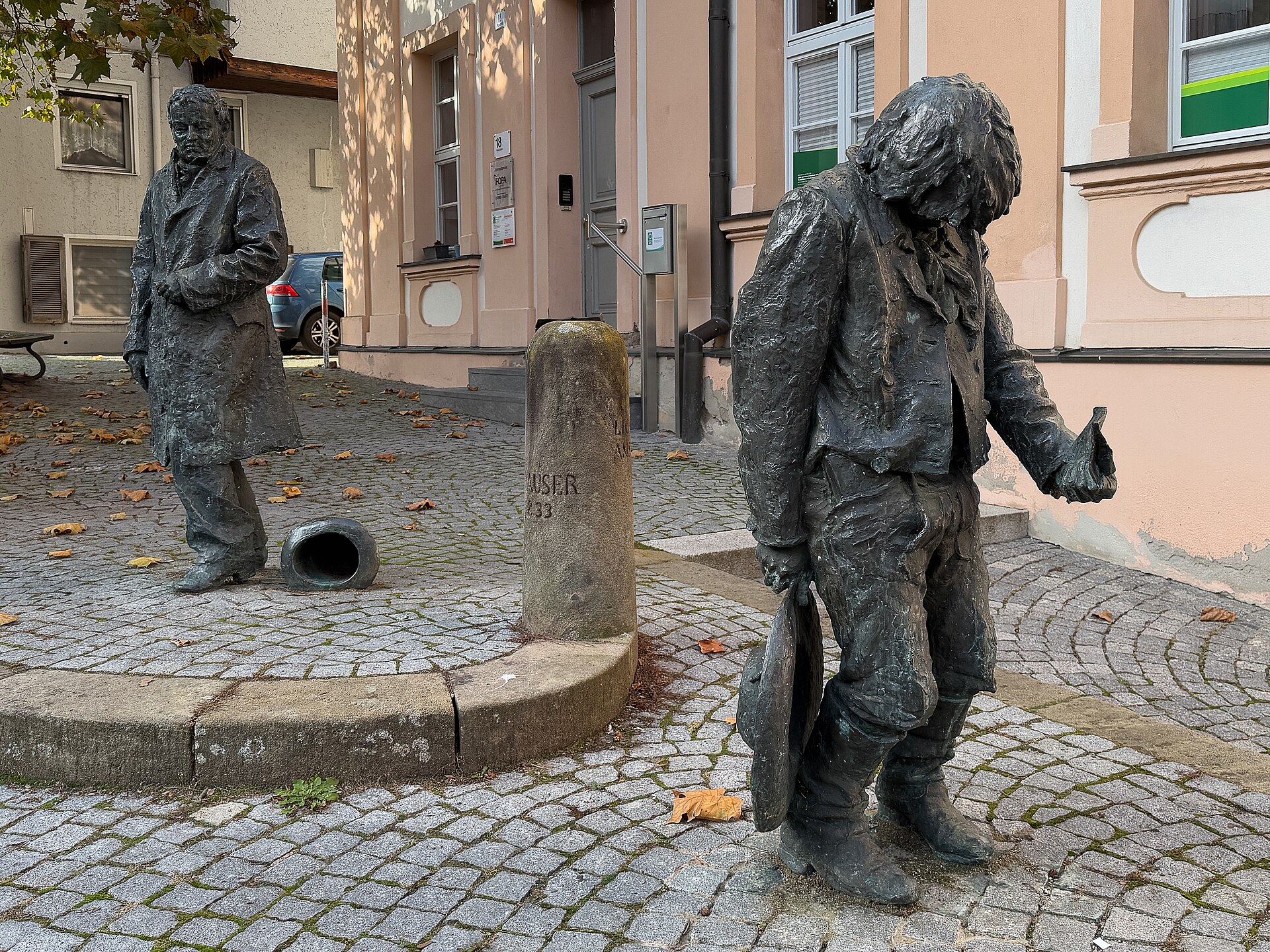
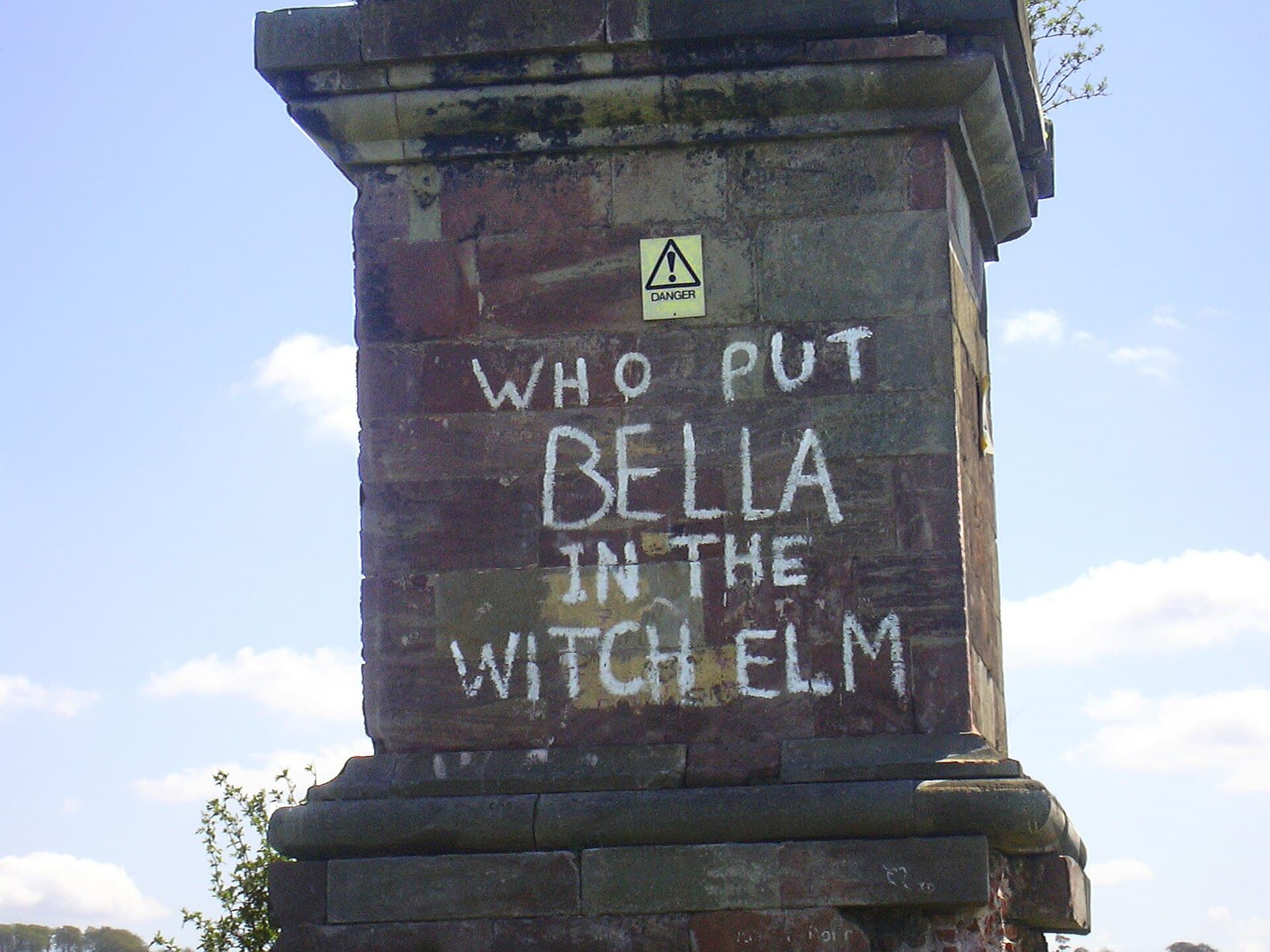
Photo: Wikimedia Commons, CC BY-SA 4.0
---
This article uses real contemporary portraits and engravings and a photograph of the memorial on site, together with AI-generated images and video produced to convey the mood of the story.


Comments
No comments yet — leave the first one.