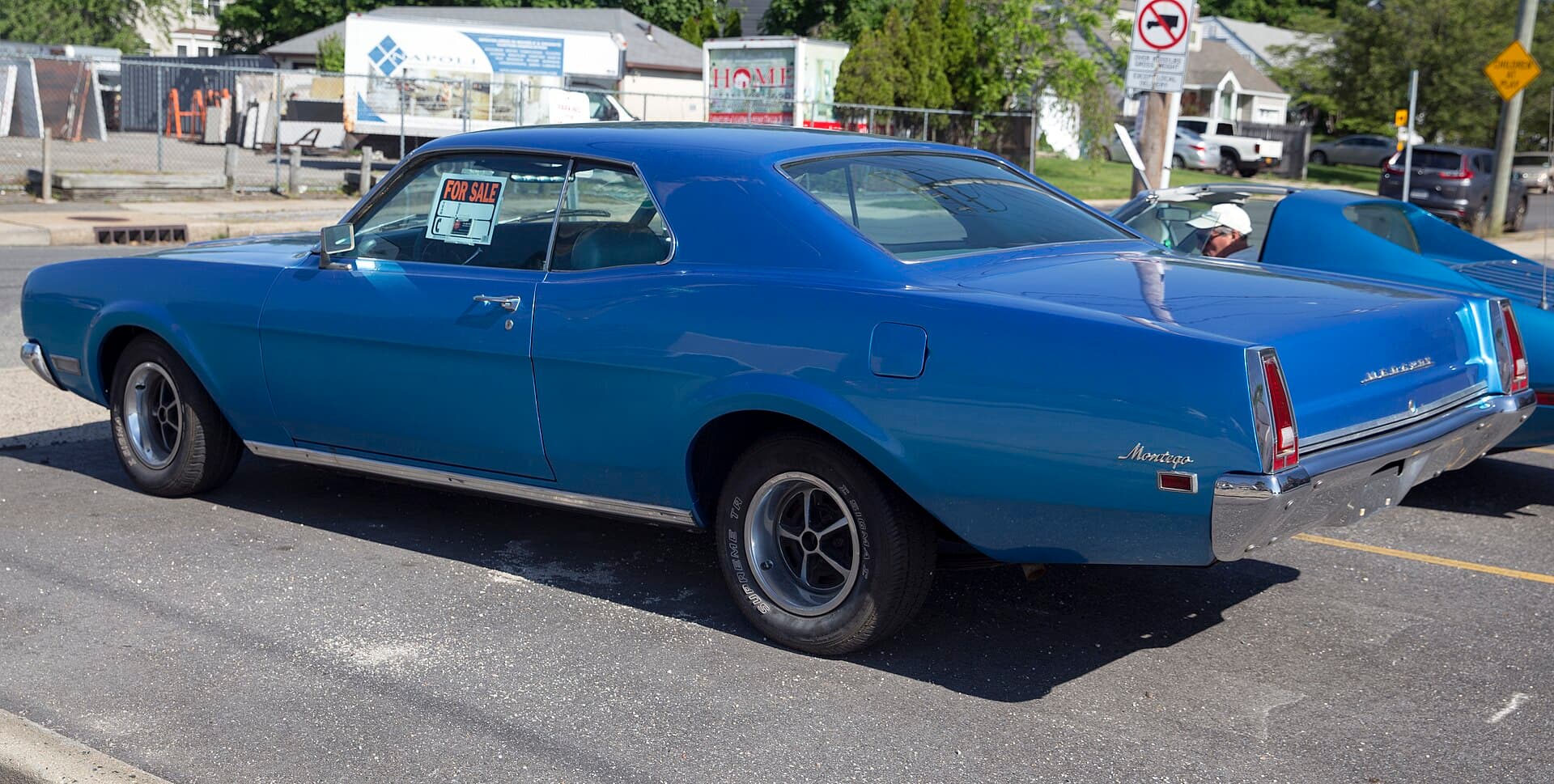
Picture the car first. A turquoise-and-white 1969 Mercury coupe, sitting in shallow snow on the shoulder of a mountain road, seventy miles from where it should have been. The window is rolled down. The keys work, the engine turns over the moment you touch it, the fuel tank is a quarter full. There is not a scratch on the undercarriage, though the road that brought it here climbs and twists through country no one in that car had any reason to visit. It looks like a car whose driver stepped out for a moment and will be right back. But the five young men who were in it that night never came back — and when four of them were finally found, months later, they were miles further up the mountain, in the deep snow, dead. The fifth has never been found at all. This is the story of the Yuba County Five, and it is one of the strangest disappearances in American history precisely because nothing about it was violent, and nothing about it makes sense.
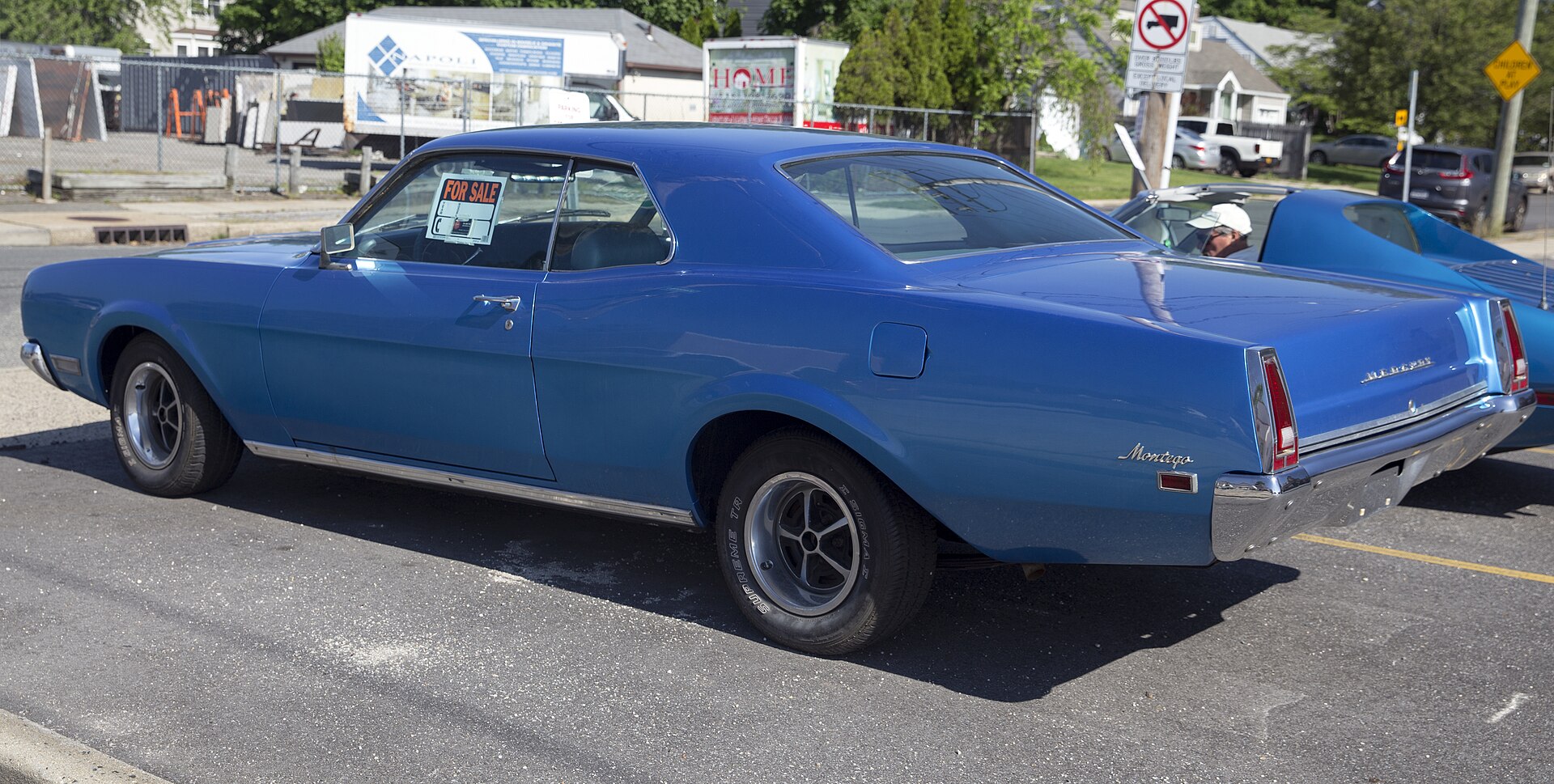
Photo: Wikimedia Commons, CC BY-SA 3.0
The item that put this case into my archive was a receipt. Pies, candy, milk, soft drinks — a short list from a market on the way home, the most unremarkable document in the entire file. I had been building a chronology and I kept that list open in front of me while I read the rest, because it is the last thing in the record made by five men who expected to be somewhere the following morning. Everything after it belongs to a version of that night that nobody has been able to describe.
Five Friends and an Ordinary Night
The five were Gary Mathias, 25; Bill Sterling, 29; Jack Madruga, 30; Jack Huett, 24; and Ted Weiher, 32. They lived around Yuba City in Northern California, and all five had mild intellectual disabilities or psychiatric conditions. They were friends who did nearly everything together, and they played on a basketball team, the Gateway Gators, connected to a local program for people with disabilities.
On the evening of February 24, 1978, the men drove up to Chico, about fifty miles north, to watch a college basketball game at the university there. It was a completely ordinary outing. On the way home they stopped at a market and bought snacks — pies, candy, milk, soft drinks — the kind of small purchases that fix a moment in time. And they had every reason to hurry home. The very next day was a Special Olympics tournament, and their own team was due to play. The men were excited about it; some had already laid out the clothes they meant to wear. Ted Weiher had asked his mother to make sure he did not oversleep. Every detail of that night points toward five men who intended to be home, in their own beds, ready for a game they cared about. And then they simply disappeared.
The Car in the Wrong Direction
When the men did not come home, their families went to the police, and a search began. On February 28, four days after they were last seen, Madruga's Mercury was found — but not anywhere on the sensible route between Chico and Yuba City. It was sitting in the snow along the Oroville–Quincy Highway, high in the Plumas National Forest, roughly seventy miles in the wrong direction, far up into the mountains and away from home.
Nothing about the car's condition matched a breakdown or an accident. When investigators examined it, the engine started without trouble; the tank still held about a quarter of its fuel; the undercarriage was undamaged despite the rough mountain road. The car had not been stuck, had not crashed, had not run dry. It had simply been left. Jack Madruga, the owner and driver, was a careful man and an ex-serviceman who knew the region, and everyone who knew him agreed he would never willingly drive his own car up a snowbound mountain track in the dark for no reason. Yet that is exactly where the car ended up — and then its five passengers walked away from it, into the forest, in thin jackets and tennis shoes, on a night when the temperature was well below freezing and the drifts ran ten and twelve feet deep.
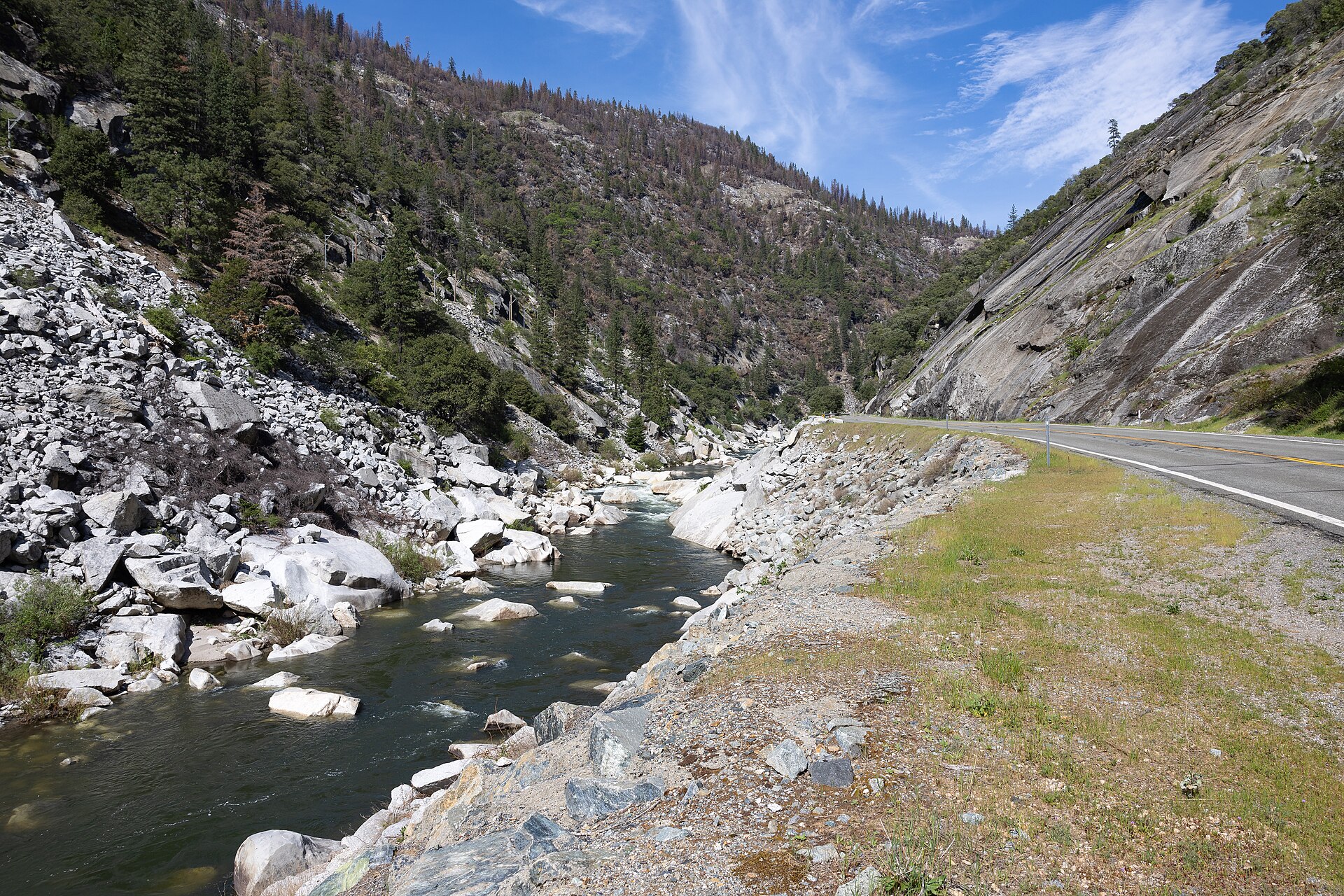
Photo: Wikimedia Commons, CC BY-SA 4.0
The Man Who Was Already on the Mountain
There was one person on that mountain road the same night, and his account is the closest thing the case has to a witness — though it is also one of its most contested threads. Joseph Schons had driven up the Oroville–Quincy Highway that evening and gotten his own car stuck in the snow. While trying to free it, he began to feel the early symptoms of a heart attack, and he sheltered in his car through part of the freezing night.
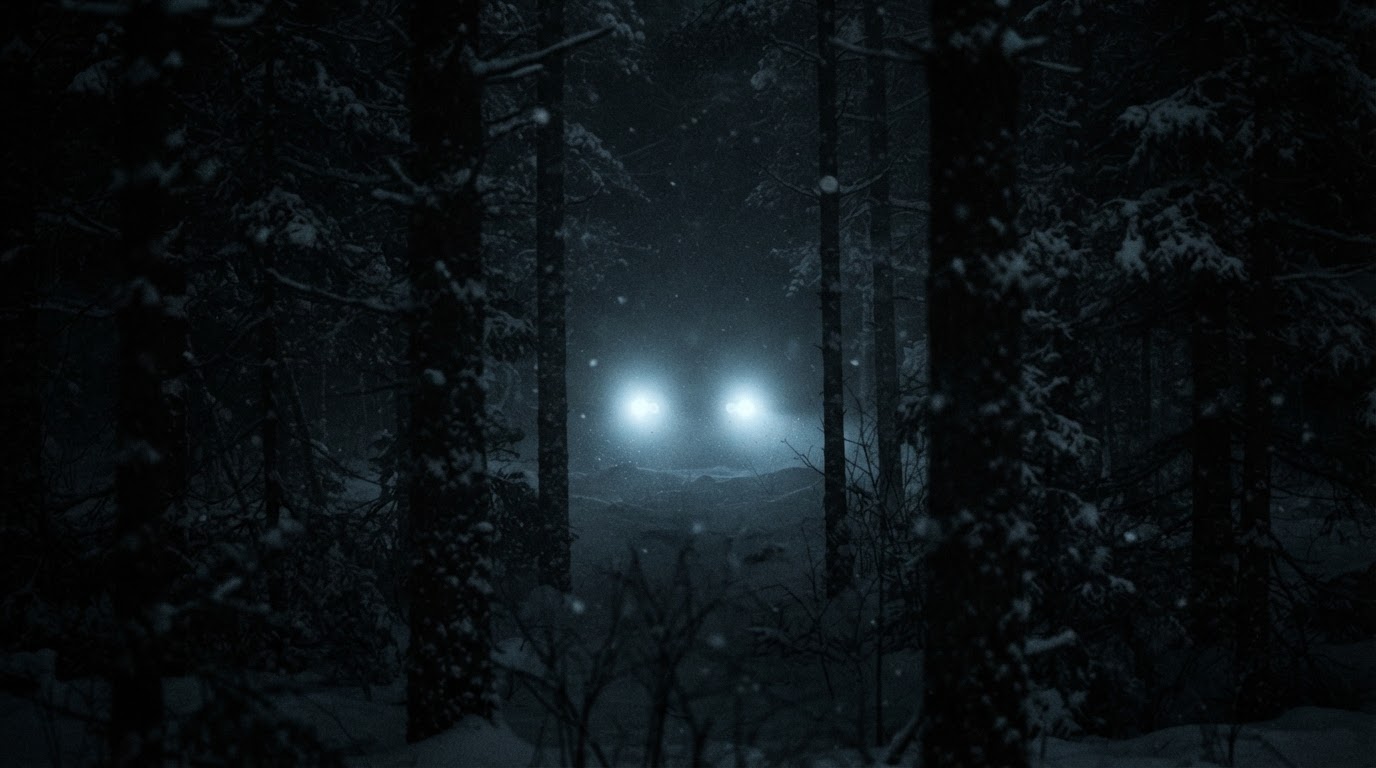
From there, Schons said, he saw and heard strange things. He described headlights behind him and the voices of people gathered around a parked vehicle. He said he called out for help — and that the moment he did, the talking stopped and the headlights went dark. Later he thought he saw flashlights or a beam of light moving in the woods, which also went out when he called. He was in pain and in and out of lucidity through the cold hours, and he later admitted he could not be sure of everything he had seen. Investigators, too, had reason to treat his account carefully: questions were raised about his reliability. But the outline of it is haunting. If the car he saw was the men's Mercury, then five people stood on that road in the dark, heard a stranger calling for help a short distance away — and went silent, killed their lights, and walked off into the trees instead.
Months of Snow, and Then the Trailer
Winter held the high country, and the deep snow made any thorough search of the forest impossible for months. It was not until June, when the snow finally melted back, that the mountain gave up what it had been keeping.
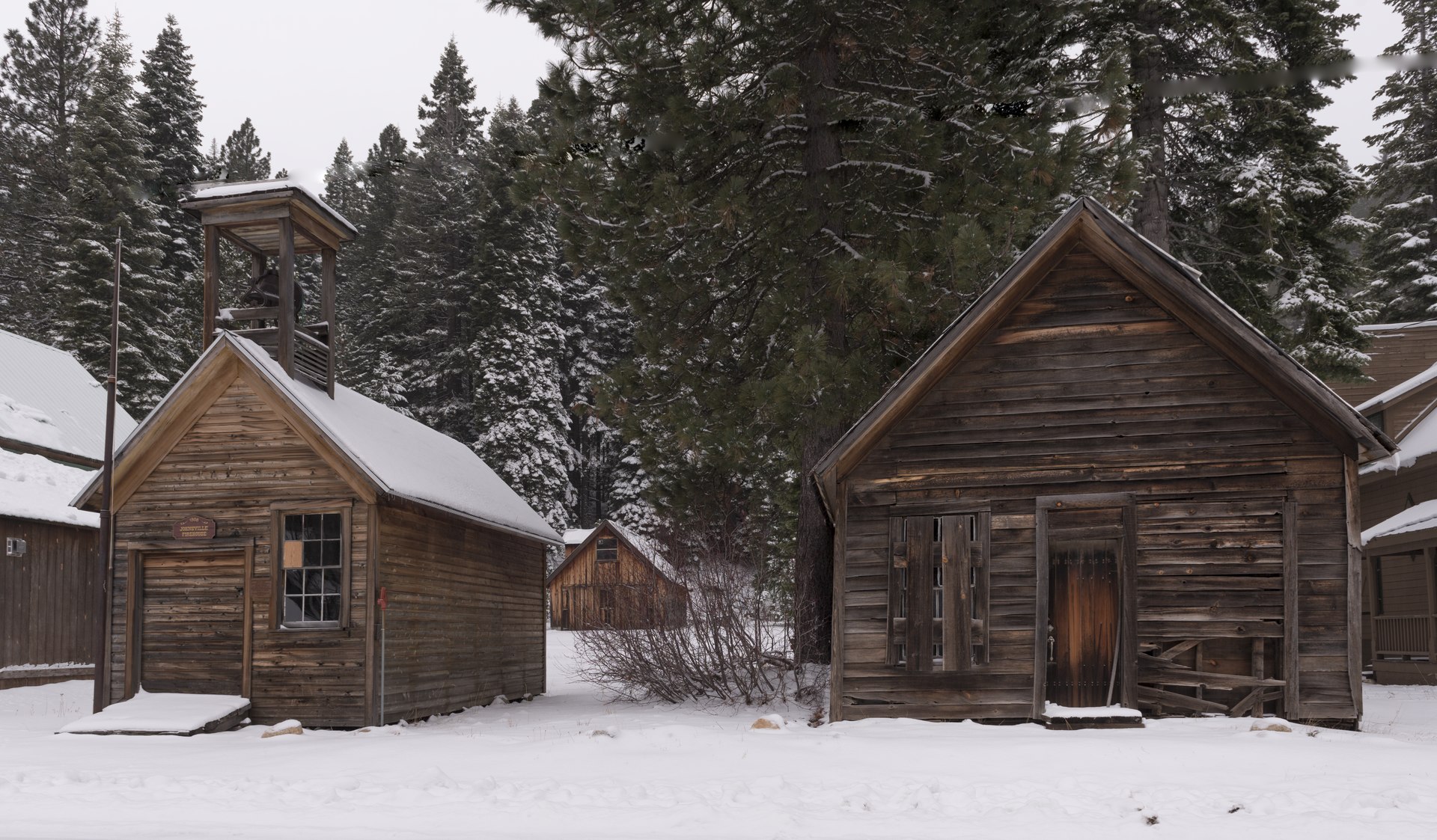
On June 4, 1978, a motorcyclist riding off-road in the Plumas National Forest came upon a small U.S. Forest Service trailer — the kind used seasonally by firefighting crews — standing alone in a clearing. Inside was a body. It was Ted Weiher, and the trailer was nearly twenty miles from where the abandoned car had been found. To have reached it on foot, in that snow, in that cold, was almost beyond belief. And what the trailer contained turned an already strange case into something that has troubled people for decades.
What the Trailer Did Not Explain
Ted Weiher had survived in that trailer for a long time. His full-grown beard — he had been clean-shaven the night he vanished — suggested he had lived on the mountain for around three months. He had lost close to half his body weight, dropping from roughly two hundred pounds to a fraction of that. His feet were badly frostbitten, nearly gangrenous. He had died, in the end, of some combination of starvation and the cold.
And that is the part that has never sat right with anyone. Because the trailer was, by the standards of a man freezing and starving in the wilderness, a place of rescue. There were C-ration cans; Weiher had opened and eaten from roughly three dozen of them. But there was far more food he never touched — dehydrated meals locked in a storage locker he seems never to have opened. There were matches and there was kindling, and there was a fireplace he apparently never lit. There was a butane tank he never turned on. A man dying of exposure had, within arm's reach, the food and heat that might have kept him alive, and for reasons no one can explain, he used almost none of it. On the table by the bed lay his ring, his necklace, his wallet with cash still inside — and a gold Waltham watch, its crystal missing, that his family said had never belonged to Ted or to any of the five. Where the watch came from, no one knows.
Stranger still, Weiher's own shoes were gone, but a pair of Gary Mathias's shoes had been left behind in the trailer, and his body appeared to have been covered with sheets. Both details hinted that Weiher had not been alone — that someone else had been in that trailer with him, and had at some point left.
The Others on the Mountain
The search intensified after Weiher was found, and over the following days the forest yielded more. On June 5, the remains of Jack Madruga and Bill Sterling were found roughly eleven miles from the abandoned car, on opposite sides of the road. On June 7, searchers found a piece of Jack Huett's spine beneath a manzanita bush a couple of miles from the trailer; his skull was recovered nearby the next day. Piece by piece, the mountain returned four of the five.
The distances alone defy easy explanation. These were men in unsuitable clothing, without survival skills, spreading themselves out across miles of freezing, trackless forest in the dead of night — some heading, it seems, further up the mountain rather than back toward the road and the car that could have carried them home. Why they scattered, why they climbed, why they walked away from warmth and shelter and toward the cold, no reconstruction of that night has ever answered.

Photo: Wikimedia Commons, CC BY-SA 4.0
The One Who Was Never Found
Four were accounted for. The fifth, Gary Mathias, was not — and never has been. Only some of his belongings, including those shoes in the trailer, were ever recovered. His body was never found.
Mathias is, in a sense, the center of the mystery. He had a history of paranoid schizophrenia and was an Army veteran; but at the time he disappeared he was taking his medication and, by the accounts of those who knew him, keeping his condition under control. There is no evidence he caused what happened, and no evidence he did not. The presence of his shoes and the covered body in the trailer suggest he may have been with Weiher near the end, and then walked out into the snow himself — but toward what, and to what end, is unknown. Somewhere in that forest, presumably, is the answer. It has never surfaced.
What Remains
Investigators pieced together a plausible skeleton of the night — the men may have taken a wrong turn near Oroville, perhaps confused, perhaps thinking they could reach the home of one of Mathias's contacts, and driven up into country they did not know until the snow stopped them. There was even a disputed report of some of the men being seen days later in a red pickup thirty miles away, though it was never confirmed. But a plausible route does not explain the behavior. It does not explain why five men left a working car with a quarter tank of gas and walked into a freezing forest in shirtsleeves. It does not explain why they went silent when a stranded stranger called for help. It does not explain the untouched food and the unlit fire, the mystery watch on the table, the covered body, the vanished man.
If you want to know where I get stuck, it is the gold Waltham on the table beside the bed, crystal missing. Everything else in that trailer can be argued about — the locker he never opened, the fire he never lit, whether a starving man's judgment can be reasoned with at all. The watch cannot be argued about. It was there, the family was certain it belonged to none of the five, and it entered that clearing by some route the investigation never traced. I have gone looking for it in the paperwork more than once, hoping for a line I missed. There is no line. There is a watch on a table twenty miles up a mountain, and no account of how it arrived.
What we know for certain is small and terrible. On a February night in 1978, five friends who wanted only to get home for a basketball game drove seventy miles the wrong way, left a perfectly good car in the snow, and walked into the mountains. Four of them died there in ways no one can fully account for. One of them was never seen again. Nearly half a century later, the forest has given back almost everything it took — everything except the reason.
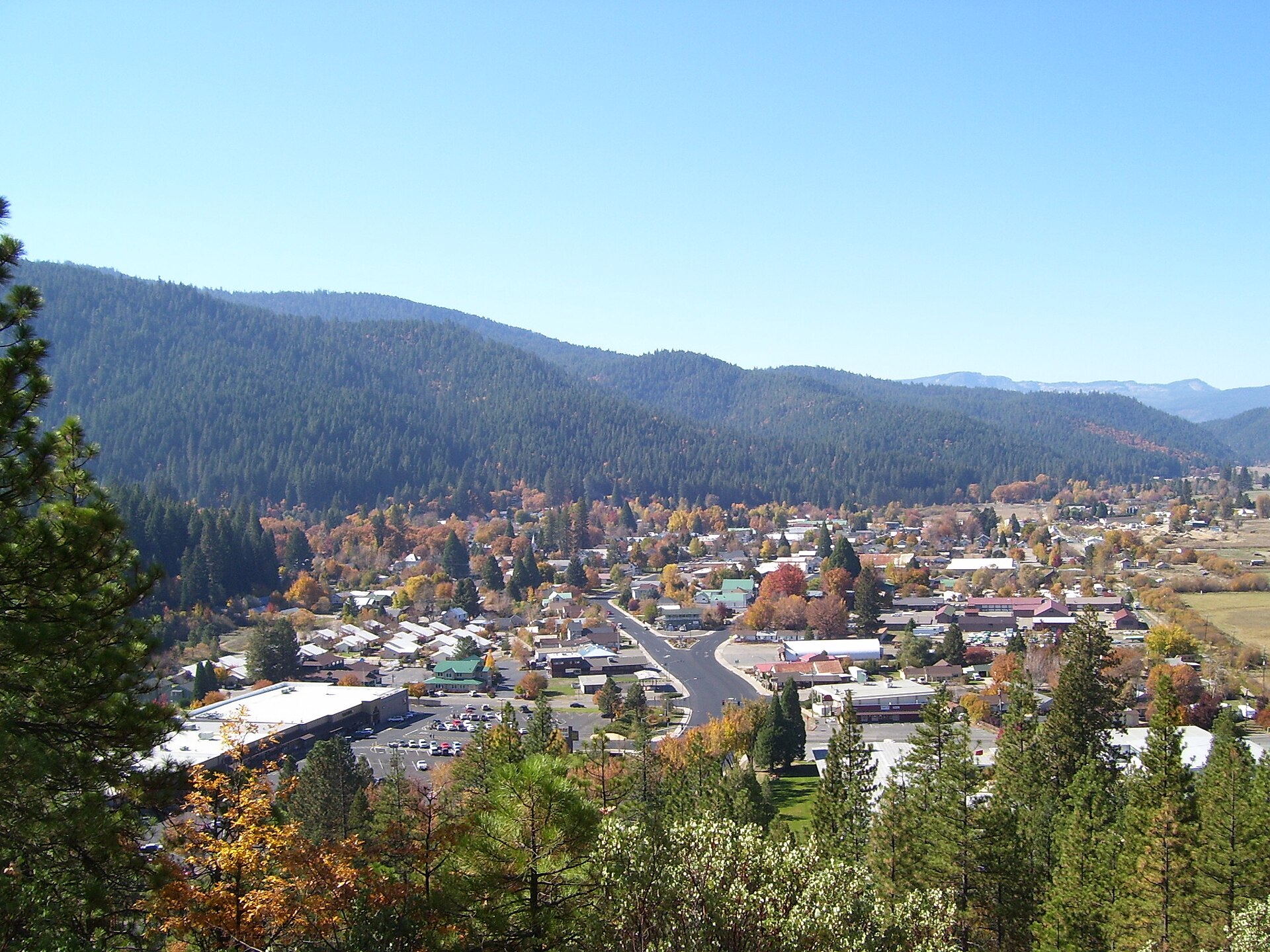
Photo: Wikimedia Commons, CC BY-SA 3.0
---
This article uses both actual documentary and on-location photographs and AI-generated images and video produced to convey the mood of the story.


Comments
No comments yet — leave the first one.