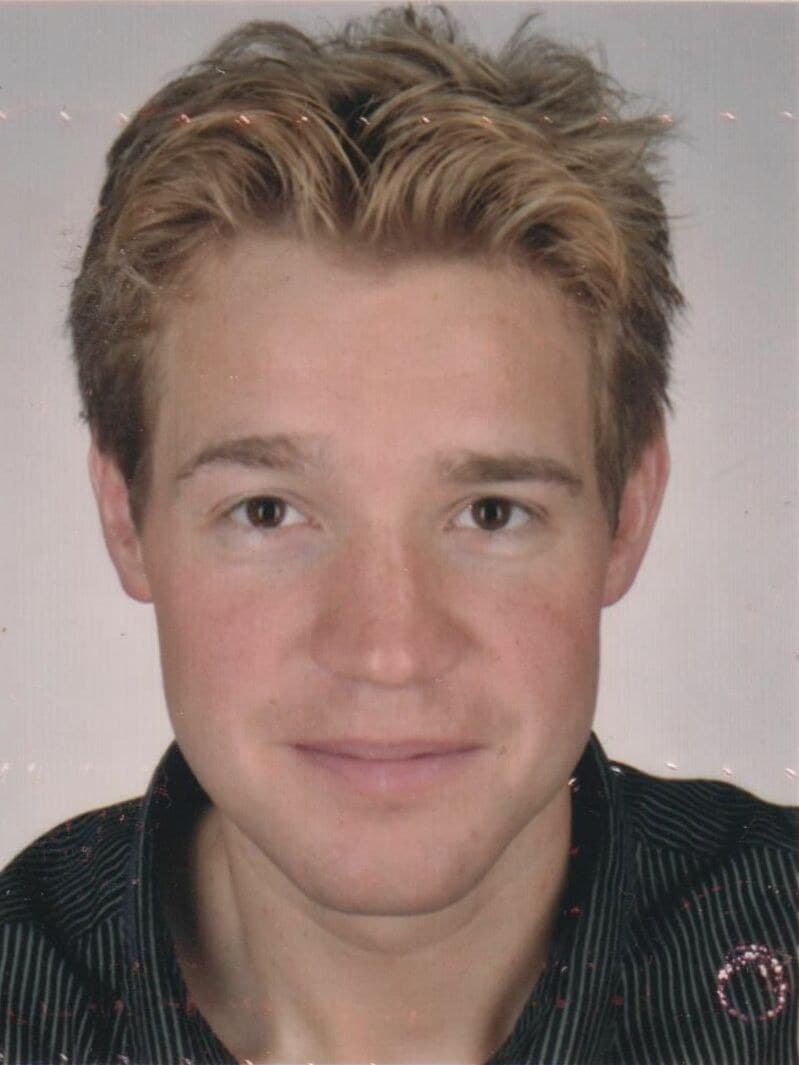
There is a video, barely a minute long, that has been watched tens of millions of times. In it, a young man in a yellow t-shirt walks calmly through the small departures hall of an airport in Varna, Bulgaria. He looks like any other traveler heading home from a summer holiday. Then, without warning, he breaks into a run. He sprints out of the terminal, across an open stretch of asphalt, scrambles over a perimeter fence, and disappears into a line of trees. That was the eighth of July, 2014. Lars Mittank was twenty-eight years old, and no one has seen him since. He left behind his passport, his wallet, his phone, his luggage — everything a person would need to exist in the world. The camera recorded the exact second he stopped being a man on his way home and became one of the most famous missing persons on the internet. This is the story of what led up to those forty seconds of footage, and of the questions they left behind.
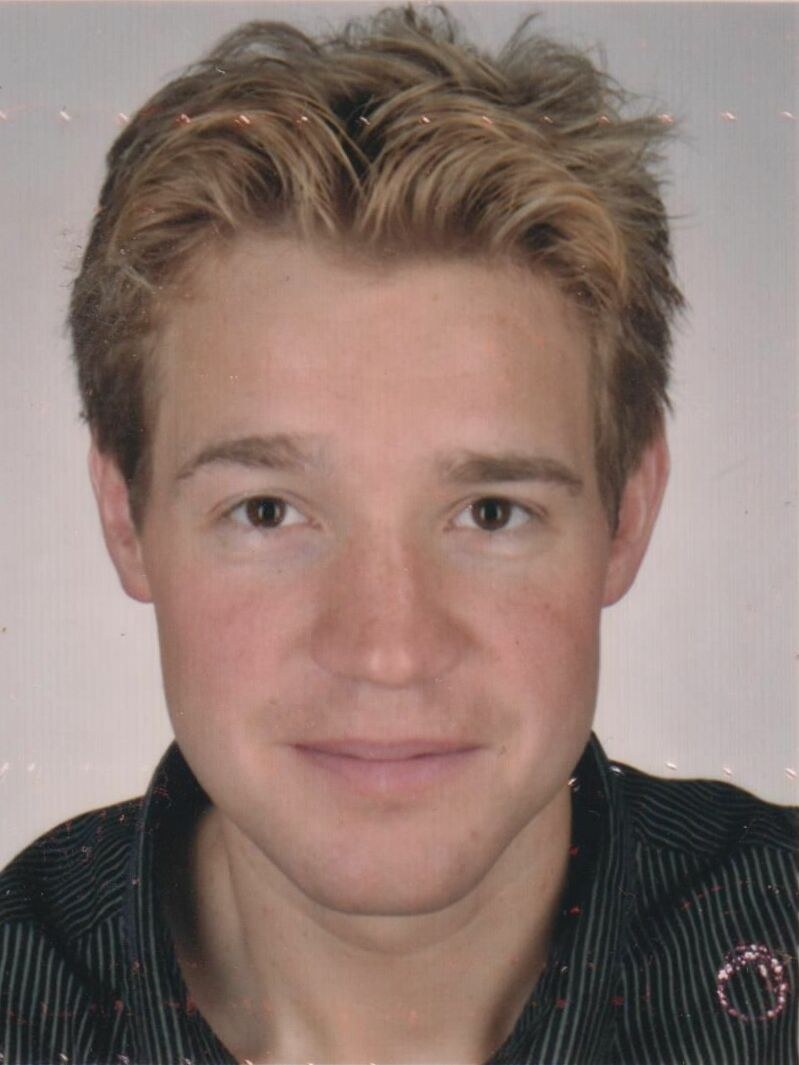
Almost every file I keep begins with a gap — someone was here, then wasn't, and the interval is dark. This one is the opposite, and that is why I took it. The forty seconds are on tape. I have run them more times than I can defend, and the detail that always stops me is not the fence but the yellow shirt: he is running in bright daylight, in the most visible colour a person can wear, across open asphalt, in full view of a camera. Whatever he believed was behind him, he was not trying to hide from it.
A Birthday Trip to the Black Sea
At the end of June 2014, Lars Mittank flew from Germany to Bulgaria with four friends. They were bound for Golden Sands, a resort strip on the Black Sea coast just north of Varna — the kind of place built for exactly this: cheap sun, long beaches, late nights. Lars was a quiet, unremarkable young man from the small town of Merzig in the west of Germany, and the trip was meant to be a straightforward week of holiday before his birthday. Those who knew him described him as calm and level-headed, not the type to invent drama or go looking for trouble.
For most of the week, that is exactly what it was. The friends drank, swam, and moved between bars along the resort. There was nothing to suggest that one of them would not be flying home. But on the night of July 6, something happened that would quietly turn the trip inside out. In one of the bars, Lars and his group got into a disagreement with another set of German tourists — the sort of petty argument that, according to later accounts, started over football, over rival clubs. It seemed like nothing. The kind of exchange that is forgotten by morning. It was not forgotten.
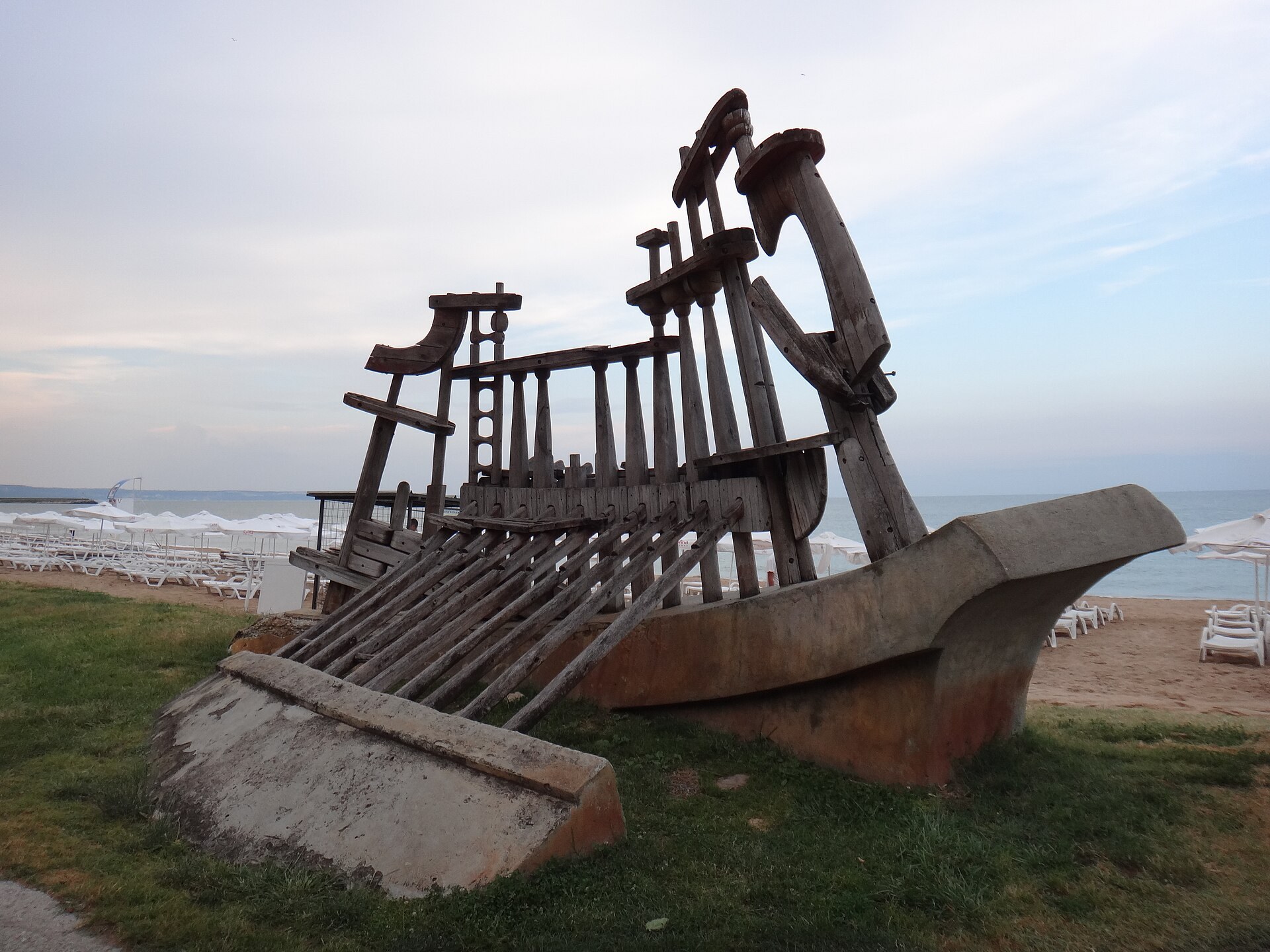
Photo: Wikimedia Commons, CC BY 3.0
The Fight, and the Injury That Kept Him Behind
The next morning, Lars told his friends he had been attacked. He said that after the group split up the night before, several men — he believed they had been sent by the tourists from the bar — had beaten him. The injuries were real and serious enough to matter: a hurt jaw and, more consequentially, a ruptured eardrum. When he saw a doctor, he was prescribed the antibiotic Cefprozil, 500 milligrams, and given a warning that would change everything. He was told not to fly. A ruptured eardrum and the pressure changes of a flight are a dangerous combination, and the doctor advised him to wait until the injury had settled.
This left Lars with a decision. His friends' flights home were booked, and the group was due to leave. He could have insisted they stay, but he did not. Instead he told them to go ahead without him, that he was fine, that he would follow on his own once he could safely fly. And so on July 7 his friends departed, and Lars — alone now in a foreign country, with a head injury and a course of antibiotics — checked out of the resort and moved to a hotel closer to the airport, the Hotel Color in Varna, to wait. It is here, in the hours after his friends left, that the ordinary story of a holiday gone slightly wrong begins to curdle into something far stranger.
The Phone Calls to His Mother
Alone at the Hotel Color, Lars began to call home. What he said to his mother, Sandra, in those calls is one of the most unsettling parts of the entire case. He spoke in a whisper, as though afraid of being overheard. He told her that people were trying to kill him, or to rob him. He asked her to cancel his credit cards. He said he did not feel safe. This was not the son she knew — the calm, grounded young man who did not exaggerate. His voice was frightened and urgent, and the things he described were the words of someone convinced he was being hunted.
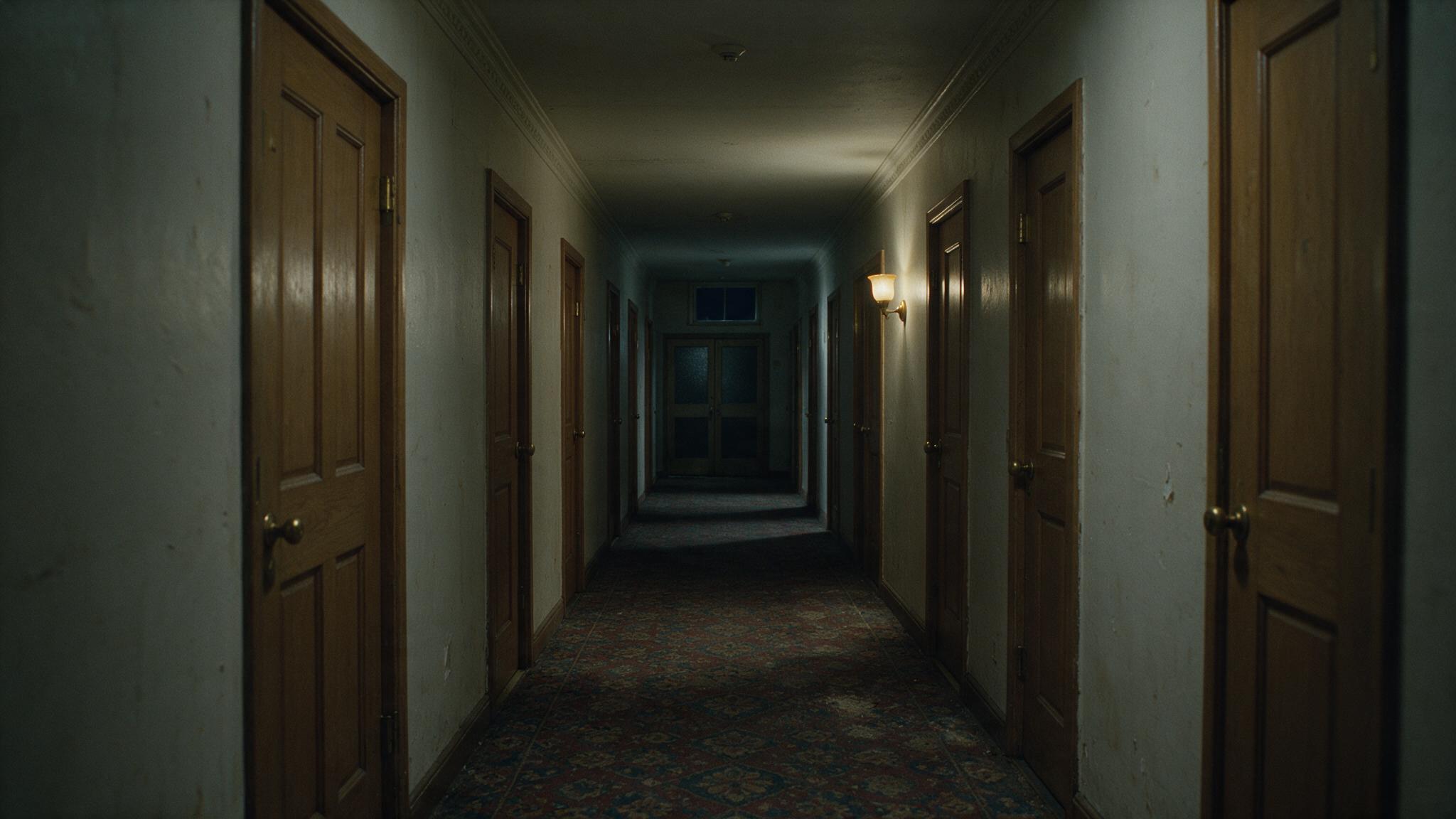
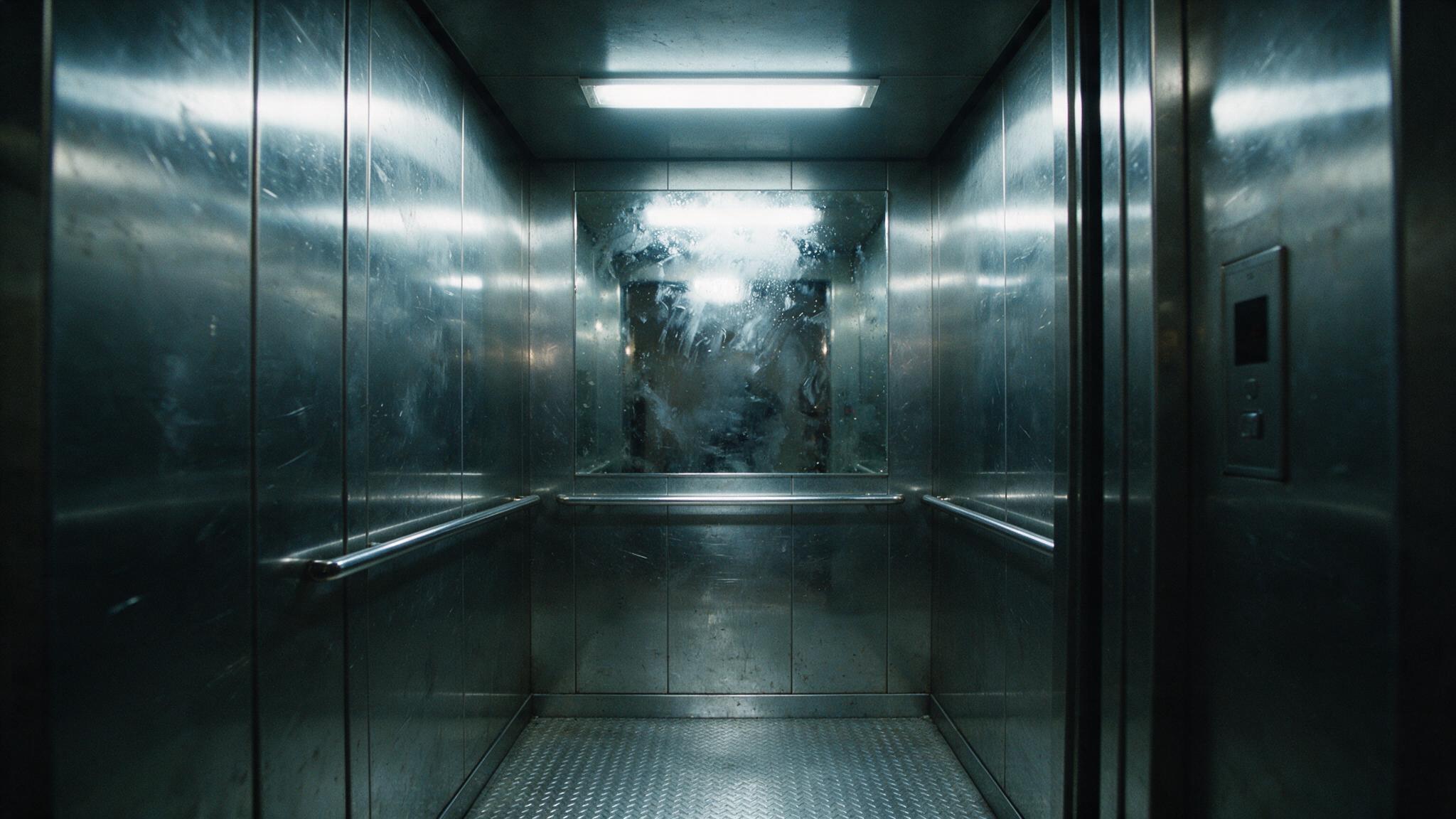
The hotel's own security cameras seem to bear out how disturbed he had become. Footage from that night reportedly shows Lars pacing the corridors of the Hotel Color, moving up and down, and at one point stepping into an elevator and simply staying there — hiding, as though he could not bear to be out in the open. Whatever was happening inside his mind, it was no longer letting him rest. The next morning he called his mother one more time and said the people pursuing him were getting closer. Then he set out for the airport to fly home after all — the very thing the doctor had told him not to do.
Forty Seconds at Varna Airport
At Varna Airport on the morning of July 8, Lars did something that, on its face, looks almost responsible. Before his flight, he went to see the airport's doctor — a physician named Kosta Kostov — presumably about the ear injury and whether he was fit to fly. But inside that small consulting room, the last threads holding him together came apart. The doctor would later describe Lars as nervous and erratic, a man plainly not himself.
Then the door opened. A construction worker, going about ordinary business at the airport, stepped into the room. And at the sight of him, Lars came undone. He began to tremble. He cried out — the words that have echoed through this case ever since — that he did not want to die there, that he had to get out. And then he ran. He left the doctor's office and everything in it, left his luggage, left his passport and wallet and phone, and fled through the terminal. The security cameras picked him up outside: a young man in a yellow shirt jogging away from the building, then breaking into a full sprint, running across the open ground, hauling himself over the perimeter fence, crossing a rough meadow, and vanishing into the trees at its edge. The footage ends there. It is the last confirmed record of Lars Mittank alive.
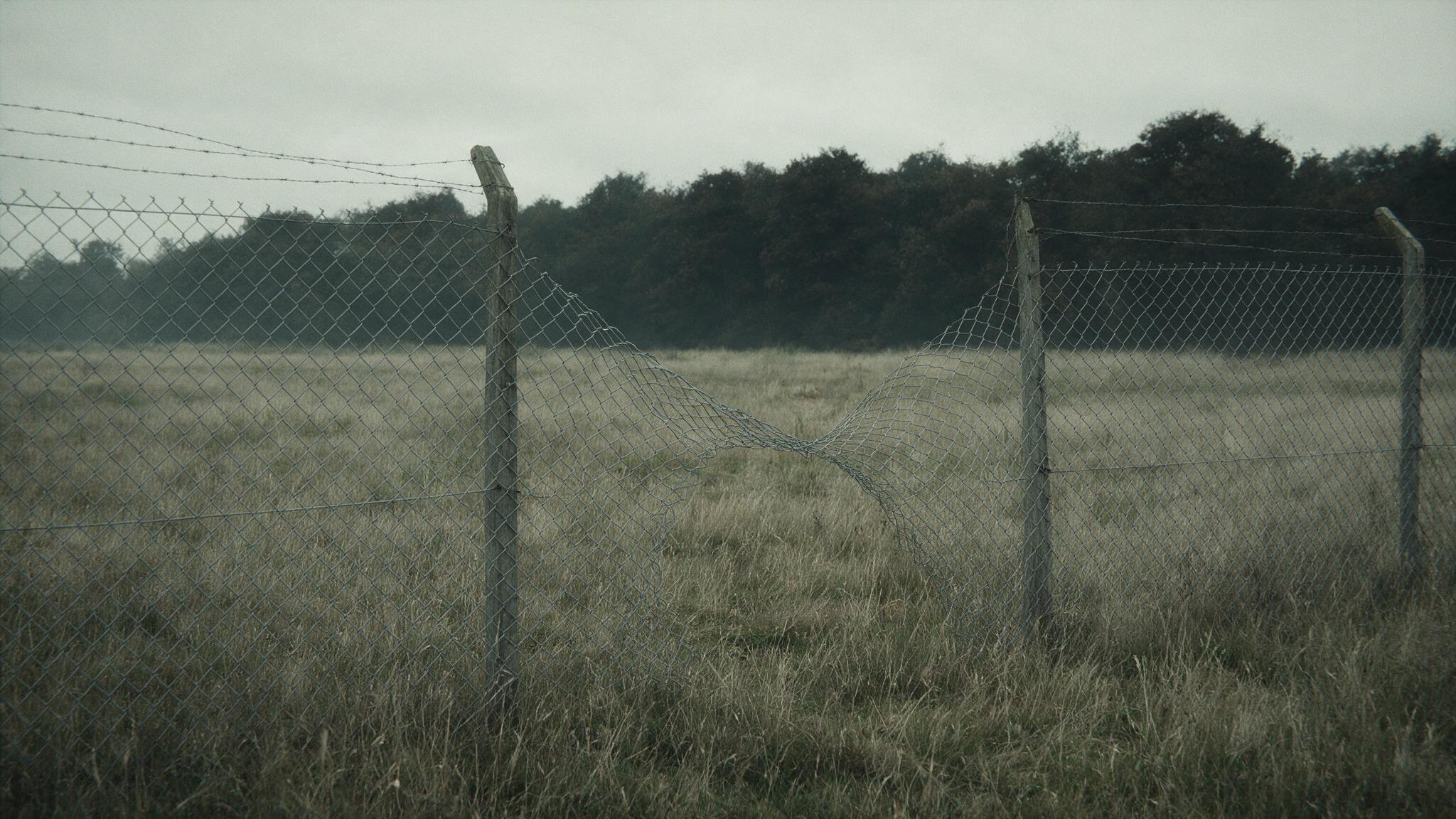
Below is a short atmospheric clip — a slow drift toward a dark line of trees at the edge of an open field, the way the last footage trails off into the woods. It is a mood recreation, not real footage of the case.
The Search, and the Ghosts That Followed
When Lars did not come home, his family refused to accept the silence. His mother hired a private investigator, Andreas Gütig, who worked the case on the ground in Bulgaria, checking hospitals and records for any trace of him. There was none. Bulgarian authorities searched the wooded area beyond the fence — the last place the camera saw him go — and found nothing. No clothing, no belongings, no body. A young man had run into a stand of ordinary trees on a summer morning and, as far as the physical world is concerned, simply ceased to exist.
In the years that followed, the ghosts came, as they always do in cases like this. About a year after he vanished, a truck driver said he had picked up a hitchhiker near Varna who resembled Lars. Later, in 2019, another driver in Germany claimed to have given a lift to a man with long hair and a beard who looked like an older version of Mittank, somewhere between Dresden and Brandenburg. Sightings surfaced and dissolved. A widely shared photo once thought to show him wandering barefoot on a road turned out to be a different missing man entirely. None of it ever hardened into proof. Each lead flickered and went out, and Lars remained exactly as gone as the moment the camera lost him.
What Was He Running From?
The unbearable thing about the Mittank case is that we can watch the last moment and still not understand it. The most sober explanation, and the one many find most persuasive, is a medical one. A blow to the head — the beating he described — can, in rare cases, trigger a first episode of acute psychosis, a sudden break with reality in which a person becomes convinced they are being watched, hunted, poisoned, killed. Everything Lars did in his final days fits that shape with terrible neatness: the whispered calls, the belief he was being pursued, the hiding in the elevator, the panic at the sight of an ordinary stranger, the flight into the woods. On this reading, there were no killers. The pursuers he ran from were inside his own injured head, and the woods he ran into were as dangerous as any real threat, because a man in the grip of that terror is not making decisions that keep him alive.
But a medical explanation for his behavior is not the same as knowing what happened to his body, and that is where the case stays open. If he collapsed in the forest, why was nothing ever found — no remains, no clothing, in a decade of looking? If he survived and walked out the other side, where did a man with no money, no phone and no passport go, and why has he never once surfaced in all the years since? Some hold to darker readings: that the men he feared were real, that the beating was a warning, that he ran into the trees and into someone waiting. There is no evidence for this, but there is no evidence against it either, and that emptiness is precisely what keeps the story alive.
The entry I find hardest to keep in order is the construction worker. He walked into a doctor's office to do something ordinary and a stranger looked at him and began to shake. He is in the record without a name, a man who did nothing, and he is the last person Lars Mittank is known to have seen. I have wondered, closing this file and opening it again, whether he understands what he was — whether anyone ever told him that he is the final figure in the sequence, standing in a doorway in Varna, holding a door open onto a meadow.
What we can say for certain is only what the camera says. On a July morning in 2014, a frightened young man ran out of a Bulgarian airport, climbed a fence, and disappeared into a line of trees, leaving behind everything that tied him to the world. He was twenty-eight. His mother is still waiting. And the tree line beyond that fence has kept its answer for more than ten years, the way it keeps it still.
---
This article combines the actual missing-person photograph and present-day photographs of the locations with AI-generated images and video produced to convey the mood of the story.


Comments
No comments yet — leave the first one.