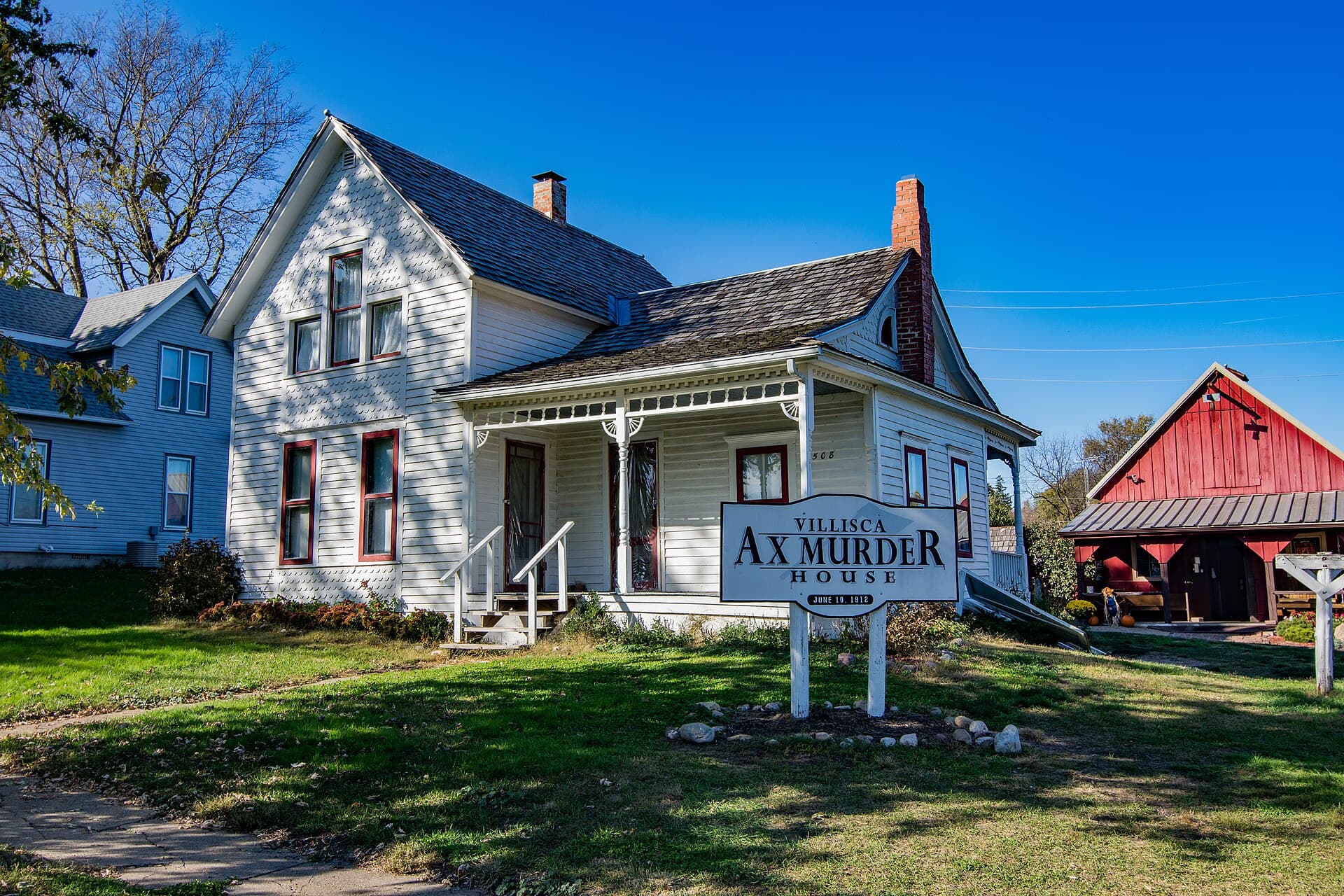
On the morning of June 10, 1912, in the small farming town of Villisca in southwestern Iowa, a neighbor named Mary Peckham noticed that the house next door had gone strangely quiet. The Moore family were early risers; by now there should have been smoke from the chimney, the clatter of chores, children underfoot. But the shades were drawn, the doors were locked, and not a sound came from within. Uneasy, she tried the door, could not open it, let the family's chickens out of the coop, and sent for Josiah Moore's brother. When he arrived and let himself in, what he found in the darkened bedrooms would haunt the town for the rest of its existence. Eight people — a father, a mother, four children, and two little girls who had been invited to stay the night — lay dead in their beds, every one of them killed by blows from an axe. More than a hundred years later, no one has ever been convicted. This is the story of the Villisca axe murders, one of the oldest and most disturbing unsolved crimes in America.
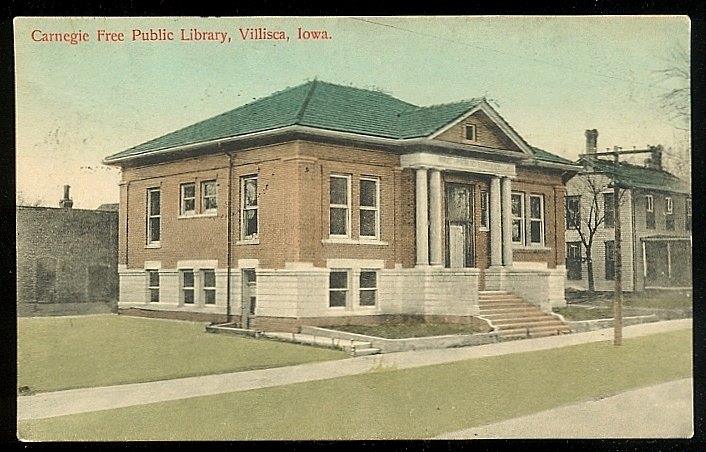
Photo: Wikimedia Commons, CC BY-SA 4.0
Most of the American cold cases I collect arrive as a list of names and a verdict. This one arrived as an inventory, and the inventory is why it stayed. Somewhere in the transcribed notes of the first responders is a line accounting for a slab of bacon brought up from the cellar and left near a body, and beside it, in the same flat clerical tone, a plate of food nobody ate. I filed the case under unsolved homicide because that is what it is. I keep re-reading it because of the bacon.
The Morning Everything Went Silent
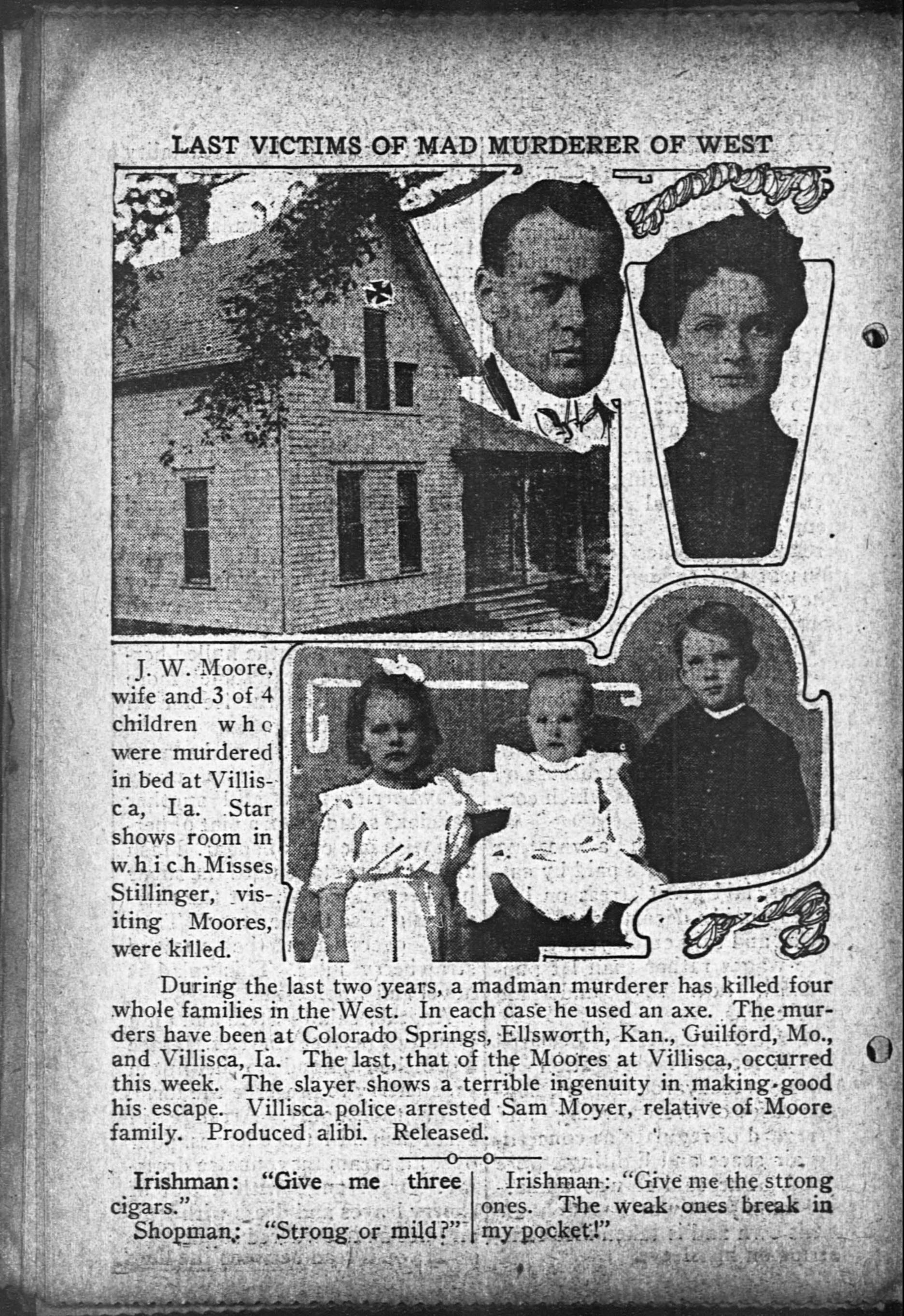
Villisca in 1912 was a prosperous little town of a few thousand people, the kind of place where everyone knew their neighbors and doors were rarely locked. Josiah Moore was a well-liked local businessman; his wife Sarah kept the house and raised their four children — Herman, eleven; Katherine, ten; Boyd, seven; and little Paul, just five. The evening before, the family had attended a Children's Day program at the Presbyterian church, and afterward two of Katherine's young friends, the Stillinger sisters — Lena, twelve, and Ina, eight — had come home with the Moores to spend the night. It was an ordinary end to an ordinary Sunday. The last time anyone saw the family alive, they were walking home together in the warm dusk.
By mid-morning the silence next door had become impossible to ignore. When Josiah's brother Ross finally stepped inside, he made it only as far as the downstairs guest room, where the two Stillinger girls lay motionless, before he backed out and told the others to call the sheriff. He had seen enough to know that no one in the house was going to answer. Word spread through Villisca with terrible speed, and before any authority could seal the scene, dozens of curious and horrified townspeople had already walked through the rooms — an early blunder that would help doom the investigation before it truly began.
Inside the House
The scene inside was almost beyond comprehension. In the upstairs bedroom lay Josiah and Sarah; in the small room beside them, the four Moore children; and downstairs, the two Stillinger sisters. Every one of the eight had been struck in the head as they slept, and investigators concluded that all of them had almost certainly been killed within a short span of the same night, most likely without waking. The murder weapon was not something the killer had brought. It was Josiah Moore's own axe — an ordinary tool he kept out in the yard — and after the killings it had been left behind, propped against a wall downstairs, wiped but not clean.
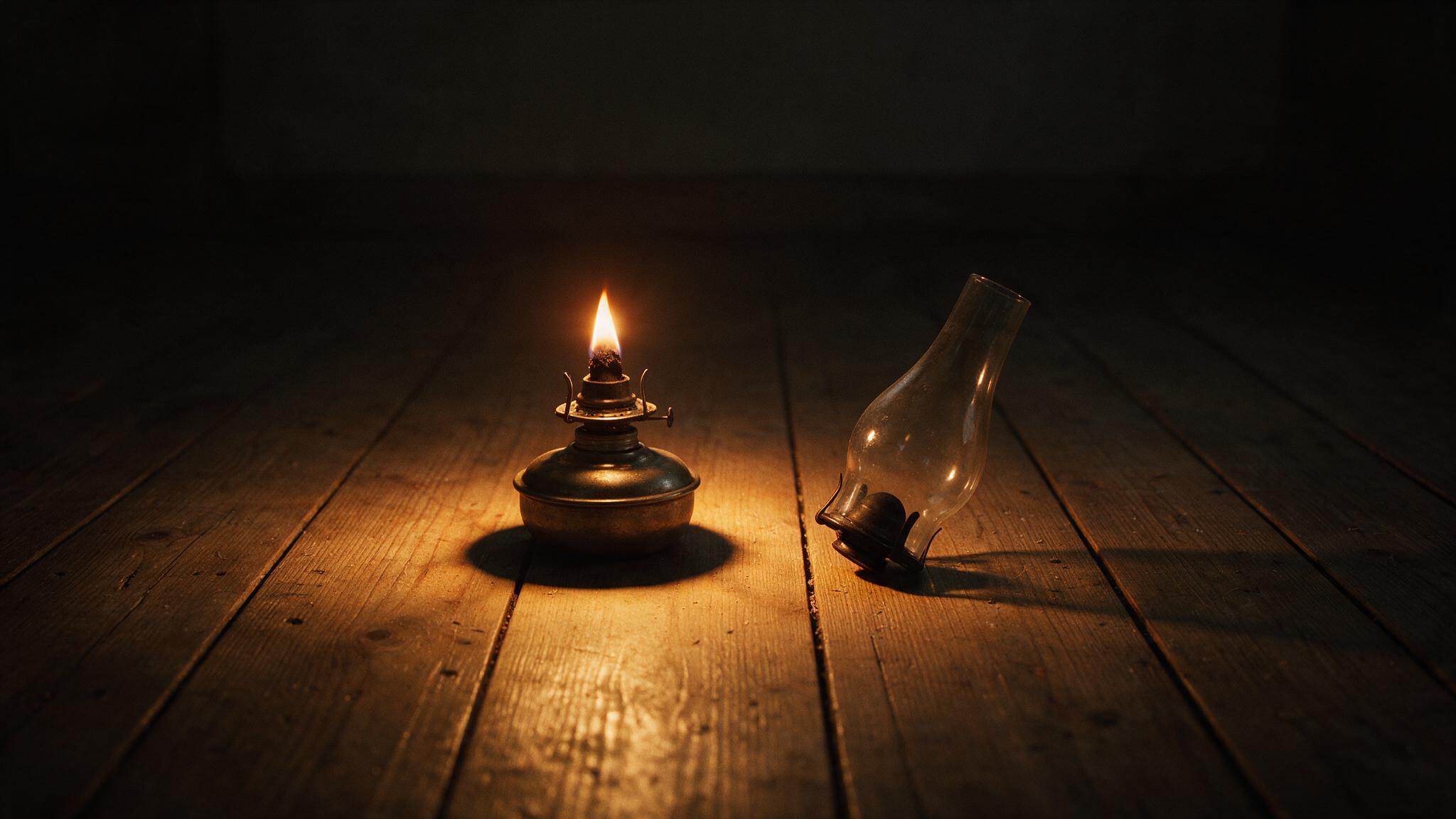
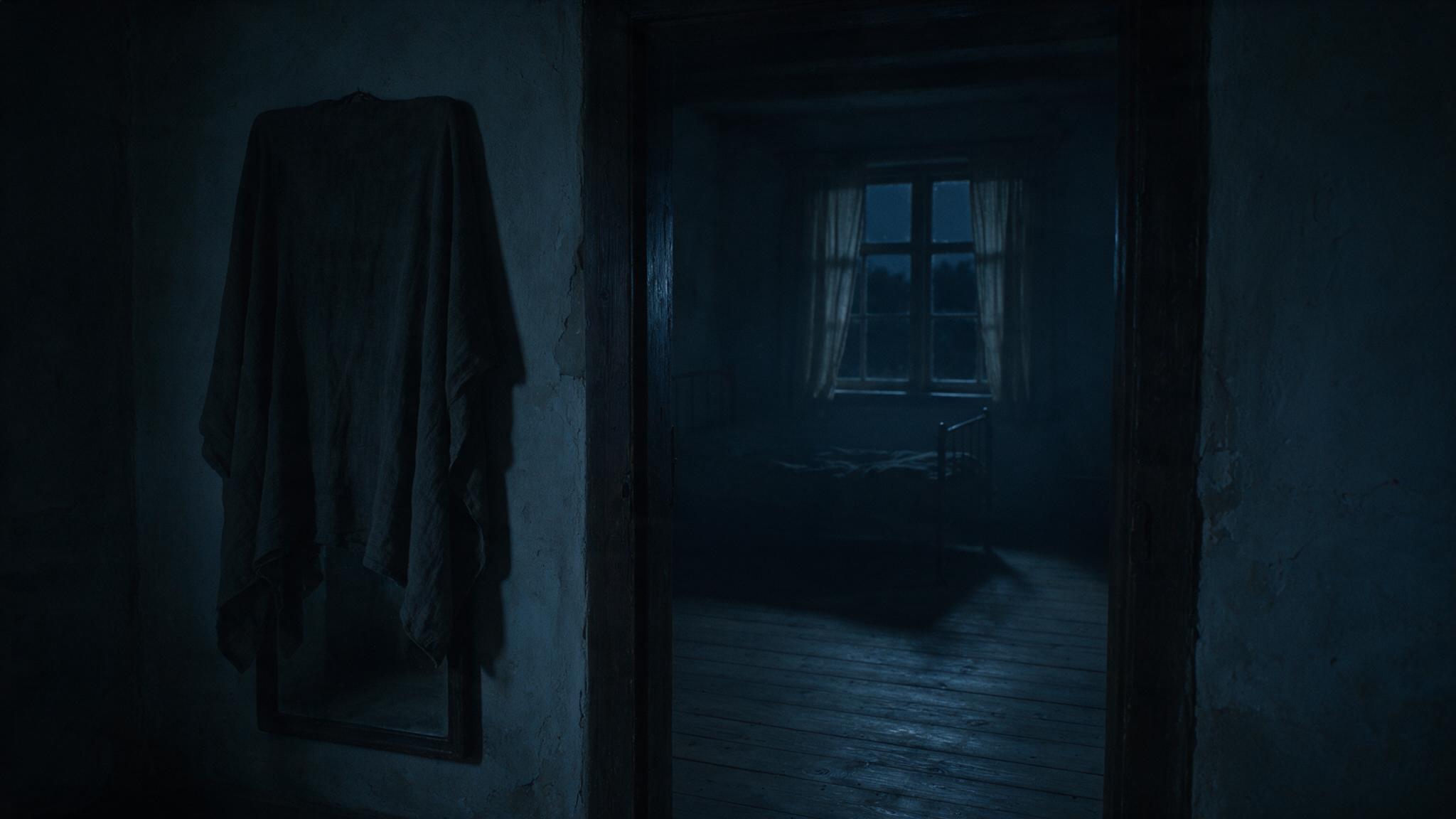
But it was the smaller, stranger details that would fix the case in the imagination for the next century. Nearly every mirror and pane of glass in the house had been covered over with cloth. The faces of the dead had been draped, hidden from view. A kerosene lamp had been left at the foot of one bed with its glass chimney removed and set aside, as though someone had wanted only the barest, lowest light. And in the kitchen the intruder appeared to have lingered — a basin of bloodied water stood where he had washed, a plate of uneaten food sat on the table, and a heavy slab of bacon had been carried up from the cellar and left, inexplicably, near one of the bodies. Whoever had done this had not fled in a panic. He had moved through the house slowly, deliberately, and taken his time.
A Killer Who Was in No Hurry
It was this unhurried quality that unsettled investigators most, and unsettles readers still. Doctors who examined the bodies estimated that the murders had taken place in the small hours after midnight, and the scene suggested the killer had remained inside the house for some time afterward — perhaps even until near dawn. The covered mirrors, the shrouded faces, the trimmed-down lamp: none of it was necessary to the crime, and all of it spoke of a mind following some private logic of its own.
A slow drift through a shadowed 1910s house at night, a single low lamp burning. A mood recreation, not real footage.
Why cover the mirrors? Some later observers reached for old folk beliefs — a superstition that a mirror can trap the soul, or reflect a killer's own face back at him. Why drape the faces of the dead? Perhaps the killer could not bear to be looked at, even by the people he had just killed. And the slab of bacon, the washed hands, the food left out — these were the ordinary gestures of a man perfectly at ease in a house full of the dead. None of it can be explained now. What is certain is only that after committing one of the most savage acts imaginable, the killer walked out into the summer night and vanished so completely that no one has ever been able to say for sure who he was.
The Suspects
In the years that followed, the case did not lack for suspects — if anything it had too many, and none that could ever be nailed down. The name that came to dominate the story was that of a traveling minister, a small, nervous man who had been present at the very Children's Day service the Moores attended on their last evening, and who had left Villisca on an early train the morning the bodies were found. Years later, after long and aggressive questioning, he gave a confession — then almost immediately took it back, insisting it had been dragged out of him. He was brought to trial not once but twice. The first trial ended with a hung jury; the second ended in his full acquittal. In the eyes of the law he was, and remains, an innocent man, and it would be wrong to call him anything else.
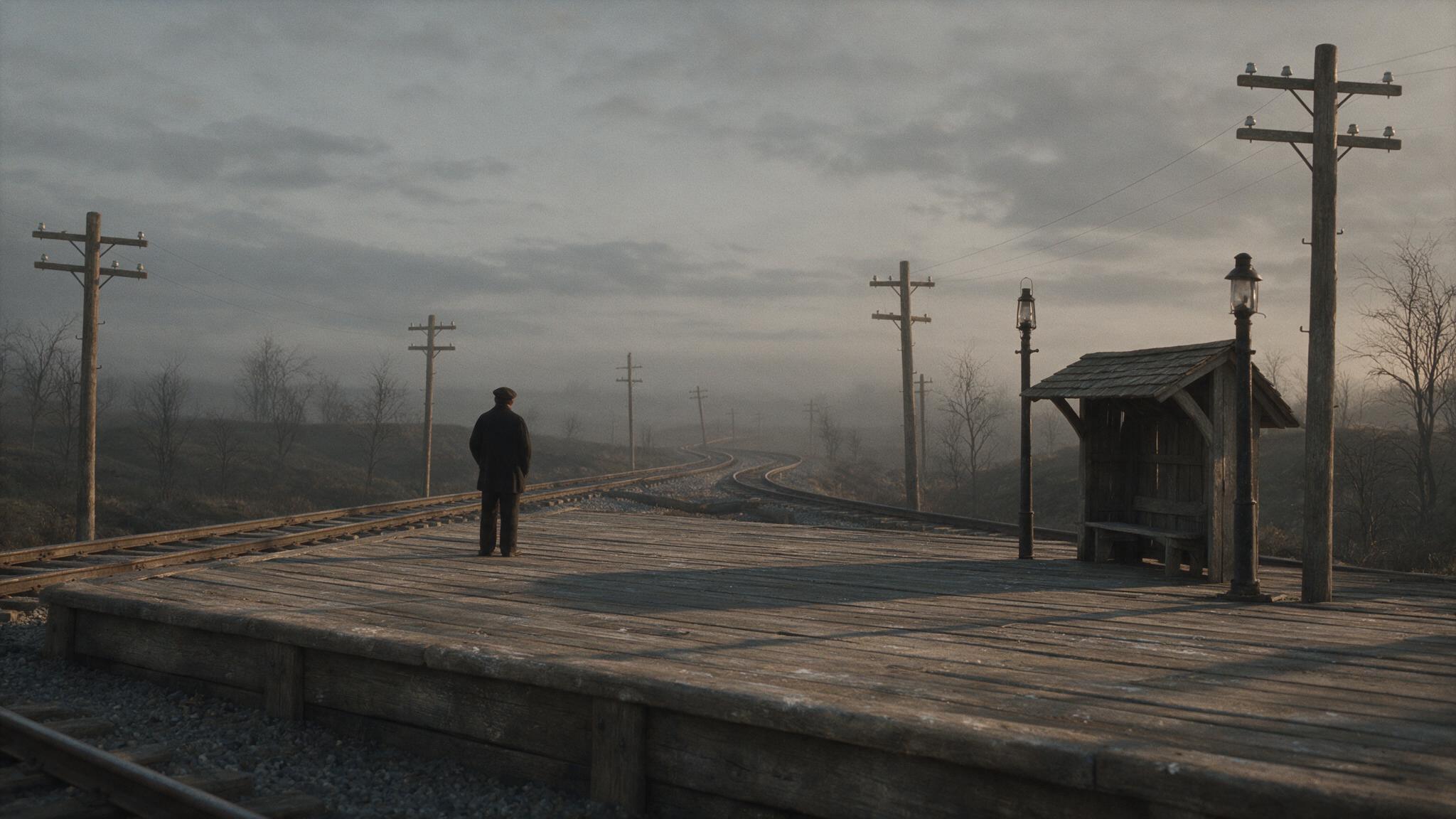
There were others. A local businessman and political figure who had a bitter commercial rivalry with Josiah Moore fell under heavy suspicion, and a persistent rumor held that the killings had been arranged as a contract job on his behalf — though nothing was ever proven, and he was never charged. Investigators also looked hard at the idea that the murders were the work of a wandering killer, one of the drifters who moved along the rail lines in that era and who, some believed, had left a trail of remarkably similar axe murders across the country. Each theory had its persuasive threads; not one of them ever closed the case.
Two Trials, a Confession Taken Back, and a Town Divided
The trials themselves became a second wound for Villisca. By the time the minister stood before a jury, much of the county had already made up its mind — but not in the way the prosecution hoped. A great many local people had come to believe that the frail, odd little preacher was being made a scapegoat, framed to shield the real culprit, and that money and influence were quietly at work behind the scenes to steer the outcome. The confession that was supposed to secure a conviction instead looked, to many, like exactly what a confused and frightened man says after enough hours of pressure. When the second jury acquitted him, the case did not so much conclude as simply run out of anywhere to go.
And that was the end of it, in any legal sense. No one else was ever tried. The physical evidence had been trampled in the first chaotic hours; memories faded; the men who might have known something carried it to their graves. What remained was a town that had suffered an atrocity and would never be told who was responsible — a silence that settled over Villisca and never entirely lifted.
The House That Still Waits
The Moore house did not disappear. It still stands on its quiet street in Villisca, a modest white frame house that looks, from the outside, like a hundred others in small-town Iowa. For decades it passed through ordinary hands and ordinary lives, until eventually it was bought and painstakingly restored to look exactly as it had in 1912 — the same rooms, the same plain furniture, the lamplight and the shadows. Today it is a museum, and something stranger than a museum. By day, guides walk visitors through the house and tell the story of that June night. By night, for a fee, people book the empty rooms and stay until morning, hoping — or dreading — to feel something the daylight tours cannot offer.
It has become, inevitably, one of the most famous "haunted" houses in America, and the visitors who stay overnight trade the usual stories of footsteps and cold spots and voices in the dark. Whether any of that is real is not something this account can answer. What is real, and far heavier than any ghost story, is the fact underneath it: that in this small house, on a warm night more than a century ago, eight people — six of them children — were killed as they slept, with an axe from their own yard, by someone who then covered the mirrors, cut himself some bacon, and stepped out into the night without ever leaving his name. Villisca has kept that name to itself for over a hundred years. It keeps it still.
When I set this file aside I always end on the same unfinished thought, and it is not about the minister or the businessman or the drifter on the rail line. Every suspect theory I have compared assumes a man who wanted to get out of that house. The record describes someone who stayed — who covered the glass, who trimmed a lamp down to almost nothing, who washed in a basin and left the water standing. I can tell you which of the theories the evidence best supports. I cannot tell you what he was doing in those hours before dawn, and the documents, which are otherwise so thorough, do not seem to have wanted to ask.
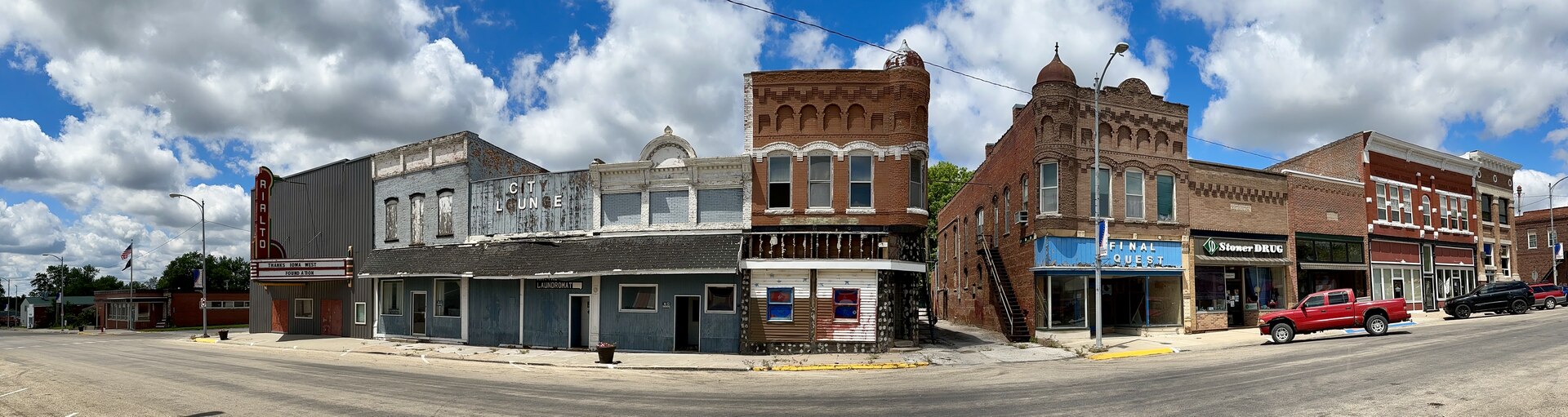
Photo: Wikimedia Commons, CC BY-SA 4.0
---
This article uses a mix of real documentary and location photographs and AI-generated images made to convey the mood of the story.



Comments
No comments yet — leave the first one.