"To the dumb cops of the nation. Are you enjoying your work?"
That is roughly how the letters read. They arrived at newspaper offices and police stations in cheap envelopes, typed on a plain typewriter, written in a loose, jeering Osaka dialect. They taunted the investigators by name. They corrected the detectives' assumptions. They dared them, again and again, to catch a gang that called itself something out of an old detective novel: The Monster with 21 Faces. For nearly a year and a half, the whole of Japan read those letters over morning coffee — half laughing at the nerve of it, half terrified of what the same hands were slipping onto the candy shelves at the corner store.
Sorting this case for the archive took me longer than almost anything else I have filed, because it does not want to be ordered. Most criminal records are made of what investigators wrote; here, half the surviving documentary voice belongs to the offenders themselves. I ended up building two parallel timelines — one from the police record, one from the letters — and the unsettling part is how often the letters are the more accurate of the two. Whoever typed them knew what the detectives had done before the public did.
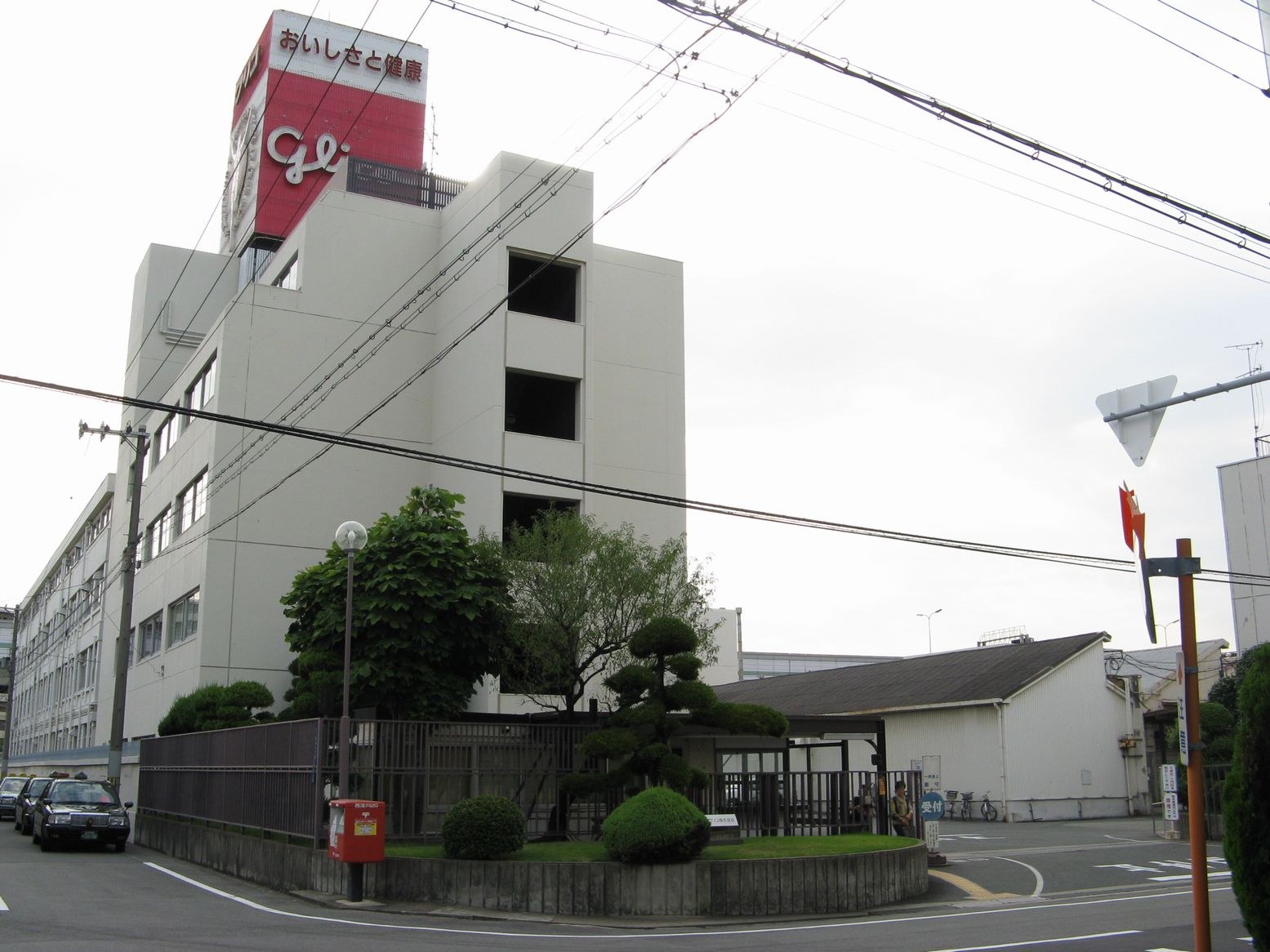
Photo: Wikimedia Commons, CC BY 3.0

A President Taken from His Bath
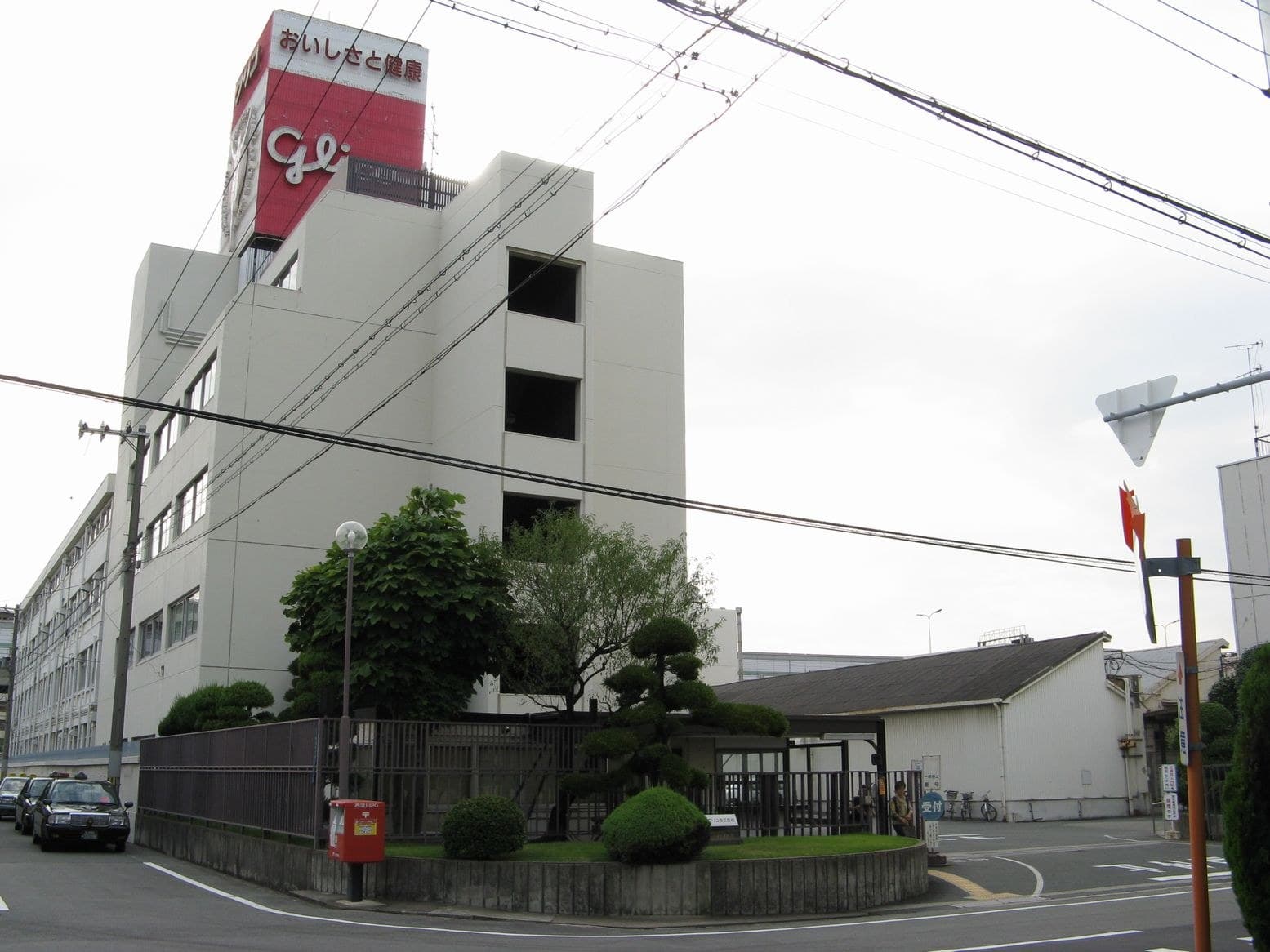
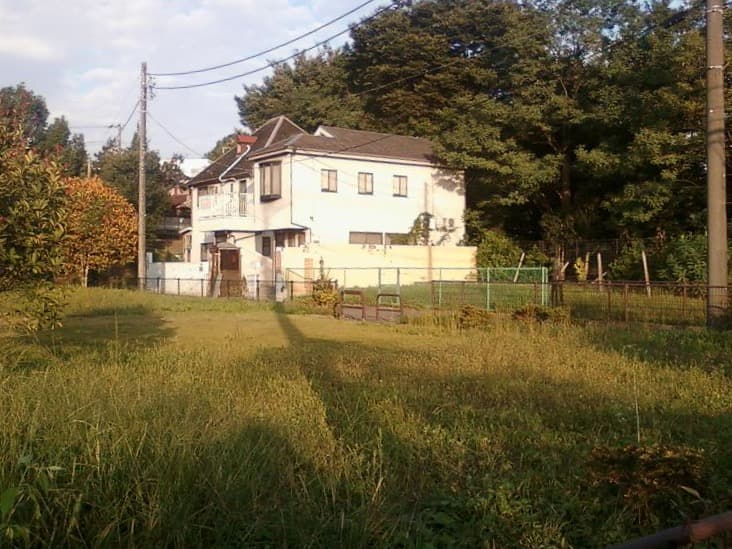
It began without any theater at all. On the evening of March 18, 1984, two armed men reportedly broke into the home of Katsuhisa Ezaki, the president of Ezaki Glico — the confectionery giant whose caramels and snacks nearly every Japanese child had grown up on. According to accounts of the case, they seized him at his family home near Osaka, pulling him away still dripping from his bath, and vanished.
They demanded a ransom said to be around one billion yen in cash and a large quantity of gold bullion. It was one of the most audacious corporate kidnappings the country had ever seen. And then, a few days later, the story took its first strange turn.
Ezaki escaped. Reports say he freed himself from a warehouse where he was being held and made his way back on his own. The president was safe. In an ordinary crime, that would have been the ending — a botched kidnapping, a lucky escape, a manhunt for the men who ran. Instead, it was only the overture.
The Fires, and the First Letters
The gang did not disappear the way ordinary kidnappers do. Instead, they seemed to grow angrier that their prize had slipped away — and they turned that anger into a campaign against the entire Glico company.
In the weeks that followed, according to case histories, cars in a Glico parking lot were set alight, and a threatening container of what appeared to be an acid was left near the company's premises. The message was clear enough: this was no longer about a single ransom. It was a siege.
Then the letters began, and everything changed. They were signed with a name the gang had lifted, reports say, from the works of the celebrated Japanese mystery writer Edogawa Ranpo — "The Fiend with Twenty Faces," a master of disguise from classic detective fiction, tweaked to twenty-one. The choice was deliberate and theatrical. The gang was not merely committing crimes; it was casting itself as a character.
The letters were sent to newspapers and broadcasters as much as to the police. They wanted an audience.

The Poison on the Shelf
For a company, a fire and a threatening letter are one kind of nightmare. What the Monster did next was a different order of fear altogether — because it reached past the company and into every ordinary household in the country.
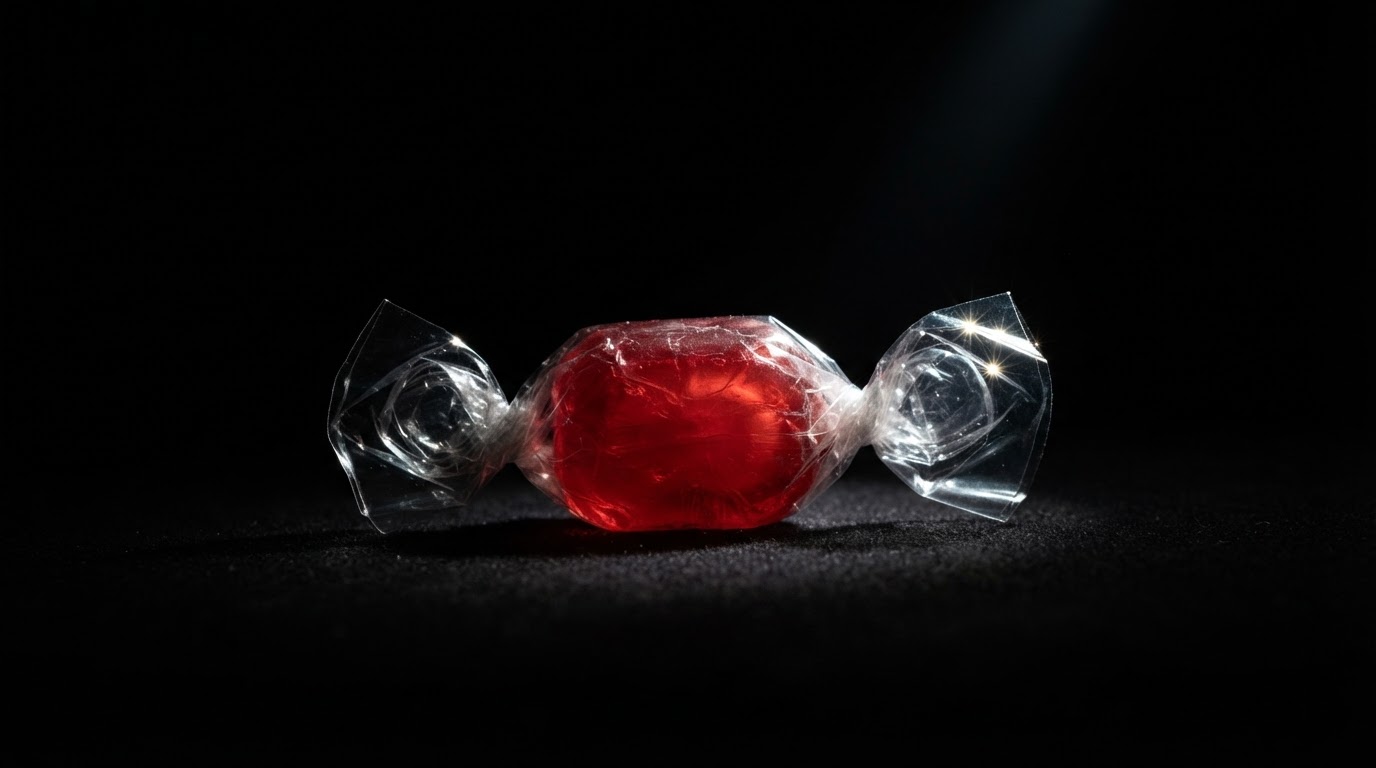
The gang announced that it had laced Glico sweets with sodium cyanide and placed them on store shelves for children to buy. To prove the threat was real, they described where the poisoned candy could be found. Some packages were reportedly discovered carrying crude typed labels warning, in effect, that they contained poison — "Danger: contains toxins," in paraphrase — as if the criminals were taunting shoppers and shielding themselves at the same time.
The result was a wave of dread that swept the retail trade. Glico products were pulled from shelves across the nation. Company sales collapsed, and many workers were reportedly affected as production faltered. Parents who had never given a thought to a caramel now turned every wrapper over in their hands. The corner sweet shop, that most innocent of places, had become something to be feared.
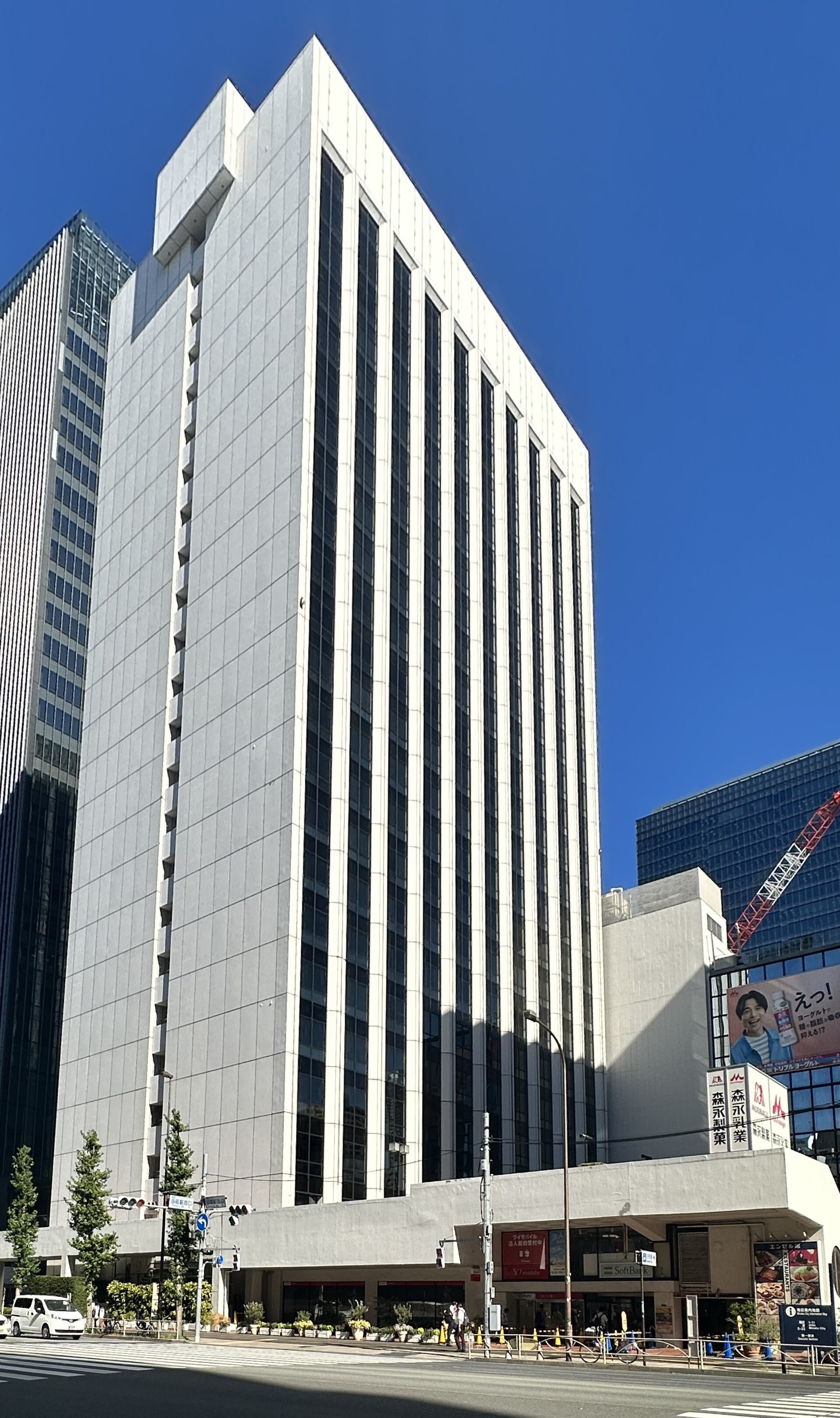
Photo: Wikimedia Commons, CC BY-SA 4.0
Letters That Made a Nation Laugh and Flinch
What lifted this case out of the ordinary — what turned it into a national obsession — was the voice in the letters.
The Monster wrote like a stage villain enjoying every line. In paraphrase, the notes teased the police for being slow, thanked the press for the free publicity, and at one point reportedly advised investigators to eat more and think harder. They joked. They played to the gallery. When one letter announced that the gang had decided, out of the goodness of its heart, to stop poisoning Glico's candy, it read less like a reprieve than like a performer pausing for applause.
There was a genuine dark comedy to it, and the public felt the pull of it even as they were frightened. The letters were quoted on the news, dissected in the papers, turned over at dinner tables. The gang understood the media better than the media understood the gang.
But the humor was a mask worn over something cold. Behind the jokes was a group willing to put cyanide within a child's reach to make a point. That contradiction — the clown grinning over the poison — is exactly what made the Monster with 21 Faces so hard to look away from, and so hard to forgive.

The Target Widens: Morinaga and Beyond
Having declared a truce with Glico, the gang did not go quiet. It turned instead on other confectionery companies — most notably Morinaga, giving the whole affair the name history would remember it by: the Glico-Morinaga case.
The pattern repeated. Threats arrived; poisoned or allegedly poisoned candy turned up; demands for money followed. Reportedly, packages of Morinaga sweets were found bearing typed warnings that they held poison, once again planted where ordinary shoppers might reach them. The gang had discovered that fear itself was the weapon. It did not need to poison very many products; it only needed the country to believe that any product might be poisoned.
Company after company received extortion demands. An entire industry was held hostage by a group whose faces no one had seen.
The Stakeouts That Failed
The police were not idle. When the gang demanded that ransom money be delivered, investigators saw their chance: agree to the drop, follow the instructions, and be waiting when someone came to collect.
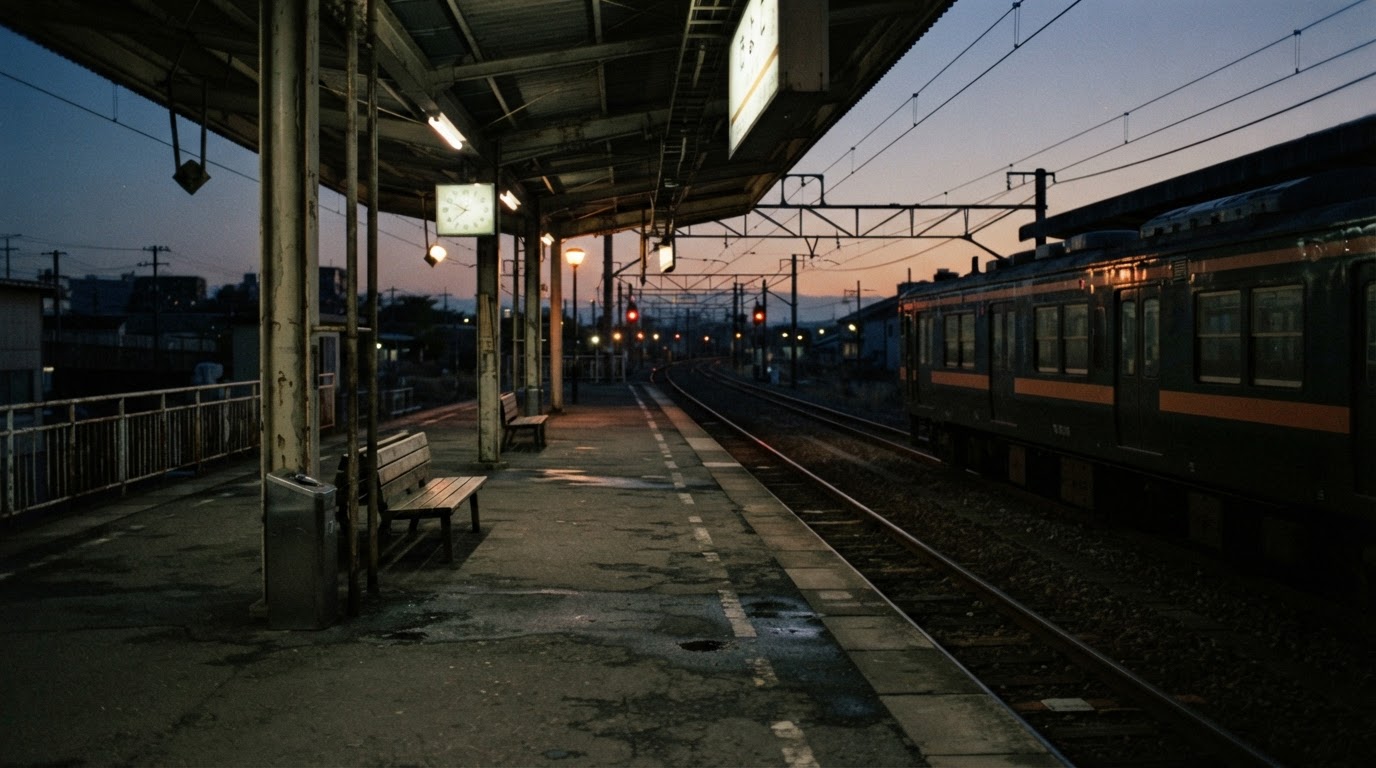
It never worked. The instructions in the letters would send officers on winding routes, from one location to the next, and at the crucial moment the trail would go cold. In one of the most notorious sequences, reported drops were arranged along highways and rail lines, with money to be left near a moving train, and still the collector slipped through. Enormous numbers of officers were deployed. The gang seemed always to be one move ahead, as though they could see the board the police were playing on.
The failures were humiliating precisely because they were public. The letters would afterward describe, mockingly, how the police had bungled the very operation meant to catch them.
The Fox-Eyed Man
Out of all those failed operations came the single most haunting image of the case: a man with narrow, distinctive eyes.
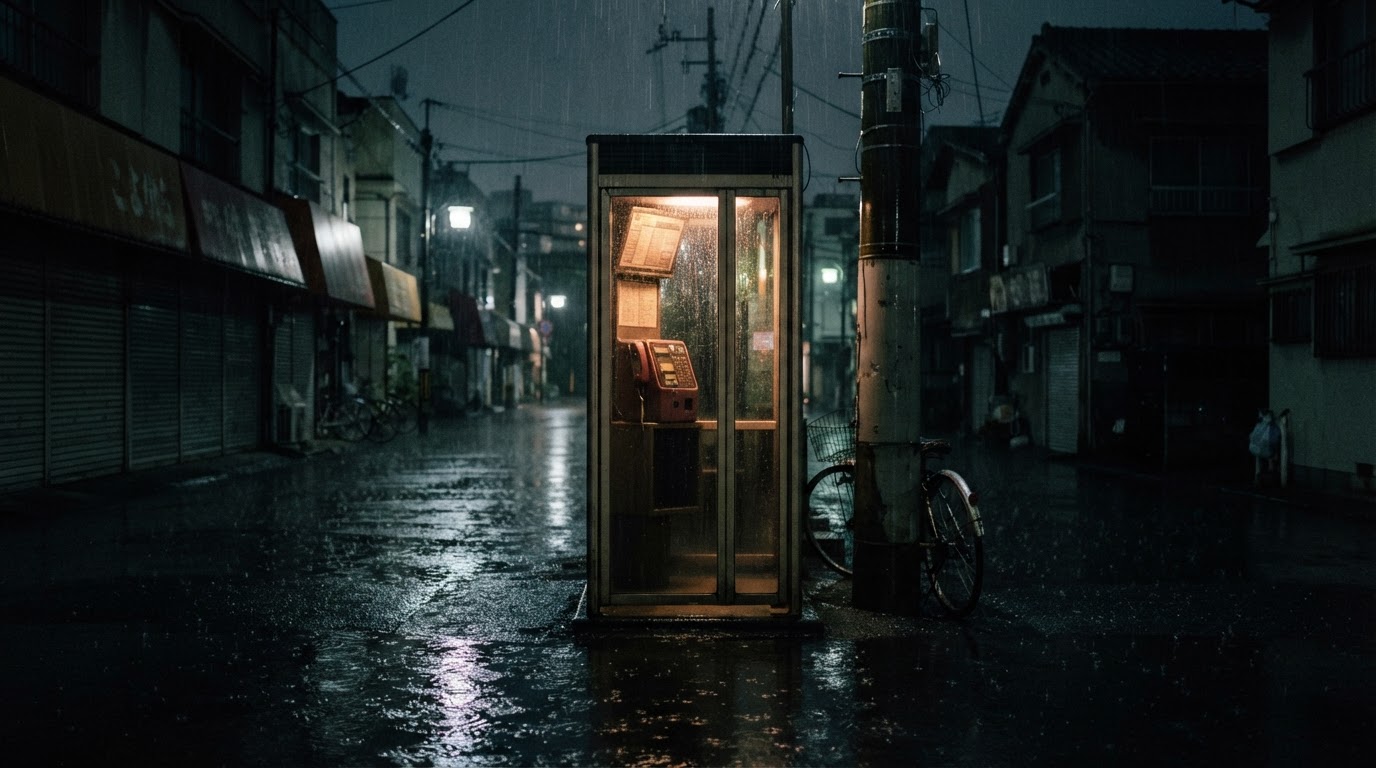
During one of the ransom operations, witnesses reportedly noticed a suspicious man loitering near a drop site, watching. From those accounts the police built a composite sketch of a figure who became known as "the Fox-Eyed Man" — a middle-aged man with sharp, slanted eyes that observers found unforgettable. His face was printed everywhere. For a time he was the closest thing Japan had to a suspect, the one glimpse of a human being behind the typewriter and the taunts.
And yet he was never identified. The sketch stared out from newspapers and posters for years, a face without a name, and in the end it led nowhere. He remains one of the great open questions of the case — perhaps a member of the gang, perhaps a lookout, perhaps a passerby who had the misfortune of narrow eyes and bad timing. Reports differ, and certainty was never reached.
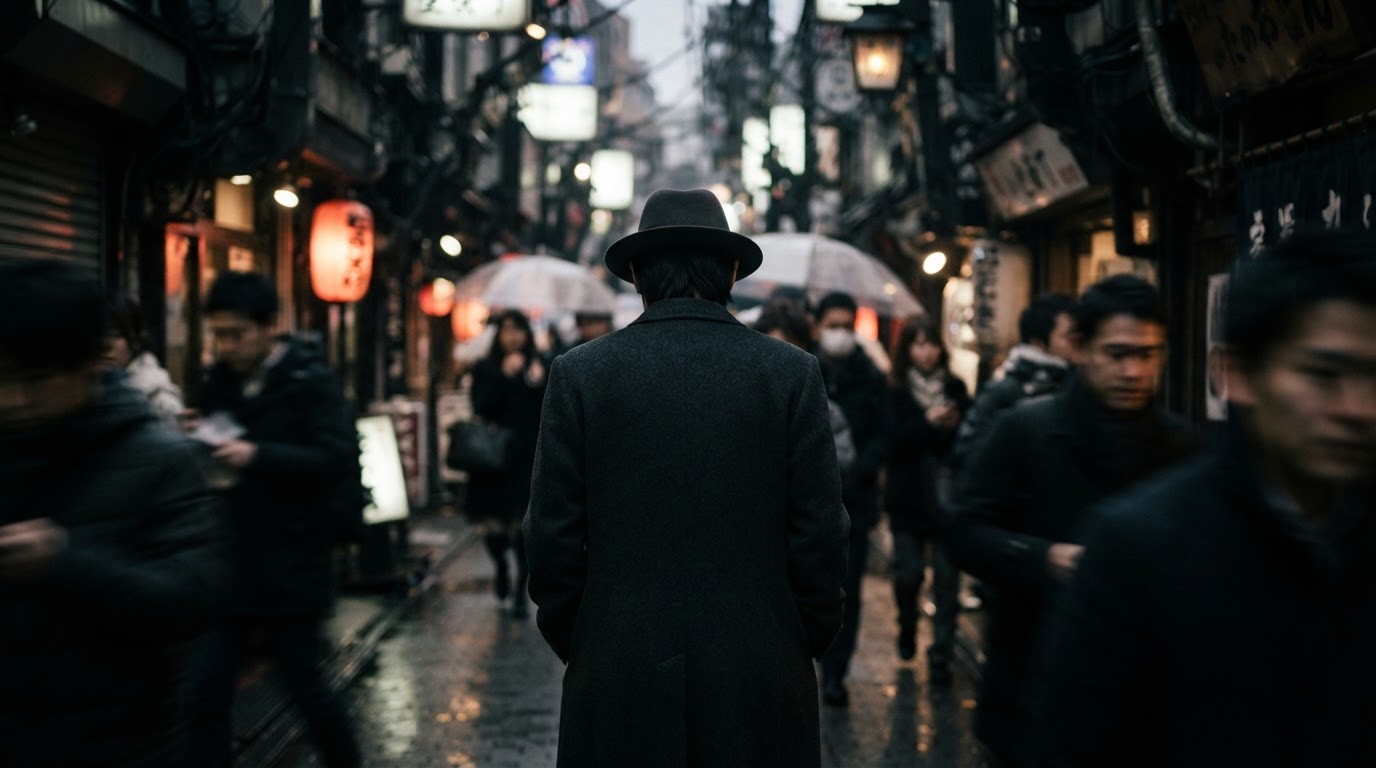
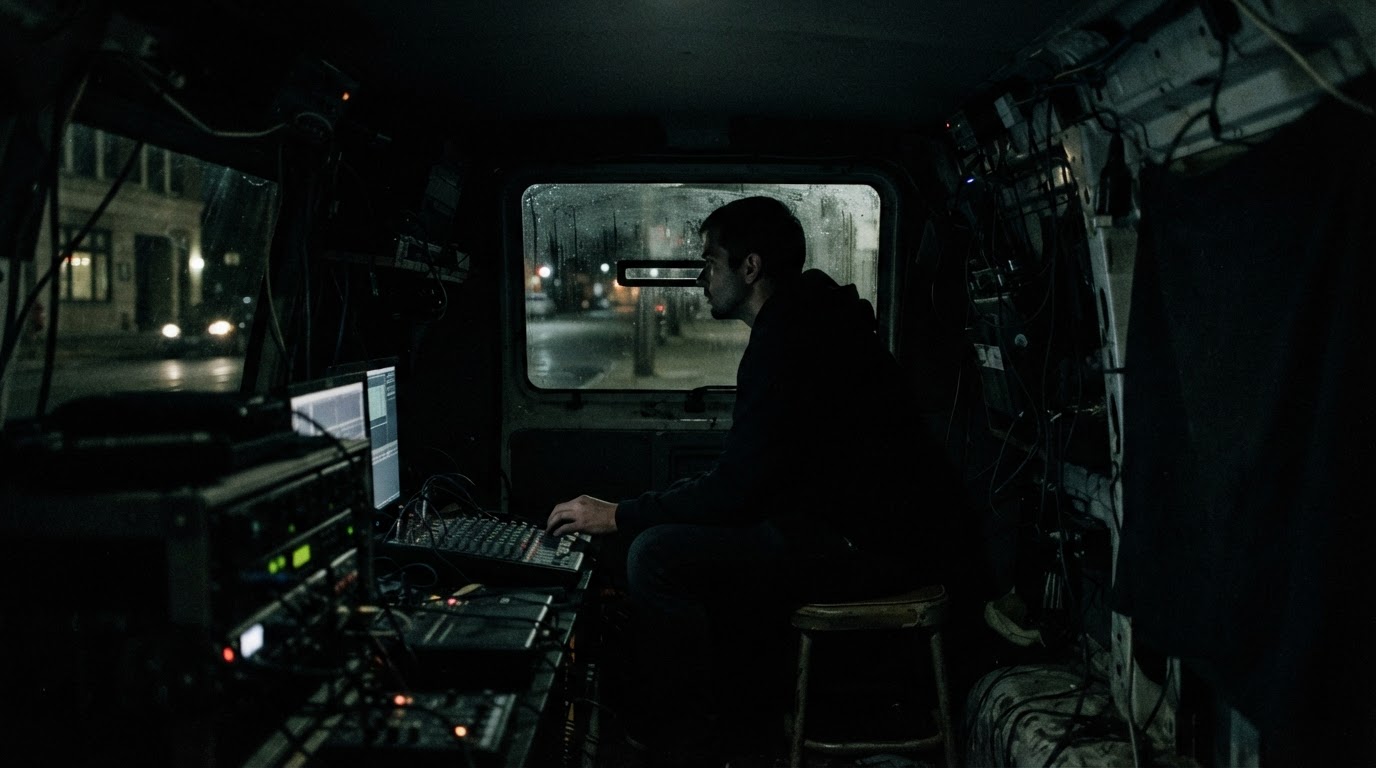
A Death That the Case Must Be Told With Care
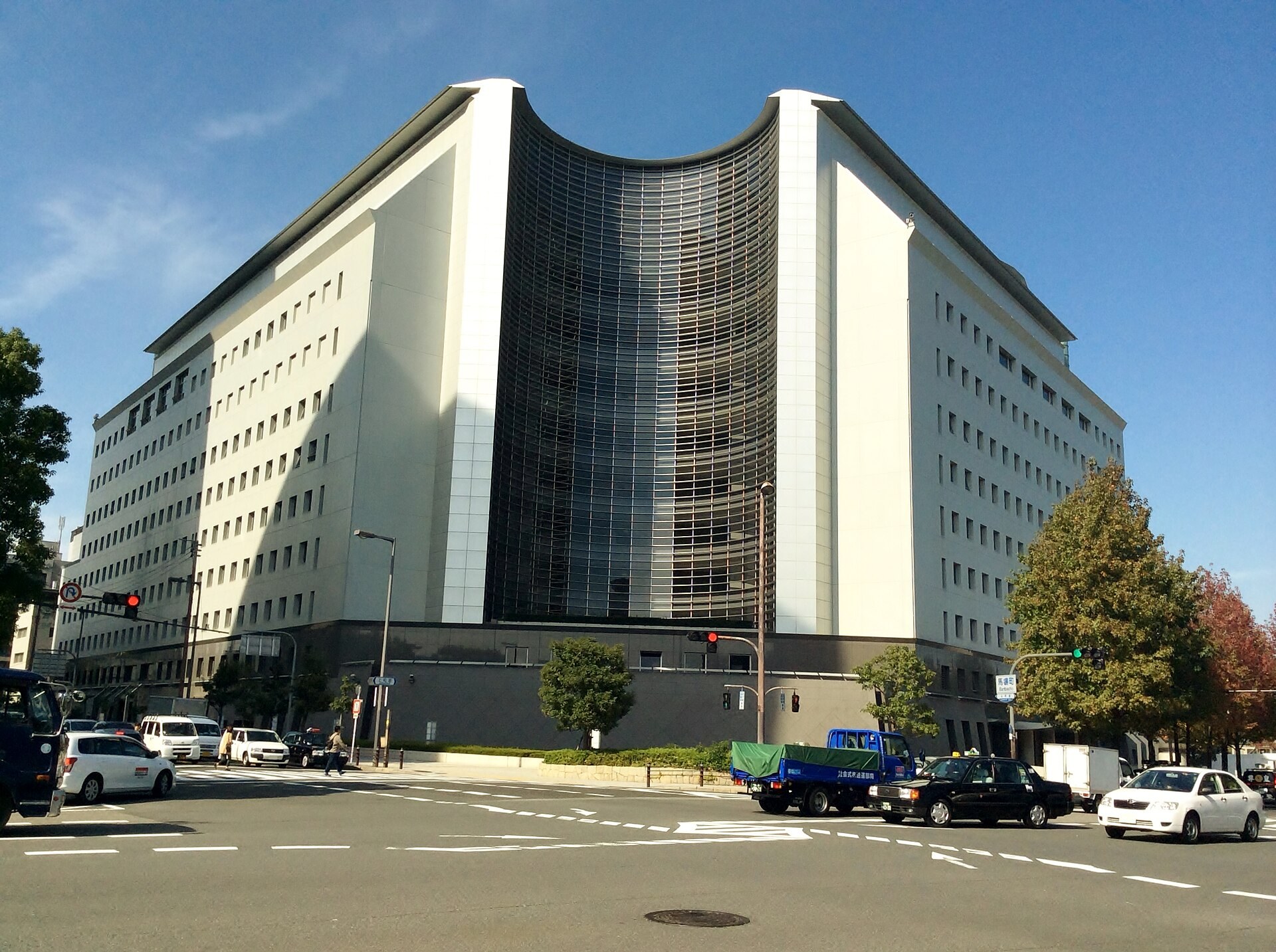
As the investigation dragged on without result, the weight of it fell hardest on the officers who carried it. Among them was the head of a prefectural police force involved in the case, in Shiga, whose command had been unable to bring the gang to justice.
In 1985, that police chief died by taking his own life. It is a fact that belongs in any honest account of the case, but it deserves to be told plainly and briefly, without spectacle. He was a man crushed by an investigation that would not yield, in a country watching every failure. His death is remembered as one of the human costs of a crime that treated the whole affair as a game — a reminder that behind the theater were real people, real pressure, and real loss.
Shortly after, the gang sent one of its final letters. In it, referring to the chief's death, they reportedly wrote in a mocking tone that was received across Japan as almost unbearable. Then they announced they were done.
"We Forgive Glico" — and Silence
The last letter, sent in the summer of 1985, read like a curtain call. In paraphrase, the Monster with 21 Faces announced that it was ending its campaign — that it forgave the candy companies, that it had had its fun, and that it was retiring from the business of tormenting the food industry. The tone was light, unrepentant, and final.
And then, nothing.
There were no more letters. No more poisoned candy. No more winding ransom routes or fox-eyed men at the edges of photographs. The gang that had held an entire nation's attention for a year and a half simply stopped, as cleanly as switching off a lamp. Whoever they were, they walked away — and they were never heard from again.
The investigation continued for years, but the trail had gone truly cold. Under the Japanese law of the time, the statute of limitations on the various crimes ran out one by one, and by the year 2000 the last of them had expired. From that point on, even if the culprits were identified, they could no longer be charged. The case was, in the eyes of the law, finished. Unsolved, but finished.
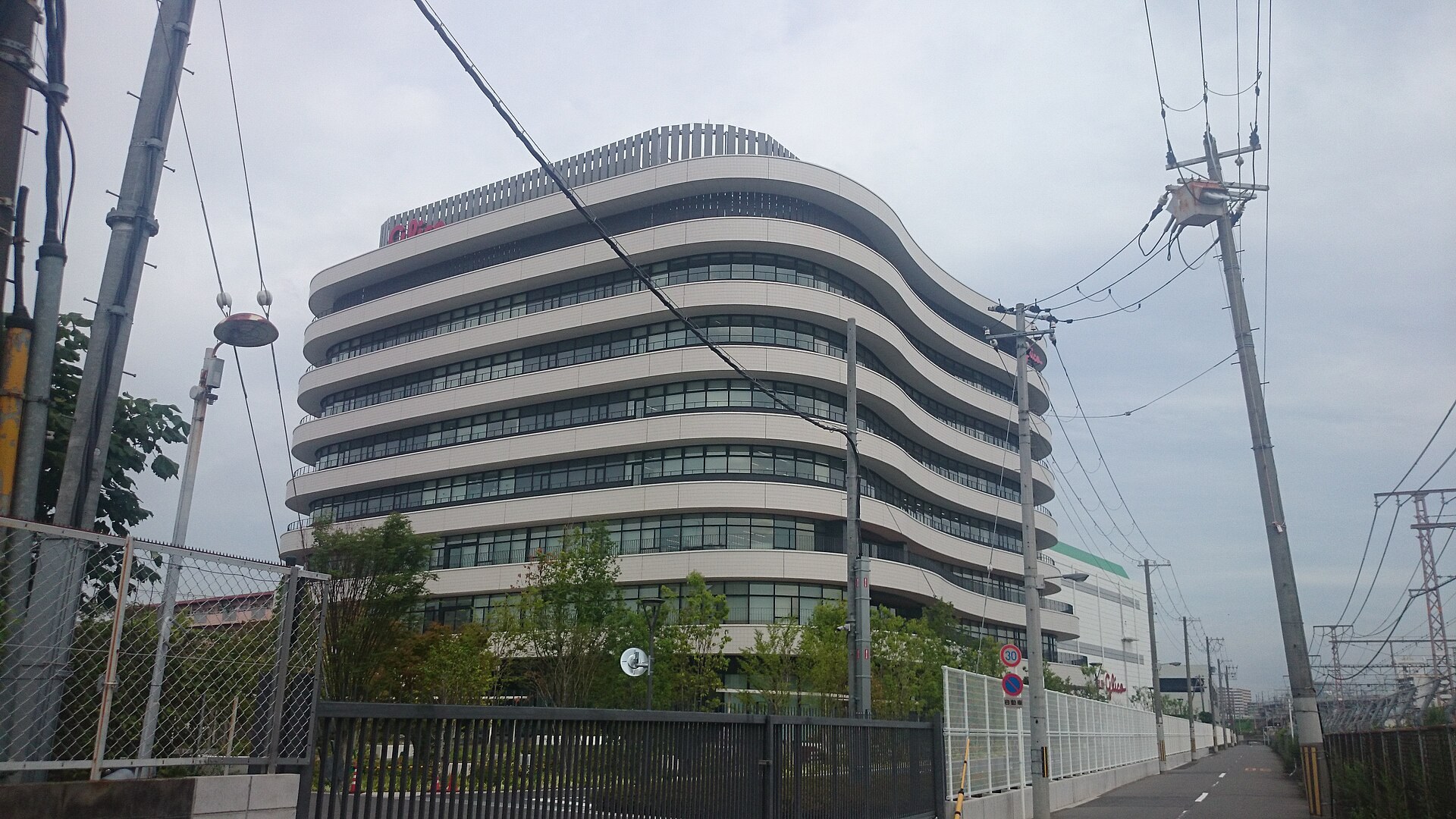
Photo: Wikimedia Commons, CC BY-SA 4.0
The Crime That Became Theater
What are we left with, more than forty years on?
A president pulled from his bath, and an escape that turned a kidnapping into a crusade. Fires and acid. Cyanide left within reach of children, and a whole country turning its sweets over in nervous hands. Letters that mocked the police in the voice of a pulp-fiction villain, corrected their errors, and played the media like an instrument. Stakeouts that collapsed one after another. A man with narrow eyes who was never named. A police officer's death, carried lightly by the criminals and heavily by everyone else. And then a graceful, grotesque bow, and silence — followed by the slow, bureaucratic expiration of any hope of justice.
The Monster with 21 Faces was never caught, never identified, never fully explained. Over the years, investigators and writers have floated theories, always cautiously: that the gang were seasoned extortion professionals who understood corporate fear and stock prices; that they had connections to the fringes of organized crime; that a disgruntled insider with knowledge of the companies and their weak points was involved. None of these has ever been proven. Each remains a shadow, offered and withdrawn.
Perhaps that is the true and terrible achievement of the case. The Monster understood something most criminals never grasp: that a crime can be a performance, that fear is amplified by an audience, and that a villain who narrates his own story becomes larger than any single act he commits. They wrote themselves into the country's memory not as men but as a character — a name in jeering Osaka slang, a fox's eyes, a typewriter clacking in a lamp-lit room. And then, having built the myth, they stepped off the stage and let the silence do the rest.
The lights went down. The audience is still waiting for the villain to return. He never has.
The item I return to is not the cyanide or the fox-eyed sketch. It is the fact that the last letter, in the summer of 1985, was a retirement notice — and that it held. People who enjoy an audience that much do not usually stop cleanly, and in my experience of these files they almost never stop at all. This one did, and then a decade and a half of statutes quietly ran out around the silence. If they were young men in 1985, some of them are alive now. They have simply chosen, every single day since, not to write.

---
This article uses both actual photographs of places connected to the case and AI-generated images produced to convey the mood of the story.

Comments
No comments yet — leave the first one.