He killed a family of four, and then he did not leave.
That single fact is what has haunted Japan for a quarter of a century. On the last night of the year 2000, an intruder entered a small two-story house on the edge of a Tokyo park. Within roughly half an hour, four people were dead. And then, for somewhere between two and ten hours, the killer stayed inside. He treated his own injuries. He ate from the refrigerator. He sat at the family's computer. When morning came, he was gone — leaving behind almost everything a detective could ask for, and nothing that has ever led to an arrest.
I have kept a file on this one longer than on anything else in the archive, and it is the only file that grows without ever getting closer to a name. The entry I return to is the timestamp: 1:18 a.m., the household computer connecting to the internet for a few minutes. Everything else in the record is physical — blood, fibers, a shoe size. That line is the one piece of evidence with a clock attached, and it tells you only that at eighteen minutes past one, with four people dead in the rooms around him, he was not in any hurry.
The Family Next to the Park
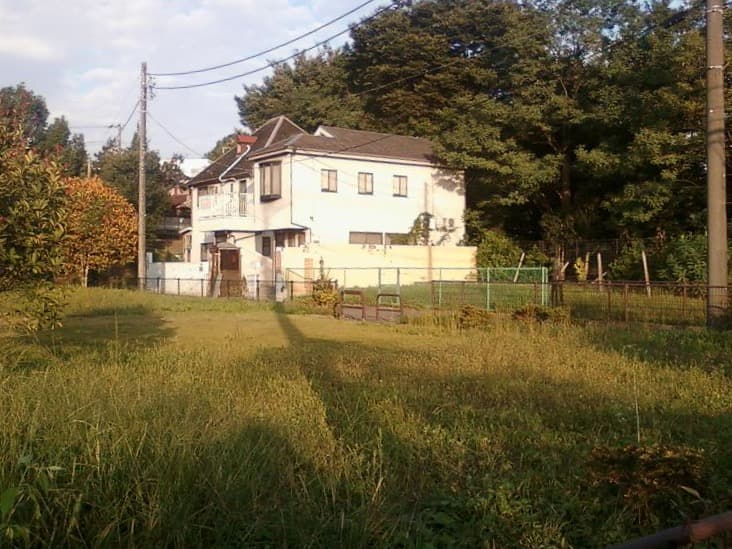
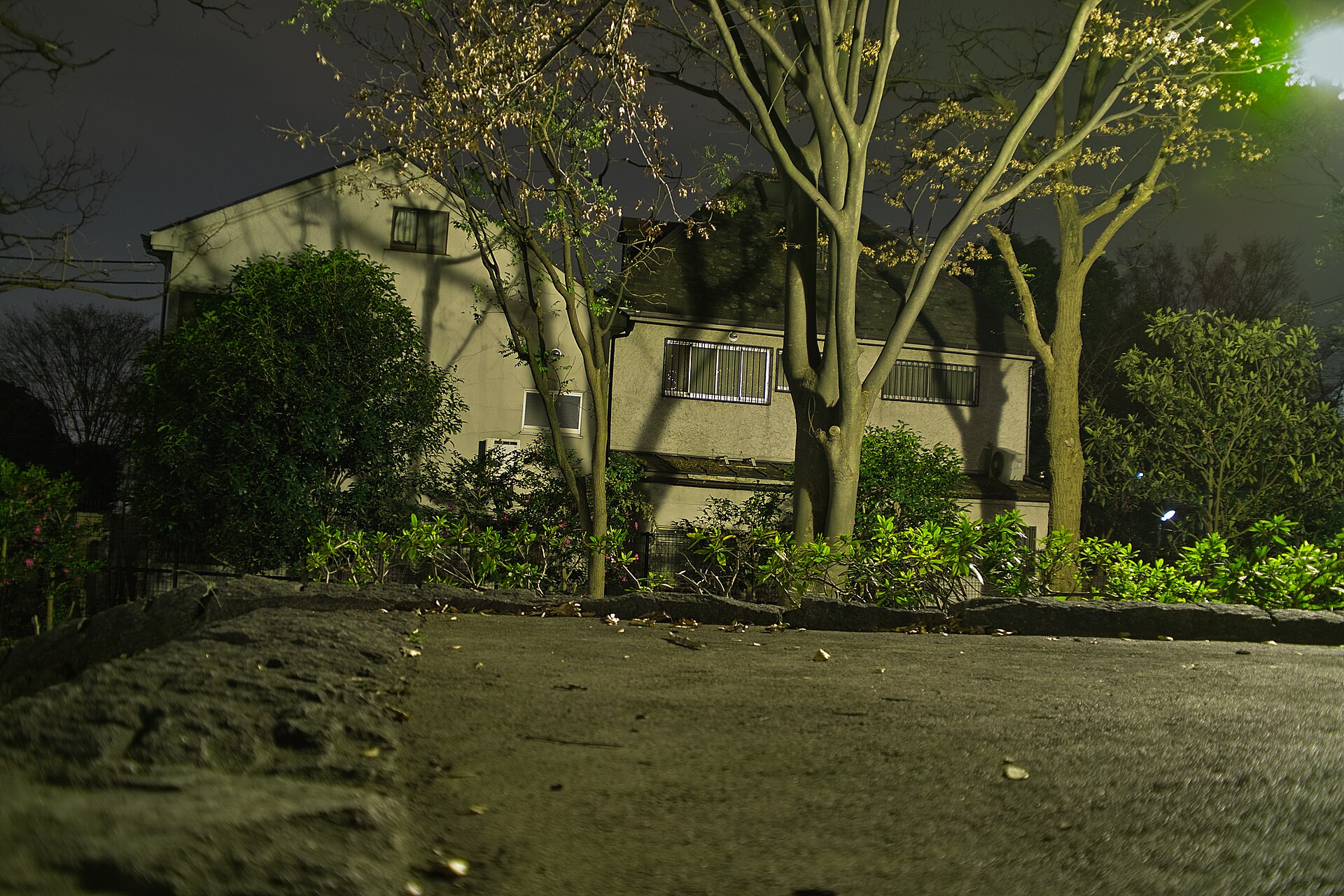
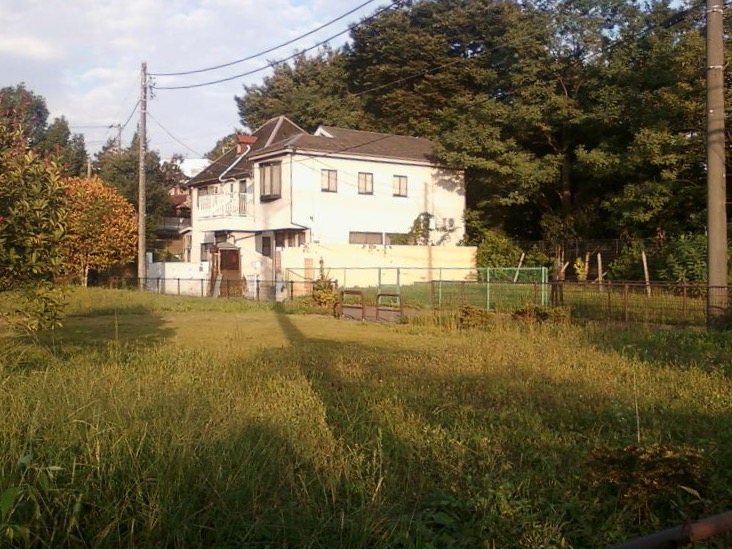
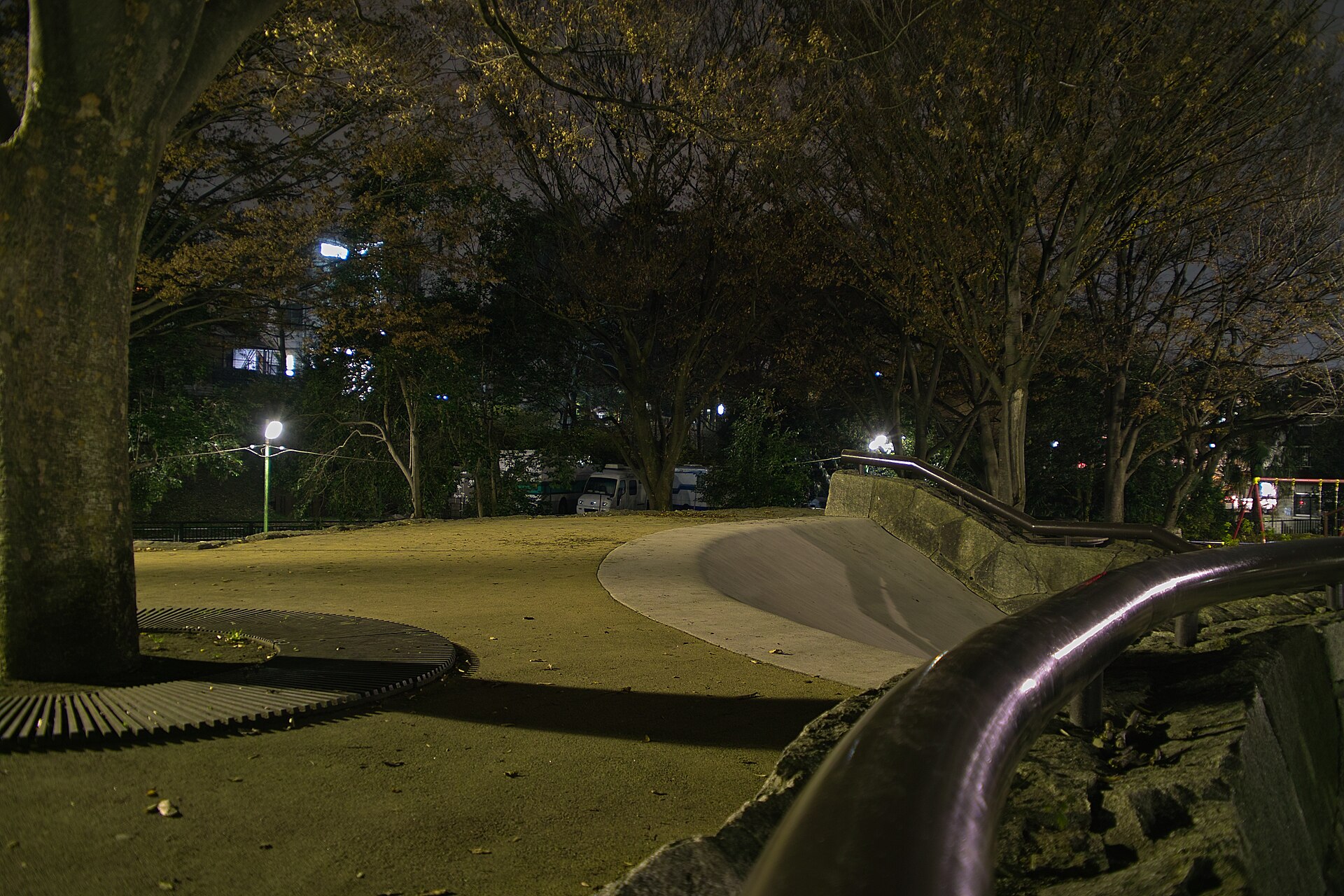
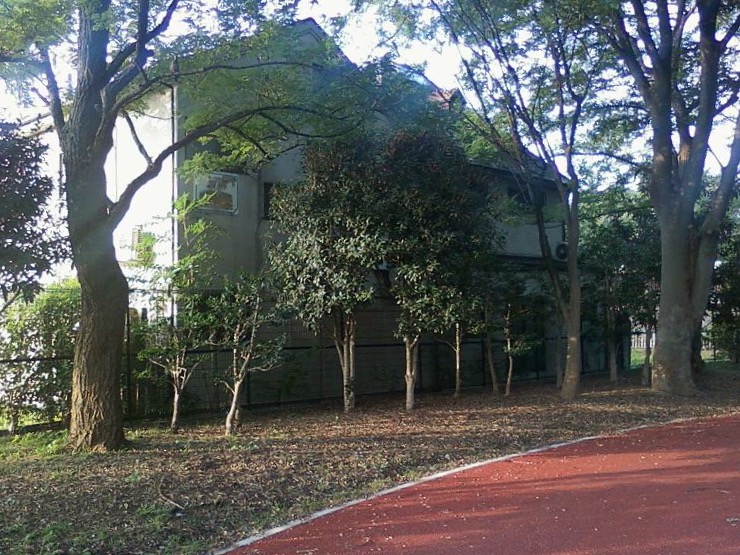
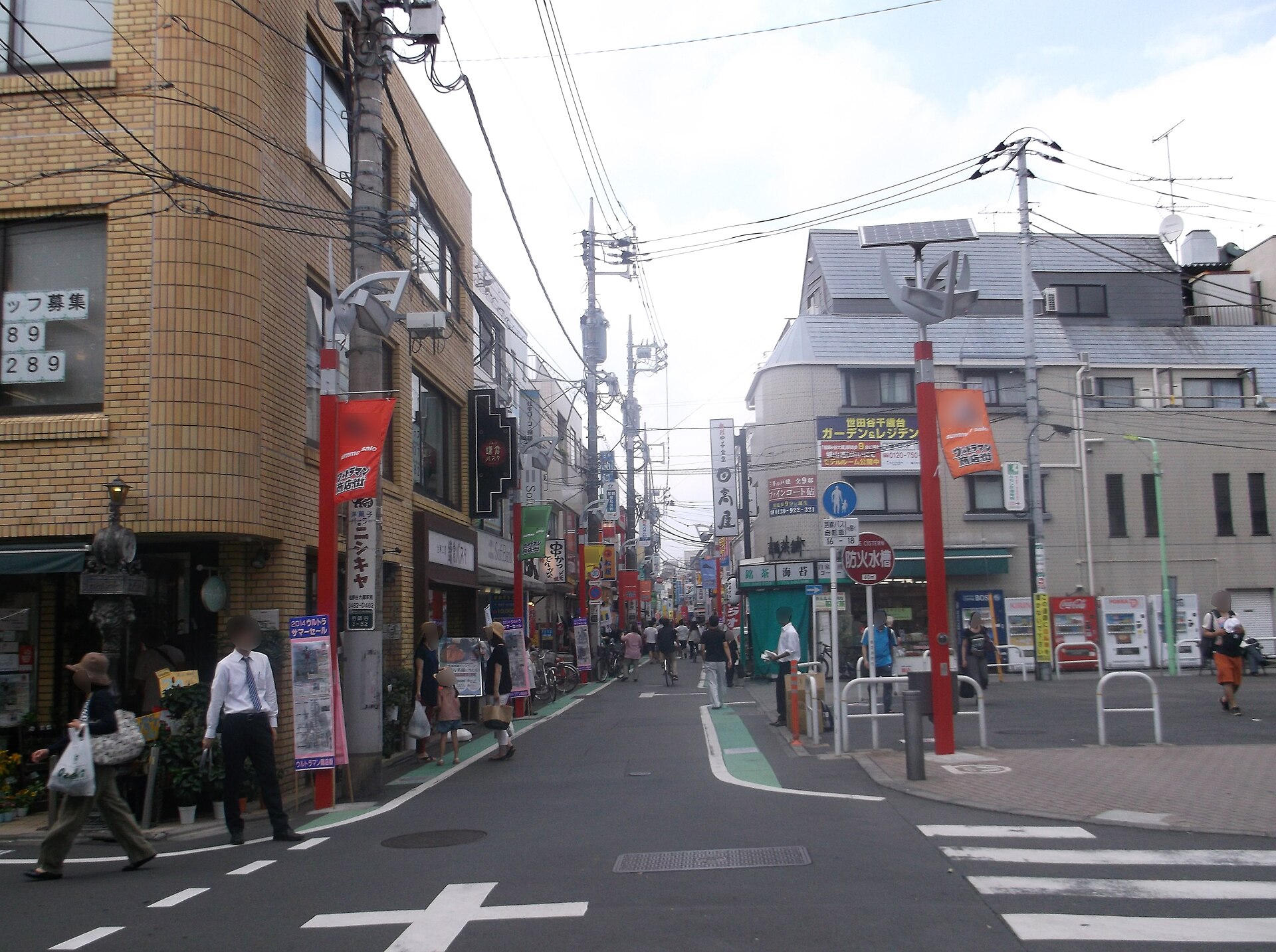
The Miyazawa family lived in Kamisoshigaya, a quiet residential pocket of Setagaya ward in western Tokyo. Their house sat right on the edge of Soshigaya Park, a strip of greenery that had, by late 2000, become the center of a small dispute: the city planned to expand the park, and the few remaining houses along its border were slowly being cleared. The Miyazawas' home was one of the last still standing.
The family was four. Mikio Miyazawa, 44, worked at a consulting firm. His wife, Yasuko, 41, tutored local children. Their daughter, Niina, was 8. Their son, Rei, was 6. By every account they were ordinary and well liked — a family whose evenings ran on homework, dinner, and an early bedtime for the children.
Next door lived Yasuko's mother and her sister's family, in a connected pair of houses. That closeness matters to this story. It is the reason the discovery came as fast as it did — and the reason a member of that family would spend the next twenty-five years refusing to let the case be forgotten.
The Last Night of the Year
Reports place the killing on the night of December 30, into the early hours of December 31, 2000. Investigators believe the intruder entered through a small unlocked window in a second-floor bathroom at the back of the house — the side facing the dark park. To reach it, police believe he climbed the fence and pulled himself up using an outdoor air-conditioning unit as a step.
He came down the stairs into a sleeping household. Mikio was on the ground floor. Yasuko and the two children were upstairs in the loft where the family slept. What happened next took only minutes, and the details are grim enough that they need not be dwelt on here. By a little after midnight, all four members of the Miyazawa family were dead.
But the intruder had not escaped clean. At some point during the attack he cut his own hand — badly enough that he bled, and that his blood mixed with the scene. That single wound would become, in a strange way, the most important thing in the entire case. It is the reason his DNA exists in the record at all.
He Stayed
Here the case turns from tragedy into something stranger.
Most killers run. This one did not. For hours after the family was dead, he remained inside the house. Investigators reconstructed his movements from the traces he left, and the picture is deeply unsettling in its calm.
He went to the bathroom and treated his injured hand, leaving bloodied bandages behind. He opened the refrigerator and helped himself — reports describe melon and several small cartons of ice cream taken out and eaten. He drank. He used the toilet, and left behind waste that forensic analysis could examine. And at 1:18 in the morning, according to the records, the family's computer connected to the internet, staying online for a few minutes before going quiet again.
Try to picture it. Four people lie dead in a small house. And their killer is sitting at their kitchen, at their computer, eating their ice cream in the dark. He was in no hurry. He behaved, for those hours, almost as though the house were his own.
No one has ever satisfactorily explained why.

Morning
It was Yasuko's mother, living in the connected house next door, who found them. When she could not reach the family on the morning of December 31, she went across and into the house. What she found there she reported at once. Police arrived to a scene that would occupy them, in one form or another, for the rest of their careers.
And as they began to catalog it, the investigators realized something that should have made this the easiest case in Japan to solve.
The killer had left almost everything behind.
The Evidence That Should Have Been Enough
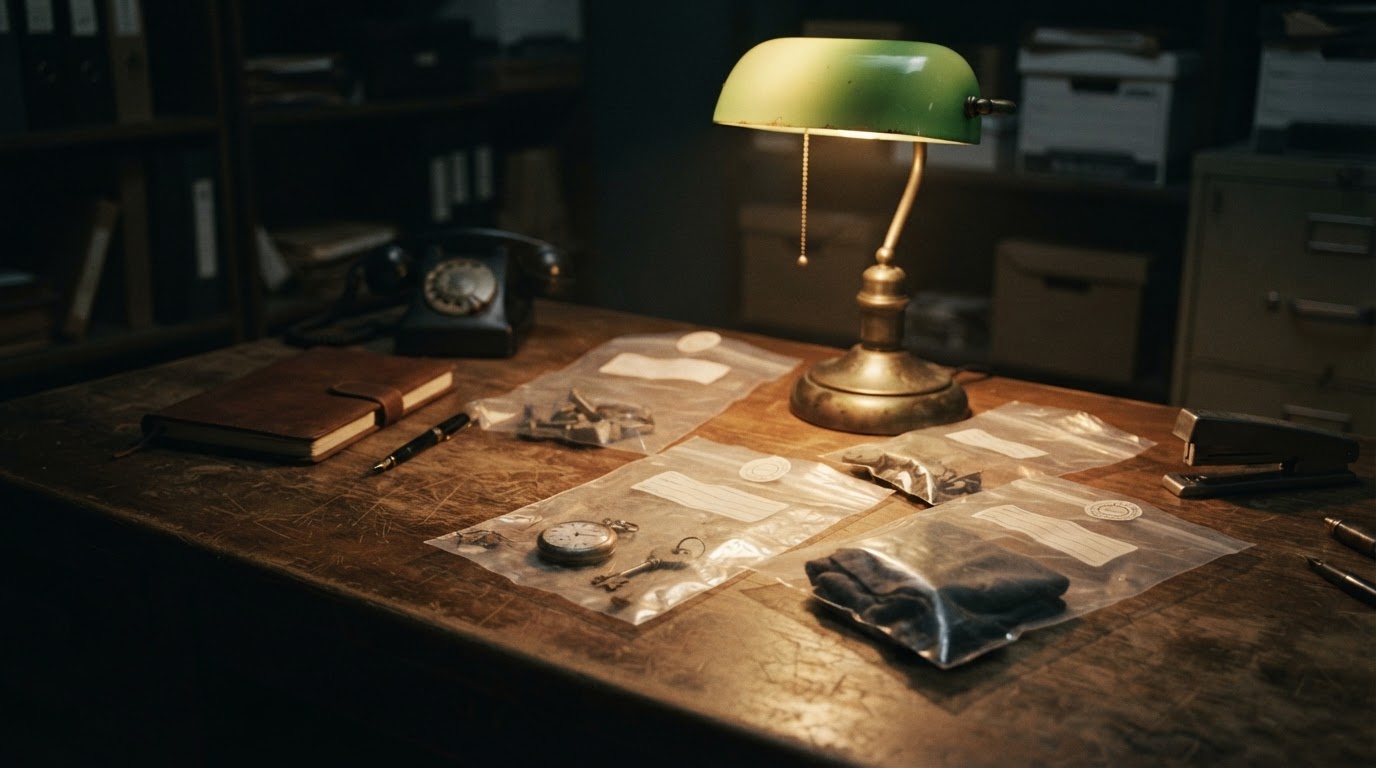
Investigators recovered an astonishing amount of physical evidence — far more than in almost any comparable case. He had left behind a knife, a scarf, a shirt, a jacket, a hat, gloves, two handkerchiefs, and a black hip bag. He had left his shoes. He had left his fingerprints throughout the house. He had left his blood, and from it, his complete DNA profile.
For most crimes, any one of these would crack the case open. Here, police had all of them at once. And still, every thread they pulled led into a wall.
The fingerprints matched no one in any Japanese database. The DNA matched no one on record. The man, whoever he was, had never been arrested, never been printed, never entered the system. He was, forensically, a ghost — vividly documented and completely unknown.
The Hip Bag and the Sand
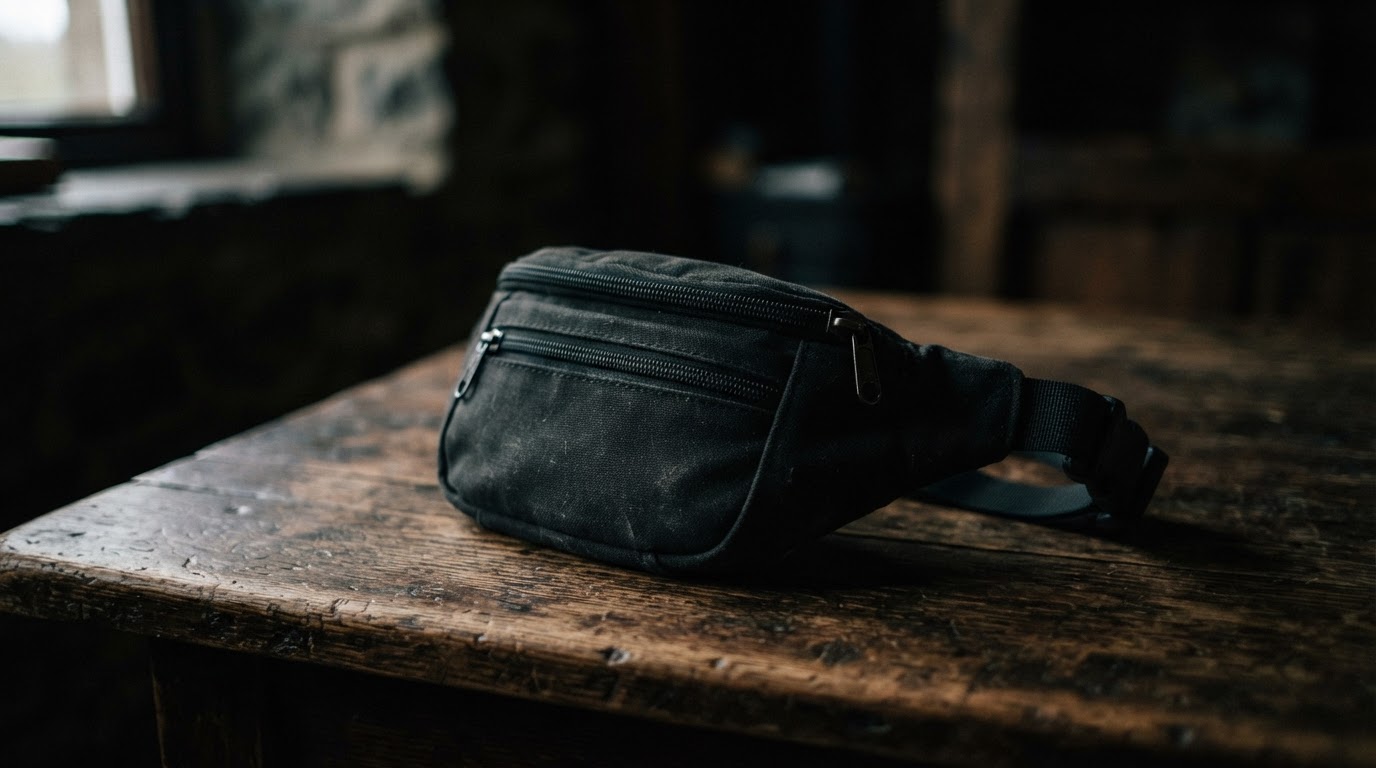
The black hip bag became one of the case's most famous puzzles. Inside and on it, forensic teams found traces of fine sand.
When they analyzed that sand, the results sent the investigation in an unexpected direction. Reports say the grains were mineralogically consistent with sand from the western United States — specifically the area of a desert in California and Nevada near a major air base. A second trace was matched to a Japanese source. How sand from a distant American desert came to rest in a hip bag in a Tokyo house has never been explained. Did the killer travel there? Did the bag? Did someone who handled it? Every answer opens more questions than it closes.
The Shoes
Then there were the shoes.
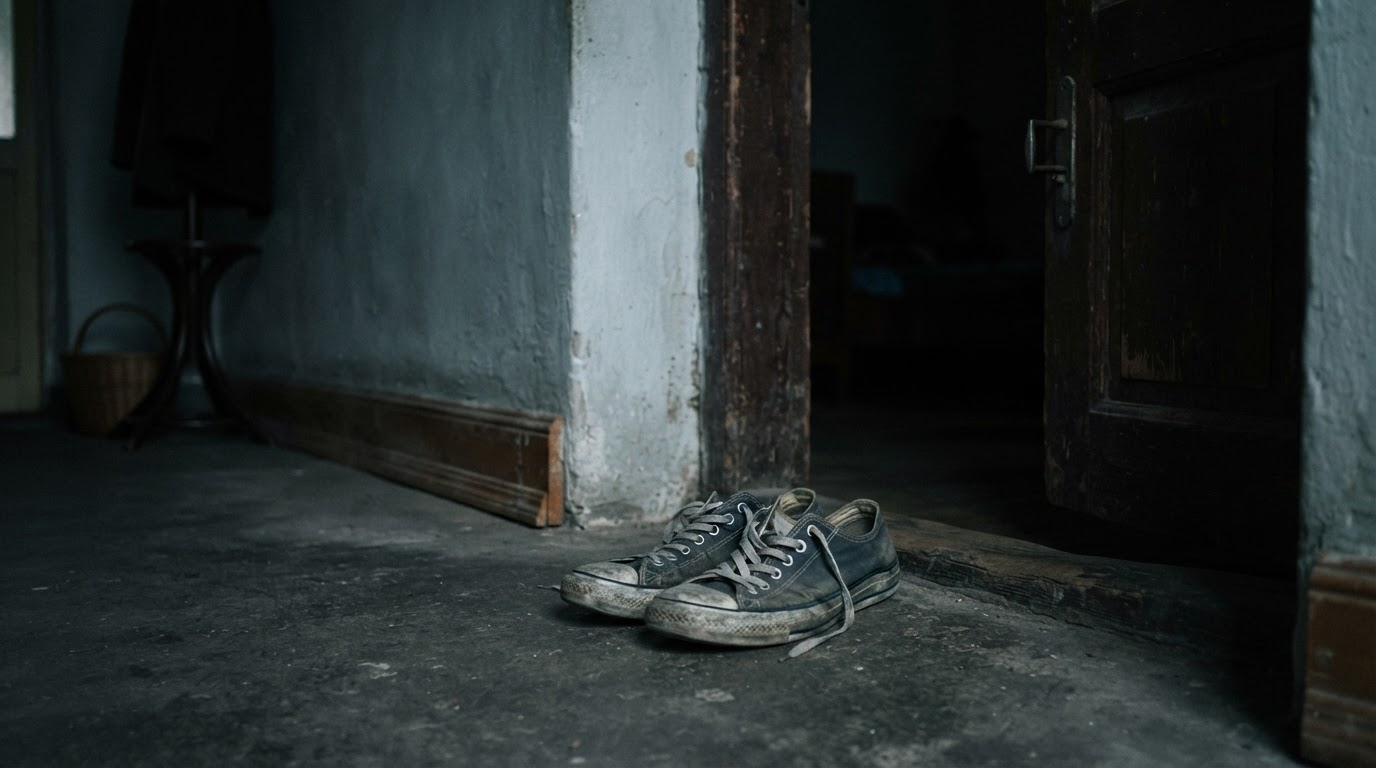
They were a model made by the sporting brand Slazenger, produced in 1998. The brand itself was common in Japan, which should have made them a dead end. But the specific size the killer wore — around 28 centimeters — was, according to investigators, a size manufactured and sold almost exclusively in South Korea. In Japan the brand sold, but not in that size.
That detail launched one of the case's most enduring lines of speculation: that the killer may have obtained his shoes in Korea, or had some connection there. Combined with other clues, it fed a broader theory that the man was not a typical local burglar at all, but someone whose trail crossed borders. Police have never confirmed any of it. The shoes remain what they have always been — a single, tantalizing size that fits a story no one has been able to complete.
The Man in the DNA
From the blood he left, forensic scientists built a portrait of the killer that only deepened the mystery.
The DNA indicated a man. Analysis suggested an unusual ancestry — reports describe markers pointing to European ancestry on the maternal line and East Asian ancestry on the paternal line, a mixed heritage that stood out in Japan. From the physical evidence at the scene, police estimated a slim build, a height around 170 centimeters, and that he was right-handed. He had eaten, forensic analysis suggested, foods including sesame and certain vegetables in the hours before or during his time in the house.
For years police believed, from the nature of the crime, that he might have been quite young — a teenager or man in his early twenties. In more recent reviews, that estimate was revised upward, with investigators now suggesting he was likely older, at least in his thirties at the time. In truth, the profile has always described a shape rather than a face. It tells us a great deal about the killer and nothing at all about who he was.
Every Thread, Followed
It is not for lack of effort that the case remains open.
Over the years, the investigation into the Setagaya murders grew into one of the largest in Japanese history. Cumulative figures run into the hundreds of thousands of investigator-deployments, and more than twelve thousand pieces of evidence were logged. The clothing was traced: the killer's shirt, reportedly produced in a run of only around a hundred and thirty units, was followed to a small number of identifiable purchasers. His clothes and the knife were traced to Kanagawa Prefecture. Detectives followed the sand, the shoes, the DNA, the fibers, the sequence of his hours in the house — every physical thread the man left behind.
And every thread, after leading somewhere, stopped. The evidence is abundant. The path it points down simply ends before it reaches a person.
Why This Case Grips Japan
There are cold cases everywhere. Few grip a nation the way this one grips Japan.
Part of it is the contradiction at its heart — the sheer volume of evidence against a killer who has never been found. A case with this much forensic detail is not supposed to stay unsolved. Its refusal to close feels almost like a taunt.
Part of it is the eeriness of what he did: not the crime alone, but the hours after, the ice cream in the dark, the calm. It suggests a mind most people cannot follow, and the not-knowing is its own kind of horror.
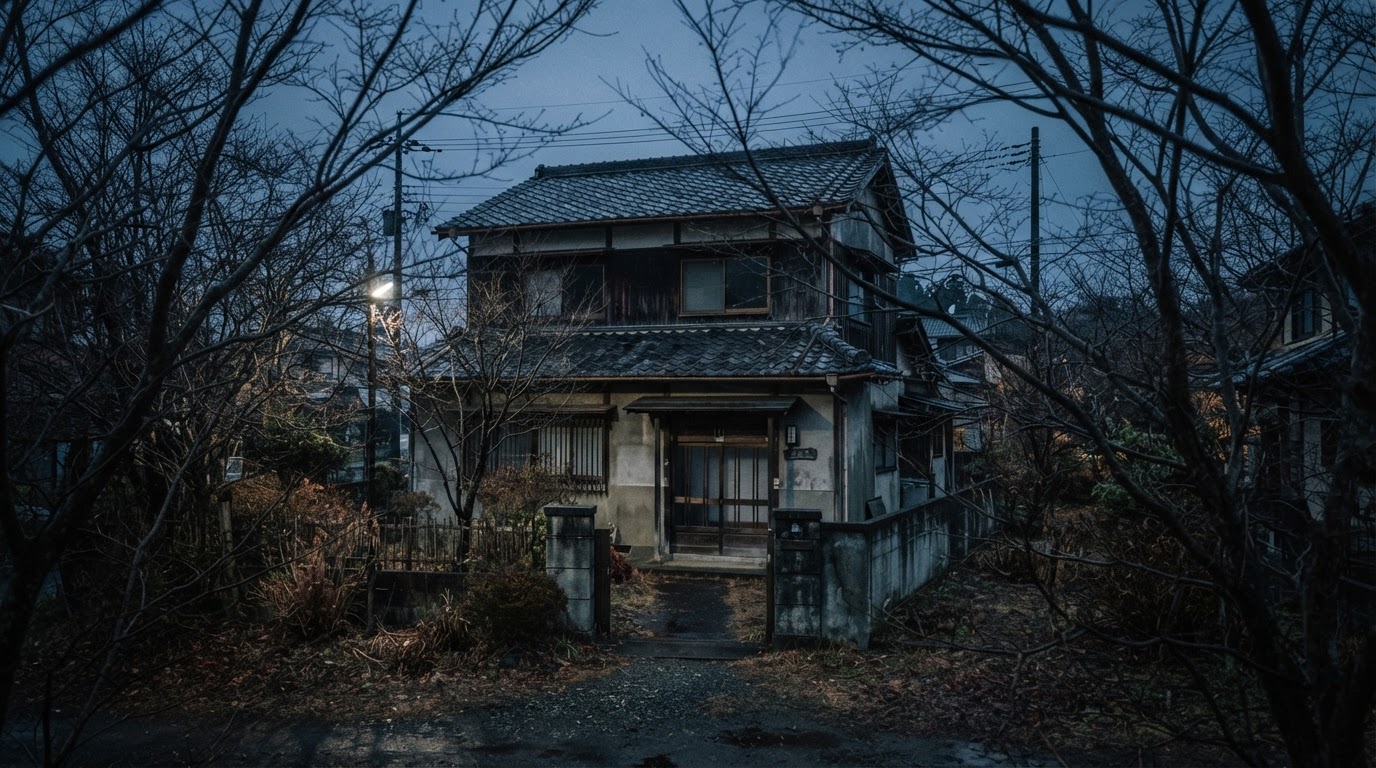
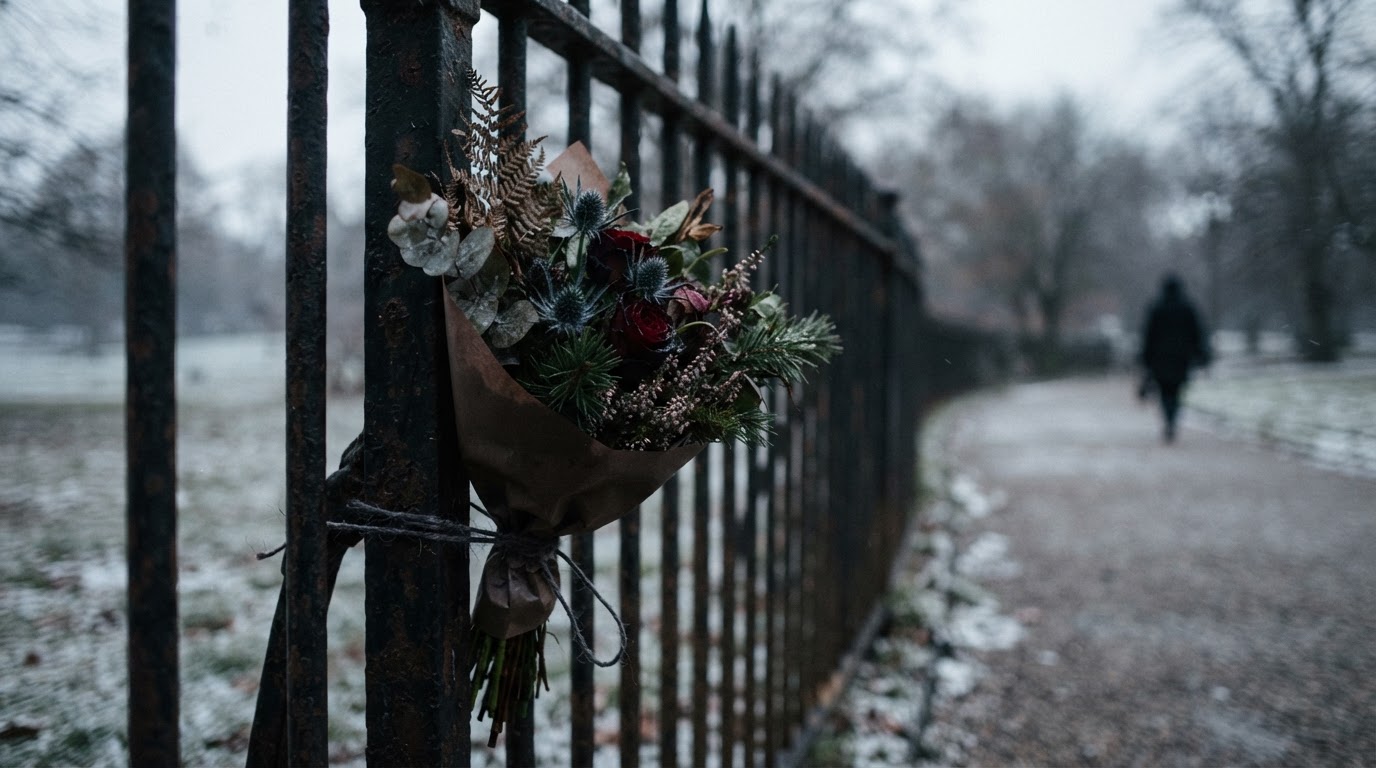
And part of it is the house. It still stands, there beside the park — kept by police as the crime scene it has always been, aging behind the bare winter trees. There were plans to demolish it, judged unsafe by its own decay, and those plans met resistance from the family, who did not want the last physical trace of the case erased. Each December, as the anniversary comes around, police issue a fresh public appeal and lay flowers, and the twenty-million-yen reward still stands, unclaimed. The killer's DNA sits in a file, waiting for a match that has never come.
The Sister Who Would Not Forget
Through all of it, one voice has refused to let the case go quiet.
Yasuko's older sister, whose family lived in the connected house next door, has spent the years since the murders campaigning to keep the case alive — pressing for the investigation to continue, appearing publicly, and at times pushing back hard against media portrayals she felt got the family or the case wrong. When a broadcast advanced a theory she considered baseless and hurtful, she formally objected. Her insistence has been, in a sense, the case's conscience: a reminder that behind the forensic puzzle are four real people, and a family that has waited a quarter of a century for an answer.
It is because of that persistence, as much as the police files, that the names Miyazawa are still spoken in Japan today.
The Appeal That Comes Every Winter
Every year, as December 30 returns, the case surfaces again.
Police renew their public appeal. The reward is restated. Officers still work the file. In an age when DNA has closed cases decades cold — matched at last through databases and genealogy that did not exist when a crime was committed — the Setagaya killer's complete genetic profile is perhaps the case's greatest source of hope. It waits, fully mapped, for the day some future record contains its match. Investigators have spoken openly of that hope: that the science that failed to name him in 2000 may yet name him in a year still to come.
A Train in the Distance
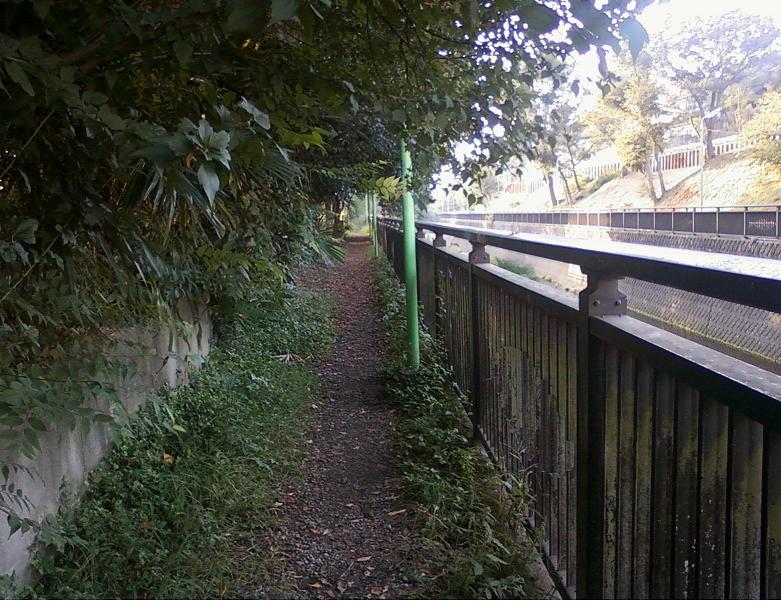
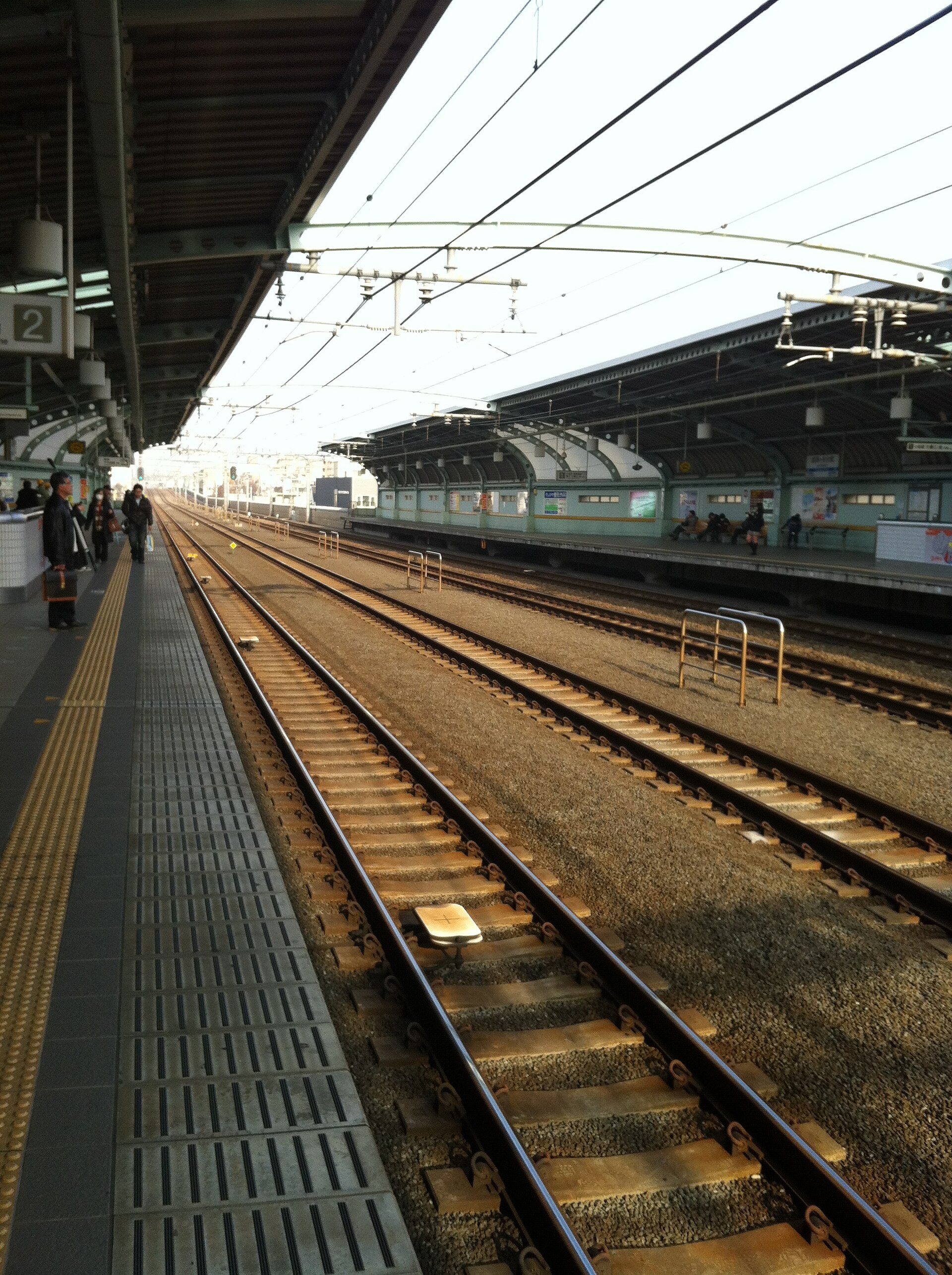
Stand near the park today and the neighborhood is ordinary. Trains pass in the distance at dusk. Lights come on in windows. Children walk home. And there, at the edge of the green, is a house no one lives in — its rooms kept as they were, its silence kept with them.
Twenty-five years is long enough for the children who were the Miyazawas' neighbors to have their own children now. Long enough for the detectives who first walked into that house to have retired. Long enough for the case to pass from headline to history. And still, the central fact of it will not resolve: a man left his fingerprints, his blood, his clothes, his shoes, and his DNA in a Tokyo house — and vanished into a country of a hundred million people without a name.
What an American Cold Case Would Have Done With His DNA
For English-speaking readers, the Setagaya file carries a nagging comparison: in the United States, a killer who left this much of himself behind would probably have been named years ago.
On April 24, 2018, California investigators arrested Joseph DeAngelo, the man known as the Golden State Killer, in what was reported as the first public arrest obtained through genetic genealogy. They had taken DNA from a 1980 crime scene, uploaded the profile to GEDmatch, a free public genealogy site, and built a family tree of more than a thousand names, narrowing it to three men before surveillance and a discarded-trash sample confirmed the match. The method does not need the killer to be in any police database. It needs only his cousins to be in a hobbyist one.
Setagaya's killer left a complete profile and, by every public account, matched no one. So why has the same door not opened in Tokyo? TokyoReporter's coverage of the 24th and 25th anniversaries sets out the reasons. Japan, it reports, has no specific legislation governing the investigative use of DNA; police work from internal regulations. The National Police Agency keeps a DNA database of suspects, of people who died in unusual circumstances, and of crime-scene evidence, but current practice limits its use to identifying individuals. Takeshi Tsuchida, an adviser to a bereaved-family advocacy group, told the outlet that if genetic information could be drawn out of DNA rather than merely matched, "we can get closer to the murderer." I found no public report of genealogy matching being used in this case.
Prediction of appearance is a separate matter. TokyoReporter describes the US company Parabon NanoLabs, which sells composite images built from crime-scene DNA and, per the report, has contributed to more than 200 case resolutions since 2015. In Japan, it says, a researcher's work on face prediction from DNA had reached only about 10 percent accuracy across roughly 300 subjects, nowhere near usable.
What the DNA does say is oddly specific and oddly unhelpful: a paternal line of East Asian origin, a maternal line that reporting places somewhere around the Mediterranean or Adriatic. It describes a man who could be descended from half a dozen countries at once.
Reading the two cases side by side, I kept noticing what they share, and it is not technology. DeAngelo was found because relatives he had never thought about had spat into tubes. The Setagaya killer, if he is alive, is in the same position and does not know it. Whether anyone in his family tree has ever sent a sample anywhere is a question that, on the public record, no one in Japan has been set up to ask.
What the Empty House Keeps
Some crimes horrify by their violence. This one horrifies by its aftermath — by the picture of a man at ease in a house full of the dead, and by the impossible arithmetic of a case that left everything behind except an answer.
Perhaps that is why the house is still there. Not because the police believe its walls hold a clue no one has found, but because to tear it down would be to close a door that no one is willing to close. As long as it stands, the case is not over. As long as the DNA waits in its file, the door is open a crack.
Somewhere, the man who climbed through that window on the last night of 2000 may still be alive. He would be old now. He carries in his cells the one thing that could name him. And every December, in a quiet corner of Tokyo, a house by a park waits in the cold for him to be found.
The sand is what I cannot put down. I have re-read the mineralogical summaries more times than they deserve — grains consistent with a desert in the American southwest, sitting in a black hip bag left on a floor in Kamisoshigaya. It is the kind of detail that should narrow a search and instead widens it past the point of use. When I file a case, I am usually filing a shape with a missing center. This one is different. Here the center is fully described — the ancestry, the height, the hand he favored, the food in his stomach — and it is the man around it who has never existed anywhere but that house, for those few hours, twenty-five Decembers ago.
---
This article uses both real archival and on-site photographs and AI-generated images and video produced to convey the mood of the story.
Comments
No comments yet — leave the first one.