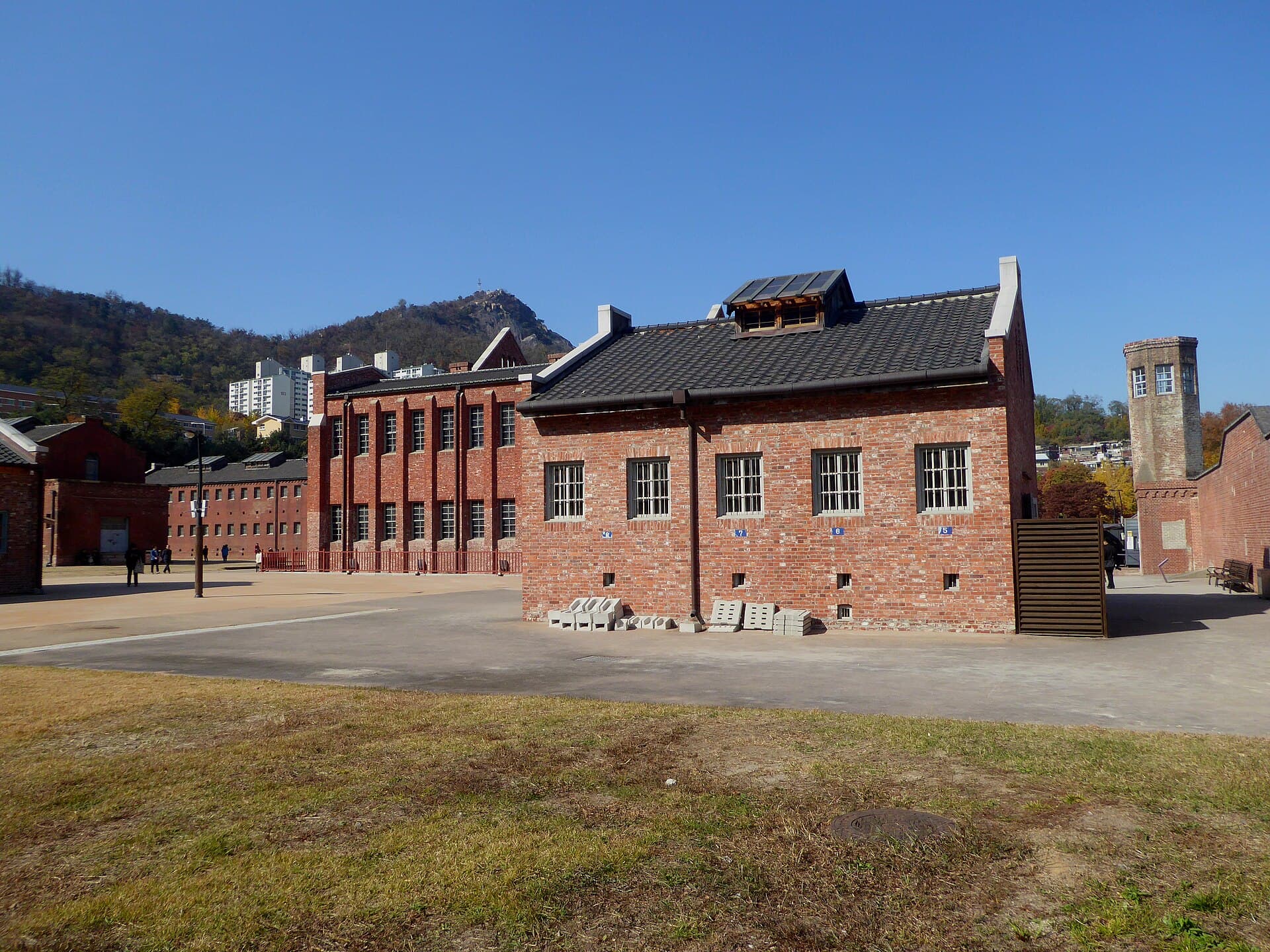
Before sunrise on January 20, 1997, in the pre-dawn dark of Busan Prison, a man serving a life sentence stood before a narrow ventilation shaft set high in the wall of the lavatory. Thirty-two centimeters across, twenty-eight tall — a hole no grown man's shoulders could ever pass through. But the man standing before it was no longer the man he had been two months earlier. Starving himself meal by meal, he had shed fifteen kilograms from his own body. The iron bars had long since been cut through with a palm-sized hacksaw blade he had smuggled in inside the sole of a shoe. He greased his skin, twisted his body, and forced himself into that small opening. Then he was gone into the dark. His name was Shin Chang-won. Over the next 907 days, a cumulative 970,000 South Korean police officers would give chase to this one man. The story of the escape and the manhunt that shook the country began there, at a narrow vent in the dark before dawn.
The number that pulled me into this file was not 907. It was thirty-two centimeters. I sat with a ruler on the desk while I read the escape reports, because a figure like that stops meaning anything once you have seen it in print a few times, and I wanted to feel the width again. Two months of skipped meals to fit an opening that size. What unsettles me is not the physical feat but what it implies about the arithmetic he was doing every night — that a man with nothing but time ahead of him had worked out exactly how much of himself he was willing to remove.

How a Man Came to Serve Life
To understand this story properly, we have to begin with why he was inside those walls at all — a fact there is no reason to soften or dance around. In 1989, Shin Chang-won and four accomplices broke into a family home in the Donam-dong neighborhood of Seongbuk-gu, Seoul, to rob it. In the course of the robbery, the head of the household was killed. It was one of the accomplices who actually struck the fatal blow, but Shin, as a full participant in the armed robbery, bore joint legal responsibility for that death. Robbery resulting in death. For this crime, which destroyed a family, he was sentenced to life imprisonment. That is his starting point. No matter how spectacular the escape that followed, nothing erases the fact that he was a robber whose crime cost a person his life.
With his life sentence finalized, Shin was held at Cheongsong Prison before being transferred to Busan Prison in 1994. For all practical purposes, there was no day on which he would ever walk beyond those walls. To a man who must spend the rest of his life inside, the wall is the edge of the world and time itself. And it is precisely a man like that who can nurse the particular kind of plan that now began, quietly, to grow inside his head.
Two Months of Sawing
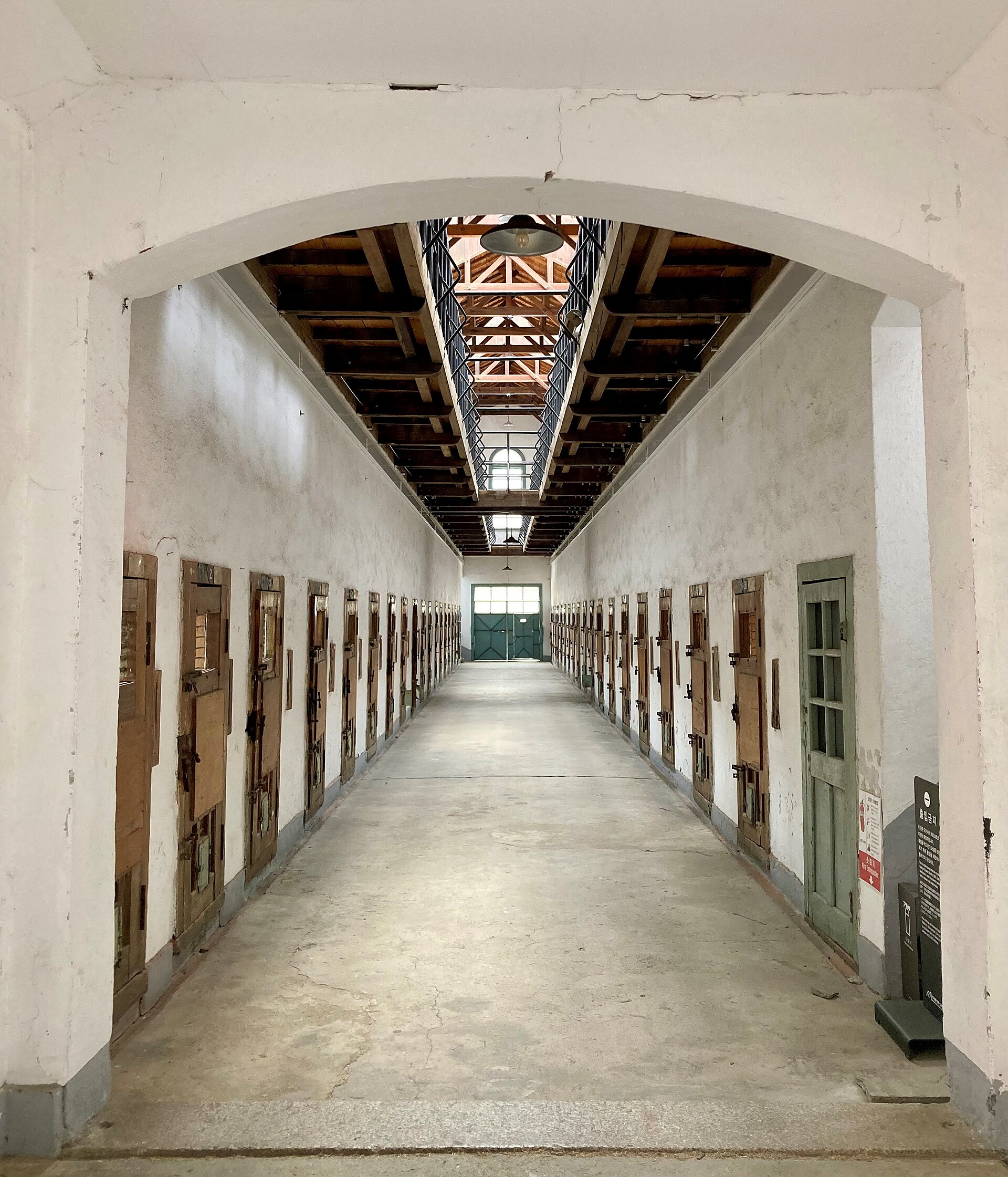
The escape was no impulse. It was the product of months of chillingly meticulous preparation. In October 1996, Shin got hold of two hacksaw blades, each around fifteen centimeters long, from a maintenance storeroom inside the prison. He carved a groove into the rubber sole of a shoe, hid the blades there, and carried them undetected into his own cell — smuggling metal that could serve as a weapon right past the guards and into his room. Those two small blades would go on to cut the largest hole in the history of Korea's prison system.
From that day on, Shin sawed every night, twenty minutes at a time, grinding through the iron bars that blocked the vent little by little, imperceptibly. He wet the blade so the sound would not carry, and packed the cut surfaces with a paste of soap and rice so they would not be noticed. By day he was an unremarkable lifer; by night he was a man carving out his own way to freedom. This double life went on for nearly two months. What he cut through was not only the iron bars. Night after night he was also laying his saw against the wall of time itself — that life sentence which had seemed like it could never be breached.
A Body With Fifteen Kilograms Erased
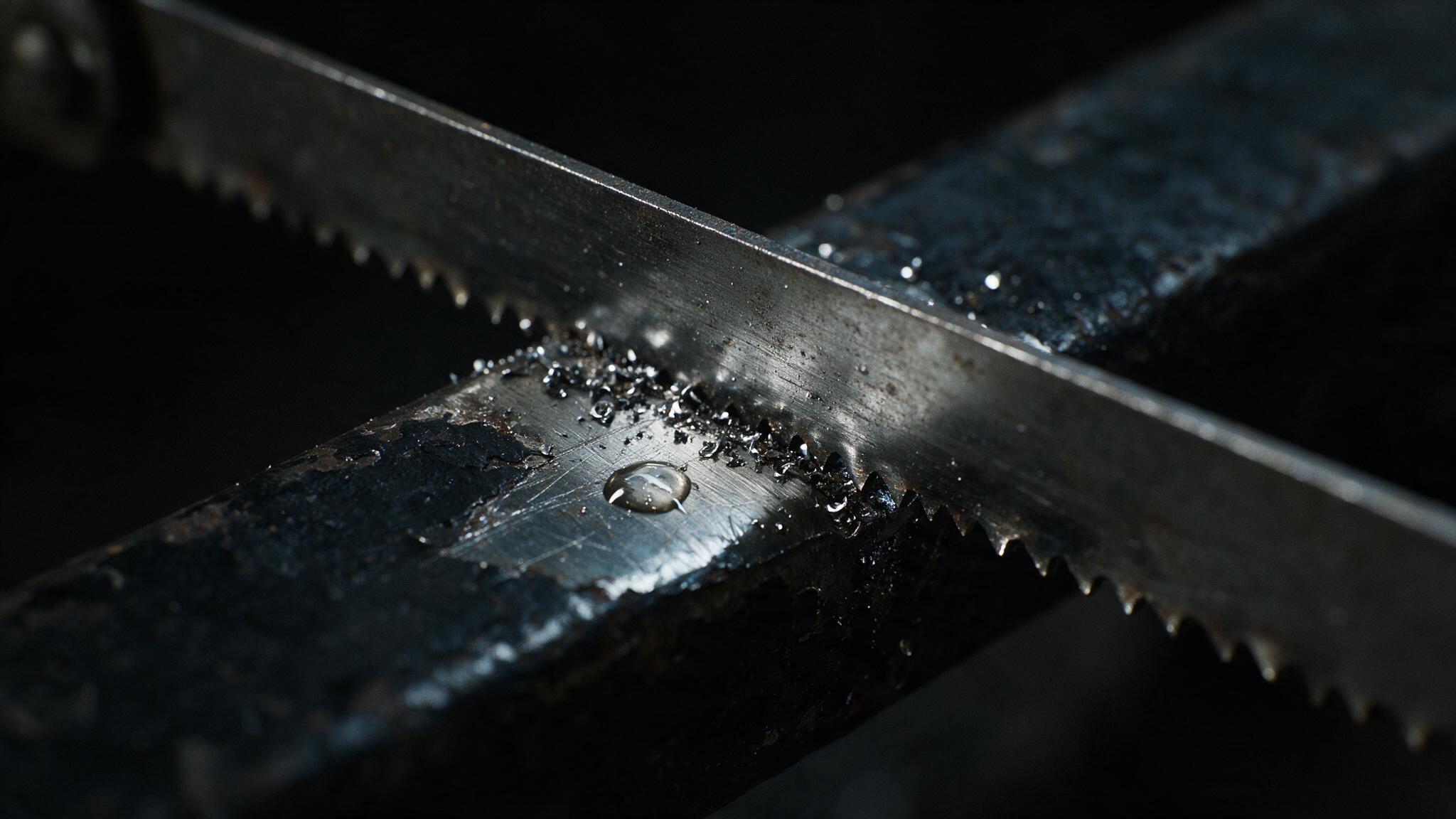
But cutting the bars was not enough. The greatest obstacle was the shaft itself. Thirty-two centimeters wide, twenty-eight tall. The hole had not been made for a person to pass through. For an ordinarily built adult, the head might go in, but the shoulders would catch without fail. Faced with this physical limit, Shin chose the most extreme method possible: he would remake his own body to fit the hole.
He began to starve. He skipped the meals he was served, filled his stomach with water, and dried his body down. Over two months he lost a full fifteen kilograms — some accounts put it as high as twenty. It was weight loss enough to leave his shoulders gaunt and his ribs showing. His diminished body was a silent testament to how far the physical will of a man determined to escape can go. And at last, that dawn, he greased himself, twisted his frame, and pressed his body into thirty-two centimeters of darkness. Through a passage leading toward a church construction site, he vanished beyond the wall. By the time his absence was confirmed at the morning roll call, Shin was already walking a street somewhere in Busan.
A camera creeping slowly toward a narrow ventilation shaft — not real footage, but a staged clip recreating the mood of the case.
907 Days, a Shadow Across 40,000 Kilometers
From here begins a chase without precedent in Korean criminal history. Shin was not caught. Not for a day or two, but for a full 907 days. From Seoul to Busan, from Daegu to Gwangju, he moved across the whole country like a ghost. The distance he traveled while on the run is estimated at around forty thousand kilometers — roughly the circumference of the earth, covered while his wanted photo was plastered across the nation.
His flight was anything but quiet. Over those 907 days Shin committed more than a hundred robberies and thefts, seizing some 900 million won in all. The escape itself was a continuous string of further crimes. With the stolen money he set up hideouts in place after place, attempted cosmetic surgery, and shook off pursuit by altering his appearance. Whenever investigators drew a step closer, he was already in another city. Police checkpoints and searches missed him again and again by inches. A figure who was plainly walking the same soil, yet a shadow that could never be caught by hand. As the months passed, the name Shin Chang-won grew beyond a single individual into an event unto itself — one that seemed to mock the authority of the state.

One Man Chased by 970,000, and the Illusion of the 'Righteous Outlaw'
The pride of the police crumbled by the day. That a lifer had vanished through a prison vent was already an unprecedented humiliation; the longer he stayed uncaught, the deeper the public's distrust ran. The manpower mobilized to capture Shin came to a cumulative 970,000 officers. Wanted flyers bearing his face were scattered by the millions across the country, a bounty was posted, and tips claiming he had been sighted poured in by the dozens each day. Yet the decisive break stubbornly refused to come.
Paradoxically, this grinding pursuit turned Shin into a nationwide "celebrity." And here we come to the bitterest passage of the whole affair: parts of the public began to lionize him as a "righteous outlaw." A robber whose crime had cost a life, a fugitive who had committed more than a hundred offenses, was being consumed as though he were some romantic runaway resisting an unjust world. The garish, brightly colored T-shirt he was wearing when captured became a sensation under the name "the Shin Chang-won shirt," and something like a fan club even sprang up around him. This was the so-called "Shin Chang-won syndrome." It must be stated plainly: this "righteous outlaw" frame was merely a phenomenon the society of the time produced, and it constitutes no justification whatsoever for his crimes. A family had been irreversibly destroyed because of him, and throughout those 907 days fresh victims kept being created. However the world chose to consume him, he was a criminal on the run.
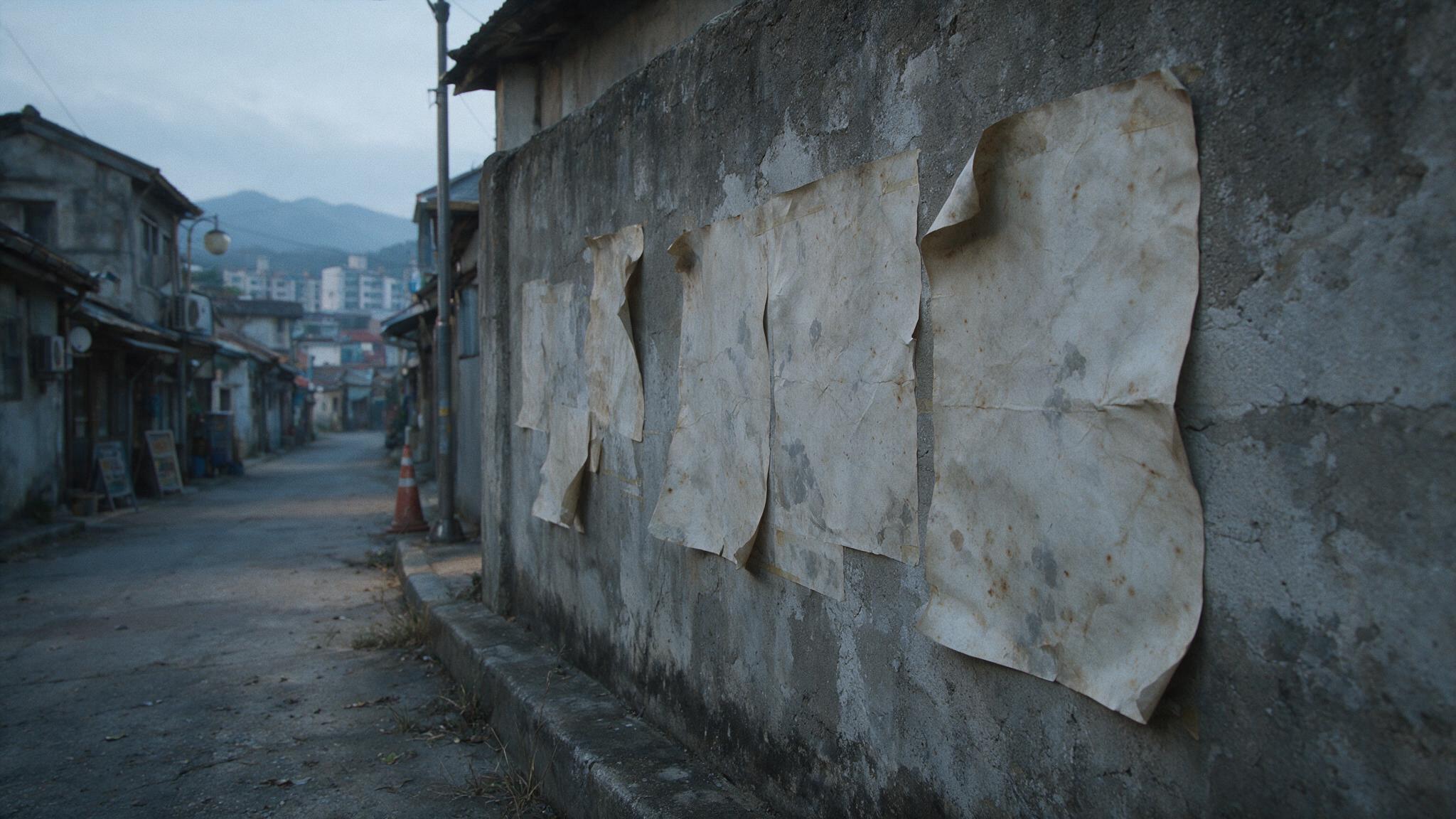
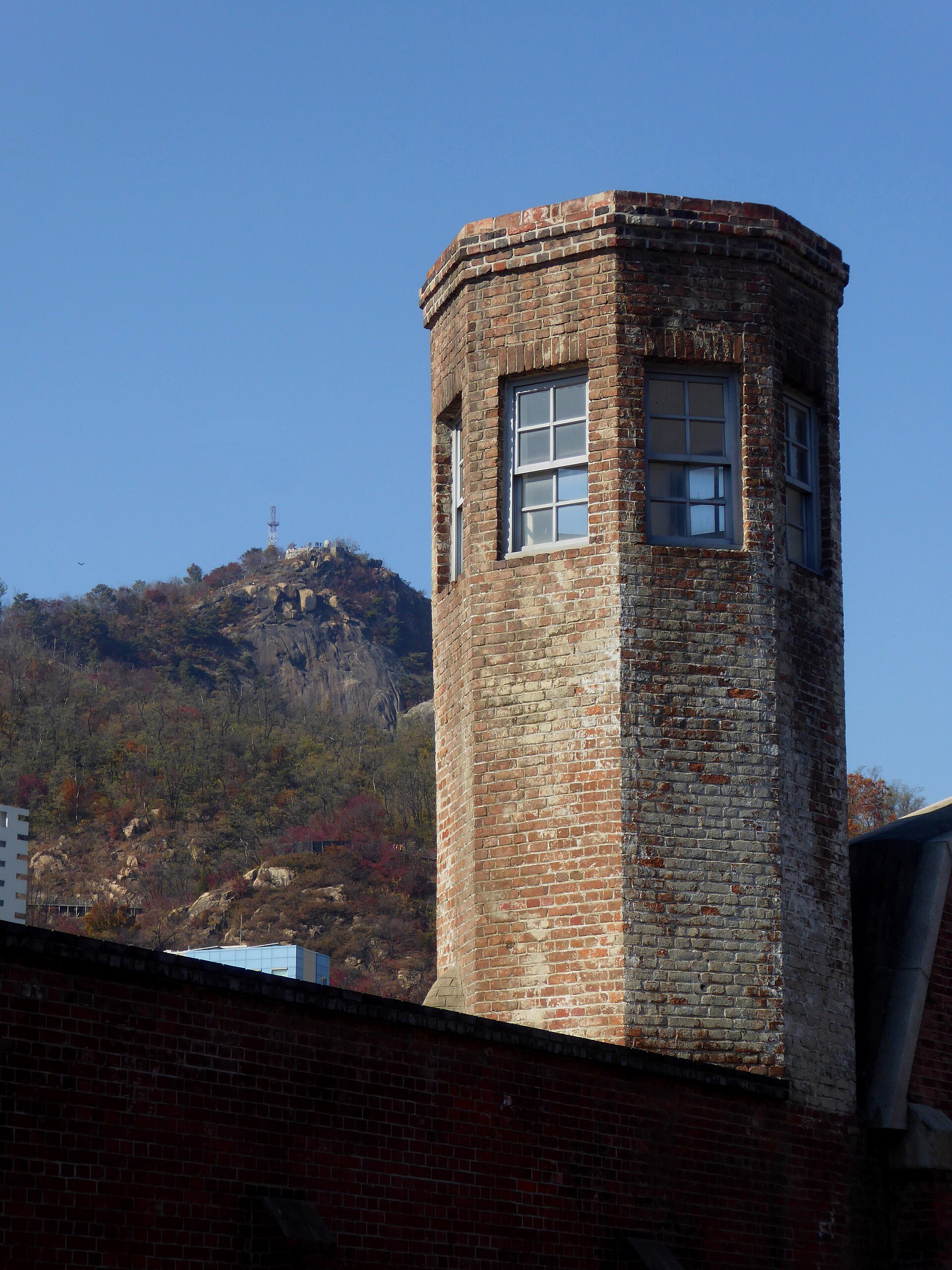
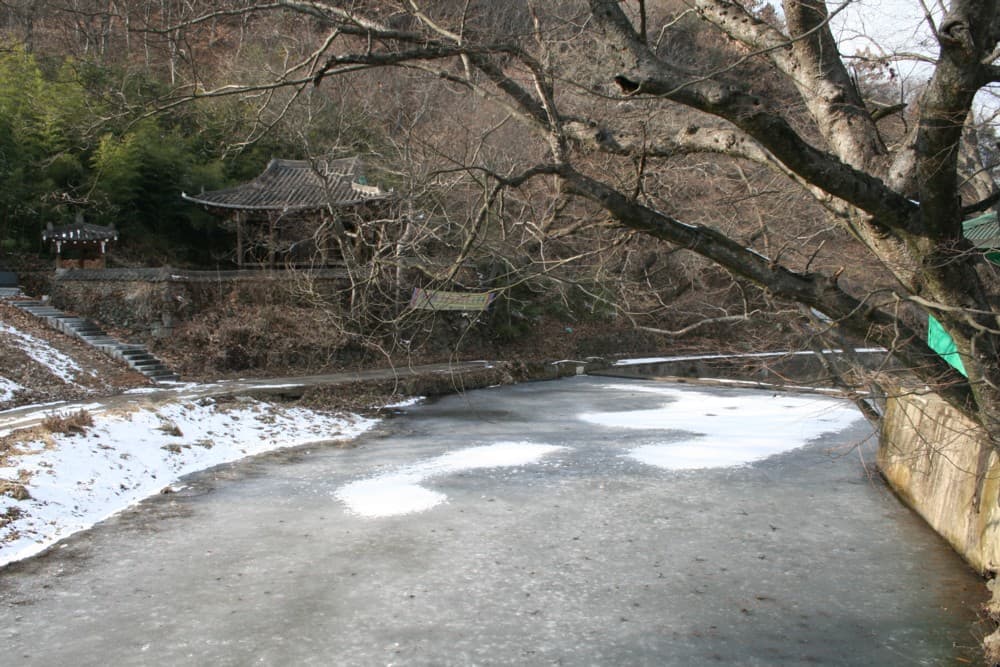
Photo: Wikimedia Commons, CC BY-SA 4.0
A Flight Ended by a Single Phone Call, and What Remained
The escape that had mocked a whole nation for 907 days ended, unexpectedly, in the most ordinary way imaginable. On July 16, 1999, in an apartment in Suncheon, South Jeolla Province, Shin had set up a hideout and was lying low. That day a repairman came to the apartment to fix a gas range. A former non-commissioned officer from an army intelligence unit, he had an unusually sharp eye. The suspicious look of the man inside and something faintly off about the living space overlapped, in his memory, with the wanted flyer. He stepped outside and quietly called the police: "I saw someone who looks like Shin Chang-won."
Some fifty officers surrounded the apartment. And at 5:20 that afternoon, the manhunt that had kept the country on edge for two and a half years came to its end. At the moment of his capture, Shin is said to have spoken calmly: "I am Shin Chang-won." The end of a colossal chase — 970,000 officers, millions of flyers, forty thousand kilometers of flight — came down to one citizen's keen eye and a single phone call. The most meticulously prepared escape was undone by the most trivial fragment of everyday life.
Recaptured, Shin returned behind the walls. With the crimes committed during his escape and flight added on, twenty-two years and six months were stacked atop his life sentence, and he became a prisoner held under the strictest supervision. The "freedom" for which he had cut his way through a thirty-two-centimeter hole lasted 907 days, and in exchange he passed through a door that would never open again. The painful question this case leaves us is this: why did we, for a time, look upon him as a hero? How did a vague anger at an unjust era come to dress a robber and fugitive in the clothes of romance and consume him that way? The "Shin Chang-won syndrome" may have been a mirror reflecting some hunger in the society watching him more accurately than it reflected the man himself. But no matter how glamorous the story in the mirror, it does not change the fact that at its starting point stood a shattered family and a person who lost his life. When the shadow of those 907 days lifts, what remains, in the end, is only that one heavy fact.
The part of this archive I find hardest to keep in order is the merchandise. Somewhere in my folder there are period clippings about the patterned shirt he was wearing in Suncheon, and a market that briefly grew around it. I have never worked out how to file those alongside the Donam-dong case papers from 1989, where a household is one person short by morning. They belong to the same man and they do not sit in the same drawer. Every time I reorganize the folder I end up putting them next to each other anyway, and every time I close it I am less certain which of the two the country was actually watching.
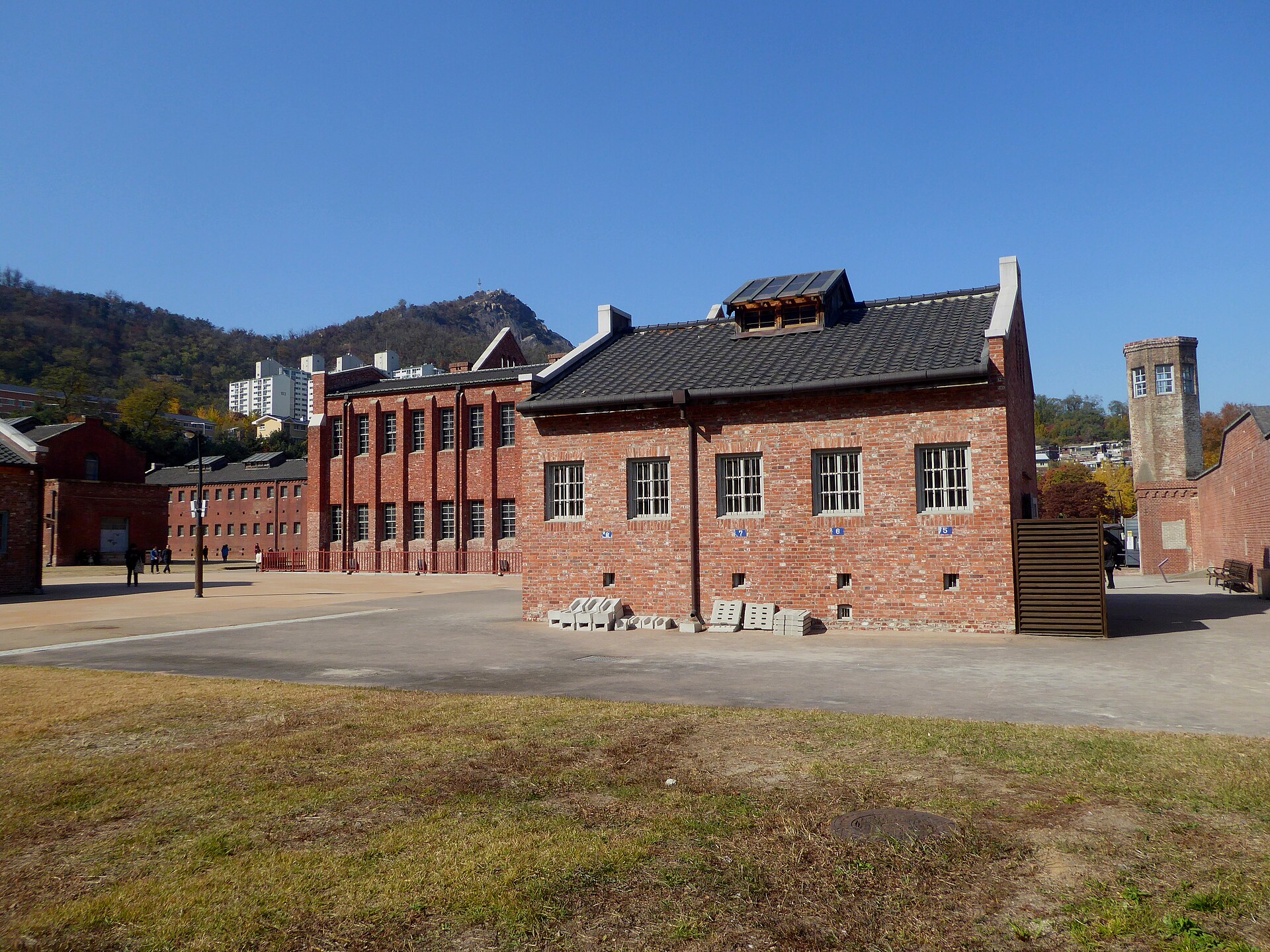
Photo: Wikimedia Commons, CC BY-SA 4.0
---
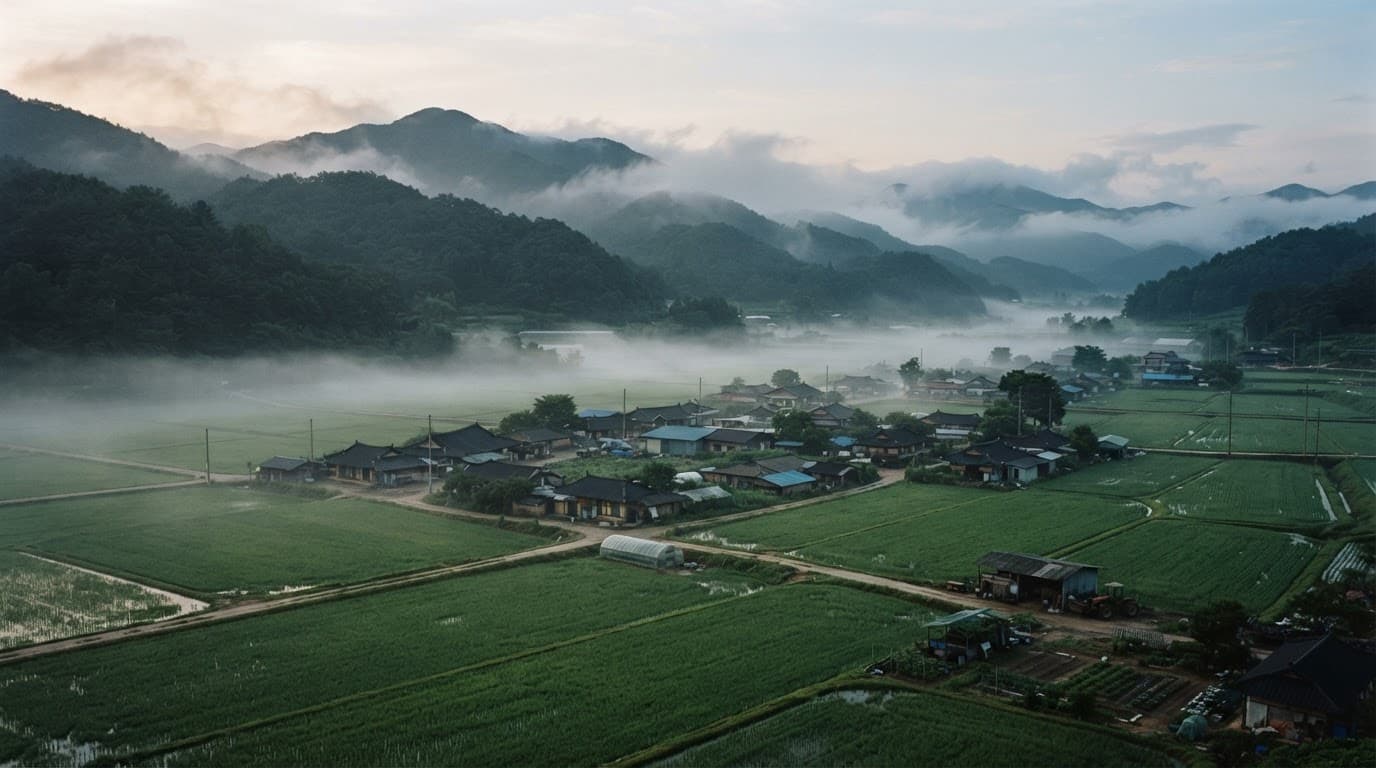
This article combines real documentary and location photographs with AI-generated images produced to convey the mood of the story.
Comments
No comments yet — leave the first one.