
A house fire is one of the oldest and cruelest kinds of tragedy. But a fire usually leaves something behind. Ash, char, and — however terrible it is to say — remains. When five children are said to have burned to death in their beds, there should be something in the ruins to bury. On Christmas morning of 1945, in the hills of West Virginia, a family's home burned to the ground in less than an hour, and five of their children were gone. Their parents were told the children had died in the flames. But when the fire cooled and the family sifted the ashes, they found nothing. No bones. No teeth. Nothing at all. And so began one of the strangest and most haunting mysteries in American history — the story of five children who seemed to vanish into smoke, and of a mother and father who spent the rest of their lives refusing to believe the fire had taken them.
Cases reach me in different states, and this one arrived as a paradox I could not put down: a death certificate issued for five children, and an excavation of the same ground that produced nothing to bury. I spent a long time with the fire-load material — how long a frame house of that period burns, what temperatures it reaches, what survives. Forty-five minutes does not do what would have had to be done here. That is where I stopped reading it as a fire and started keeping it as something else.

Photo: Wikimedia Commons, CC BY 2.0
Christmas Eve, 1945
George and Jennie Sodder were Italian immigrants who had built a comfortable life in Fayetteville, a small town in the coal country of West Virginia. George — born Giorgio Soddu on the island of Sardinia — ran a trucking business and was known as a hardworking, respected man in the community. Together the couple had ten children, and on the night of December 24, 1945, nine of them were home. The eldest son, Joe, was away in the Army.
It was Christmas Eve, and the mood was festive. The older girls had received toys, and the younger children begged to stay up late to play with them. Jennie agreed, telling the little ones they could stay awake a while longer if they took care of the chores — feeding the animals and bringing in water. She went up to bed with the youngest, three-year-old Sylvia, while five of the older children lingered downstairs. It was the last ordinary moment the family would ever have.
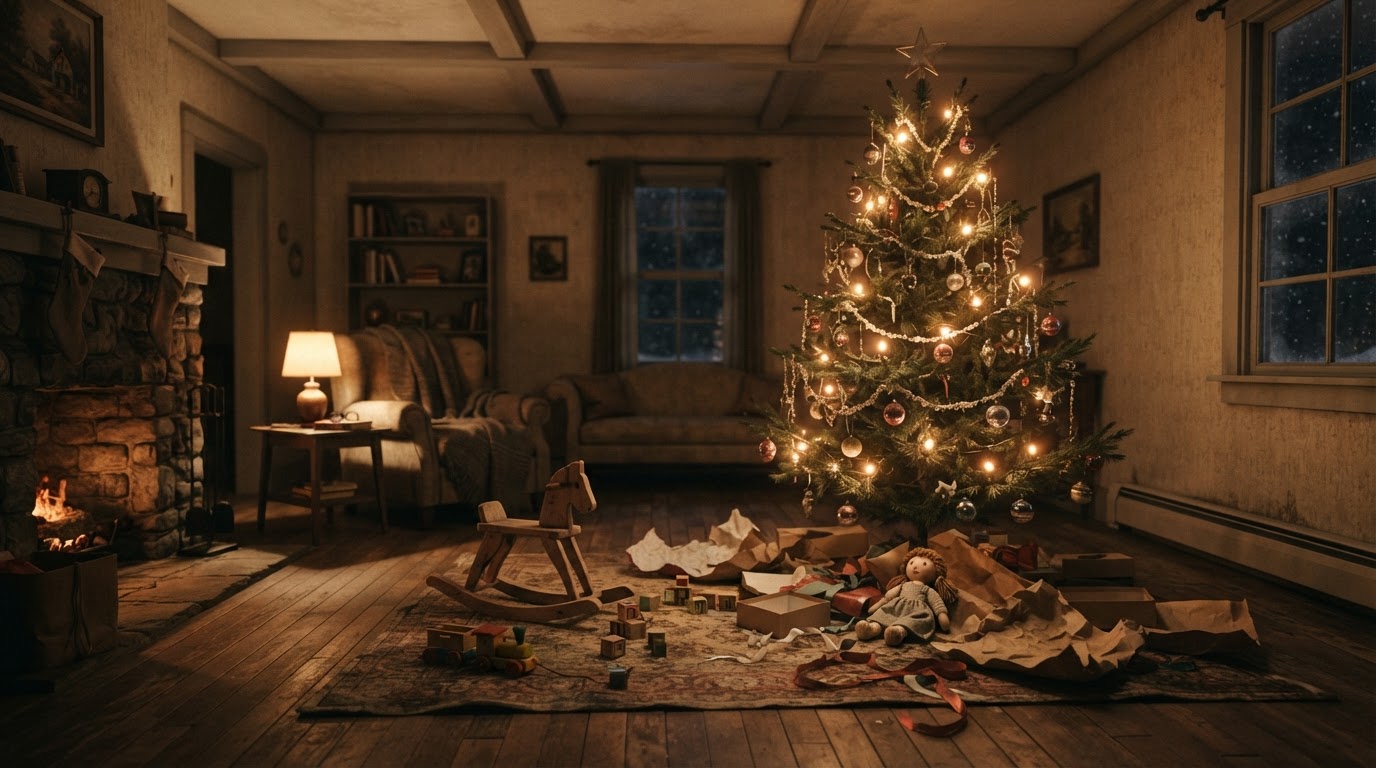
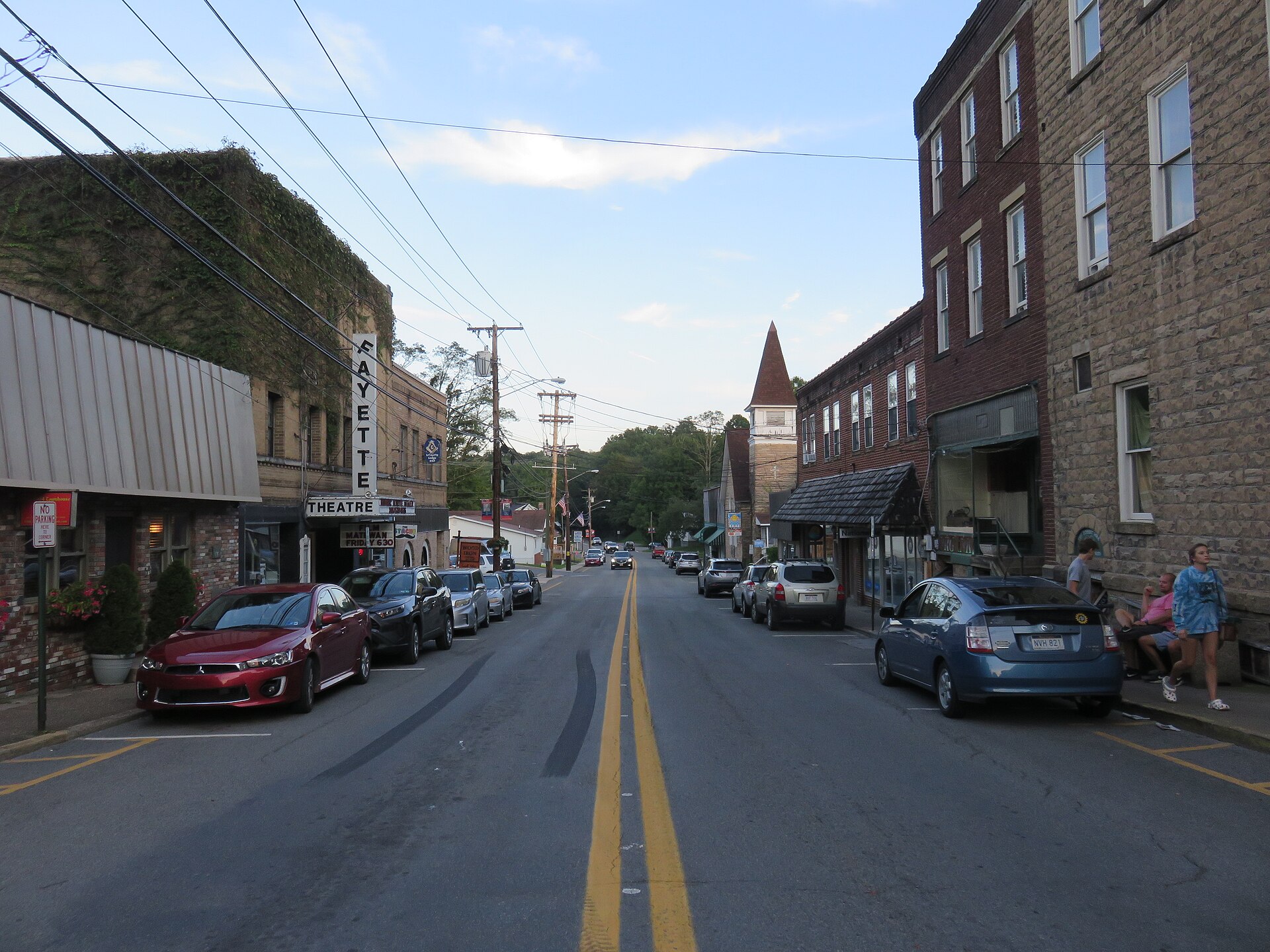
Photo: Wikimedia Commons, CC BY-SA 4.0
The Phone Call, and the Sound on the Roof
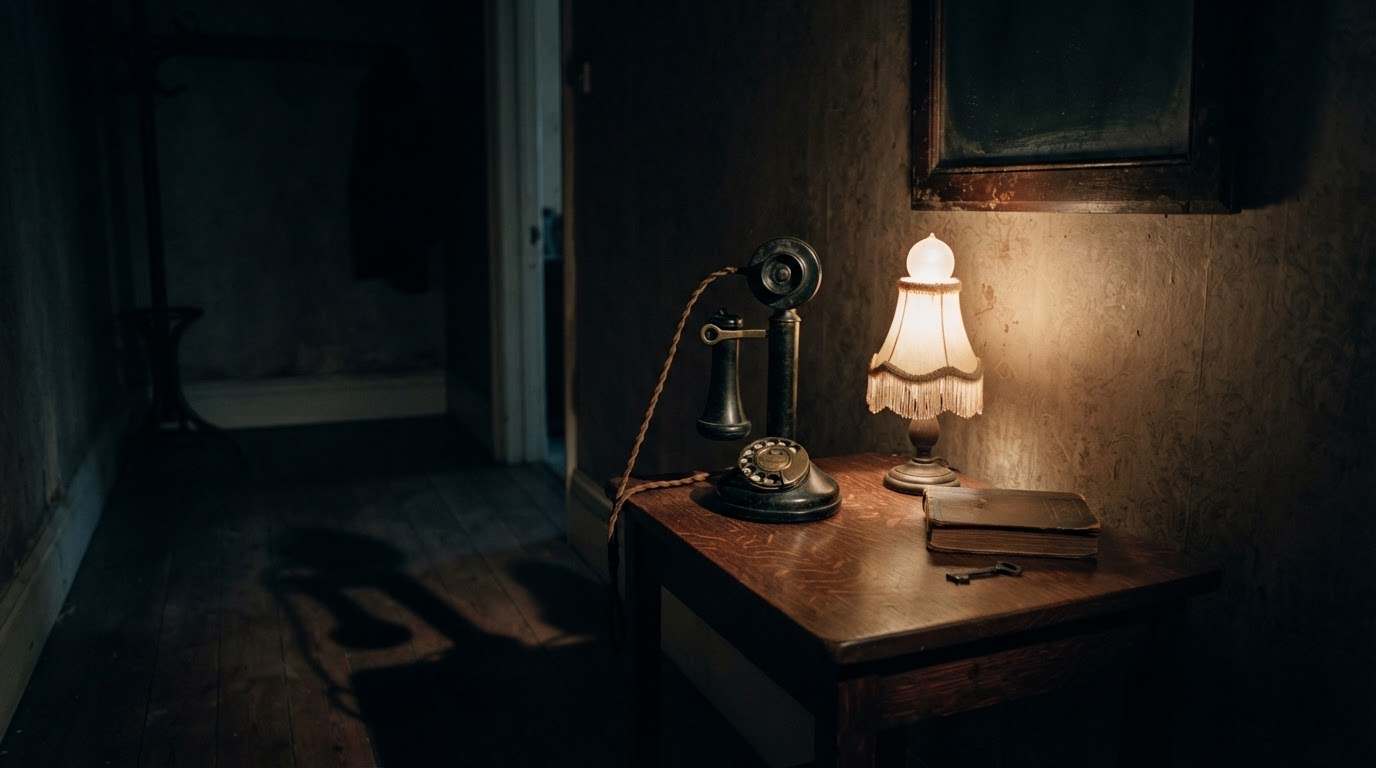
Just after midnight, the telephone rang. Jennie got up to answer it. On the line was a woman she did not recognize, asking for a name that meant nothing to her. In the background she could hear the clink of glasses and strange laughter, the sounds of a party somewhere. The woman had the wrong number, and Jennie hung up, unsettled by the odd call.
As she made her way back to bed, she noticed that the downstairs lights were still on, the curtains still open, and the front door unlocked — though the children who had been up should have closed everything before turning in. She locked up and lay down again. She had just begun to drift off when she heard it: a sharp, loud bang on the roof, as if something heavy had struck it, followed by a rolling noise. She listened, heard nothing more, and fell asleep. Roughly half an hour later she woke to the smell of smoke.
The Fire, and Everything That Went Wrong
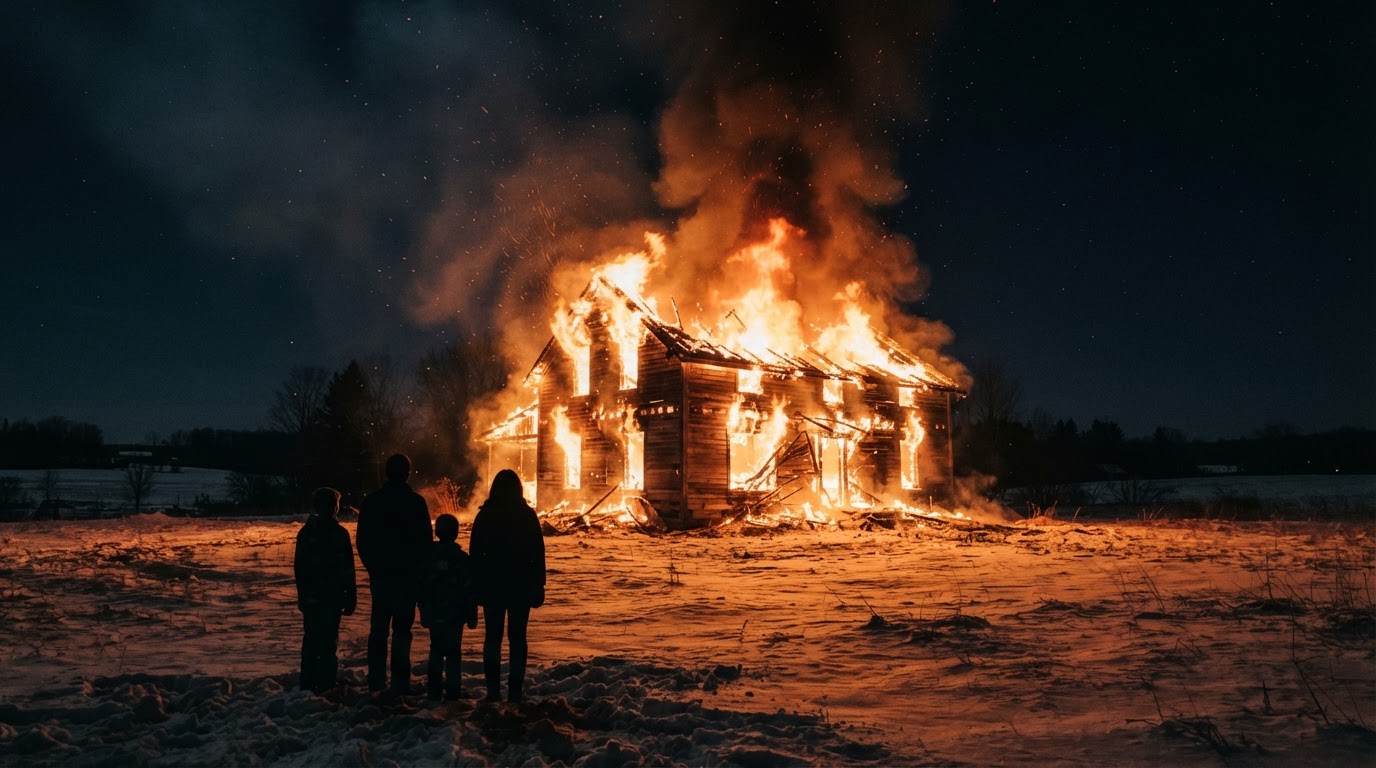
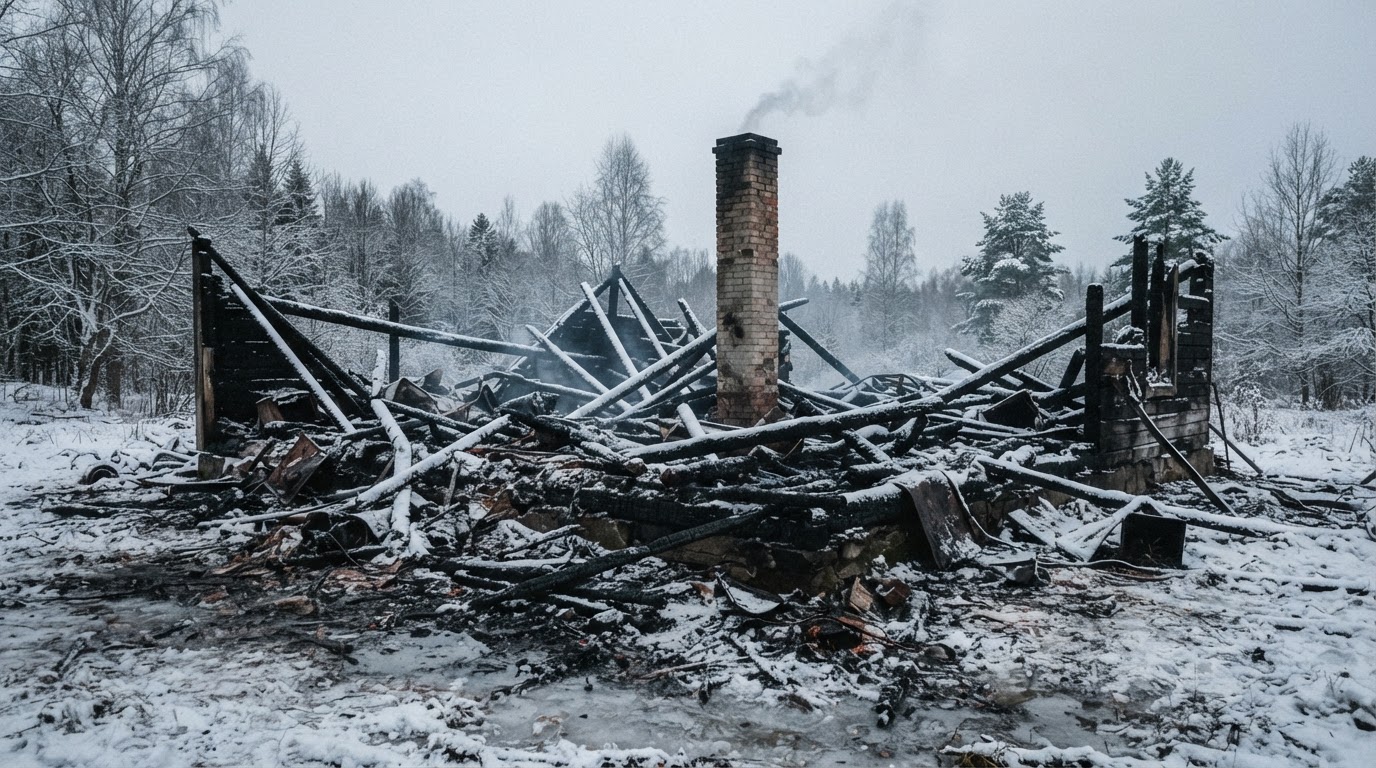
The fire had started in George's home office, near the fuse box, and it was already spreading up the walls. Jennie roused George and the two older children sleeping nearby, and they scrambled outside. But five of the children were still upstairs — Maurice, fourteen; Martha Lee, twelve; Louis, ten; Jennie Irene, eight; and Betty Dolly, five — and the staircase was already a wall of flame.
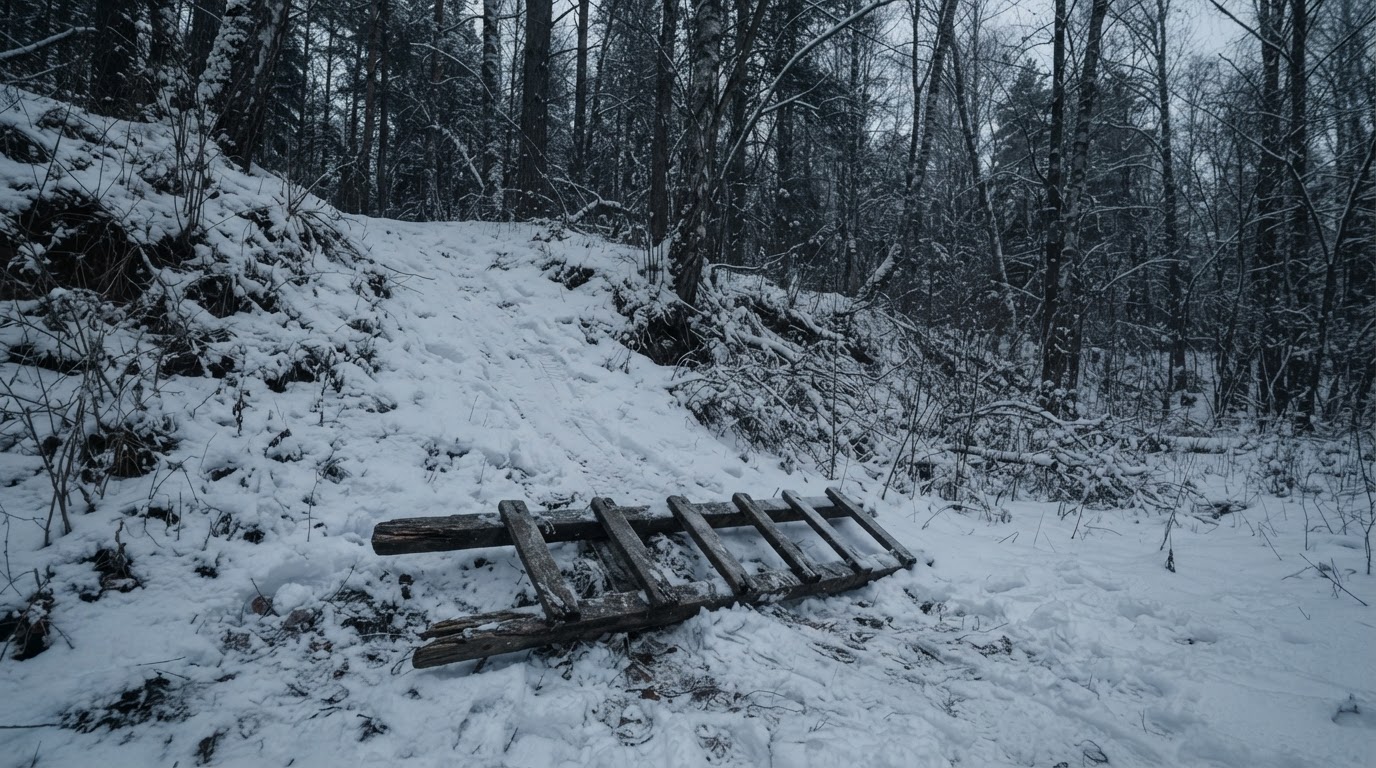
What happened next reads like a series of impossible coincidences, each one stripping the family of a way to save the children. George ran to the side of the house to climb up to the second-floor windows, but the ladder he always kept propped there was gone. He tried to move his two coal trucks close enough to stand on — both had run perfectly the day before, and now neither engine would turn over. Jennie tried to fetch water, but the rain barrel had frozen solid. And when the family ran to a neighbor's to telephone the fire department, the phone lines were dead. A relative eventually reached the fire chief in town, but the department — short of men because of the war — did not arrive until the following morning. By then the house had collapsed into a smoldering pit. The whole structure had burned in about forty-five minutes.
Nothing in the Ashes
George and Jennie were left to believe their five children had perished in the fire. That, at least, is what the official finding said: the blaze was ruled an accident, caused by faulty wiring, and the children presumed dead in the flames. A death certificate was issued.
But almost immediately, the story began to fall apart. When the family searched the ash pile — and later, when they had it excavated — they found no trace of five children. Bone does not vanish in an ordinary house fire; a blaze like this one, burning for less than an hour, does not reduce five bodies to nothing at all. Yet there were no skeletons, no skulls, no teeth. A funeral home operator told Jennie that bodies do not simply disappear. Later, when George covered the site with earth to make a memorial garden, a pathologist did examine some human bone fragments recovered from the fill — but they were determined to be a few lumbar vertebrae, and even those were reported to have likely come from the soil used as fill rather than from the fire itself. The absence at the heart of the case only grew larger the harder anyone looked. If the children had burned, where were they?
The Threats, and the Signs of Something Deliberate
As the Sodders turned the night over in their minds, small details from the weeks before began to take on a sinister shape. Some months earlier, a man had come to the house looking for hauling work; while there, he had wandered to the back and pointed at the fuse boxes, remarking ominously that they would "cause a fire someday." Another stranger, an insurance salesman, had grown angry when George refused his policy, and warned him that his house would "go up in smoke" and his children "destroyed" — supposedly in retaliation for George's outspoken criticism of Mussolini, a dangerous stance for an Italian immigrant to hold in that community. In the weeks before Christmas, the older sons had noticed a strange car parked along the highway, its occupants watching the younger children as they came home from school.
Then there were the physical clues. A telephone repairman told the family that the phone line had not burned in the fire at all — it had been cut cleanly, by someone who had climbed the pole and reached out to sever it, well above where any flames had reached. The ladder that should have been against the house was found later at the bottom of an embankment, seventy-five feet away. The trucks that would not start; the hard rubber object young Sylvia found in the yard, which George came to believe had been some kind of incendiary device thrown onto the roof — the very bang Jennie had heard before the smoke. One by one, the pieces suggested that this had not been a simple accident at all, but something arranged.
The Sightings, and the Photograph
If the children had not died, then where had they gone? Over the years, reports trickled in that fed the family's conviction that the five had been taken alive. A woman said she had seen the children looking out of a passing car while the fire still raged. A woman running a tourist stop between Fayetteville and Charleston claimed she had served the children breakfast the morning after the fire. A Charleston hotel worker said several children matching their descriptions had checked in around midnight, accompanied by adults who spoke Italian and refused to let the children talk to anyone. None of it could be proven — but none of it could be dismissed, either.
Then, more than twenty years later, came the strangest development of all. In 1968, Jennie opened the mail to find an envelope addressed to her, postmarked in Central City, Kentucky, with no return address. Inside was a photograph of a young man in his mid-twenties. To the Sodders, the resemblance to Louis — who would by then have been in his thirties — was unmistakable: the same dark eyes, the same brow, the same set of the face. On the back, in a cramped hand, was written a cryptic message that has never been explained: "Louis Sodder. I love brother Frankie. Ilil boys. A90132 or 35." The family hired a private investigator and sent him to Kentucky to find the young man. He took their money, went, and was never heard from again.
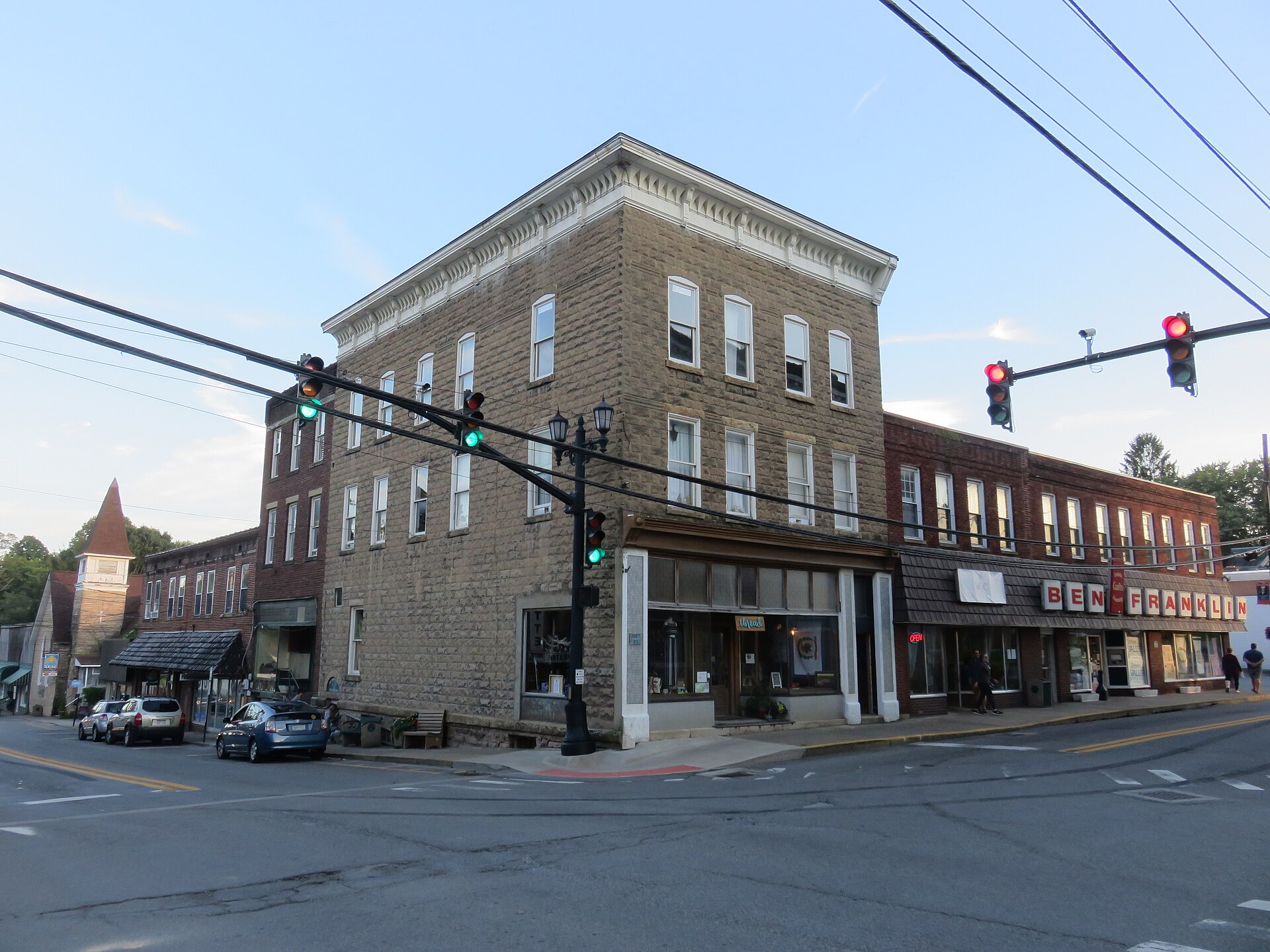
Photo: Wikimedia Commons, CC BY-SA 4.0
The Billboard
George and Jennie Sodder never stopped searching. They wrote to the FBI, and Director J. Edgar Hoover replied that the matter appeared to be "of local character" and outside his bureau's jurisdiction; when the FBI did briefly take an interest as a possible interstate kidnapping, its leads went nowhere and the case was dropped. The state closed its own inquiries as hopeless. Every official door shut in the family's face.
So the Sodders built their own monument to the question no one would answer. Along Route 16 near Fayetteville, they raised a large billboard bearing the five children's faces, the date of the fire, and, in bold letters, the words that captured everything they could not let go of: What was their fate? They offered a reward, first of five thousand dollars and then ten thousand, for any information that would bring their children home. The photograph from Kentucky was enlarged and added to it. For nearly forty years the billboard stood at the roadside, five grave young faces watching the traffic pass, refusing to let the town, or the world, forget.
George died in 1969, still certain his children were alive somewhere. Jennie kept the search alive for two more decades, and after the fire she reportedly never again wore anything but black. She died in 1989, and only then was the billboard finally taken down. The youngest survivor, Sylvia — the three-year-old her mother had carried out of the flames — lived into old age still believing her brothers and sisters had not died in that house.
To this day, no one knows what became of Maurice, Martha Lee, Louis, Jennie Irene, and Betty Dolly. Whether they burned in a fire that left no trace, or were carried off into a night that swallowed them whole, the ashes of that West Virginia farmhouse have never given up their answer. What was their fate? Eighty years on, the question the Sodders painted on the roadside still hangs unanswered in the cold Christmas air.
I have copied out that line from the back of the 1968 photograph more times than is reasonable, trying different breaks in it, treating the string as a number, a case reference, a room. A90132 or 35. It resolves into nothing. What holds me is not the message but the fact of the envelope — someone in Kentucky knew Jennie Sodder's address, chose to write, chose to give her a face and then a code, and then went silent for the rest of her life. The investigator she sent after it took her money and did not come back either. Two people, at least, decided that whatever was at the end of that address was better left where it was.
---
This article combines real documentary and location photographs with AI-generated images produced to convey the mood of the story.



Comments
No comments yet — leave the first one.