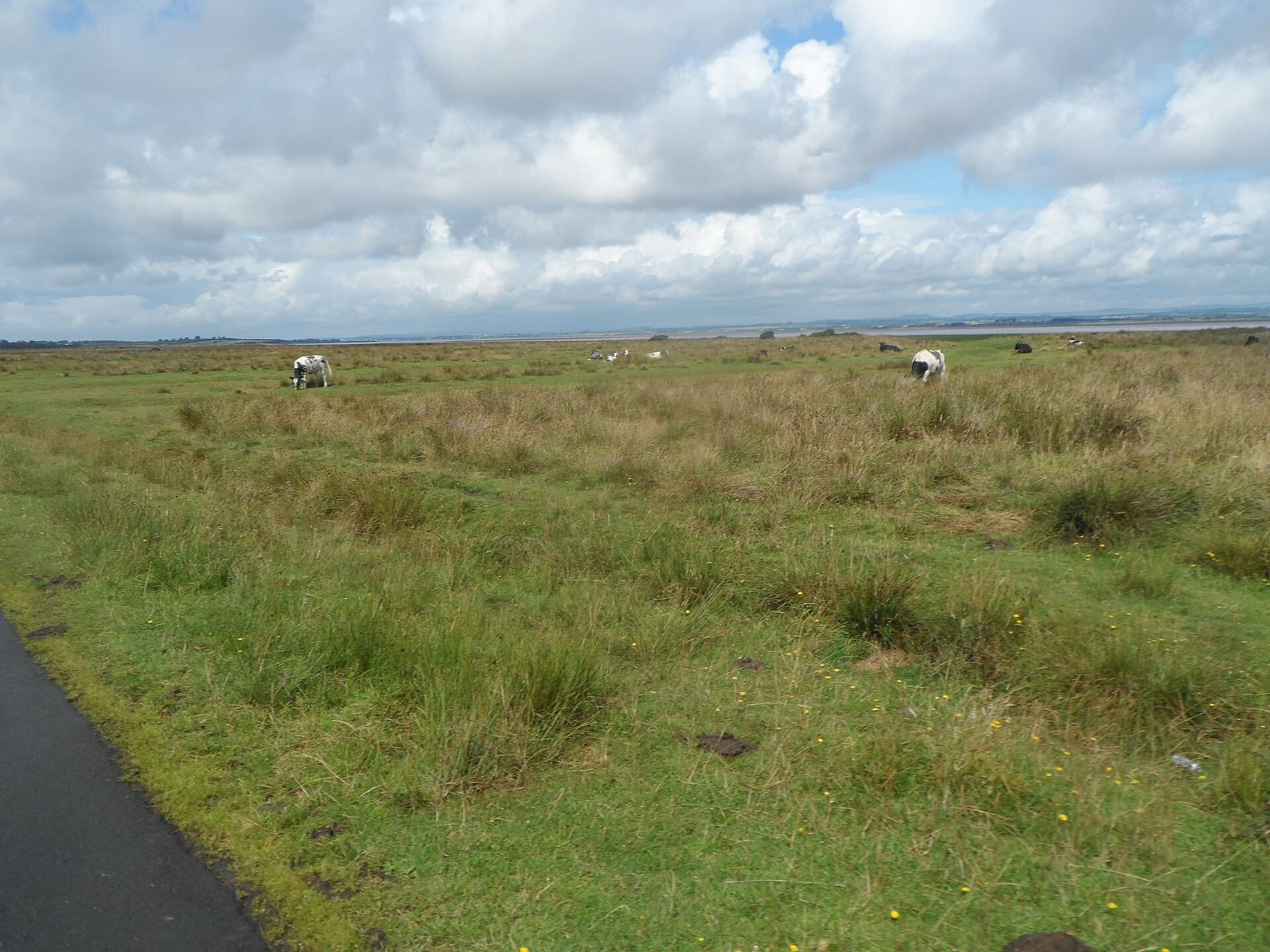
On a bright day in May 1964, a firefighter from Carlisle named Jim Templeton took his family out to Burgh Marsh, a wide stretch of salt marsh on the edge of the Solway Firth in Cumbria, in the north-west of England. He had brought a new camera, and he spent the afternoon photographing his five-year-old daughter Elizabeth among the grass and the flowers. He took three pictures of her. Nothing unusual happened. The air was still, a few cows grazed in the distance, and the only other people on the marsh were two elderly women some way off. When the film came back from developing, the middle frame stopped him cold. Standing behind and above his daughter's head was a figure in what looked like a white spacesuit, complete with a bubble helmet — a figure that neither he nor anyone with him had seen at the time. This is the story of the Solway Firth Spaceman: a single photograph that has been argued over for sixty years, and that no explanation has ever quite laid to rest.
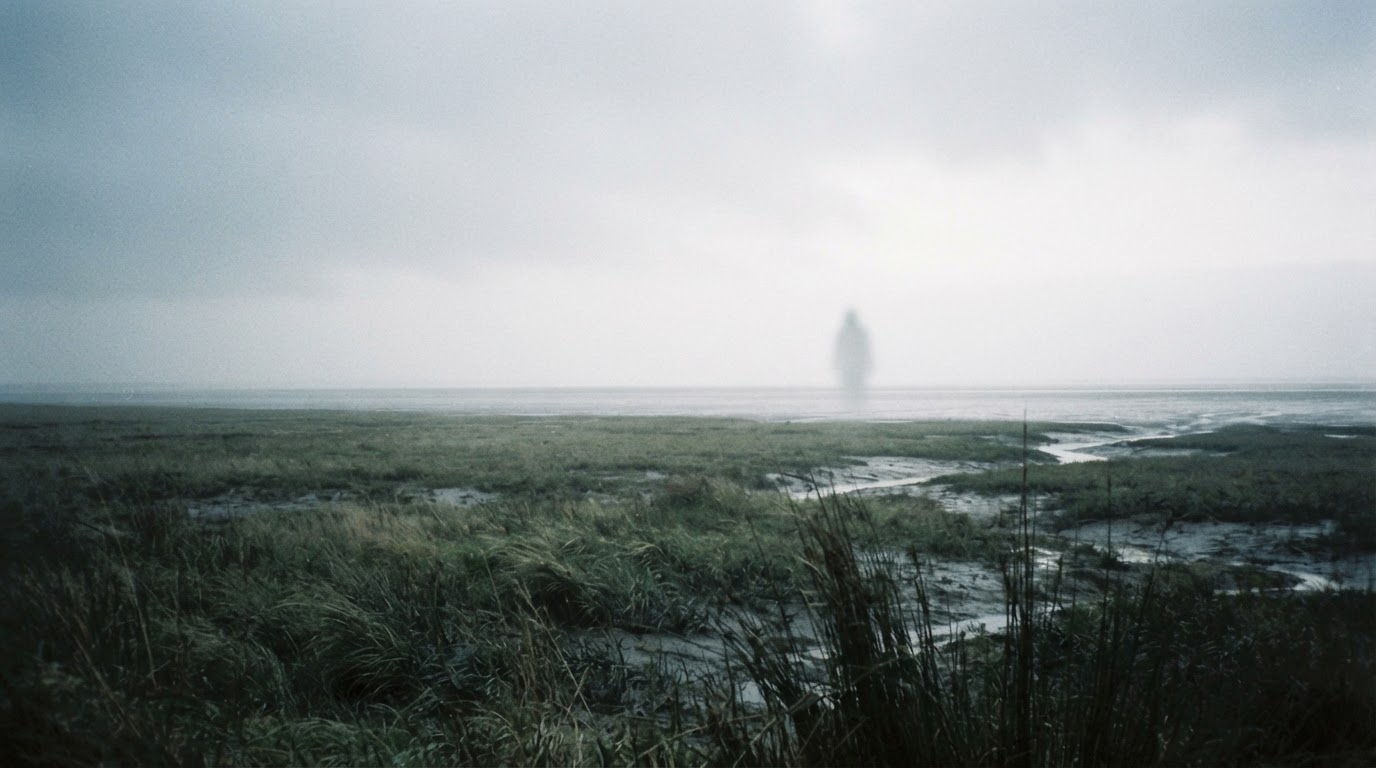
Three frames. That is the number that made me keep this one. Templeton shot three pictures of his daughter that afternoon, and the figure is in the second — not the first, not the third, the middle of a sequence taken minutes apart on an open marsh where a person can be seen coming from half a mile away. I have looked at reproductions of all three more often than the case deserves, and the arithmetic never settles. Whatever it was had time to arrive and time to leave, and it did both between shutter presses.
Photo: Wikimedia Commons, CC BY-SA 2.0
The Day on Burgh Marsh
Burgh by Sands sits on the southern shore of the Solway Firth, the estuary that separates England from Scotland. Beyond the village the land flattens into Burgh Marsh, a broad expanse of tidal grassland open to a huge sky, the kind of place where you can see anyone approaching for a long way off. It was here, on 23 May 1964, that Jim Templeton came with his wife and his young daughter to spend the afternoon.
Templeton was, by every account, an ordinary and reliable man — a firefighter, not a fantasist, someone who told the same plain story for the rest of his life. He said the day was calm and clear, that there was nobody near his daughter as he photographed her, and that the only unusual thing he noticed was that the cattle in the field seemed oddly agitated, and that the light meter on his camera behaved strangely, its needle jumping about as if something were interfering with it. At the time he thought nothing of it. He finished his roll, packed up, and drove his family home. Whatever else the photograph would become, it began as nothing more than a father's snapshot of his little girl on a spring afternoon.
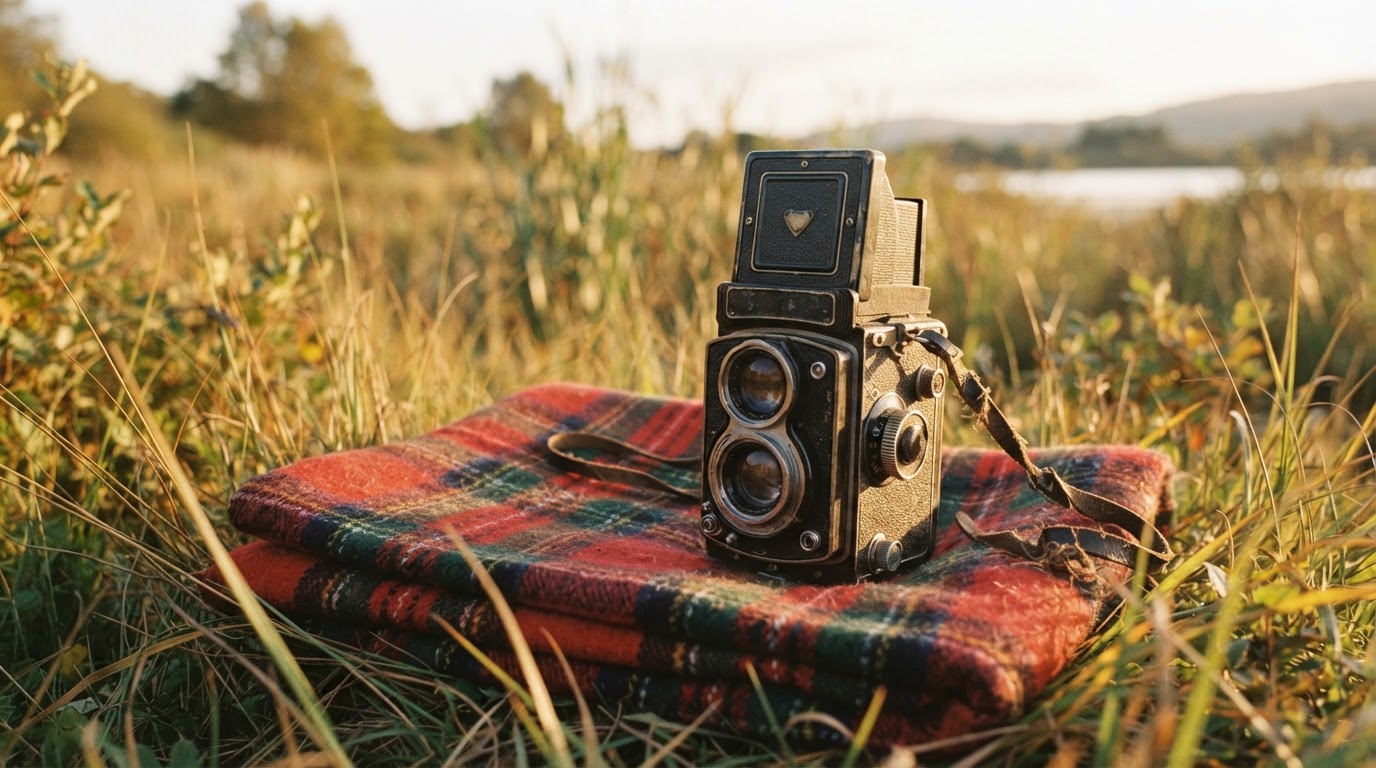
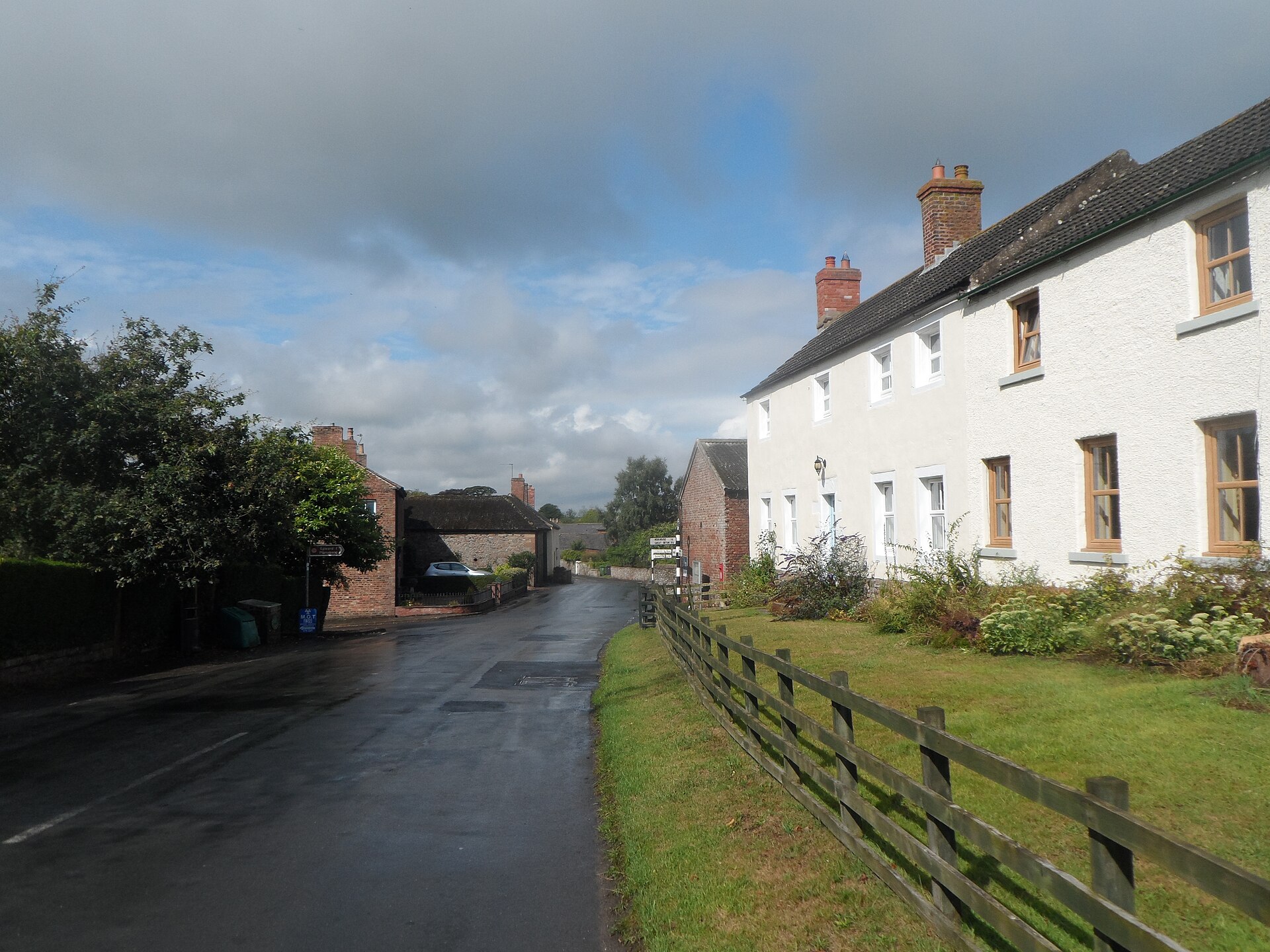
Photo: Wikimedia Commons, CC BY-SA 2.0
The Figure in the Frame
Templeton took his film to the chemist in Carlisle to be developed, and it was the chemist who first remarked on it — asking, half-joking, who the man in the white suit behind the girl was. Templeton had no answer. When he looked at the print himself, there it was: rising behind and slightly above Elizabeth's head, a figure that appeared to be wearing a white spacesuit, its back partly turned, what looked like a helmet where a head should be. It did not look like a person standing on the marsh. It looked like something that did not belong in the picture at all.
What made the image so hard to dismiss was everything around it. The rest of the photograph was perfectly ordinary and perfectly sharp — the grass, the flowers, the child's face, all exactly as they should be. There was no double exposure smeared across the frame, no obvious ghost of another scene bleeding through. The figure was simply there, standing in a place where, Templeton insisted, no one had been standing when he pressed the shutter. He was certain of it. He had been looking through the viewfinder at his own daughter, and there had been no man in a white suit anywhere on that marsh.
Kodak, and the Search for a Fake
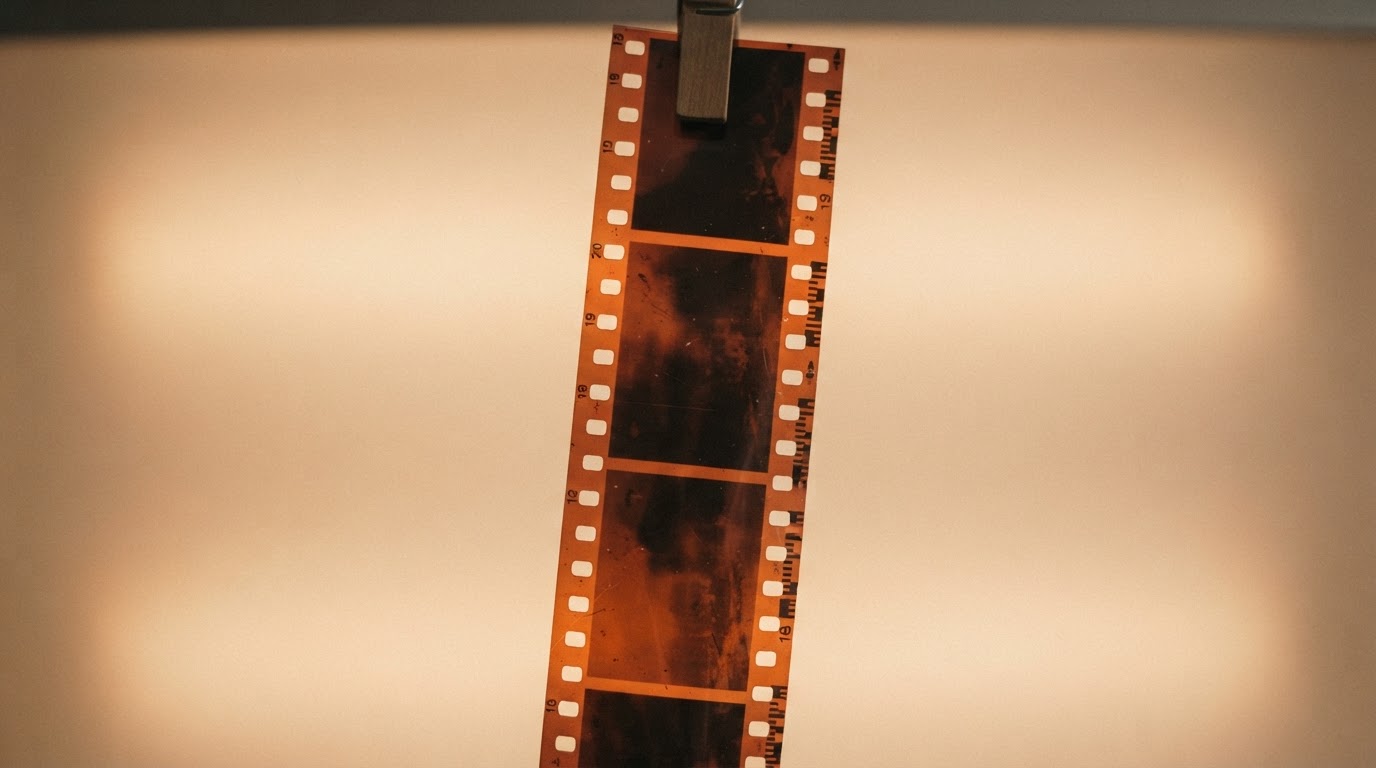
Convinced he had photographed something real, Templeton took the picture to the police, and the story soon reached the press. The photograph was sent to Kodak, the film manufacturer, for examination — and this is the detail that has kept the case alive for sixty years. Kodak's technicians studied the negative and could find no evidence that it had been tampered with. There was no sign of a double exposure, no montage, no scratched-in figure, nothing to show that the image had been faked in the darkroom or the camera. The company is said to have offered a standing reward to anyone who could prove how the effect had been produced, and no one ever collected it.
For those who believe the photograph shows something genuinely unexplained, this is the heart of the matter. A single blurred figure could be laughed off, but a single blurred figure on a negative that professionals could not fault is harder to wave away. The film had not been doctored. So either the camera had recorded something that was actually standing on the marsh — something no one there could see — or the truth was more ordinary than it looked, hiding in plain sight in the way the picture was taken. Both possibilities have their defenders, and the argument between them has never ended.
The Men in Black
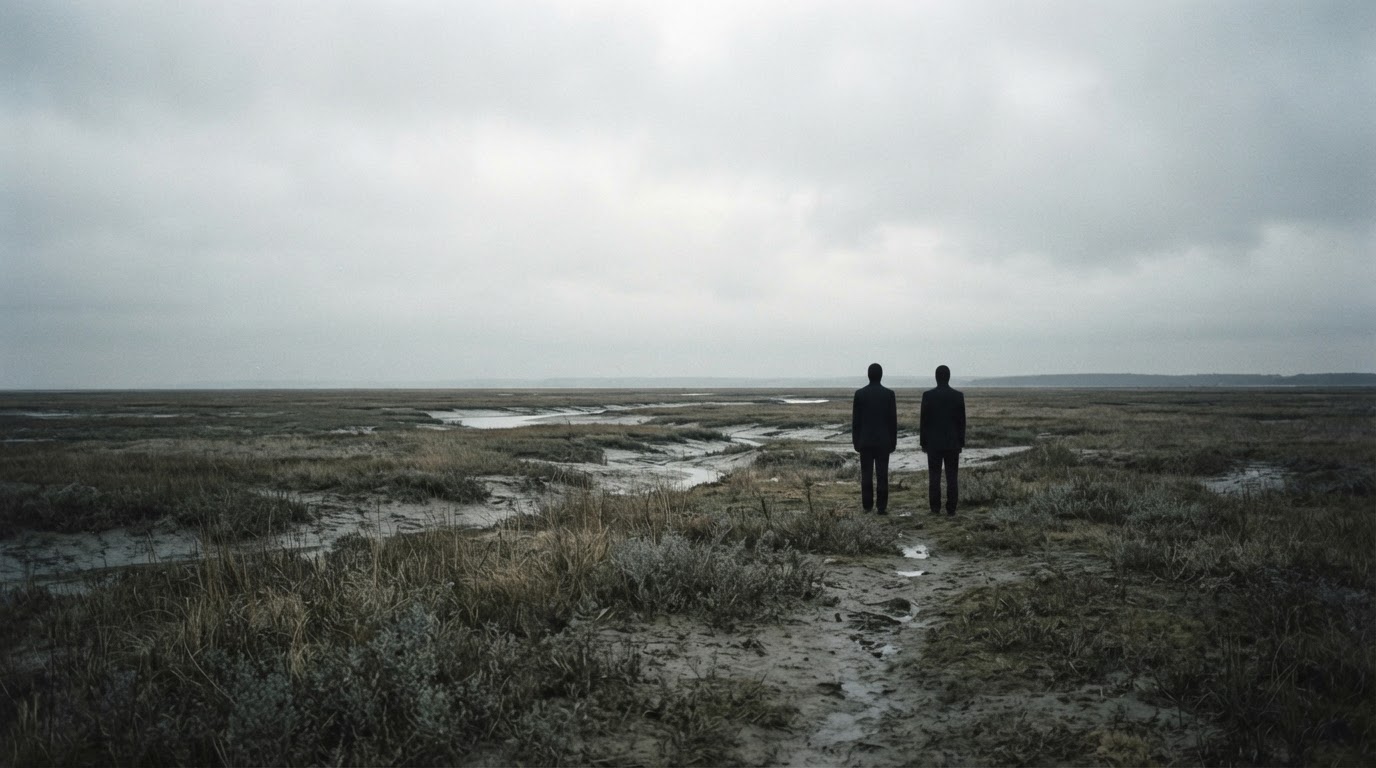
Then came the strangest chapter of all, and the one hardest to check. Templeton said that not long after the photograph appeared in the newspapers, two men came to visit him. They were dressed in dark suits, he said, and identified themselves only by numbers rather than names, claiming to be from a government ministry. They questioned him closely about the day on the marsh, drove him back out to Burgh Marsh, and pressed him to admit that he had simply photographed an ordinary person he had failed to notice. When he would not, he said, they grew irritated and drove off, leaving him stranded to walk home.
Whether these visitors were real, exactly who they were, and whether Templeton's memory of them grew in the retelling, no one can now say. But the episode folded the Solway photograph neatly into a much larger folklore — the "men in black," the shadowy officials who are said to descend on ordinary people after they see something they were not meant to see. For believers, the visit was proof that the authorities took the picture seriously. For sceptics, it was one more piece of a story that had begun to write itself. Either way, it deepened the strangeness, and it is remembered as vividly as the photograph itself.
The Woomera Connection
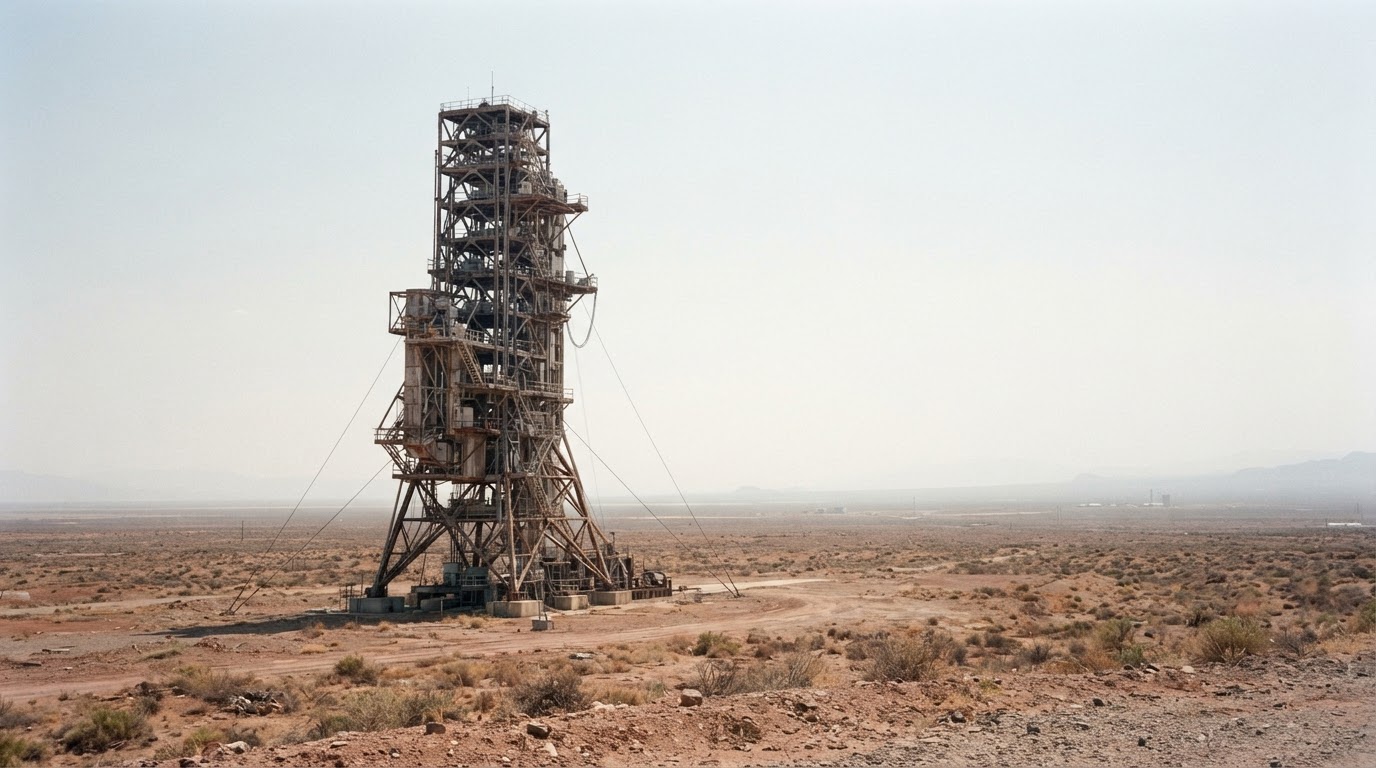
There is one more thread that has bound the Solway Firth Spaceman to the world of secrets, and it comes from the other side of the planet. The story goes that around the same time, technicians at the Woomera rocket range in the Australian outback — where Britain was testing its Blue Streak missile — had a countdown halted after two figures resembling "spacemen" were reportedly spotted near the launch site, and that one of them later saw the Solway photograph and recognised the same white-suited figure. The coincidence, if it was one, seemed too neat to ignore: the same apparition appearing on a quiet English marsh and beside a top-secret missile range thousands of miles away.
Like the men in black, this connection is far easier to tell than to verify, and the details shift depending on who is telling it. But it is precisely this web of associations — a firefighter's snapshot, an unfaultable negative, mysterious officials, a missile test on the far side of the world — that has kept the Solway case in circulation long after most local UFO stories were forgotten. The photograph stopped being just a photograph. It became a knot into which a whole era's anxieties about rockets, secrecy and the sky were tied.
The Ordinary Answer That Never Convinced Everyone
Against all of this stands a plain, mundane explanation — and it is a persuasive one. The most widely accepted account is that the "spaceman" is Templeton's own wife, Annie, captured in the frame as she stood a little way behind their daughter. Photographic experts have pointed out that the figure's proportions, its pale colour, and the "helmet" all fit a person seen from behind, overexposed and blurred by the bright light. On this reading, what looks like a white spacesuit is simply a light-coloured dress washed out by the sun, and the bubble helmet is the back of a head lost in glare. Templeton had a simple camera with a limited viewfinder, and it is entirely possible he framed a figure at the edge of the scene without registering her — a figure his eye skipped over but the lens did not.
It is a clean and reasonable answer, and for many people it closes the case. Yet it has never fully convinced everyone, and the reasons are worth naming. Templeton maintained to the end of his life that no one had been standing behind his daughter, and he was not a man given to inventing things. The figure looks, to many eyes, as though it is facing the wrong way and standing too tall to be a crouching woman. And the picture's strange companions — the untraceable negative, the men in black, the whisper from Woomera — give it a gravity that a simple overexposure ought not to have. What we can say for certain is only this. On a spring afternoon in 1964, a father photographed his daughter on an empty English marsh, and a white figure that no one saw appeared standing behind her. Sixty years later, the most likely explanation and the most stubborn doubts are still standing on that marsh together, and neither has walked away.
I find I believe the ordinary answer and cannot rest on it. Annie in a pale dress, overexposed, back turned — it accounts for the shape, and it should be the end of my involvement. What it does not account for is the reward Kodak is said to have posted for anyone who could reproduce the effect, sitting uncollected for decades while the explanation everyone accepts was freely available the whole time. Somebody should have walked in and claimed it with a light dress and a bright afternoon. In everything I have read, nobody ever did.
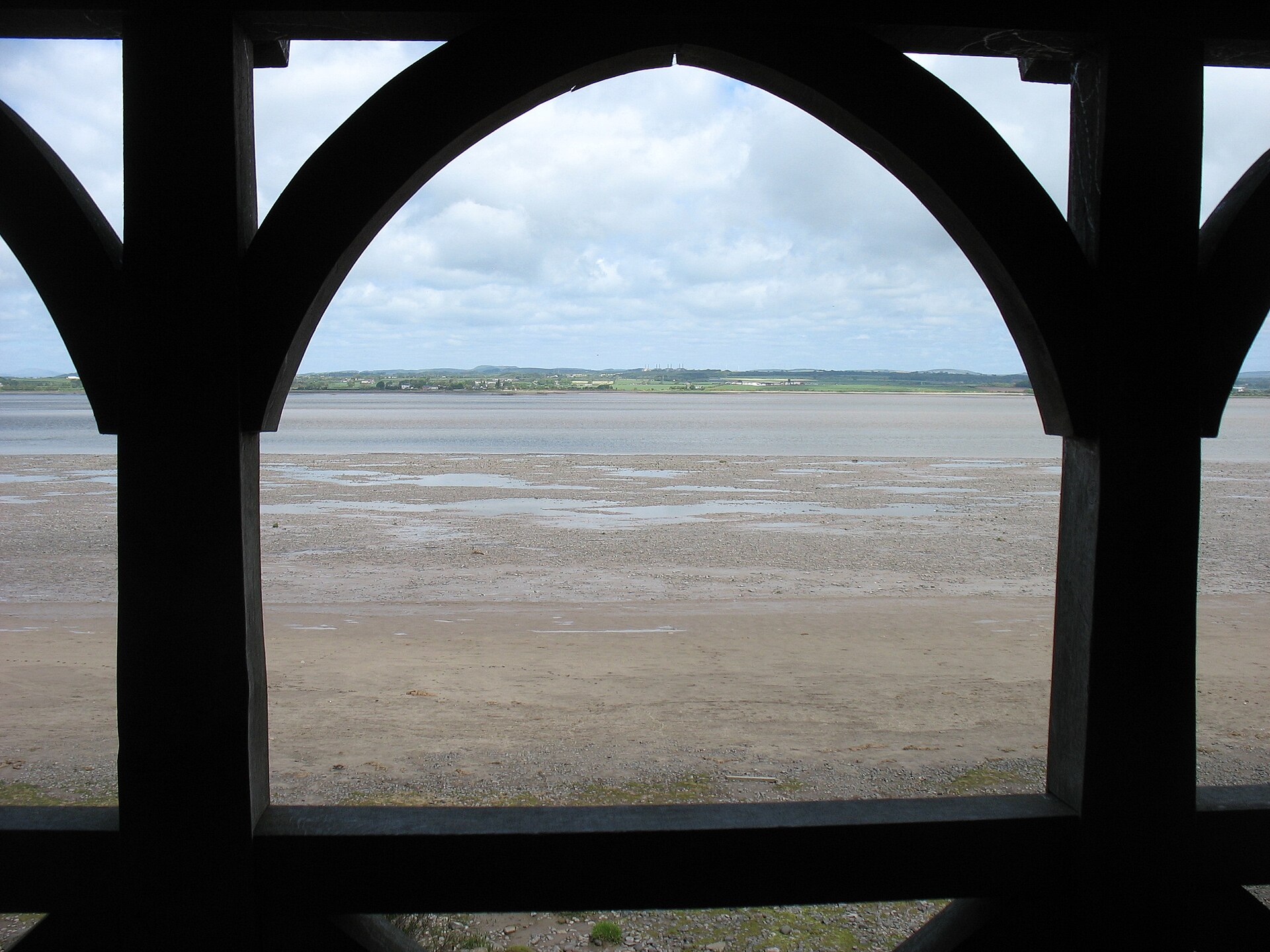
Photo: Wikimedia Commons, CC BY-SA 2.0
---
This article combines real documentary and location photographs with AI-generated images produced to convey the mood of the story.


Comments
No comments yet — leave the first one.